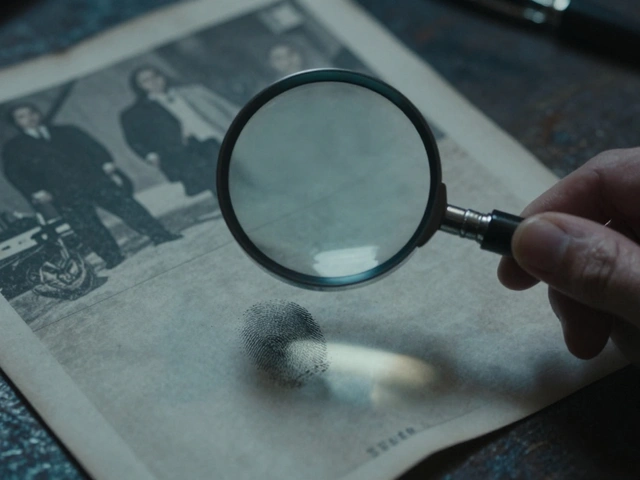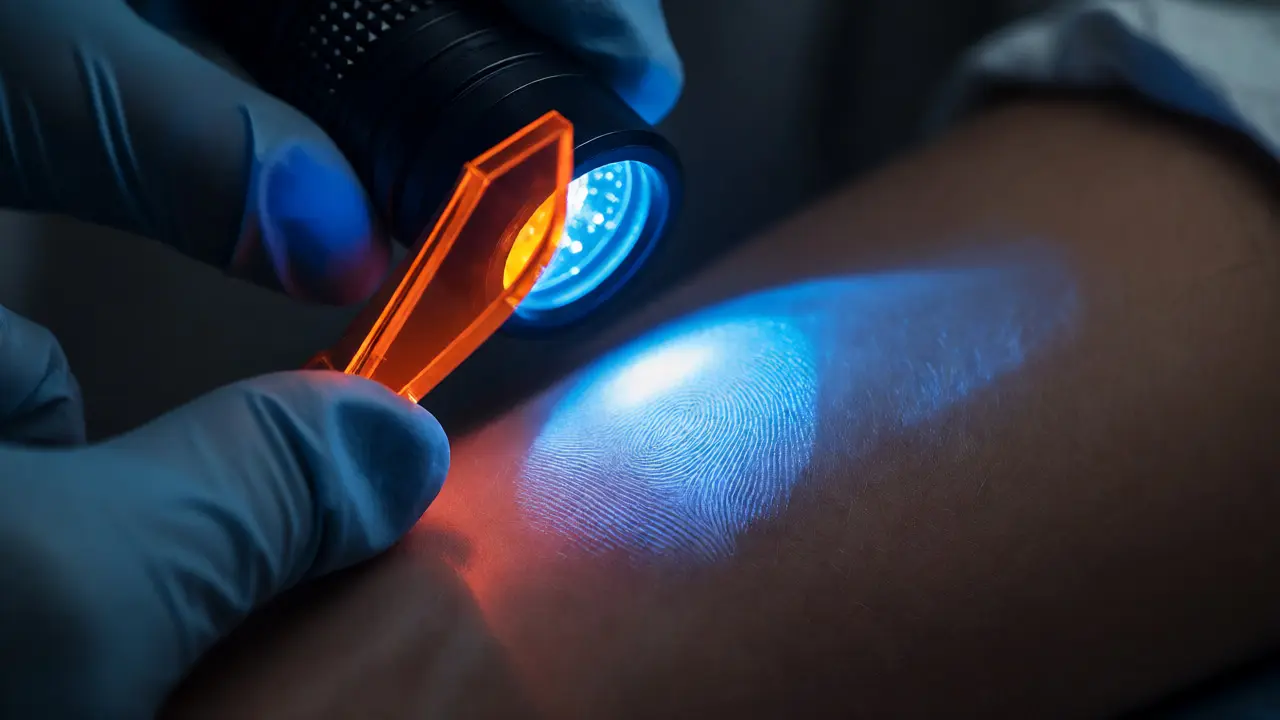
You find a body. The suspect claims he never touched the victim. But what if the victim’s own arm holds the proof? It sounds like a scene from a high-budget crime drama, but detecting skin impressions is a real, gritty part of modern forensics. Unlike finding a print on a glass window, getting a clear mark off living or dead human tissue is tricky. Skin is soft, oily, and constantly changing. Yet, when done right, these marks can place a suspect at the scene with terrifying accuracy.
The Science Behind the Mark
To understand how we catch these prints, you have to look at what they actually are. A skin impression is a type of latent print transferred onto human epidermis. When someone presses their finger against another person's skin, sweat, oils, and trace amounts of amino acids transfer from the ridges of the finger to the pores of the skin. This isn't just dirt; it's a chemical signature. The challenge lies in the substrate. Glass is rigid and non-porous. Skin is elastic, porous, and warm. Heat causes the oils to spread, blurring the ridge details that make a print unique. In Portland, where humidity swings wildly, this degradation happens fast. If you wait too long, the evidence literally melts away.
Why Standard Powder Doesn't Work Here
If you’ve ever dusted for prints on a door handle, you know the drill: brush, lift, stick. Try that on a forearm, and you’ll mostly get irritation and a messy smear. Traditional fingerprint powders are designed for smooth, hard surfaces. On skin, the powder clumps in the pores and fails to adhere evenly to the faint oil residue. Worse, the mechanical action of brushing can distort the impression itself. So, forensic techs had to adapt. They stopped looking for surface-level smudges and started looking for subsurface interactions. This shift moved the field from simple chemistry to complex imaging and specialized reagents.
Chemical Enhancement Techniques
Since physical lifting often fails, experts turn to chemistry. Two methods dominate the current landscape: Ninhydrin and Cyanoacrylate fuming, though both require significant modification for skin use.
Ninhydrin reacts with the amino acids in sweat. On paper, it turns purple instantly. On skin, the reaction is slower and less vibrant because the skin itself contains proteins that compete for the reagent. To fix this, technicians often apply a diluted solution and let it sit in a humid environment. The goal is to develop the print without cooking the tissue. If the subject is deceased, the lack of blood flow helps preserve the contrast. For living subjects, this method is rarely used due to safety concerns, as Ninhydrin can be irritating to open wounds or sensitive areas.
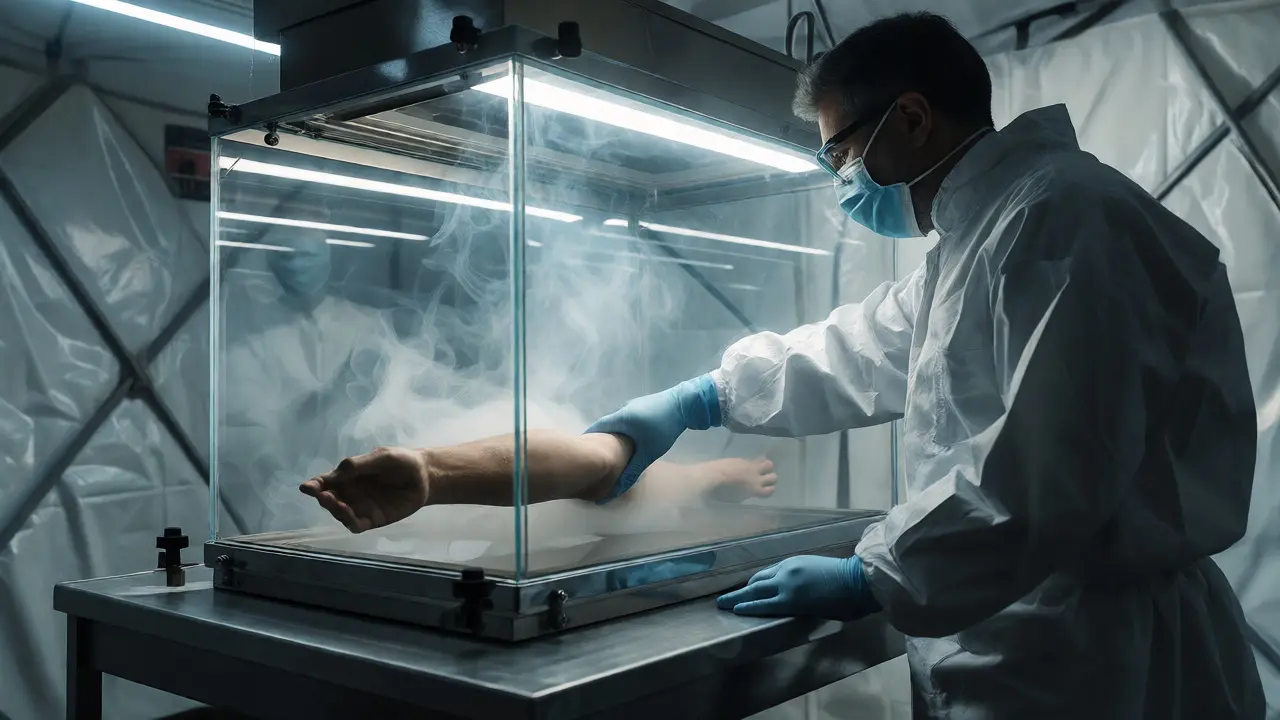
A safer, more common approach involves Cyanoacrylate Fuming, commonly known as superglue fuming. You expose the area to cyanoacrylate vapors. These vapors polymerize (harden) on the fatty residues of the fingerprint. The result is a white, stable deposit that outlines the ridges. While traditionally used on plastic or metal, low-concentration fuming chambers allow for gentle application on skin. Once developed, the print can be photographed directly. There’s no need to lift it, which preserves the original context of the injury or interaction.
Optical and Digital Solutions
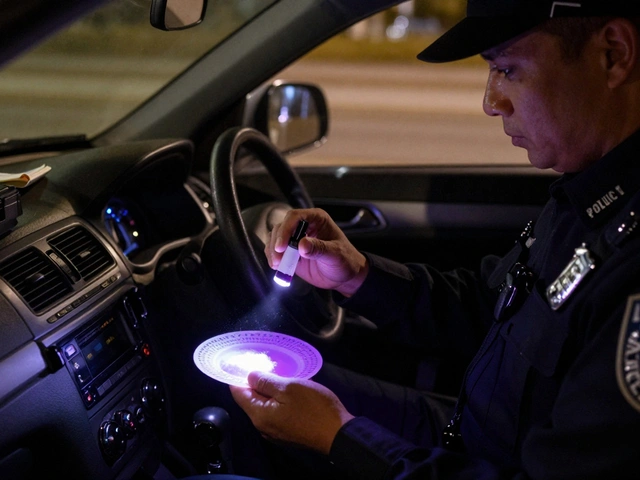
Sometimes, you don’t need chemicals at all. Light is your best friend here. Forensic light sources (ALS) allow investigators to tune wavelengths to maximize contrast between the print residue and the skin tone. Blue or green lights often make the oily residue fluoresce slightly differently than the surrounding tissue. Using a camera filter, such as an orange barrier filter, blocks the reflected light while letting the fluorescence pass through. Suddenly, a invisible smudge pops into sharp relief.
This non-destructive method is ideal for living victims who might be rushed to the hospital before a full lab analysis can occur. High-resolution digital photography captures the image immediately. Software algorithms then enhance the contrast, sharpening the ridge endings and bifurcations-the tiny details that match a suspect’s ID card. This process relies heavily on the quality of the initial capture. Blurry photos are useless. Steady hands and proper lighting are non-negotiable.
| Method | Best For | Destructive? | Time Sensitivity |
|---|---|---|---|
| Alternate Light Source (ALS) | Living subjects, quick screening | No | Low (can be repeated) |
| Cyanoacrylate Fuming | Deceased bodies, preserved scenes | Mildly (chemical exposure) | Medium (hours) |
| Ninhydrin Spray | Lab analysis of excised skin samples | Yes (chemical reaction) | High (immediate processing) |
| Ink Transfer | Direct comparison with suspect | No | Immediate |
Handling Living vs. Deceased Subjects
The protocol changes drastically depending on whether the person is breathing. With a living victim, priority number one is medical care. You cannot delay treatment to fume an arm. Investigators must work fast. ALS scanning takes seconds. If a print is found, photograph it, then move on. Do not spray chemicals unless directed by medical staff. The skin might be sweaty, dirty, or covered in bandages. Each of these factors complicates the image. Dirt acts as noise. Sweat dilutes the amino acids. Bandages obscure the view entirely until removed.
With a deceased subject, time is still critical, but the clock ticks differently. Decomposition breaks down proteins and alters skin texture. Rigor mortis stretches the skin, potentially distorting the ridge patterns. If the body is recovered quickly, placing it in a refrigerated environment slows bacterial growth and preserves the oils. In some cases, forensic pathologists will excise a small patch of skin containing the impression. This sample goes to the lab, where it can be treated with stronger chemicals like Ninhydrin or DFO (1,8-diazafluoren-9-one) to bring out details that optical methods missed.
Pitfalls and False Positives
Not every mark on skin is a fingerprint. Scratches, bruises, and clothing folds can mimic ridge patterns. A zipper imprint might look like a loop pattern to an untrained eye. Context matters. Was the hand near the neck? Near the wrist? The location helps validate the print. Also, consider contamination. If the victim touched their own face after being handled by paramedics, you might see multiple overlapping prints. Separating them requires careful layering analysis. One print sits on top of another. The top one is newer. Determining sequence helps reconstruct the timeline of events.
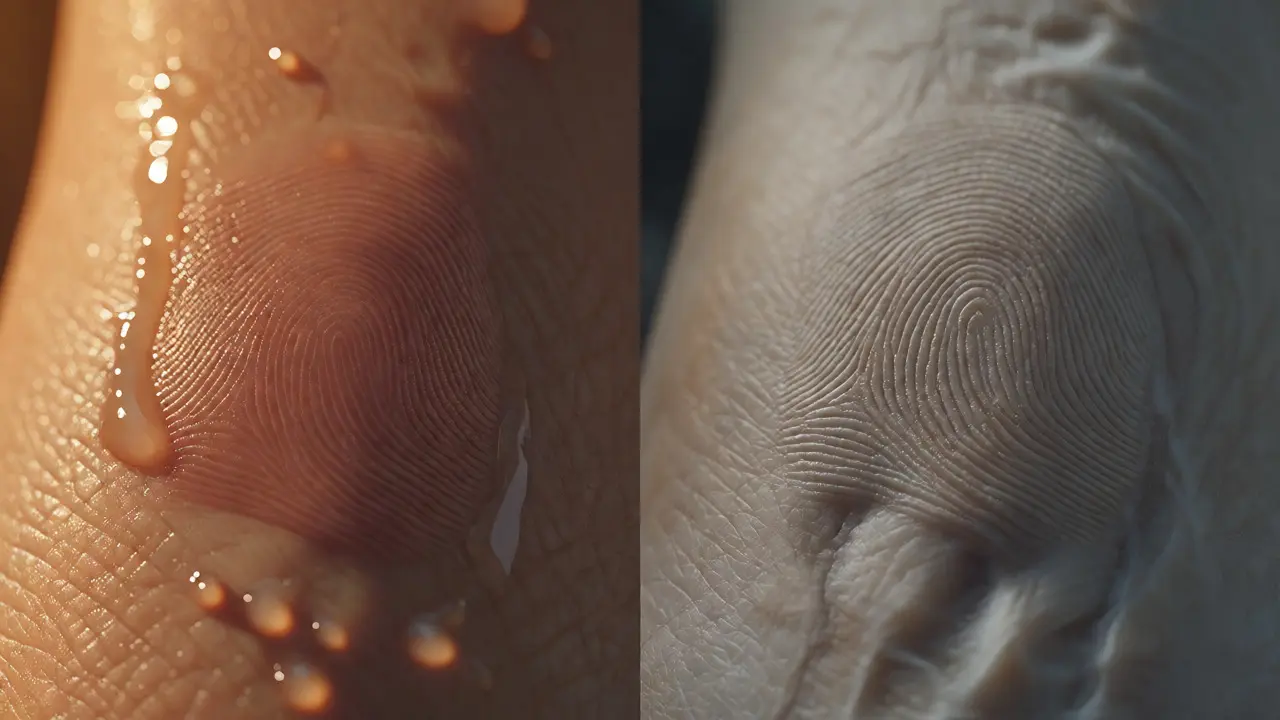
Another major hurdle is individual variation. Some people produce very little sweat (dry hands). Their prints fade within minutes. Others have excessively oily skin, causing the print to bleed outward, losing definition. Age plays a role too. Elderly skin has deeper wrinkles and less elasticity, making ridge clarity harder to achieve. Children’s skin is softer and may absorb the oils rather than holding them on the surface. Adjusting expectations based on the subject’s demographics prevents wasted effort.
Legal Admissibility and Chain of Custody
Just because you see a print doesn’t mean it holds up in court. Defense attorneys will attack the methodology. Was the lighting calibrated? Did the technician wear gloves to prevent adding their own DNA? Was the photo taken with a scale for size reference? Documentation is everything. Every step, from the initial ALS scan to the final enhancement software used, must be logged. If you use AI-enhancement tools, you must disclose the algorithm. Bias in automated matching systems is a growing concern. Always have a human expert verify the match. Machines are good at finding candidates; humans are better at spotting errors.
Next Steps for Investigators
If you’re new to handling skin impressions, start with practice. Use silicone pads to simulate skin texture. Test different light angles. Learn to spot the difference between a bruise and a bruise overlaid with a print. Keep your kit simple: a high-intensity LED flashlight, a blue/green filter set, and a macro lens for your camera. Speed is your ally. The sooner you capture the image, the better the chance of identification. Remember, skin is dynamic. It heals, it sweats, it decomposes. Treat every impression as fragile evidence that could vanish before the sun sets.
Can fingerprints be lifted directly from human skin?
Generally, no. Traditional lifting tape works poorly on skin because the adhesive sticks to the hair and pores rather than the print residue. It also tends to distort the image. Instead, investigators photograph the print using alternate light sources or chemically enhance it in place.
How long do fingerprints last on human skin?
It varies widely. On dry skin, a print might last only 15 to 30 minutes before sweating washes it away. On oily skin, it might persist longer but become blurred. Environmental heat accelerates evaporation of the volatile components, shortening the lifespan. Immediate documentation is crucial.
Is cyanoacrylate fuming safe for living people?
It is generally considered safe for brief exposures on intact skin, but it can irritate eyes and respiratory passages. In a clinical setting, doctors usually prefer non-chemical optical methods first. Fuming is typically reserved for deceased individuals or controlled lab environments to avoid discomfort or allergic reactions in patients.
What is the best light source for detecting prints on skin?
Blue or green light paired with an orange barrier filter is most effective. This combination exploits the natural fluorescence of certain residues in sweat and sebum, creating high contrast against the darker tones of the skin and blood vessels.
Do tattoos affect fingerprint detection on skin?
Yes, ink deposits can interfere with optical detection by absorbing light or creating visual noise. However, if the print is in a non-tattooed area, it remains detectable. If the print overlaps a tattoo, chemical enhancement methods may be required to distinguish the ridge detail from the ink lines.