You’ve probably peeled a sticker off a laptop or ripped a piece of packing tape from a box. What’s left behind? A sticky, translucent film that looks like nothing more than a nuisance. But to a forensic scientist, that tiny smear is a fingerprint. It tells you where the object was, what it touched, and sometimes even who handled it. Adhesive residue is one of the most overlooked forms of trace evidence, yet it can link a suspect to a crime scene with surprising precision.
In criminal investigations, we often focus on DNA, fingerprints, or ballistic casings. These are high-impact clues. However, they require specific conditions to be preserved. Adhesive residue, on the other hand, is ubiquitous. It sticks to surfaces, transfers between objects, and degrades slowly. This makes it a resilient witness that outlasts many other physical traces.
What Makes Adhesive Residue Unique?
Adhesive residue is the remaining material from a pressure-sensitive adhesive after the backing material (like paper, plastic, or fabric) has been removed. Unlike paint or glass, which break into distinct shards, adhesives flow. They conform to the surface they touch. When you peel a sticker, the adhesive doesn’t just stay on the wall; some stays on the sticker, and some gets pulled up as microscopic fibers or dust.
This behavior creates a two-way transfer. If a suspect uses a roll of duct tape to wrap a weapon, the tape leaves residue on the handle. Conversely, if the weapon was stored in a taped-up bag, the bag leaves residue on the weapon. Forensic scientists call this the Law of Exchange. Every contact leaves something behind. The challenge isn’t finding the residue-it’s identifying it among the background noise of daily life.
The Chemistry Behind the Stick
To identify adhesive residue, you need to understand what it’s made of. Most modern adhesives fall into three main chemical families: rubber-based, acrylic, and silicone. Each family behaves differently under heat, light, and chemical solvents.
- Rubber-based adhesives: Common in older masking tapes and some labels. They turn yellow over time due to oxidation. They are soluble in certain organic solvents but not water.
- Acrylic adhesives: Found in premium office tapes and industrial stickers. They remain clear for years and are resistant to UV degradation. They are harder to dissolve than rubber types.
- Silicone adhesives: Used in high-temperature applications or medical tapes. They have very low tackiness and resist most common cleaning agents.
Knowing the base chemistry helps narrow down the source. For example, if a residue is found on a window frame near a fire scene, and it tests positive for silicone, it might point to a specific type of industrial sealant rather than standard household tape. This distinction matters because it limits the pool of potential sources significantly.
Detection Methods in the Field and Lab
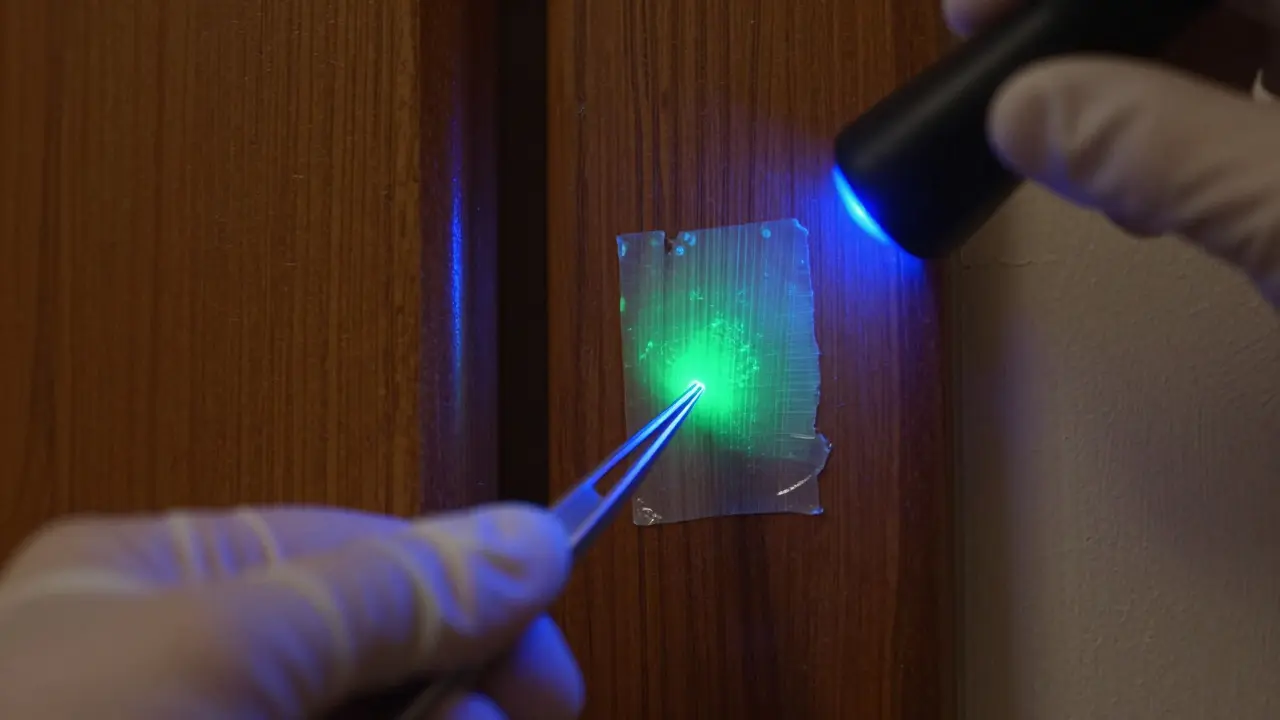
Spotting adhesive residue without magnification is nearly impossible. In the field, investigators use alternate light sources (ALS). Under ultraviolet (UV) or blue light, many residues fluoresce. A clear piece of tape on a dark jacket might glow bright green under a 450nm LED lamp. This allows us to photograph the pattern before touching anything.
In the laboratory, we move to more definitive tests. Here is how the process typically flows:
- Visual Inspection: Using a stereomicroscope to look for shape, color changes, and embedded particles.
- Tape Lifts: Applying fresh adhesive tape to the suspected area to pick up loose particles or fibers trapped in the old residue.
- Chemical Spot Tests: Applying reagents that react with specific chemical groups. For instance, iodine vapor reacts with starch-based adhesives, turning them brown.
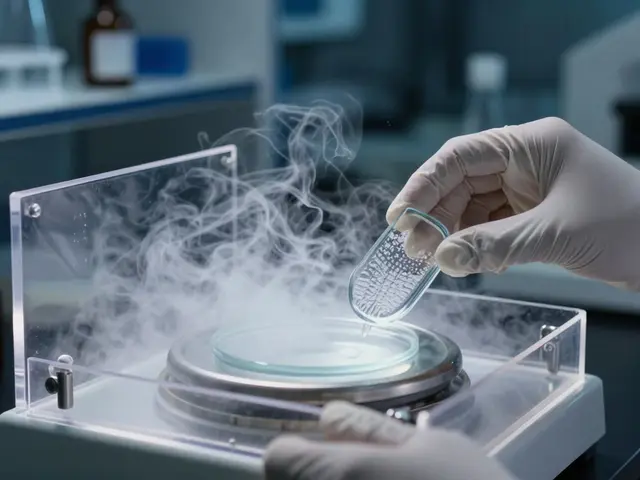
- Spectroscopic Analysis: Using Fourier Transform Infrared Spectroscopy (FTIR) to create a molecular fingerprint. This is the gold standard for positive identification.
FTIR works by shining infrared light through the sample. Different chemical bonds absorb different wavelengths. The resulting spectrum acts like a barcode. We compare this barcode against a library of known adhesives. If the match is close enough, we can say with confidence that the residue came from a specific brand or type of tape.
Cases Where Residue Changed the Outcome
Consider a burglary case where no fingerprints were found. The suspect claimed they never entered the house. However, a small fragment of packing tape was found on the inside of a bedroom door frame. The tape was cut, not torn, suggesting deliberate removal. The residue left behind matched the suspect’s work gloves via fiber transfer. More importantly, the adhesive composition matched a specific industrial tape used only in their warehouse. This linked the suspect to the scene without a single biometric hit.
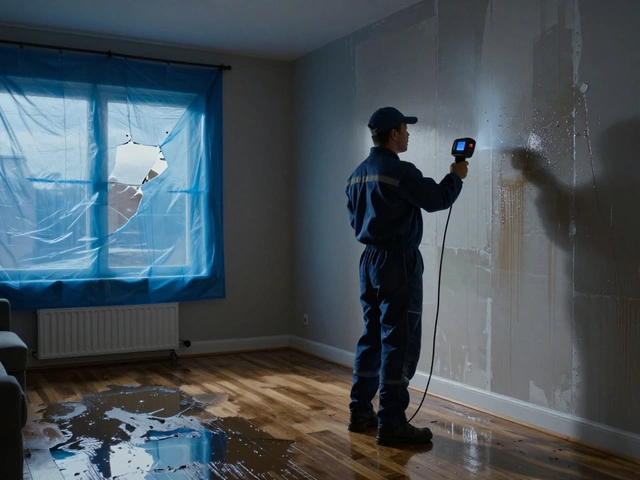
Another scenario involves insurance fraud. A claimant reported a window shattered by a rock. The glass was clean, but a faint line of adhesive ran along the bottom edge of the frame. Analysis revealed it was a double-sided mounting tape, commonly used to attach security cameras. This suggested the window was tampered with to install a device, not broken by impact. The residue provided the narrative that the physical damage alone couldn’t explain.
Challenges and Pitfalls
Working with adhesive residue isn’t always straightforward. Contamination is the biggest enemy. Your own hands carry oils and micro-particles. Touching a residue site can alter its chemical profile or wipe away crucial details. That’s why we use gloves, tweezers, and non-contact sampling methods whenever possible.
Age also plays a role. Fresh residue is easy to analyze. Old residue, exposed to sunlight and humidity, breaks down. Oxidation changes the color and chemical structure. A five-year-old piece of masking tape looks nothing like a new one. Scientists must account for this degradation when comparing samples. Sometimes, we can only identify the *type* of adhesive, not the exact brand, because the unique additives have washed away.
There is also the issue of background interference. Walls are painted, furniture is varnished, and floors are waxed. Distinguishing a drop of glue from a smudge of floor polish requires careful baseline testing. We often take control samples from nearby areas to know what “normal” looks like.
Preserving the Evidence
If you find suspicious residue, don’t wipe it off. Wiping destroys the texture and removes any particles trapped within. Instead, cover the area with a breathable cloth or place a sterile container over it. Avoid using water or alcohol unless instructed, as these can dissolve the very evidence you’re trying to save.
For larger items, like a wrapped package, keep the wrapping intact if possible. The relationship between the tape and the object is part of the story. Did the tape cross itself? Was it applied in a spiral? These patterns can indicate the skill level of the person who applied it. A professional packer uses consistent tension. An amateur might leave wrinkles or gaps. These subtle details add context to the physical data.
| Adhesive Type | Common Sources | Key Chemical Identifier | Forensic Challenge |
|---|---|---|---|
| Rubber-based | Masking tape, old labels | Polyisoprene chains | Yellowing over time complicates visual ID |
| Acrylic | Office tape, premium stickers | Ester groups | High clarity makes it hard to spot visually |
| Silicone | Medical tape, industrial seals | Siloxane bonds | Resistant to many solvents and cleaning agents |
Frequently Asked Questions
How long does adhesive residue last on a surface?
Indoors, protected from direct sunlight, adhesive residue can last for decades. Outdoors, UV exposure and weathering can degrade it within months to a few years. The chemical backbone remains detectable much longer than the visible stain.
Can you identify the exact brand of tape from residue?
Sometimes, yes. If the adhesive contains unique fillers or anti-aging agents, FTIR spectroscopy can match it to a specific manufacturer's formula. However, generic formulations are widely shared, so you may only identify the type (e.g., acrylic) rather than the brand.
Does washing a surface destroy adhesive evidence?
It depends on the cleaner. Water alone usually won't remove cured adhesive. However, solvents like acetone or rubbing alcohol can dissolve acrylic and rubber-based adhesives completely. Harsh scrubbing can also remove embedded particles, destroying secondary evidence.
Is adhesive residue considered strong evidence in court?
It is considered corroborative evidence. On its own, it rarely proves guilt beyond reasonable doubt. But when combined with other facts-like the rarity of the tape or the location of the residue-it becomes a powerful link in the chain of custody and suspect connection.
What tools are needed to collect adhesive residue safely?
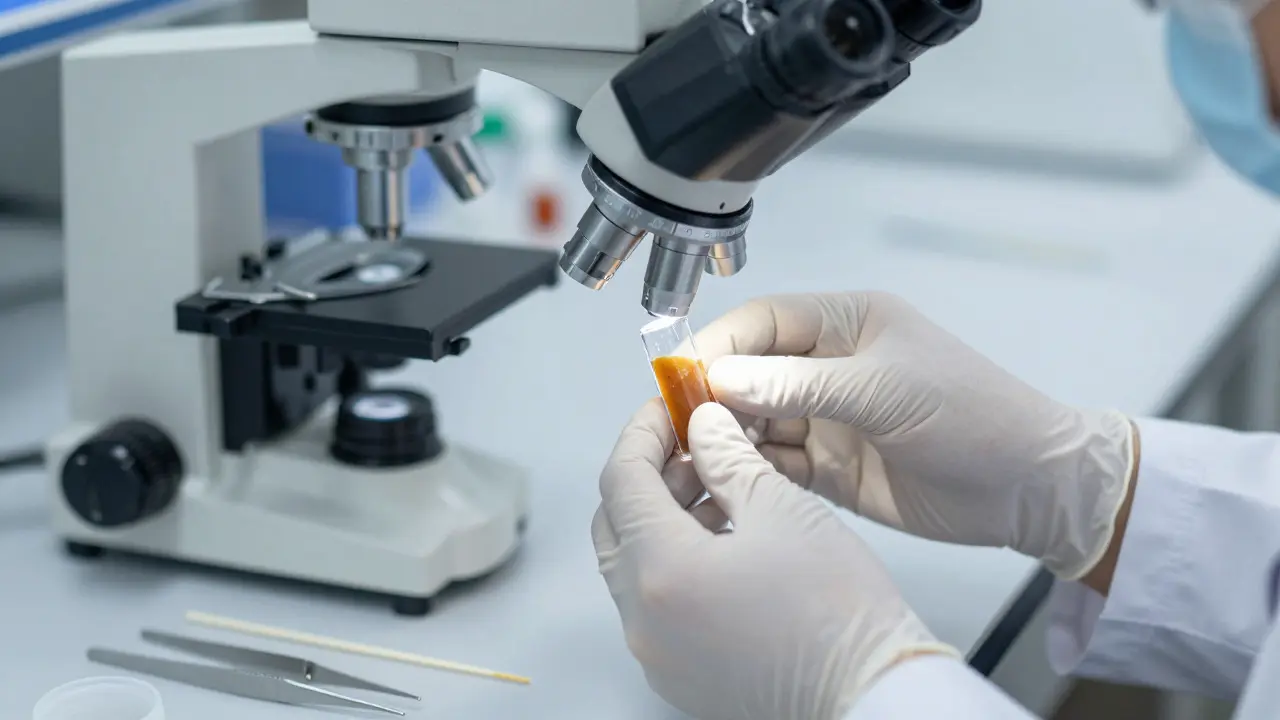
You need nitrile gloves, fine-tipped forceps, sterile swabs, and adhesive lifters (specialty tape). For lab analysis, samples are often scraped gently onto a microscope slide or placed in a sealed vial to prevent evaporation of volatile components.