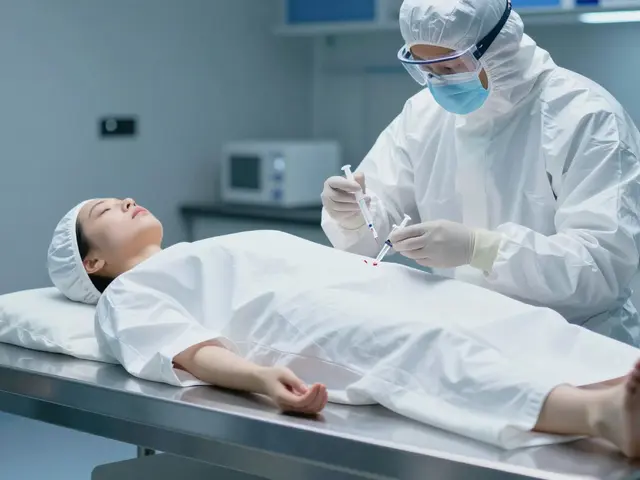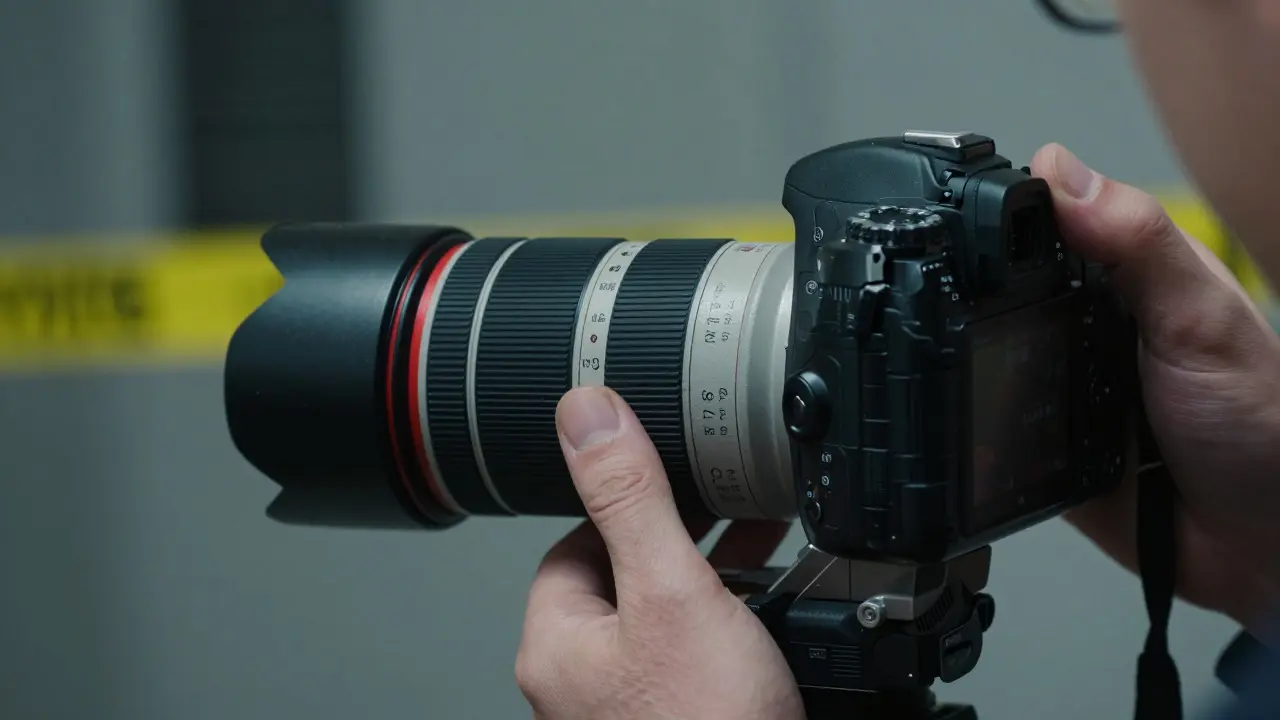
Walking into a crime scene with the wrong lens is like trying to fix a flat tire with a screwdriver. You might get close, but you’ll likely miss critical details or distort the evidence in ways that hurt your case. In forensic photography, Lens Selection is the process of choosing specific optical equipment based on the scale, distance, and lighting conditions of the evidence to ensure accurate documentation. It isn't just about getting a clear picture; it's about capturing data that holds up under scrutiny.
The core problem most investigators face is balancing field-of-view against detail resolution. A wide-angle lens lets you show context, but it warps straight lines. A telephoto compresses space, making objects look closer than they are. A macro lens reveals texture, but loses the surrounding environment. The right choice depends entirely on what you are documenting at that exact moment.
Understanding Focal Lengths in Forensic Contexts
Focal length determines how much of the scene you capture and how distorted it appears. For full-frame cameras, which are standard in professional forensic work, three ranges dominate the toolkit: wide-angle, standard, and telephoto/macro.
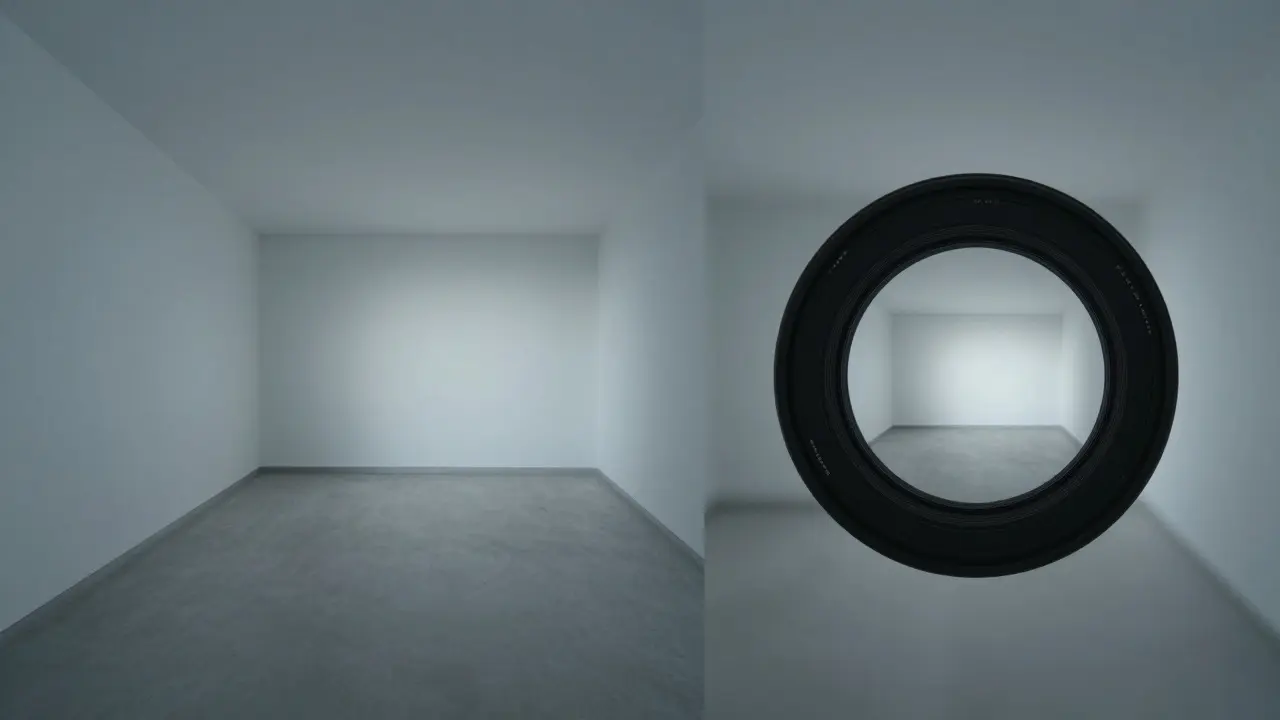
- Wide-Angle (14mm-35mm): Best for establishing shots. These lenses capture large areas quickly. However, they introduce perspective distortion. Straight walls may bow outward if the camera isn't perfectly parallel to the subject. This is acceptable for initial overviews but risky for measuring distances from photos alone.
- Standard (50mm-85mm): Often called "normal" lenses, these mimic human vision closely. They provide minimal distortion and are ideal for mid-range documentation where you need to show an object in its immediate surroundings without warping the geometry.
- Telephoto (70mm-200mm) & Macro: Used for isolating details. Telephoto lenses compress depth, making background elements appear larger and closer. Macro lenses allow focus at very short distances (usually within 6 inches), essential for fingerprints, tool marks, and small artifacts.
A common mistake is relying solely on digital zoom or cropping. While convenient, this reduces effective resolution. If you can physically move closer or switch to a longer focal length, do it. Optical quality beats pixel manipulation every time.
Macro Photography for Small Evidence
When dealing with fingerprints, bullet casings, or fiber analysis, you need a dedicated Macro Lens is an optical device designed to focus at extremely close distances, typically achieving a 1:1 magnification ratio. Standard prime lenses often struggle here because their minimum focus distance is too far to capture fine textures without significant blur or parallax error.
For true forensic integrity, look for lenses with a 1:1 reproduction ratio. This means a 1cm object on the sensor appears as 1cm in the image. Cheaper "macro