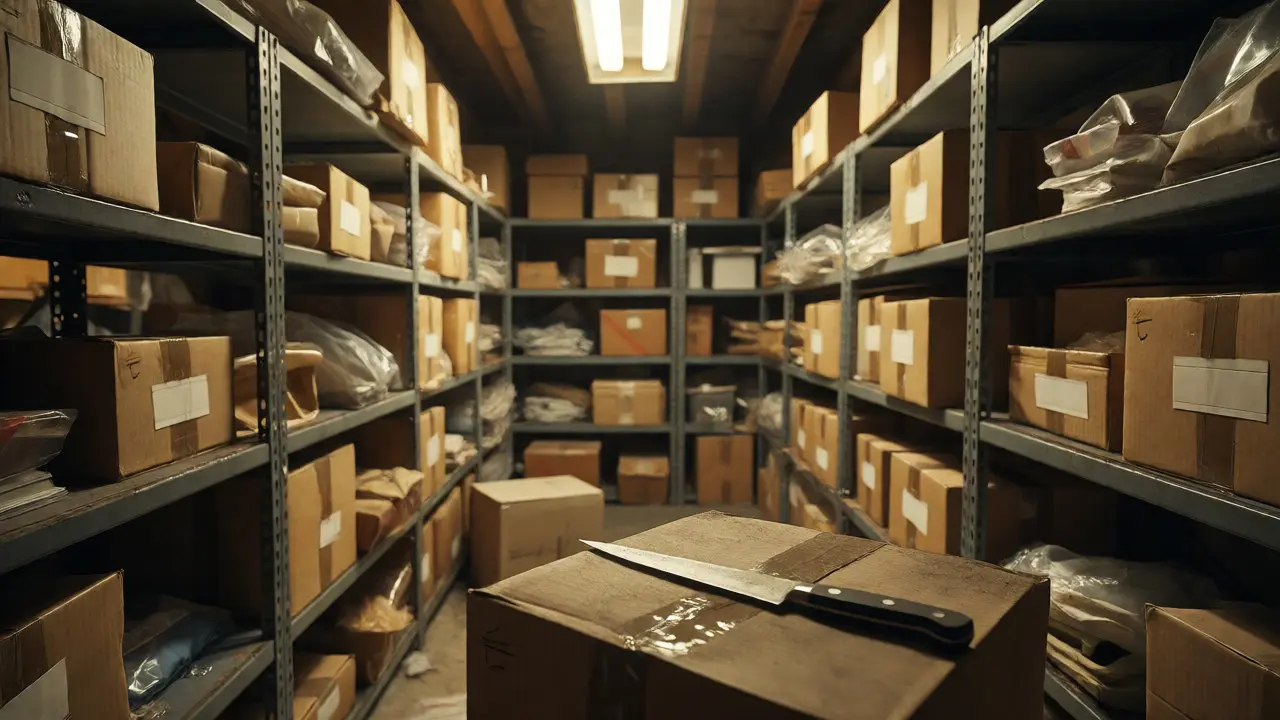
Imagine walking into a property room that looks less like a secure facility and more like a hoarder’s attic. Boxes are stacked to the ceiling, labels are faded, and finding a specific knife from a case three years ago feels like searching for a needle in a haystack. This isn't just an inconvenience; it's a liability. When property room organization fails, cases stall, evidence degrades, and the integrity of the entire justice system wobbles.
The core challenge isn't just storing stuff-it's managing time and access. Every item has a lifespan in your facility, dictated by legal requirements, biological stability, and investigative needs. If you don't control when things leave and how quickly they can be found, you're not running a property room; you're running a warehouse with bad odds. Let's break down how to tighten up your shelf-life policies and retrieval systems so your team stops digging through junk and starts working smarter.
Defining Shelf-Life in Evidence Storage
Shelf-life in forensics isn't about expiration dates on milk cartons. It refers to the period during which evidence must be retained before it can be legally disposed of or archived. This duration varies wildly based on the nature of the crime and local statutes. For instance, in many jurisdictions, homicide evidence is held indefinitely until the case is fully closed and appeals exhausted. Meanwhile, petty theft items might only need to stay on the shelf for six months post-conviction.
You need to categorize your inventory by retention priority. Start by tagging every incoming item with its expected disposal date upon intake. This single step prevents the "indefinite hold" creep where minor cases pile up because no one remembered to check the calendar. Use color-coded labels: red for indefinite holds (homicides, sexual assaults), yellow for long-term pending trials, and green for short-term administrative cases. This visual cue helps staff spot potential clutter at a glance.
| Case Category | Minimum Retention Period | Disposal Trigger | Storage Priority |
|---|---|---|---|
| Homicide / Capital Crimes | Indefinite | Final Disposition of Case | High Security / Off-site |
| Felony Trials | 5-10 Years Post-Conviction | Court Order / Statute Expiration | Medium Security |
| Misdemeanors | 1-3 Years Post-Disposition | Administrative Review | Low Security / Bulk Storage |
| DNA Samples | Varies by State Law | Database Entry Confirmation | Cold Chain / Controlled Temp |
The Chain of Custody as a Retrieval Tool
Retrieval controls aren't just about physical location; they're about accountability. Every time an item moves, the chain of custody updates. If your tracking system lags, you lose track of who has what. A common mistake is relying solely on digital databases without physical cross-checks. Digital records can say an item is in Bin 4B, but if Bin 4B is empty because someone grabbed it for lab testing and didn't log it back in, your search ends in frustration.
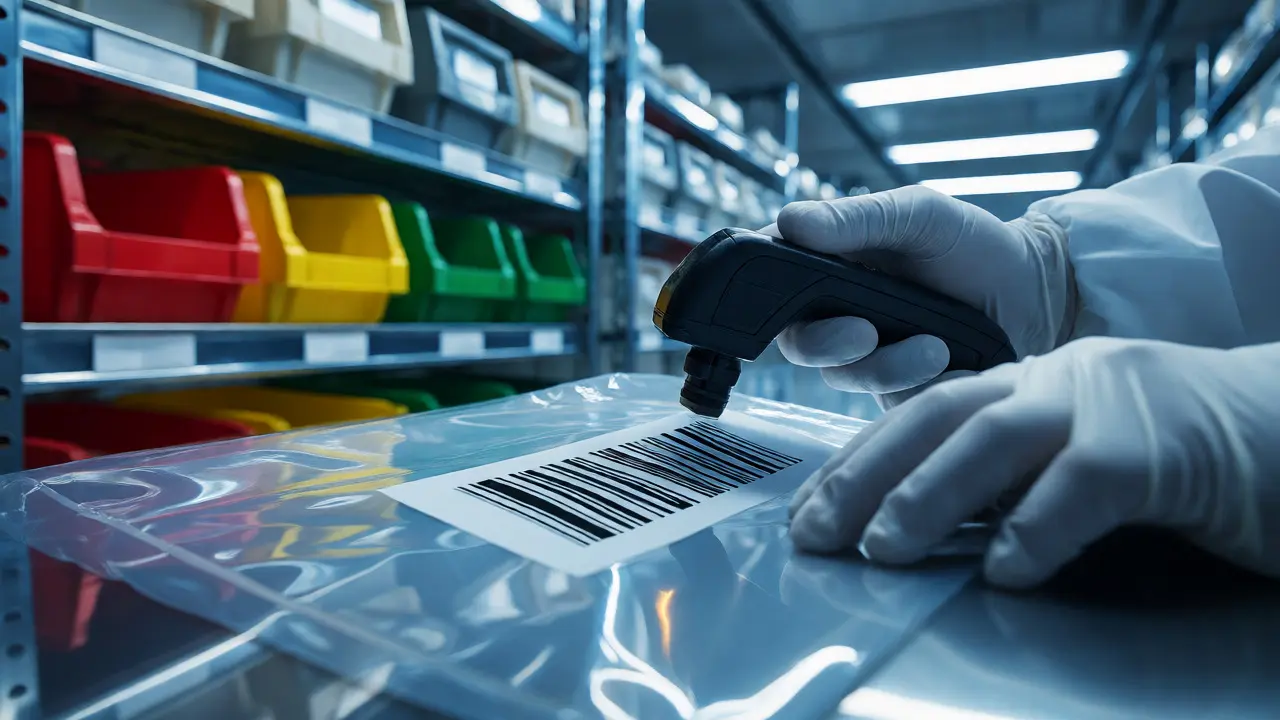
Implement a dual-verification system for high-value items. When retrieving evidence, the person pulling the item must scan both the item barcode and their own badge. This creates a timestamped audit trail that proves exactly who touched the evidence and when. It sounds tedious, but in court, that timestamp is gold. It eliminates the "he said, she said" regarding missing hours in custody.
Consider using RFID tags for bulk items like narcotics or cash bundles. Unlike barcodes, RFID doesn't require line-of-sight scanning. You can walk past a shelf and instantly verify inventory counts. This reduces the human error factor significantly. In our Portland facility, switching to RFID for narcotics cut our monthly audit time by 40%. We stopped counting bags manually and started trusting the reader.
Physical Layout and Zoning Strategies
Your floor plan dictates your efficiency. If everything is mixed together, retrieval takes forever. Adopt a zoning strategy based on evidence type and case status. Create distinct zones: Biological Evidence Zone, Weapons Zone, Digital Media Zone, and General Property Zone. Within each zone, organize by year, then by case number. This hierarchical structure makes logical sense to the human brain.
Don't forget about environmental controls. Biological samples degrade if temperatures fluctuate. Your Biological Zone needs dedicated refrigeration or freezers with continuous temperature logging. Digital media requires anti-static storage away from magnetic fields. Mixing these up isn't just messy; it destroys data. A hard drive stored next to a powerful magnet or left in a hot garage can lose critical video footage before trial even begins.
- Zone A (Cold Storage): Blood, DNA swabs, tissue samples. Requires 24/7 temp monitoring.
- Zone B (Secure Vault): Firearms, narcotics, currency. High security, limited access.
- Zone C (Digital Lab): Phones, laptops, drives. Climate-controlled, anti-static shelving.
- Zone D (Bulk Property): Clothing, tools, general items. Standard shelving, easy access.
Automating the Purge Process
Clutter kills productivity. The biggest enemy of a clean property room is the fear of throwing something away too soon. To combat this, automate your purge alerts. Your evidence management software should flag items approaching their disposal date 30 days in advance. Generate a report for supervisors to review weekly.
When reviewing the purge list, ask three questions: Is the case closed? Have all appeals been exhausted? Is there any reason to keep this for training or research? If the answer to all three is no, dispose of it. Document the disposal method-whether it's incineration for biohazards or recycling for plastics-and update the database immediately. Never let a box sit around "just in case." That box is likely taking up space needed for fresh evidence.
For items that are kept beyond standard timelines, consider off-site archival storage. Renting a climate-controlled warehouse unit is often cheaper than expanding your main facility. Move low-priority, long-retention items there. Keep only active case materials in your primary property room. This keeps your daily workflow focused on what matters right now.
Training Staff on Retrieval Protocols
Even the best system fails if staff don't follow it. Regular training sessions on proper retrieval techniques are non-negotiable. New hires often make the mistake of pulling multiple items at once, leading to mix-ups. Teach them the "one item, one transaction" rule. Retrieve one piece of evidence, complete the paperwork, and return it before moving to the next.
Simulate emergency scenarios. What happens if a prosecutor calls demanding immediate access to a murder weapon? Practice rapid retrieval drills. Time your staff. If it takes more than 15 minutes to locate and prepare a high-priority item, your labeling or layout needs adjustment. Feedback loops are essential. Ask detectives and prosecutors which items were hardest to find last month. Their pain points highlight your system's blind spots.
Encourage a culture of cleanliness. End-of-shift checks ensure shelves are orderly and labels face forward. A tidy room reduces cognitive load for everyone. When people work in a chaotic environment, mistakes increase. When the environment is predictable, accuracy improves.
Leveraging Technology for Long-Term Integrity
Modern evidence management systems offer more than just storage logs. They provide analytics on usage patterns. Which items are accessed most frequently? Are certain types of evidence consistently delayed in return? Use this data to refine your processes. If firearms are constantly being borrowed for ballistics tests, create a dedicated quick-access rack near the lab entrance.
Integrate your property system with the laboratory information management system (LIMS). This ensures seamless handoffs between custody and analysis. When a sample leaves the property room for the lab, the status should update automatically. No manual entry means fewer typos and faster turnaround times. Integration also helps with billing and resource allocation, showing exactly how much labor goes into handling specific case types.
Remember, technology supports the process; it doesn't replace it. Garbage in, garbage out. If your initial intake data is poor, no amount of AI will fix your retrieval problems. Focus on accurate, detailed descriptions at the point of collection. Vague entries like "blue shirt" cause chaos later. Be specific: "Men's blue cotton t-shirt, size L, tear on left sleeve." Precision saves time.
How long should I retain misdemeanor evidence?
Retention periods vary by jurisdiction, but generally, misdemeanor evidence is retained for 1 to 3 years after case disposition. Always check local statutes and departmental policy, as some places require longer holds if restitution payments are outstanding.
What is the best way to label evidence for quick retrieval?
Use unique alphanumeric identifiers combined with QR codes or RFID tags. Include the case number, item description, and date of intake. Color-coding by case severity or retention timeline also helps visually distinguish urgent items from long-term archives.
Can digital evidence be stored in the same area as physical items?
It is better to store digital media separately due to environmental sensitivity. Hard drives and phones need protection from magnetic fields, extreme temperatures, and humidity. Dedicated anti-static shelving in a climate-controlled zone prevents data corruption.
Who is responsible for authorizing evidence disposal?
Typically, a property supervisor or designated custodian reviews the purge list and authorizes disposal. In some jurisdictions, a prosecutor or judge may need to sign off on disposing of key evidence in serious crimes to ensure no appeal issues arise.
How does poor organization affect court proceedings?
Poor organization can lead to delays in trial, challenges to the chain of custody, and even dismissal of charges if evidence cannot be produced or proven intact. Defense attorneys often scrutinize gaps in custody logs caused by disorganized storage practices.