When we think of stalking, we often picture a shadowy figure lurking outside a window. But the reality is far more complex. Stalking isn't just one thing; it's a pattern of repeated, unwanted contact or surveillance that causes fear, distress, or a reasonable belief of bodily harm in the victim. According to research from Fordham University, stalking charges represent 60% of index offenses in these cases, making it the most common entry point into the criminal justice system for this type of harassment. Understanding why someone stalks-and how dangerous they might become-requires looking beyond the act itself to the motivation behind it.
Why We Classify Stalkers
You can't manage what you don't understand. In forensic psychology and law enforcement, categorizing behavior helps us predict future actions. The contemporary understanding of stalking typologies rests on three main systems: Zona's stalker-victim types, Mullen's stalker typology, and the RECON stalker typology. While each has its merits, the RECON system stands out because it was specifically designed to separate stalkers based on known risk factors for violence. This distinction matters because not all stalkers pose the same threat level. By simplifying these frameworks, researchers aim to create evidence-based management and treatment strategies that actually work.
The Five Primary Stalker Typologies
Across multiple forensic analyses, five distinct categories have emerged. Each represents a different mix of motivation, target selection, and risk profile. Knowing which bucket a perpetrator falls into is crucial for victim safety and legal intervention.
1. Rejected Stalkers
This is perhaps the most common form. Rejected stalkers emerge from the breakdown of close relationships. Their victims are typically former sexual partners, but can also include family members or close friends. The driving force here is emotional turmoil. They either want to reconcile the broken relationship or exact revenge for perceived rejection. Research shows these individuals often display ambivalent attitudes-they might send flowers one day and threatening messages the next. Because they are driven by an emotional investment in a terminated relationship, their behavior tends to be persistent. They stalk to maintain a sense of psychological closeness, even when that contact is explicitly unwanted.
2. Predatory Stalkers
Predatory stalkers operate with fundamentally different motivations rooted in deviant sexual interests. Perpetrators in this category are predominantly male, targeting female strangers in whom they develop a sexual interest. What starts as voyeurism or covert observation often evolves into information-gathering activities designed as precursors to sexual assault. This form of stalking presents severe danger because it is frequently a precursor to physical violence. Even if the stalker never makes physical contact, victims experience significant fear and loss of privacy. These stalkers engage in repeated surveillance from a distance, gathering detailed intel on daily routines and vulnerabilities.
3. Incompetent Suitors
Incompetent suitors are motivated by loneliness or sexual desire but lack the social skills to pursue relationships normally. Unlike intimacy-seeking stalkers who fantasize about deep emotional bonds, incompetent suitors usually seek immediate dating or short-term sexual encounters. Their defining characteristic is a blindness to the victim's distress. They simply do not perceive-or refuse to acknowledge-that their advances are rejected. This insensitivity is sometimes associated with cognitive limitations or poor social skills, including autism spectrum disorders, though not always. They typically stalk for brief periods unless their inability to read social cues persists.
4. Resentful Stalkers
Resentful stalkers are driven by a sense of injustice, mistreatment, or humiliation. Their victims are often strangers or acquaintances perceived as responsible for wronging them. This type frequently arises from severe mental illness, where perpetrators develop paranoid beliefs about their targets. In workplace contexts, for example, a resentful stalker might target the person who denied their promotion or the colleague who got it instead. The motivation is explicitly revenge-oriented. Behaviors include spreading damaging gossip, undermining the victim's professional reputation, and launching cyberstalking campaigns to embarrass or defame them. The stalker derives power and control from inducing fear.
5. Intimacy-Seeking Stalkers
Intimacy-seeking stalkers are driven by profound loneliness and a desperate desire for romantic connection. They target strangers or casual acquaintances, often developing erotomanic delusions-the fixed false belief that the victim already loves them despite objective evidence to the contrary. They interpret ambiguous social interactions as secret signals of affection. This category frequently targets public figures or professionals, making the delusion resistant to reality-testing. Unlike predatory stalkers who want sex, intimacy seekers want a lasting loving relationship, albeit one that exists only in their mind.
| Typology | Primary Motivation | Victim Relationship | Risk Profile |
|---|---|---|---|
| Rejected | Reconciliation or Revenge | Former Partner/Family | High persistence, moderate-high violence risk |
| Predatory | Sexual Gratification | Stranger | High risk of sexual assault/violence |
| Incompetent Suitor | Dating/Sexual Access | Stranger/Acquaintance | Low intent to harm, high social unawareness |
| Resentful | Revenge/Power | Perceived Wrongdoer | Variable, often linked to mental illness |
| Intimacy-Seeking | Desire for Love | Stranger/Public Figure | Delusional, potential for escalation |

Tactical Manifestations: How Stalking Happens
Regardless of the typology, the tactics used are often similar. Surveillance is the most commonly identified tactic. This includes watching the victim, following them in vehicles or on foot, and unexpected appearances at their home or workplace. Stalkers also gather information by examining personal property like mail and trash, or by seeking info from friends and family. Other behaviors include sending unwanted gifts, monitoring phone activity, and increasingly, cyberstalking. Digital stalking leverages social media and messaging apps to track, threaten, or embarrass victims. Crucially, research indicates that even online-only stalking generates significant fear and frequently escalates into in-person contact.
Risk Evaluation Frameworks
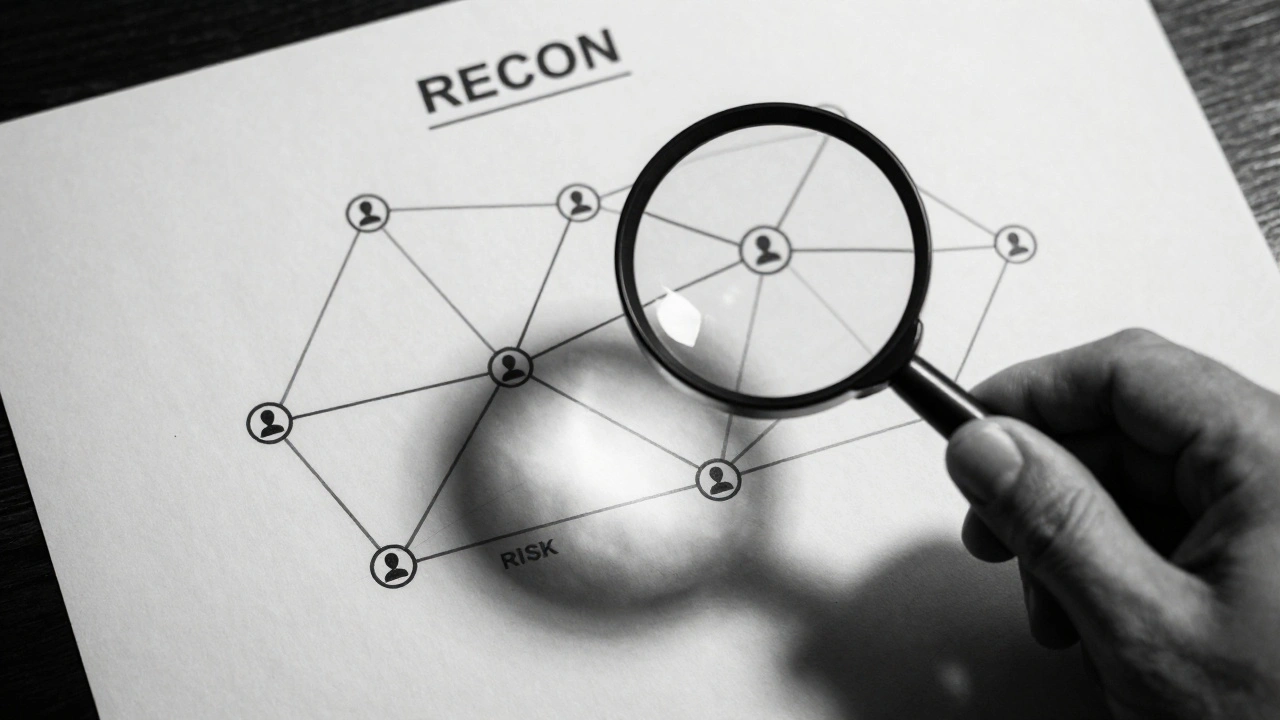
Not all stalking leads to violence, but the potential is real. Risk evaluation frameworks have evolved to incorporate violence propensity assessment. The RECON stalker typology is unique because it stratifies risk based on known behavioral phenomena. Another key tool is the Stalking and Harassment Assessment and Risk Profile (SHARP), a web-based assessment that develops detailed risk profiles for specific cases. These tools recognize that stalking rarely occurs in isolation. Data shows that 17% of stalkers face assault charges and 16% face charges for violating orders of protection. This indicates that escalation to violent or contemptuous behavior is a significant clinical concern.
Implications for Intervention
Understanding these typologies directly impacts how we intervene. A "one-size-fits-all" approach fails because different motivations require different treatments. Rejected stalkers may benefit from interventions addressing relationship acceptance and loss processing. Predatory stalkers present immediate safety threats requiring protective measures and potential incarceration. Incompetent suitors might respond to social skills training. Intimacy-seeking stalkers need mental health treatment to address underlying delusional systems. Resentful stalkers require interventions that tackle revenge motivation and perceived injustice narratives. Effective prevention requires accurate classification to match the right intervention to the specific stalker's motivation and risk factors.
What is the difference between a rejected stalker and an intimacy-seeking stalker?
A rejected stalker targets someone they previously had a close relationship with, such as an ex-partner, and is motivated by the pain of rejection or desire for revenge. An intimacy-seeking stalker targets a stranger or acquaintance, driven by a delusional belief that the victim loves them or that a romantic connection already exists, despite no prior meaningful relationship.
Which stalker typology poses the highest risk of sexual assault?
Predatory stalkers pose the highest risk of sexual assault. Their behavior is rooted in deviant sexual interests and often involves surveillance and information-gathering as precursors to sexual violence. Unlike other types who may use stalking for emotional gratification or revenge, predatory stalkers actively seek sexual access.
How does the RECON typology differ from others?
The RECON stalker typology was specifically developed to separate stalkers into groups based on known risk factors for violence. While other systems like Zona's or Mullen's focus on descriptive characteristics, RECON emphasizes risk stratification, making it particularly useful for law enforcement and forensic assessments focused on predicting dangerous behavior.
Can cyberstalking escalate to physical violence?
Yes. Research indicates that even when stalking behavior remains exclusively online, it generates significant fear and frequently escalates into in-person contact. Digital platforms provide stalkers with easy access to location data and communication channels, bridging the gap between virtual harassment and physical threats.
What role does mental illness play in stalking?
Mental illness plays a significant role in certain typologies, particularly resentful and intimacy-seeking stalkers. Resentful stalkers may have paranoid delusions about being mistreated, while intimacy-seeking stalkers often suffer from erotomania, believing falsely that their target loves them. However, not all stalkers have mental illnesses; some, like predatory stalkers, may have antisocial traits rather than psychotic disorders.