The goal isn't to magically name a suspect, but to narrow the field. Instead of looking at every person in a city, investigators can focus on a specific age group, employment type, or psychological profile. It turns a needle-in-a-haystack search into a targeted operation.
The Foundation of Behavioral Evidence Analysis
To get a reliable lead, many experts use Behavioral Evidence Analysis (BEA). This isn't about gut feelings; it's a structured process that turns physical evidence into psychological traits. Think of it as an equation: Action + Inference = Characteristic.
The process usually unfolds in four distinct stages:
- Action-Characteristics Equation: Analysts look at what the offender did and ask *why* they did it that way. This reveals their intellect, their emotional state, and whether they had specialized skills or prior knowledge of the area.
- Victimology: This is the study of the victim. By analyzing the victim's age, habits, and routines, profilers determine the "risk level" of the target. Did the killer pick someone easy to snatch, or did they target someone high-risk? This tells us a lot about the offender's boldness and planning.
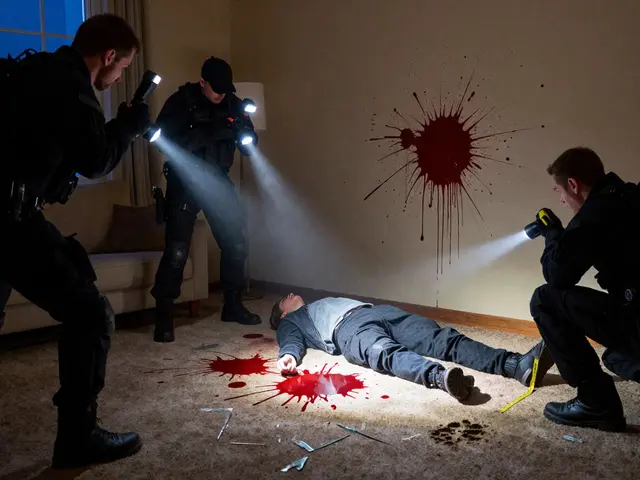
- Crime Scene Characteristics: Here, the focus shifts to the "how." How did the offender enter? How did they control the victim? Were there precautionary acts, like wearing gloves or cleaning the scene? These details separate the impulsive amateur from the calculating professional.
- Offender Characteristics: This is where all the pieces click together. The analyst looks for themes across the previous stages to build a personality sketch.
Organized vs. Disorganized: The American Approach
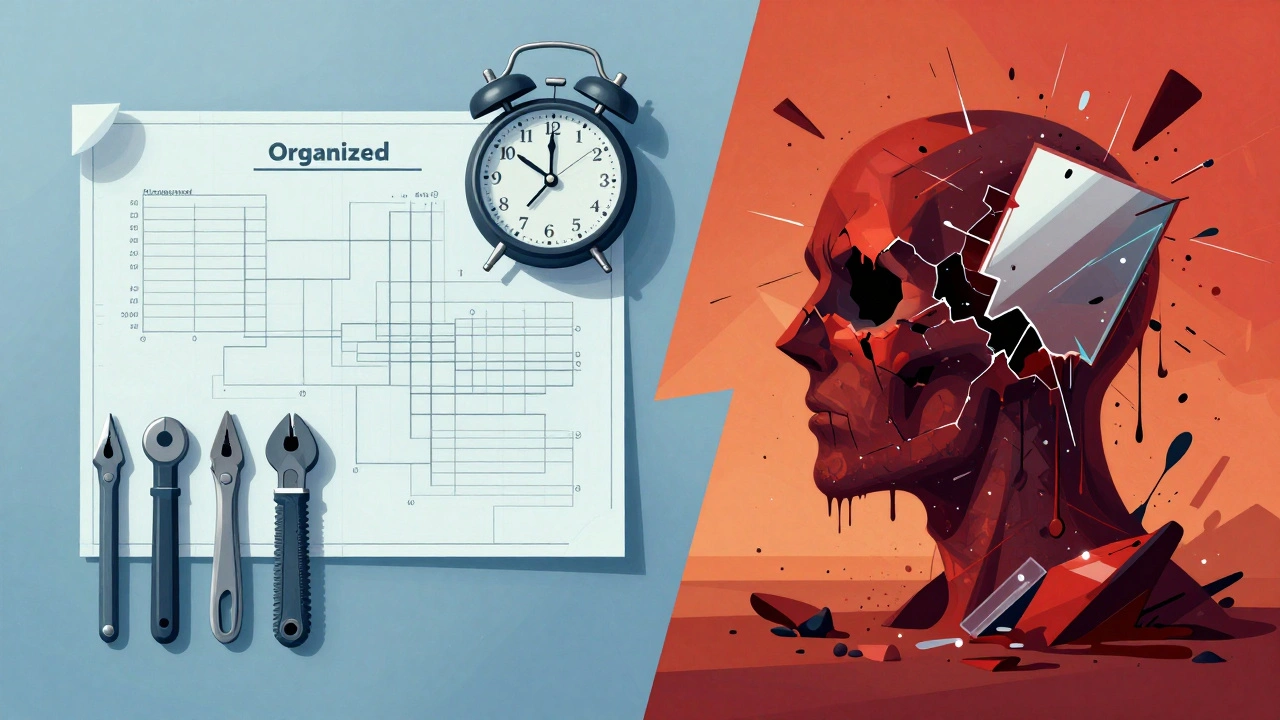
In the US, the FBI often employs a "top-down" approach. This method categorizes offenders into two primary types: organized and disorganized. While most criminals fall somewhere in between, these categories provide a helpful starting point for investigators.
| Feature | Organized Offender | Disorganized Offender |
|---|---|---|
| Planning | High; crime is carefully planned | Low; crime is impulsive or chaotic |
| Crime Scene | Clean; evidence is removed | Messy; evidence is left behind |
| Victim Selection | Specific target; often a stranger | Random target; often someone nearby |
| Social Skills | Generally socially competent | Often socially awkward or isolated |
| Intelligence | Typically higher intelligence | Often lower or impaired intelligence |
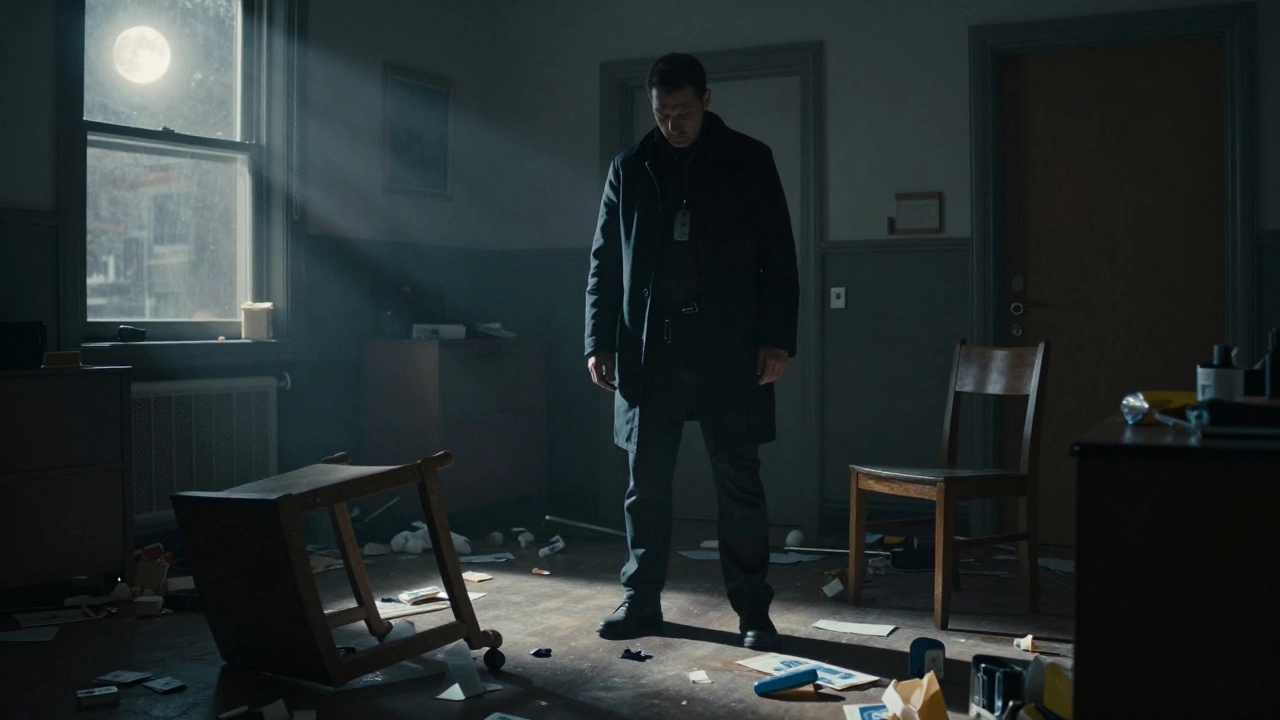
An organized offender might spend weeks stalking a victim, choosing the perfect moment to strike and carefully cleaning the scene afterward. A disorganized offender, however, might snap in a moment of rage, using whatever weapon was closest at hand and fleeing the scene in a panic, leaving a trail of clues.
Defining the Modus Operandi and the Signature
One of the biggest mistakes people make-thanks to TV shows-is confusing the Modus Operandi (MO) with the signature. In real-world behavioral analysis, these are two very different things.
The MO is the "how." It is the set of functional actions a criminal takes to complete the crime and avoid capture. For example, using a specific type of zip-tie to bind a victim is part of the MO. The MO can change over time; a criminal gets better, faster, and more efficient as they "practice."
The signature, however, is the "why." It is a ritualistic behavior that is not necessary to complete the crime but serves a psychological need. If a perpetrator poses a body in a specific way or leaves a certain object at the scene, that is a signature. Unlike the MO, the signature remains remarkably consistent because it satisfies a deep-seated fantasy or emotional urge.
Turning a Profile into an Arrest
Once a profile is developed, it isn't just a piece of paper-it's a tool for the rest of the investigation. Profilers generally focus on three main tasks to help put a suspect behind bars.
First, they provide sociodemographic leads. They might suggest that the suspect is likely a white male in his late 30s, who lives alone and works in a job that allows him to move around the city unnoticed, such as a delivery driver. This allows police to filter through thousands of potential suspects and focus on a few dozen.
Second, they predict what the suspect might have in their possession. If the profile suggests a "trophy-taking" personality, investigators know to look for items stolen from the victims during a search of the suspect's home or vehicle.
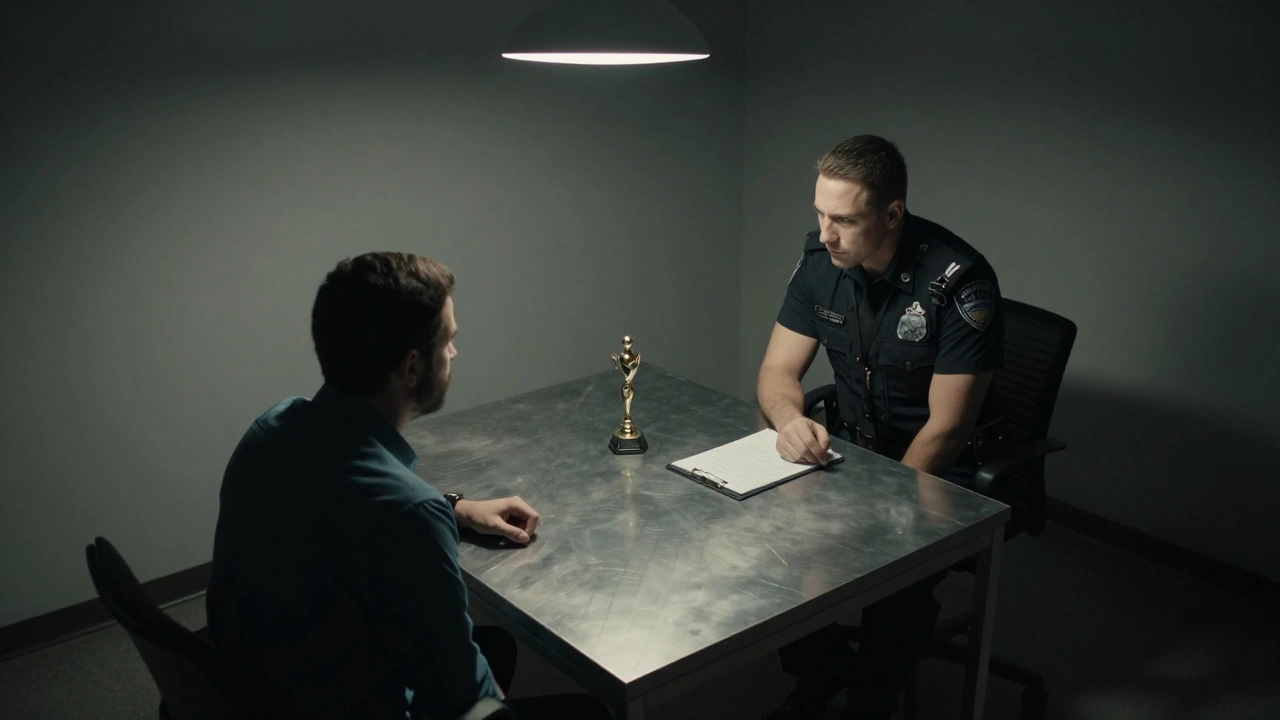
Third, they guide the interrogation. This is where forensic psychology becomes critical. Not every suspect responds to the "bad cop" routine. Some offenders, especially those with narcissistic traits, respond better to a conversational tone where they feel they are in control of the narrative. Others may only crack under aggressive, unrelenting pressure. The profile tells the detective which key will unlock the suspect's confession.
Practical Application and Limitations
While profiling is a powerful tool, it's not a magic wand. It's an educated guess based on patterns. The most effective profiling happens when it's integrated with hard science. For instance, when a behavioral profile suggests the killer has a specific professional skill, and the medical examiner confirms the precision of the wounds, the lead becomes actionable intelligence.
It's particularly vital in serial cases. Because serial offenders exhibit consistent patterns across different scenes, analysts can spot the "evolution" of the criminal. They can see the MO becoming more refined while the signature remains static, allowing them to link crimes that may have occurred months or years apart in different jurisdictions.
Is criminal profiling the same as forensic psychology?
Not exactly. Forensic psychology is the broader scientific study of psychological issues related to the legal system. Criminal profiling is a specific application of that science, focusing on using behavioral evidence from a crime scene to identify the likely traits of an unknown perpetrator.
Can a criminal change their MO?
Yes, the Modus Operandi often evolves. As an offender commits more crimes, they learn from their mistakes, find more efficient ways to control victims, or adapt to new security measures. However, their psychological "signature" usually remains constant.
How accurate are these profiles?
Profiles are not intended to provide a name and address. They are probabilistic. Their primary value is in narrowing the suspect pool and guiding interrogation strategies rather than providing a definitive identity.
What is the most important part of victimology?
The most critical part is determining the victim's risk level. By understanding the victim's lifestyle and routines, profilers can infer whether the offender targeted them specifically or if the victim was simply in the wrong place at the wrong time, which tells us a lot about the killer's planning and boldness.
Do all killers fit into organized or disorganized categories?
No. While the FBI uses these as baseline typologies, many offenders are "mixed." They might plan the approach (organized) but leave the scene in a state of total chaos (disorganized). The categories are tools for analysis, not rigid boxes.
Next Steps for Investigators
If you're applying these concepts to a case, start by separating the evidence into "functional" (MO) and "emotional" (Signature) categories. Once you've established the victim's risk level, look for the gaps-what *didn't* happen at the crime scene? Often, the absence of a typical behavior is just as telling as the presence of one.
For those moving from the profiling stage to the interrogation stage, remember that the profile is a guide, not a rulebook. Be prepared to pivot your strategy if the suspect's real-time reactions contradict the behavioral expectations. The goal is always the same: use the evidence to drive the truth out of the suspect.