Walking into a crime scene isn't like walking into a house. It's walking into a puzzle where the pieces are fragile, invisible, and time-sensitive. If you've ever wondered what actually happens in those first critical minutes after an alarm goes off or a body is found, you're not alone. Most people picture dramatic moments from TV shows, but the reality is methodical, quiet, and strictly procedural. The goal isn't just to find clues; it's to preserve them so they can stand up in court later.
A scene walkthrough is the systematic initial assessment of a crime location by law enforcement and forensic specialists to identify, document, and collect physical evidence. This process determines whether a case moves forward or stalls due to lost data. For investigators, the first hour is often the most valuable window for gathering volatile evidence like blood spatter patterns, footprints, or digital traces on devices left behind.
The Critical First Steps: Securing and Triage
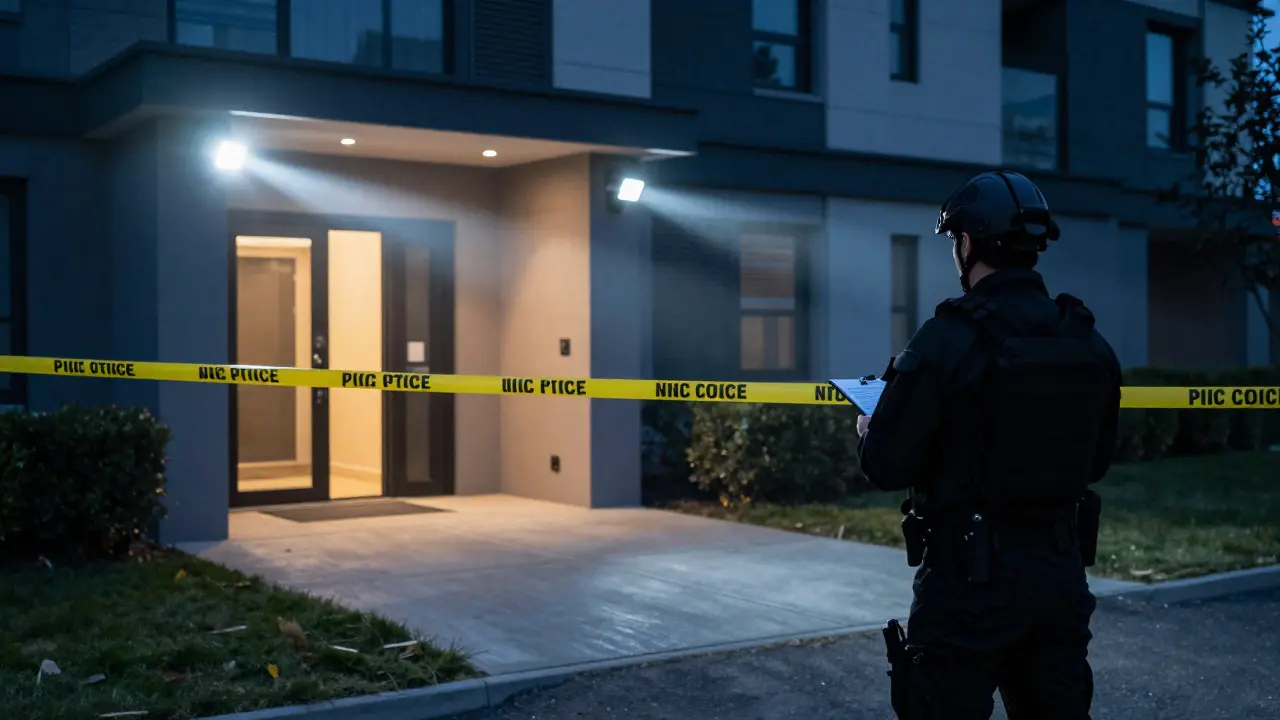
Before any camera clicks or gloves go on, the scene must be secure. This sounds simple, but it's where many investigations fail. If neighbors peek through windows or paramedics move a victim without noting their position, the context is gone. Investigators establish perimeter lines immediately, usually using yellow tape, to control who enters and exits. Every person who crosses that line gets logged in a scene logbook. Why? Because if a defense attorney asks, "Who else touched the evidence?" you need a paper trail that proves only authorized personnel did.
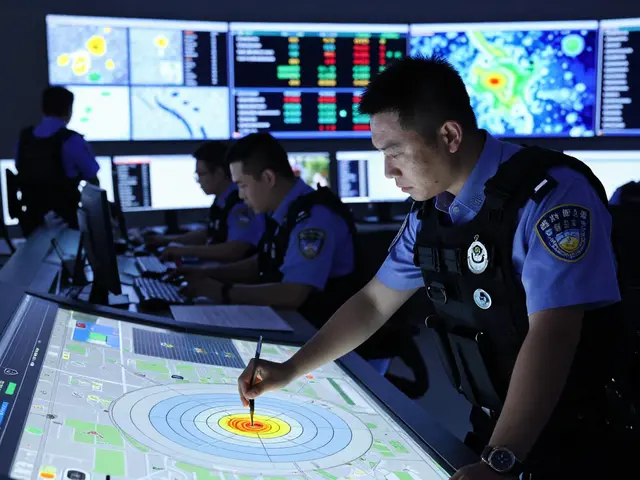
Once the perimeter is set, the lead investigator performs a triage walk-through. This isn't about collecting anything yet. It's about looking. They scan the room for obvious signs of struggle, entry points, or hazards. They check for heat, light, or wind conditions that might affect biological evidence. In outdoor scenes, weather is a major factor; rain can wash away tire tracks within minutes. In indoor scenes, HVAC systems can spread dust and fibers across the entire space. Recognizing these environmental factors early helps decide which areas need immediate protection versus which can wait for detailed processing.
Documentation Before Collection
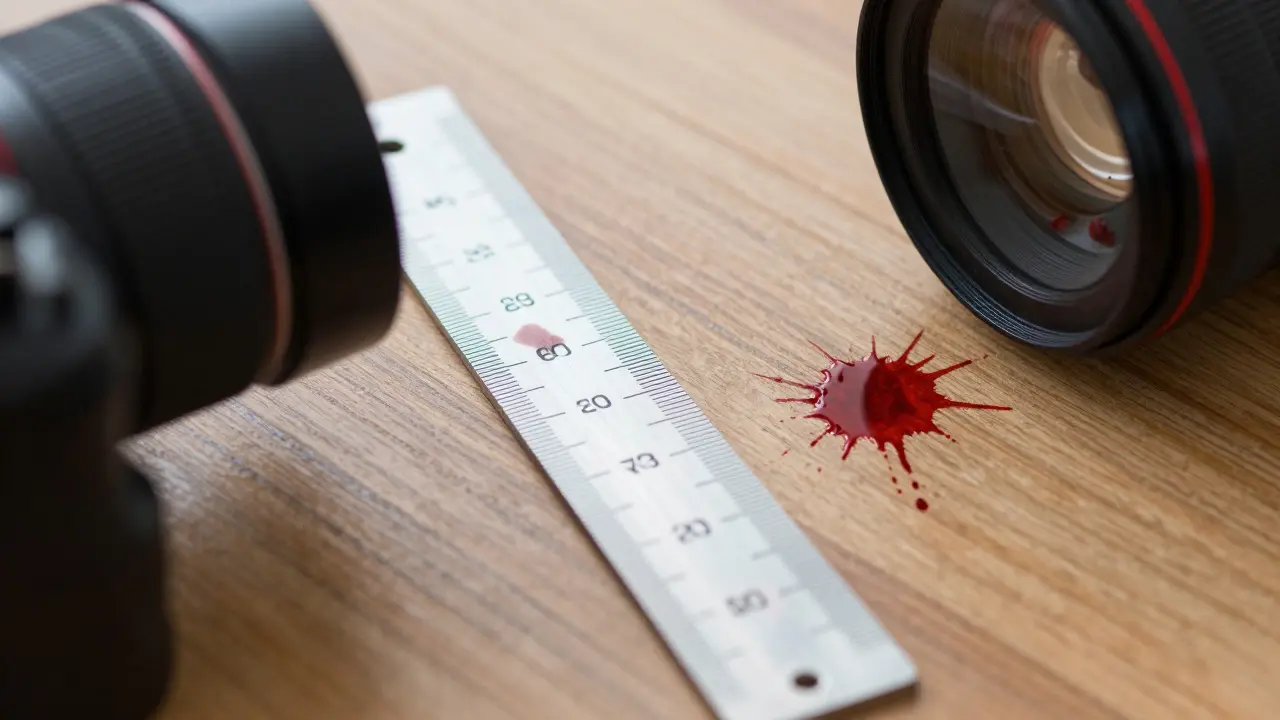
Here’s a rule that trips up even experienced officers: document before you touch. If you pick up a knife before photographing its exact position relative to a doorframe, you lose spatial context. Forensic photographers use a scale ruler in every close-up shot to prove size and distance. They also take wide-angle shots of the entire room and mid-range shots of specific areas. These photos create a visual map that allows experts to reconstruct the scene months later without being physically present.
Sketches are still vital. While photos show what things look like, sketches show where they are. A rough floor plan with measurements between key items-like the distance from a bullet hole to a witness's reported standing position-provides mathematical proof. Digital mapping tools now allow investigators to create 3D models of the scene, but the fundamental principle remains: measure everything twice. Errors in measurement can lead to incorrect conclusions about shooter angles or movement paths.
Identifying and Collecting Physical Evidence
Once documented, collection begins. This phase requires different tools for different types of evidence. Here is how investigators approach common categories:
- Biological Evidence: Blood, hair, and skin cells are collected using sterile swabs or forceps. Contamination is the biggest risk here. Investigators wear fresh gloves for each new area and avoid touching surfaces that might contain DNA. If a stain is dry, it's scraped carefully; if wet, it's swabbed and air-dried naturally to prevent bacterial growth.
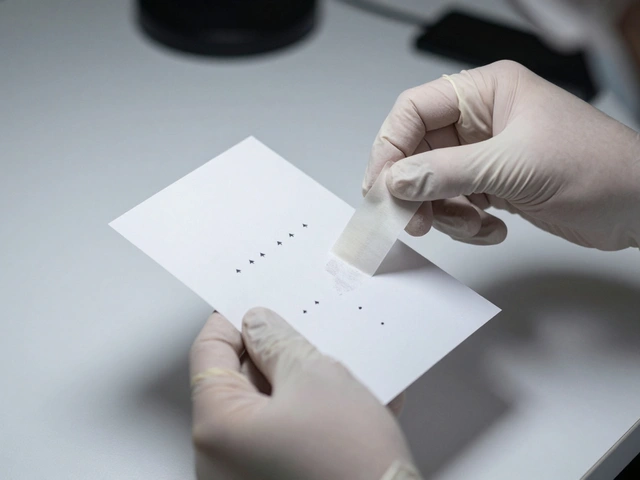
- Fingerprints and Latent Prints: Powdering techniques are used for visible prints, while chemical fuming (like cyanoacrylate) reveals hidden prints on non-porous surfaces like glass or plastic. These prints are lifted onto specialized cards for later comparison in databases like AFIS.
- Trace Evidence: Fibers, paint chips, soil, and glass fragments are tiny but powerful. They link suspects to victims or vehicles to crash sites. Investigators use tweezers and tape lifts to collect these micro-particles, placing them in paper envelopes rather than plastic bags to allow moisture to escape.
- Firearms and Ballistics: Guns are handled with extreme care to preserve fingerprints. Bullets and casings are picked up individually to maintain their unique striations, which can match a specific firearm barrel.
Each item gets a unique evidence tag. This tag includes the case number, date, collector's name, and a description. The chain of custody starts here. From this moment until the evidence hits the courtroom, every transfer must be recorded. A broken chain of custody can result in evidence being thrown out, no matter how compelling it seems.
Digital Forensics and Modern Challenges
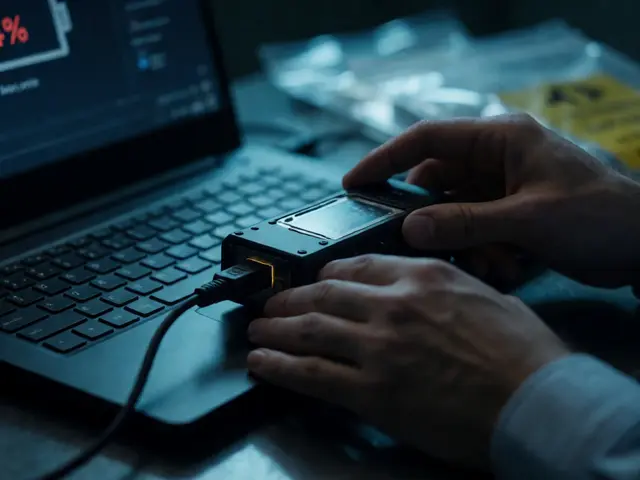
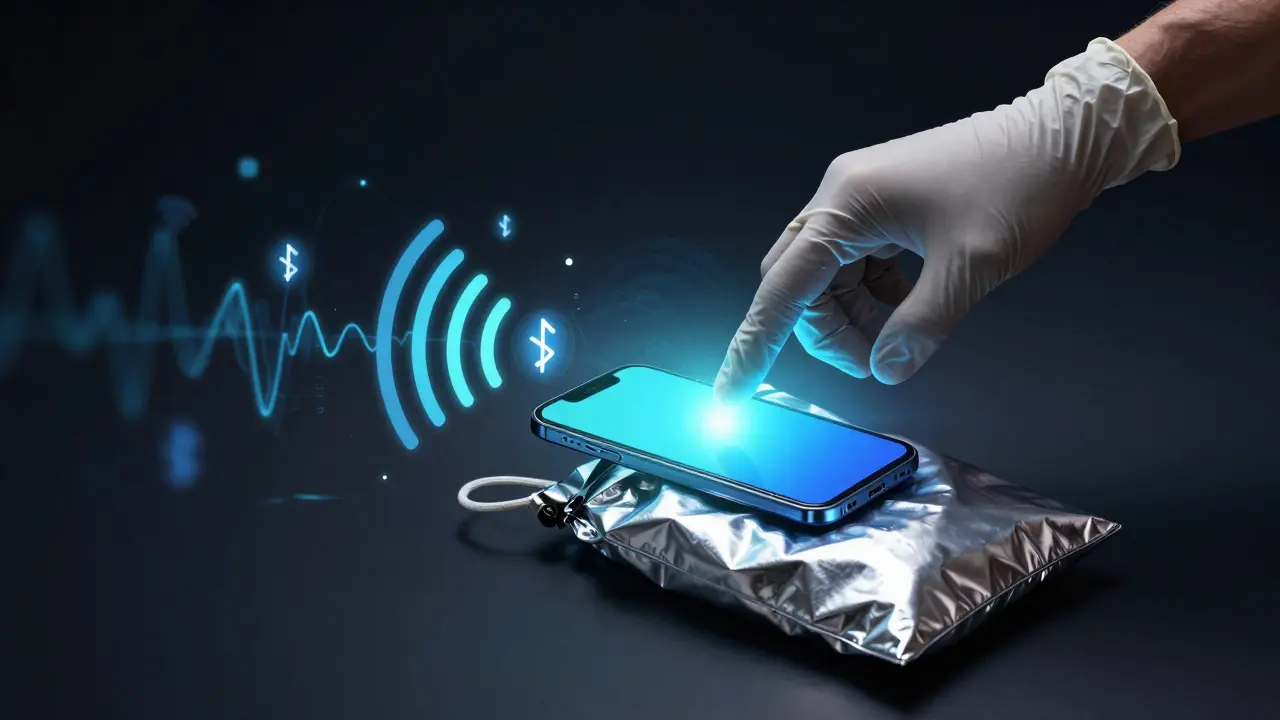
Modern crime scenes aren't just physical; they're digital. Smartphones, smart home devices, and security cameras are now standard exhibits. Investigators don't just look for a dropped phone; they look for Wi-Fi logs, Bluetooth connections, and cloud backups. However, handling digital evidence requires special precautions. Static electricity can damage hard drives, so investigators use Faraday bags to block radio signals and prevent remote wiping of phones. This step is crucial because a suspect might try to erase data from miles away once they realize their device has been seized.
Another modern challenge is the "smart home." Smart locks record who entered and when. Video doorbells capture faces. These devices hold timestamps that can corroborate or contradict witness statements. Investigators now coordinate with IT specialists early in the walkthrough to ensure these digital trails are preserved alongside physical ones.
Common Pitfalls and How to Avoid Them
Even with strict protocols, mistakes happen. Understanding common errors helps anyone involved in scene management stay alert.
| Mistake | Consequence | Corrective Action |
|---|---|---|
| Moving objects before photographing | Loss of spatial context | Photograph and sketch all positions before touching anything |
| Using plastic bags for biological evidence | Mold and DNA degradation | Use paper envelopes or breathable containers |
| Failing to log all entrants | Chain of custody challenges | Maintain a strict sign-in/out log for all personnel |
| Ignoring environmental factors | Evidence washed away or degraded | Cover scenes with tarps or tents if weather is active |
Contamination is another silent killer of cases. If an investigator wears the same shoes from the street into the living room, they might track outside soil inside, confusing the analysis. Changing outerwear and footwear at the perimeter is a small habit that saves hours of lab work later.
From Scene to Lab: Handoff Protocols
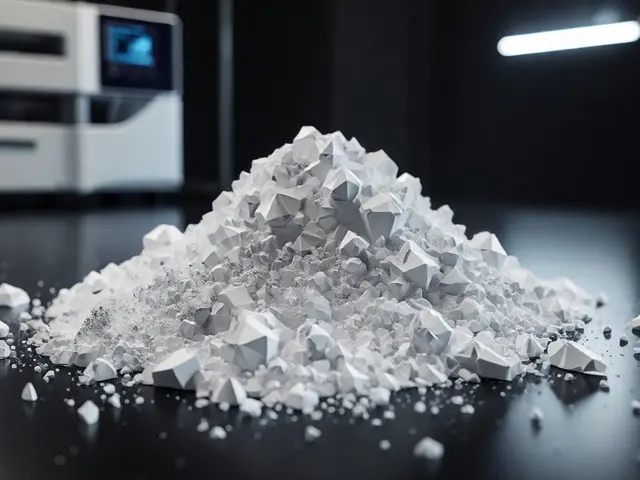
The walkthrough doesn't end when the last piece of evidence is bagged. It ends when the evidence is safely transferred to the forensic laboratory. This handoff requires a formal meeting between the field investigator and the lab technician. Both parties verify the count and condition of the items. The lab then performs preliminary tests to determine if further analysis is needed. For example, a suspected drug sample might undergo a presumptive test in the field, but definitive identification requires GC-MS (Gas Chromatography-Mass Spectrometry) in the lab.
This transition highlights why the initial walkthrough matters so much. If the field team mislabels a vial or mixes up two similar-looking samples, the lab results will be wrong, and the case could collapse. Precision in the first few hours sets the tone for the entire legal process.
Frequently Asked Questions
How long does a typical crime scene walkthrough take?
It varies widely. A simple theft scene might take 1-2 hours, while a complex homicide with multiple rooms and outdoor components can take 8-12 hours or more. The time depends on the amount of evidence, the complexity of the layout, and weather conditions.
Who is allowed to enter a secured crime scene?
Only essential personnel: the lead investigator, forensic technicians, medical examiners, and sometimes prosecutors or judges. Everyone else, including curious officers or media, stays outside the perimeter unless specifically called in.
Why do investigators use paper bags instead of plastic for some evidence?
Biological evidence like blood or hair needs to breathe. Plastic traps moisture, which promotes mold growth and degrades DNA. Paper allows air circulation, keeping the sample stable for lab analysis.
What happens if a suspect wipes down a surface before police arrive?
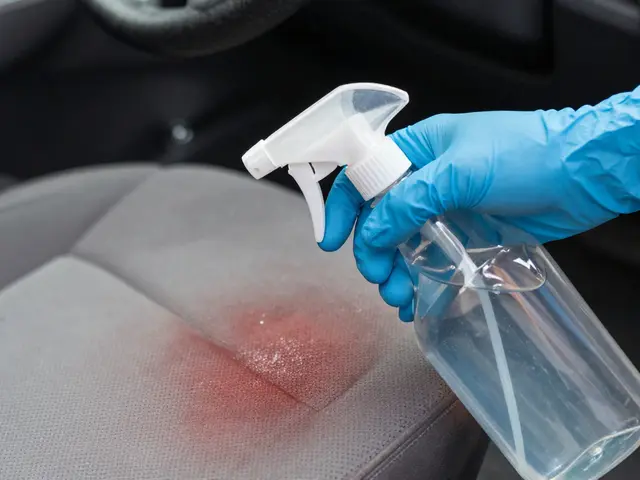
Wiping rarely removes all evidence. It often smears blood or leaves behind microscopic fibers and partial fingerprints. Investigators look for drag marks, uneven cleaning patterns, and residual traces that indicate tampering.
Do digital devices need special protection during a scene walkthrough?
Yes. Phones and tablets should be placed in Faraday bags or airplane mode to prevent remote deletion. Laptops should not be turned off abruptly, as this can corrupt data; instead, they are imaged using write-blockers to preserve the exact state of the drive.