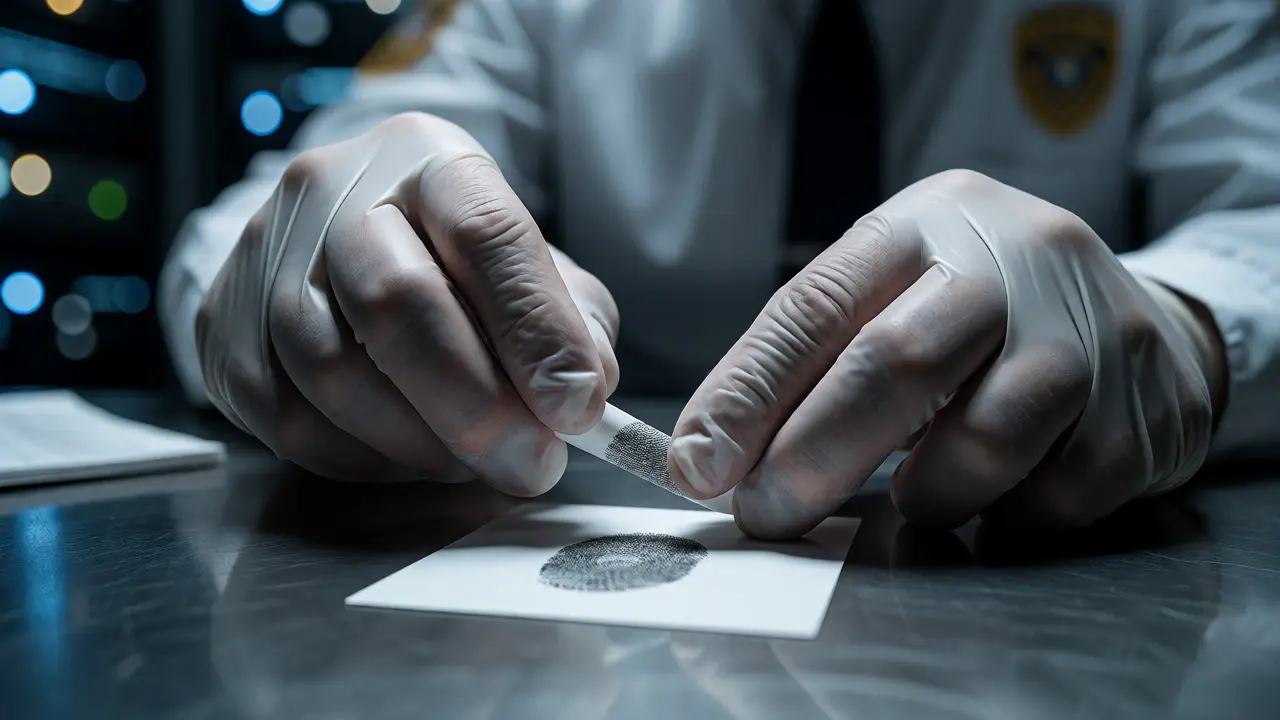
You’ve probably seen it in every police procedural show ever made. A detective slaps a suspect’s hands on a table, takes their prints, and ten minutes later, the computer spits out a name. It looks like magic. But behind that screen is one of the most massive and complex data systems in the world: the FBI database known as the Integrated Automated Fingerprint Identification System (IAFIS). If you’re wondering how law enforcement actually accesses this national fingerprint repository, or if you’re trying to run a background check for a job application, the process isn’t quite as simple as pressing "Enter."
Here’s the reality: the FBI doesn’t just have one database. They manage a ecosystem of biometric records that serve different purposes depending on who is asking and why. For most civilians, accessing these records means navigating a specific legal framework called the Privacy Act. For agencies, it involves secure network connections and strict protocols. Let’s break down exactly what this repository holds, who can touch it, and how you can get your own set of eyes on the data.
What Exactly Is in the National Fingerprint Repository?
When people say "the FBI database," they are usually referring to the Next Generation Identification (NGI) system, which replaced the older IAFIS in phases starting around 2011. Think of NGI as the current operating system for federal biometrics. It doesn’t just store fingerprints; it stores a digital profile of your identity.
The core component remains the fingerprint record. When an arrest happens, local police take ten-print cards-inked impressions of all fingers-and scan them into the system. These aren’t just images; they are mathematical representations of ridge patterns, minutiae points, and pore details. But NGI goes further. It includes:
- Palm Prints: Often overlooked, palm patterns provide a larger surface area for matching, reducing false positives.
- Rapid DNA: While not fully automated nationwide yet, the capability to link DNA profiles to fingerprint records is expanding.
- Iris Scans: Used primarily by border patrol and military contexts but integrated into the broader biometric view.
- Criminal History Records: The metadata attached to the print-arrest dates, charges, dispositions, and sentencing.
The sheer scale is staggering. As of recent updates, the repository holds over 80 million criminal history records and more than 400 million fingerprint submissions. This isn't just a list of bad guys; it's a historical archive of interactions with the justice system across the United States.
Who Can Actually Access These Records?
This is where confusion usually sets in. You might think that because the FBI collects the data, anyone can look it up. That’s wrong. Access is tiered based on legal authority and purpose. There are three main groups who interact with the repository:
Law Enforcement Agencies (LEAs): Police departments, sheriffs’ offices, and state bureaus have direct access via the Criminal Justice Information Services (CJIS) Division. They use it for investigative purposes. If a detective finds a latent print at a crime scene, they upload the image to NGI. The system searches the entire database for a match. This is a live query. The agency sees the result immediately, often within seconds or minutes, depending on server load.
Government Agencies: Other federal entities, like the Department of Defense or immigration services, have access for specific regulatory reasons. For example, verifying the identity of someone applying for a security clearance or entering the country.
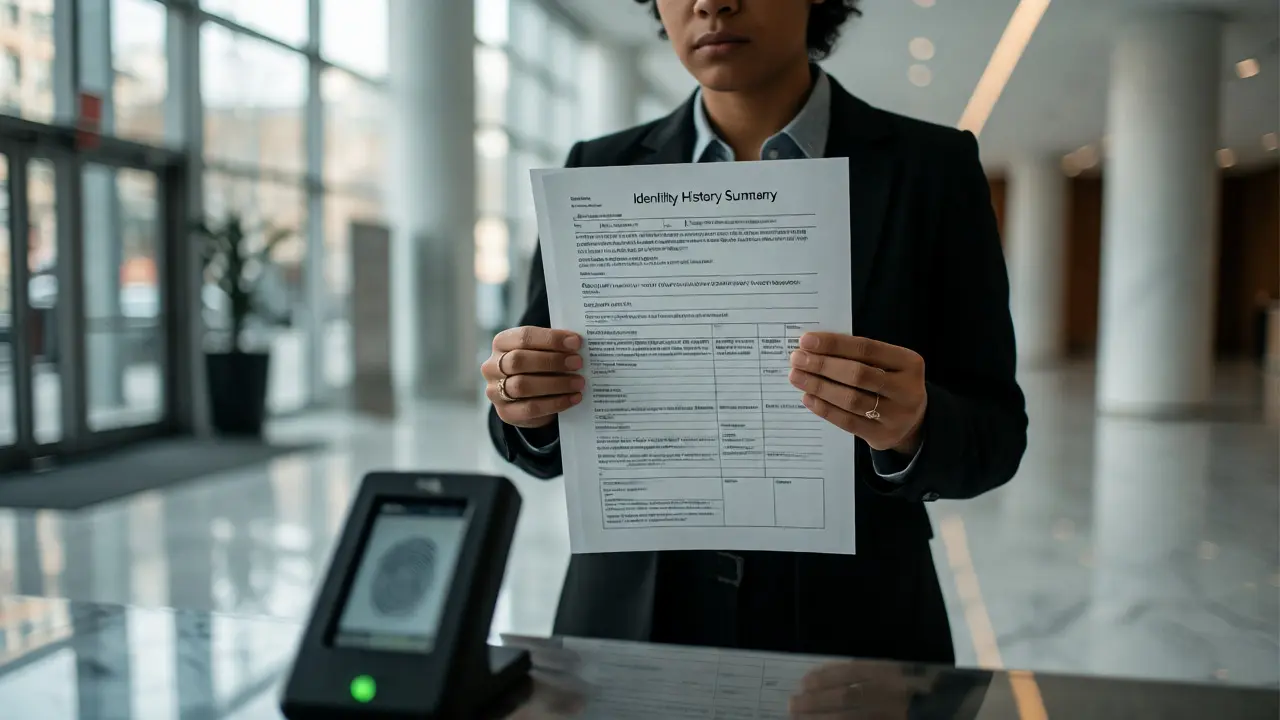
Individuals (You): Yes, you can see your own record. Under the Privacy Act of 1974, you have the right to request a copy of your own criminal history information from the FBI. This is commonly known as an "Identity History Summary" or a "Rap Sheet." However, you cannot browse other people’s records casually. You can’t log in and look up your neighbor’s arrests unless you go through a formal legal discovery process or hire a licensed private investigator who has authorized access.
How to Request Your Own FBI Background Check
If you need this for a job, visa, or adoption, you don’t call the FBI directly. You go through a designated channel. Here is the step-by-step process for obtaining your Identity History Summary.
- Submit Fingerprints: You must have your fingerprints taken. You can do this at a post office, a police station, or a private vendor approved by the FBI. They will give you a card (FD-258) or a digital file.
- Choose Your Method: The FBI offers two ways to submit your request: electronic or paper.
- Electronic: Faster. You pay online, upload the digital fingerprint file, and receive results in 3-5 business days.
- Paper: Slower. You mail the physical card and a check. Processing takes 12-15 weeks.
- Pay the Fee: As of 2026, the fee is approximately $18 per person. Prices are subject to change, so always check the official CJIS website before sending money.
- Receive Results: You’ll get a document listing any arrests recorded in the federal system. Note: This only shows arrests that were reported to the FBI. Local misdemeanors handled entirely by city courts might not appear if they weren’t entered into the state system that feeds the FBI.
A common pitfall? Assuming this report covers everything. It doesn’t. It’s a federal snapshot. If you want a comprehensive view, you often need to pair this with state-level checks.

The Technical Backbone: How Matching Works
Ever wonder how the computer knows it’s you? It’s not looking at pictures like a human does. It’s using algorithms. The Automated Fingerprint Identification System (AFIS) breaks down each print into unique features called minutiae. These are places where ridges end or split.
The system compares the spatial relationship between these points. It calculates angles and distances. If the math aligns within a certain confidence threshold, it flags a candidate. But here’s the catch: the machine doesn’t make the final decision. A trained examiner reviews the top candidates. This human-in-the-loop approach prevents errors caused by poor quality scans or smudged ink.
| Search Type | Input Data | Primary User | Timeframe |
|---|---|---|---|
| Ten-Print Match | Full set of rolled and flat prints | Booking Officers / Civilians | Seconds to Minutes |
| Latent Print Search | Partial print found at scene | Detectives / Forensic Examiners | Minutes to Hours |
| Unidentified Decedent | Post-mortem prints | Medical Examiners | Hours to Days |
Latent print searches are harder. Crime scene prints are often partial, distorted, or overlapped. The algorithm struggles more here, which is why forensic experts spend hours manually comparing features when the automated hit rate is low.
Privacy Concerns and Legal Restrictions
Having your face and fingers in a national database raises eyebrows. And rightly so. The Fourth Amendment protects against unreasonable searches, but biometric data sits in a gray area. Once you’ve been arrested, your biometric data becomes part of the public interest in maintaining safety.
However, misuse is a real risk. In 2024, several states passed stricter laws regarding how long non-conviction records stay in the system. Some jurisdictions now automatically purge arrest records if no conviction follows within a set period. The FBI follows federal guidelines, which generally keep records indefinitely unless a pardon or expungement order is issued.
Another issue is accuracy. False matches happen. In high-pressure investigations, confirmation bias can lead examiners to see what they expect to see. To combat this, the FBI implemented blind verification protocols, where a second examiner reviews the match without knowing the first examiner’s conclusion.
Beyond Fingerprints: The Rise of Multimodal Biometrics
Fingerprints are great, but they fail when gloves are worn or when fingers are burned. That’s why the FBI is moving toward multimodal identification. This means combining fingerprints with facial recognition and iris scans. If your finger print is unclear, the system might pull a facial match from mugshot databases linked to the same identifier.
This integration creates a richer profile. It reduces the chance of impersonation. Imagine a suspect changing their appearance after arrest. Their face changes, but their iris pattern remains stable. By linking these biometrics, the repository becomes resilient against superficial disguises.
For the average citizen, this means background checks are becoming more robust. Employers using third-party screening services may start seeing discrepancies flagged by cross-referencing multiple biometric sources. It’s a double-edged sword: better accuracy, but less room for error in your personal history.
Troubleshooting Common Access Issues
If you’re trying to access the database or understand a report, here are quick fixes for common problems:
- No Record Found: Did you only have minor traffic stops? Those often don’t enter the federal system. Check county court records instead.
- Name Mismatch: Ensure your name on the fingerprint card matches your ID exactly. Middle names matter. Typos cause delays.
- Rejected Fingerprints: If your prints are too light or dark, the system rejects them. Go back to the vendor and ask for a re-take. Do not try to fix it yourself.
- Slow Processing: During peak hiring seasons (like January), processing times balloon. Plan ahead. Don’t wait until the day before your deadline.
Remember, the FBI database is a tool, not a crystal ball. It reflects what was reported, not necessarily what happened. Understanding its limits helps you interpret the data correctly, whether you’re a lawyer, a recruiter, or just curious about your own past.
Can employers access the FBI fingerprint database directly?
Generally, no. Most private employers cannot query the FBI database directly. They must hire a certified third-party vendor who submits your fingerprints to the FBI on your behalf and returns the results to you or the employer. Direct access is reserved for government agencies and specific regulated industries like healthcare or education, depending on state laws.
How long does an FBI background check take?
Electronic submissions typically take 3 to 5 business days. Paper submissions can take 12 to 15 weeks. Times vary based on volume and holidays. Always allow extra time if you have a tight deadline.
Does the FBI database include traffic tickets?
Usually, no. Simple traffic infractions that do not involve an arrest or fingerprinting are rarely entered into the federal criminal history system. They remain in local or state driving records. Serious offenses like DUIs involving arrest are included.
Can I delete my fingerprints from the FBI database?
You can petition for expungement if you were arrested but never convicted, or if the record is inaccurate. The process involves submitting a request to the CJIS Division with supporting legal documents. Approval is not guaranteed and can take months.
What is the difference between IAFIS and NGI?
IAFIS was the legacy system. NGI (Next Generation Identification) is the modern upgrade. NGI supports faster searches, higher accuracy, and additional biometric types like palms and irises. IAFIS has been phased out, though some people still use the term colloquially.