You walk into a crime scene. The floor is covered in dust, dirt, or snow. You see a clear shoe print. Now what? Do you pour plaster on it? Do you use tape? Or do you need something more delicate? Choosing the right method for footwear impression lifts can make or break your case. If you damage the print, you lose the class characteristics that link a suspect to the scene.
This guide breaks down the three main ways to capture footwear evidence: gel lifts, electrostatic lifting, and casting. We will look at when to use each one, the specific tools involved, and the common mistakes that ruin evidence integrity. Whether you are a rookie officer or a seasoned crime scene technician, understanding these methods ensures you preserve the story the shoes tell.
Why Method Selection Matters
Not all surfaces are created equal. A muddy footprint in soft soil behaves differently than a dusty print on hardwood. Using the wrong technique destroys the evidence before it even reaches the lab. For instance, trying to cast a dry, powdery dust print with plaster will wash away the details. Conversely, using a sticky gel lifter on wet mud will just smear the pattern.
The decision tree usually starts with two questions: Is the print visible or latent? And is the substrate porous or non-porous? Visible prints on smooth surfaces often call for lifting techniques. Latent prints might need chemical processing or casting if they are in three-dimensional media like snow or sand.
Gel Lifters: The Versatile Choice for Dusty Surfaces
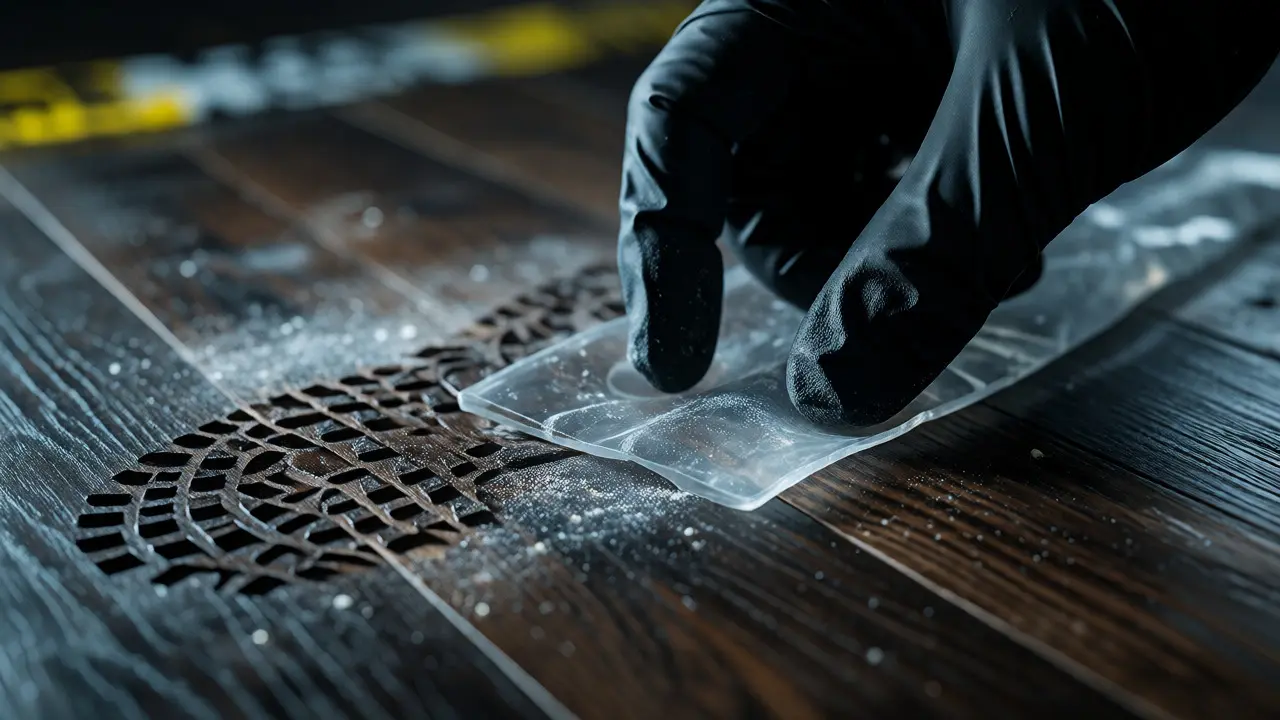
Gel lifters are flexible, rubber-like sheets made from polyurethane or similar materials. They are designed to pick up fine particulate matter, such as dust, pollen, or soil, from hard, smooth surfaces. Unlike traditional adhesive tapes, gel lifters have low tack initially but high adhesion once pressed against a surface. This allows them to grab loose particles without pulling up the underlying finish of the floor.
These tools are ideal for collecting trace evidence along with the footwear impression. If a suspect walked through a construction site, their shoes might carry drywall dust or sawdust. A gel lift captures both the tread pattern and this trace material. However, they struggle with oily residues or wet surfaces. The moisture prevents proper contact, leading to incomplete lifts.
To use a gel lifter effectively, you must first document the print with photography. Place a scale marker next to the impression. Then, gently press the gel sheet over the print, applying even pressure from the center outward. Peel it back slowly at a 180-degree angle. Once lifted, place the gel on its protective backing paper. Label it immediately. Never let the exposed side touch anything else.
Electrostatic Dust Print Lifting: Capturing Dry Particles
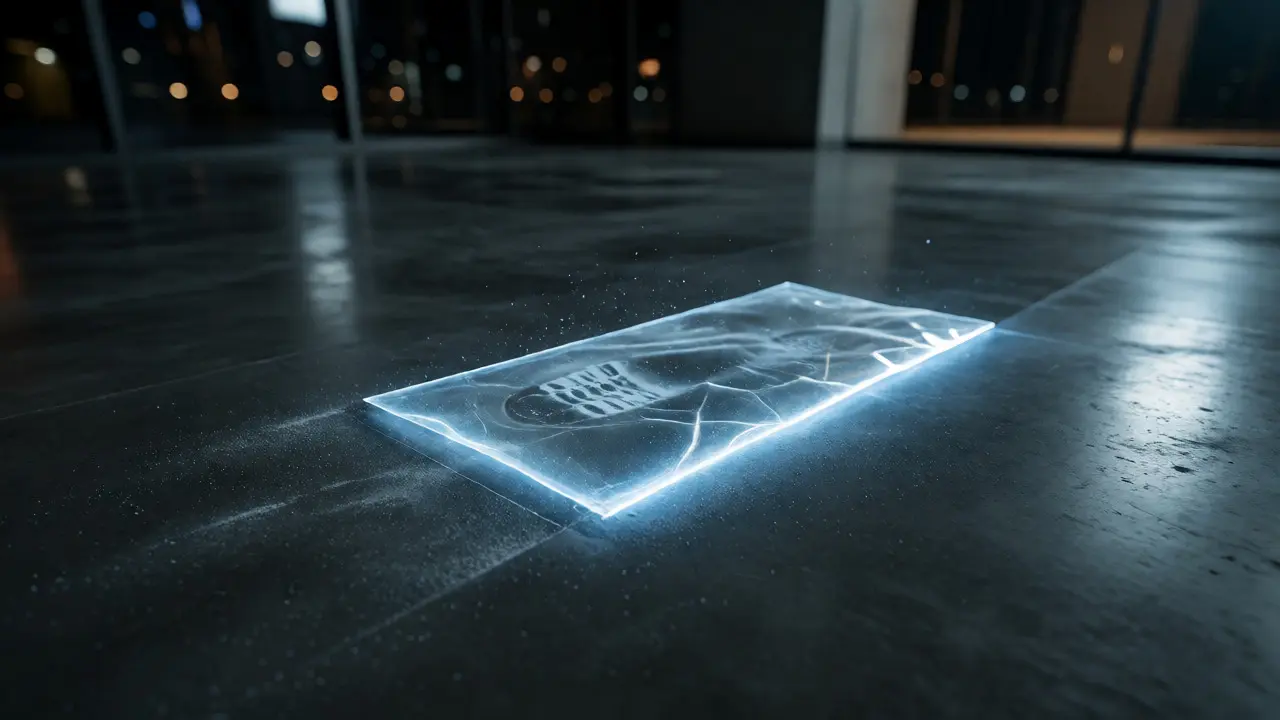
When dealing with light-colored dust on dark floors, standard lifting methods often fail. The contrast is poor, and adhesives can obscure the detail. This is where electrostatic dust print lifting shines. This technique uses an electrostatic charge to attract dry, loose particles onto a thin polymer film. It does not rely on stickiness; instead, it relies on physics.
The device consists of a power source, a metal plate, and a special lifting film. When activated, the film becomes negatively charged. It pulls positively charged dust particles upward from the floor. Because there is no adhesive residue left behind, this method preserves the original surface for further testing if needed. It is particularly effective on tile, linoleum, and polished concrete.
One major advantage of electrostatic lifting is its ability to recover faint prints that are invisible to the naked eye. Under certain lighting conditions, these devices can reveal patterns missed by visual inspection. However, they require a clean environment. Humidity above 60% significantly reduces effectiveness because moisture dissipates the static charge. Always check the weather or room humidity before deploying this equipment.
Casting Footwear Impressions: Preserving Three-Dimensional Detail
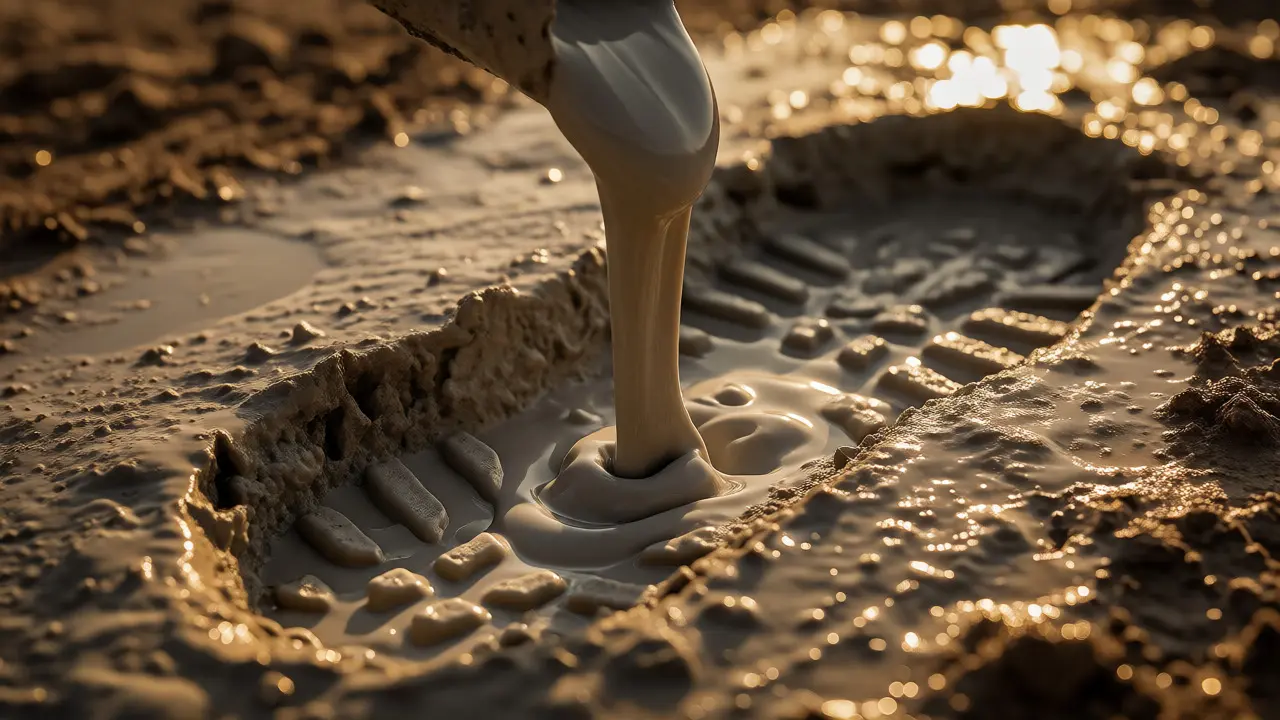
Sometimes, the print isn't just on the surface-it's inside it. Think of a shoe stepping into wet mud, snow, or damp sand. These are three-dimensional impressions. You cannot lift them with tape or gel. You must create a negative mold. This process is called casting footwear impressions. The most common material used is dental stone, a type of gypsum product that sets quickly and captures fine detail.
Dental stone is preferred over regular plaster of Paris because it is stronger and less prone to shrinking. It mixes with water to form a thick paste that flows into the crevices of the print. Before pouring, you must protect the impression from debris. If the print is in snow, use a cold-setting agent or spray fixative to prevent melting during the pour. For sandy areas, mist the area lightly with water to stabilize the grains.
The mixing ratio is critical. Too much water weakens the cast; too little makes it crumbly. Aim for a consistency similar to pancake batter. Pour the mixture from a height of about six inches. This helps eliminate air bubbles. Let it set for at least 30 minutes before removing. Once hardened, carefully brush away excess material. Photograph the cast in situ before lifting it out.
Comparing the Methods: Which One to Choose?
Selecting the right tool depends on the substrate and the nature of the deposit. Below is a breakdown to help you decide quickly in the field.
| Method | Best For | Limitations | Key Advantage |
|---|---|---|---|
| Gel Lifters | Dry dust, pollen, or soil on smooth, non-porous surfaces (glass, tile, painted wood). | Fails on wet, oily, or highly textured surfaces. Can distort deep grooves. | Captures trace evidence alongside the pattern; reusable with cleaning agents. |
| Electrostatic Lifting | Light-colored dust on dark, smooth floors (linoleum, vinyl, sealed concrete). | Ineffective in high humidity (>60%). Requires electricity/power source. | No adhesive residue; excellent for faint, low-contrast prints. |
| Casting (Dental Stone) | Three-dimensional impressions in mud, snow, sand, or soft soil. | Time-consuming; requires mixing and setting time; heavy to transport. | Preserves depth and full tread geometry; durable for long-term storage. |
Step-by-Step Protocol for Field Success
Regardless of the method chosen, the initial steps remain consistent. Skipping documentation is the number one cause of inadmissible evidence in court. Follow this sequence to ensure chain-of-custody integrity.
- Photograph First: Take overall, mid-range, and close-up photos. Include a scale marker in every close-up shot. Use oblique lighting to enhance texture visibility.
- Assess the Substrate: Touch the surface gently (with gloved fingers) to determine porosity and moisture content. Decide on the method based on your assessment.
- Prepare the Tool: Mix dental stone if casting. Charge the electrostatic unit. Cut gel lifters to size.
- Apply the Method: Execute the lift or pour according to manufacturer instructions. Avoid disturbing surrounding areas.
- Label and Package: Mark the date, time, location, and collector’s name on the evidence tag. Seal in appropriate containers-rigid boxes for casts, flat envelopes for lifts.
Remember, contamination is a constant threat. Change gloves between different types of evidence. If you handle a bloody glove after taking a footprint cast, you risk transferring DNA to the next item. Keep your workspace clean and organized.
Common Pitfalls and How to Avoid Them
Even experienced technicians make errors. Here are the most frequent issues and how to fix them.
- Bubbles in Casts: Air pockets hide tread details. Pour dental stone from a height to break bubbles. Tap the container gently after mixing.
- Tearing Gel Lifts: Pulling too fast causes tears. Peel slowly and evenly. If the gel sticks too hard, use a release agent or slightly warm it.
- Poor Contrast in Electrostatic Lifts: Ensure the floor is dry. If the room is humid, wait for conditions to improve or use desiccants nearby.
- Distorted Prints: Pressing too hard with a gel lifter can warp the pattern. Apply moderate, uniform pressure.
Another trap is assuming all footprints are identical. Wear patterns change over time. A fresh pair of boots looks different from worn-out sneakers. Documenting the condition of the impression helps experts match it to a specific shoe later.
Lab Analysis and Matching
Once the evidence arrives at the laboratory, analysts examine the lifts and casts under magnification. They look for individual characteristics-cuts, nicks, wear patterns, and manufacturing defects. Class characteristics like brand, size, and tread design narrow down the possibilities. Individual characteristics provide the definitive link.
Modern software allows digital comparison of scanned lifts against known reference databases. However, human expertise remains crucial. Software can highlight similarities, but only a trained examiner can determine if those similarities are significant enough to declare a match.
If you are submitting evidence for analysis, include context. Tell the analyst about the suspect’s shoes if known. Provide background information on the scene conditions. This helps them interpret anomalies in the print.
Frequently Asked Questions
Can I use duct tape instead of a gel lifter?
While duct tape can lift some dust, it is generally not recommended for forensic purposes. Duct tape has high tack, which can distort fine details or pull up the surface layer itself. It also leaves adhesive residue that interferes with subsequent chemical treatments. Gel lifters are engineered specifically for low-distortion recovery of particulate evidence.
How long does dental stone take to set?
Most forensic-grade dental stones begin to set within 5 to 10 minutes and reach full hardness in 30 to 45 minutes. Factors like water temperature and mix ratio affect this timeline. Always allow sufficient setting time before attempting to remove the cast to avoid breaking fragile tread edges.
Is electrostatic lifting safe for all floor types?
It is safe for most non-conductive, smooth surfaces like vinyl, tile, and sealed wood. However, avoid using it on carpeted areas or highly porous materials like unsealed concrete, as the dust sinks into the fibers or pores and cannot be lifted effectively. Also, ensure the surface is dry, as moisture conducts electricity and neutralizes the charge.
What is the difference between dental stone and plaster of Paris?
Dental stone is a refined form of gypsum that is stronger, harder, and shrinks less upon drying compared to plaster of Paris. This makes it superior for capturing fine details in footwear impressions. Plaster of Paris is cheaper but more brittle and prone to cracking, which can compromise the integrity of the evidence.
Can I lift a wet footprint with a gel lifter?
Generally, no. Water creates a barrier between the gel and the surface, preventing proper adhesion. Wet prints are better suited for casting if they are three-dimensional, or for chemical enhancement techniques if they are two-dimensional latent prints on non-porous surfaces. Trying to lift a wet print with gel usually results in smearing.