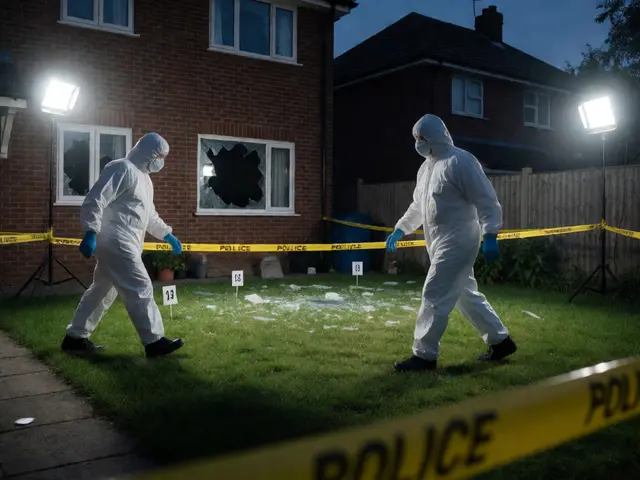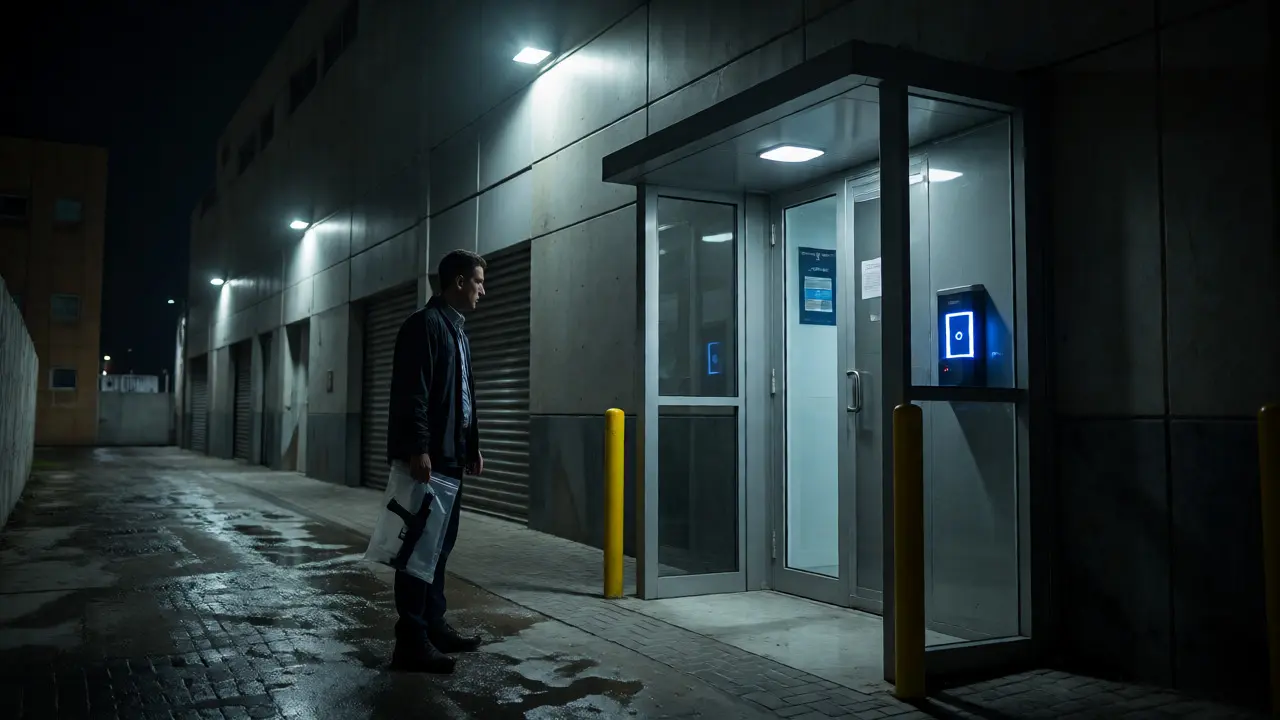
Imagine this scenario: It’s 2:00 AM on a Tuesday. A detective pulls into the back alley of your crime lab, holding a bagged weapon from a high-profile homicide. The front desk is unmanned. The main intake officer went home hours ago. Who signs for that gun? How do you prove it didn’t sit in a hot car or get swapped with another exhibit before morning? This isn’t just an administrative headache; it’s the single most common point where chain of custody breaks down.
Most labs have rigorous protocols for daytime operations. We know who has access, who watches the cameras, and who verifies signatures. But after-hours transfers introduce a unique set of risks. Fatigue sets in. Staffing drops. Emergency procedures override standard checks. If you can’t document exactly what happened between midnight and 6:00 AM, defense attorneys will tear your case apart in court. They won’t care about your great daytime process if the night shift left a gap in the log.
The Hidden Risks of Nighttime Intake
You might think a locked door solves everything. It doesn’t. A locked door without proper logging is just a black box. When items enter your facility outside standard business hours, three specific vulnerabilities emerge immediately.
- Unverified Access: Without a designated custodian present, who physically opens the drop slot? Was it a security guard, a night-shift technician, or the submitting officer themselves? If the submitter places evidence directly into a locker without witness verification, you lose the critical "hand-off" moment.
- Environmental Control Gaps: Biological samples degrade. Latent prints fade. If an item sits in a non-climate-controlled vestibule because the AC was off overnight, you’ve compromised the evidence integrity before it even hits the bench.
- Documentation Lag: Paper logs rely on human memory. By the time the day shift arrives at 8:00 AM, the night security guard may have forgotten whether the bag was sealed or unsealed upon arrival. That uncertainty creates reasonable doubt.
We need to stop treating after-hours as an exception and start treating it as a distinct operational phase with its own strict rules. The goal isn't just to store the item; it's to create an unbroken narrative of possession.
Defining Secure After-Hours Protocols
A solid protocol starts with defining exactly what "secure" means when no scientists are around. You cannot rely on general building security alone. Building security protects people and property; forensic security protects evidentiary value.
First, establish a dedicated Evidence Drop Zone. This should be a separate, monitored vestibule accessible only via badge reader or biometric scan. It must be physically isolated from general public areas and staff break rooms. Why? Because contamination risk increases when unrelated personnel pass through. If a janitor walks past the drop zone, did they touch the handle? Did they breathe on the open packaging? You don’t want to answer those questions in cross-examination.
Second, mandate a "Two-Person Rule" for any physical interaction during low-staff hours. Even if it’s just a security guard and a night technician, two sets of eyes reduce error rates significantly. One person handles the item; the other records the metadata. Switch roles every few minutes to maintain alertness.
| Feature | Standard Business Hours | After-Hours Protocol |
|---|---|---|
| Verification Method | In-person visual inspection + signature | Digital timestamp + video capture + remote approval |
| Custody Handoff | Direct hand-to-hand transfer | Secure drop-box insertion with seal verification |
| Logging System | LIMS (Laboratory Information Management System) | Offline-capable mobile app synced to LIMS |
| Environmental Monitoring | Continuous HVAC active | Independent battery-backed sensors required |
| Error Correction | Immediate supervisor review | Next-day audit trail reconciliation |
Technology Solutions for Unmanned Intake
Paper logs fail at night. Humans make mistakes when tired. Technology doesn’t get sleepy, but it needs to be configured correctly. Don’t just slap a camera on the wall and call it done.
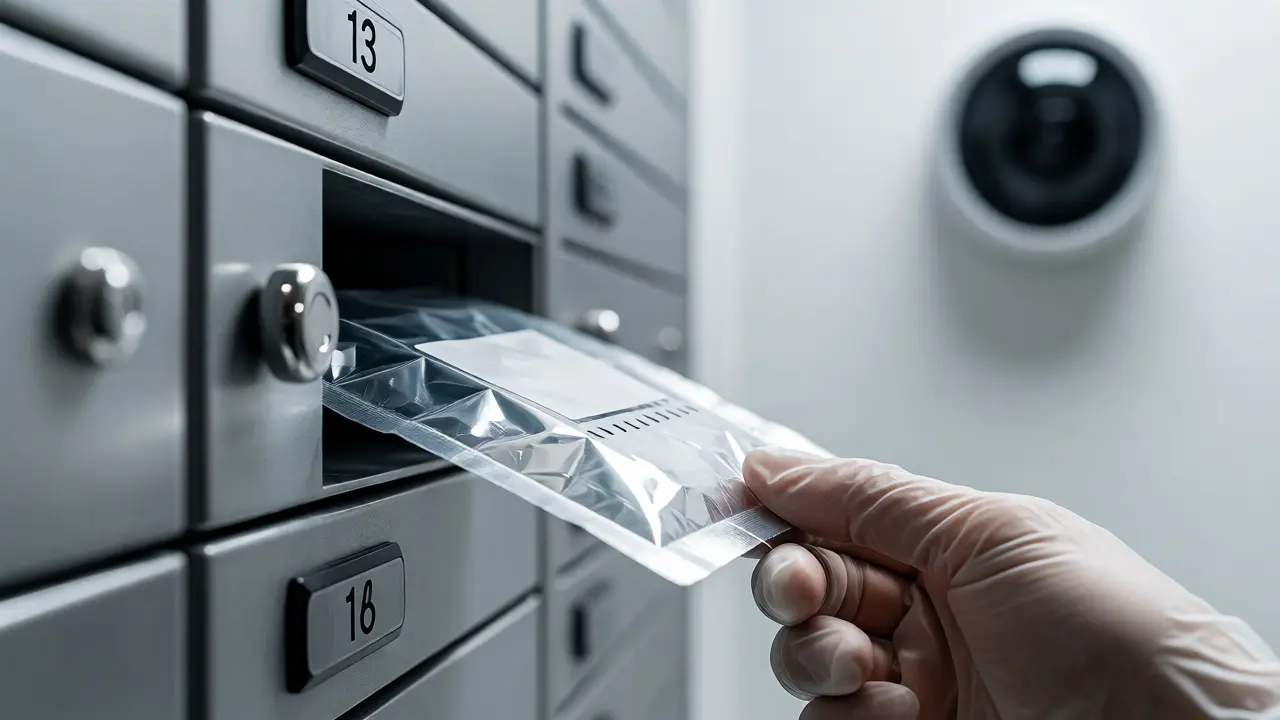
Consider implementing a Smart Locker System. These units allow submitters to deposit evidence into a specific, numbered compartment. The system locks automatically and sends an encrypted notification to the on-call lead. This removes the ambiguity of "who put it where." Each locker acts as a temporary custody holder. The digital log records exactly when the door opened, how long it stayed open, and which badge ID triggered the unlock.
Video surveillance must be synchronized with these events. If the smart locker registers a deposit at 3:14 AM, your video management system should instantly clip a 30-second segment showing the action. Store this clip alongside the digital record. In court, you’re not just saying "we received it." You’re showing a timestamped video of the officer placing the bag into locker #42, sealing it, and walking away. That’s powerful evidence of integrity.
What if your budget doesn’t support smart lockers yet? Use tamper-evident seals with unique QR codes. Require the submitter to photograph the sealed package with their phone and upload it to a shared drive or cloud-based form. This creates a secondary layer of documentation that exists outside your internal network.
The Chain of Custody Log: What Must Be Recorded
Your log needs to tell a story. Not just "Item received," but "Item received under condition X by person Y using method Z." Vague entries kill cases. Be specific.
Every after-hours entry must include these five data points:
- Unique Case Identifier: Never use vague descriptions like "Knife from scene." Use the full case number assigned by the police department.
- Submitter Identity: Full name, badge number, and agency affiliation. If possible, verify identity against a pre-approved list of authorized submitters.
- Time Stamps: Record both the time of submission and the time of retrieval. Include time zone data if your jurisdiction spans multiple zones.
- Seal Integrity Status: Explicitly note if seals were intact, broken, or missing upon arrival. Attach photos if discrepancies exist.
- Location Data: Specify the exact storage location (e.g., "Refrigerator B, Shelf 3" or "Locker 12").
If you use a manual logbook, require initials for every line item. No blank spaces. If a field doesn’t apply, write "N/A." Blank spaces invite accusations of retroactive editing.
Auditing and Reconciliation Procedures
The work isn’t done when the sun comes up. The transition from night to day is a critical vulnerability window. Items deposited at 2:00 AM might not be processed until 9:00 AM. During those seven hours, they are in limbo.
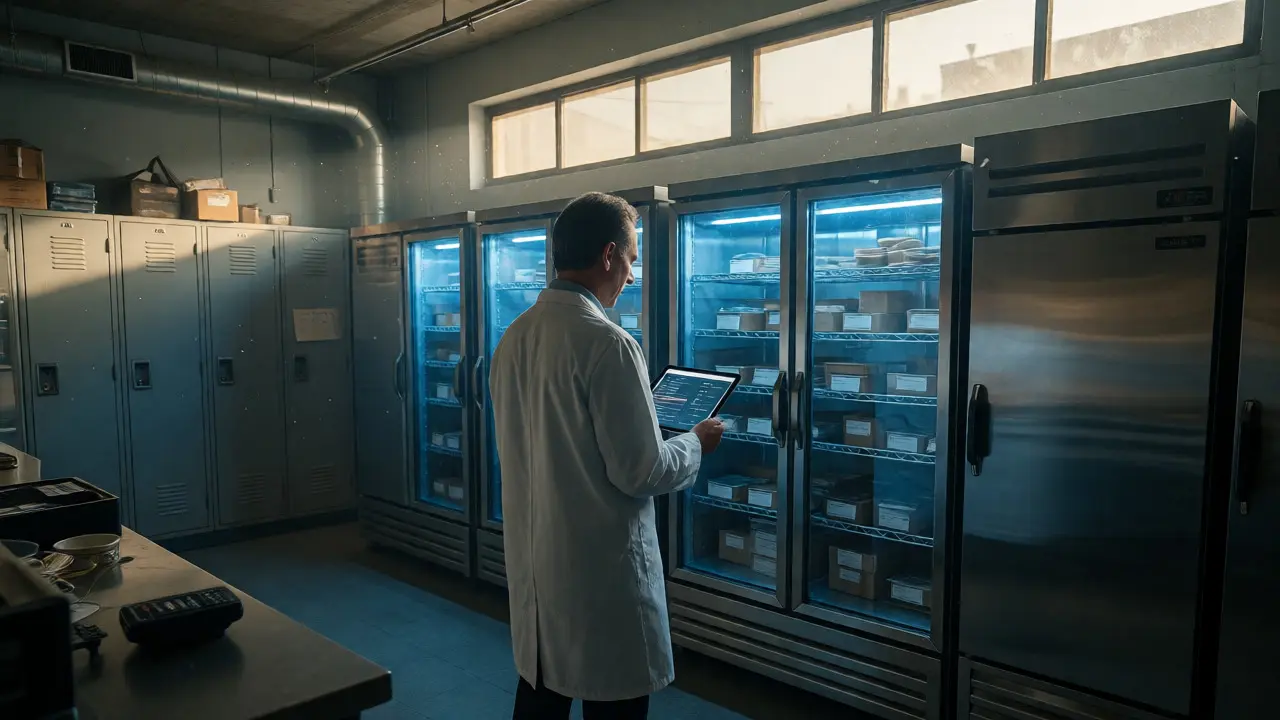
Implement a mandatory "Morning Audit" routine. Before any analysis begins, the day-shift lead must reconcile all overnight deposits. Check the digital logs against physical inventory. Verify that every item listed in the night report actually exists in the specified location. If there’s a mismatch-say, the log says Locker 5 but the locker is empty-stop all processing for that case. Investigate immediately.
Keep a discrepancy log. Track how often errors occur during after-hours versus regular hours. If you notice a spike in missing seals or incorrect labels at night, you have a systemic problem. Maybe the lighting in the drop zone is poor. Maybe the signage is confusing. Fix the root cause, not just the symptom.
Regular audits also protect your staff. If a defense attorney claims evidence went missing, your clean audit trail proves otherwise. It shifts the burden of proof back to them to explain why their theory contradicts your documented reality.
Training for Low-Staff Scenarios
Security guards aren’t forensic analysts. Don’t expect them to understand the difference between a latent print lift and a biological swab. Train them on the basics of handling, but keep their role simple. Their job is to secure the perimeter and log the event, not to assess the scientific value of the item.
Create laminated checklists posted directly in the drop zone. Step-by-step instructions reduce cognitive load. For example:
- Step 1: Scan Badge.
- Step 2: Place Item in Designated Bin.
- Step 3: Photograph Seal.
- Step 4: Close Door Until Lock Clicks.
- Step 5: Exit Vestibule.
Run quarterly drills where staff simulate after-hours submissions. Have someone act as a confused detective trying to drop off evidence. See where the process stalls. Do they fumble with the badge reader? Do they forget to take a photo? Practice makes perfect, especially when adrenaline is low and fatigue is high.
What happens if evidence is dropped off without a case number?
You should reject the item or place it in a "Quarantine" section with a temporary placeholder ID. Do not mix it with properly identified evidence. Contact the submitting officer immediately to obtain the correct case number. Document the delay in the log. Processing unidentified evidence risks commingling, which can ruin multiple cases simultaneously.
Is video surveillance enough to prove chain of custody?
No, video is a supporting tool, not a standalone solution. Video shows actions but doesn't inherently link the object to a case file. You still need a digital or paper log that ties the visual event to a specific identifier. Video corroborates the log; it doesn't replace it.
How do we handle emergency medical evidence at night?
Medical evidence often requires refrigeration or freezing. Ensure your after-hours drop zone connects directly to climate-controlled storage. If the item is perishable (like blood vials), prioritize immediate placement in the fridge over detailed logging. Log the item later, but never let biology wait for bureaucracy. Note the time of refrigeration separately from the time of intake.
Can security guards sign for evidence?
Yes, provided they are trained and authorized. However, their signature attests to receipt and security, not to the scientific integrity of the item. Always specify their role in the log (e.g., "Received by Security Officer J. Doe"). Avoid having security staff perform complex unpacking or sampling tasks unless specifically qualified.
What is the biggest mistake labs make with after-hours transfers?
Assuming the system works because it worked once. Labs often install new tech or change protocols but fail to train night staff adequately. Another common error is allowing submitters to leave items in unsecured areas "just for a minute." There is no such thing as a minor breach in chain of custody. Treat every second of unmonitored time as a potential liability.