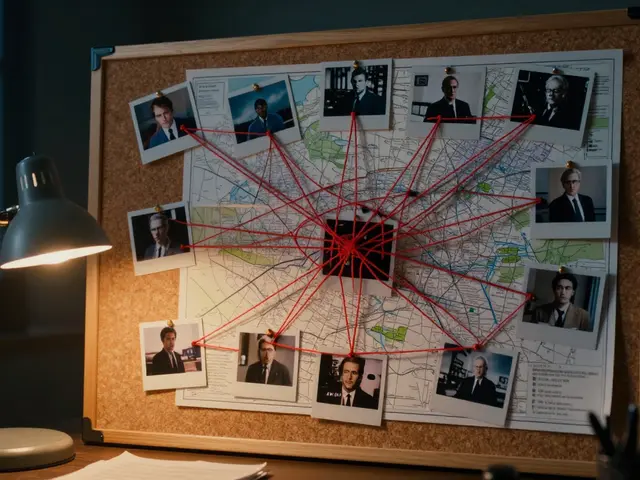
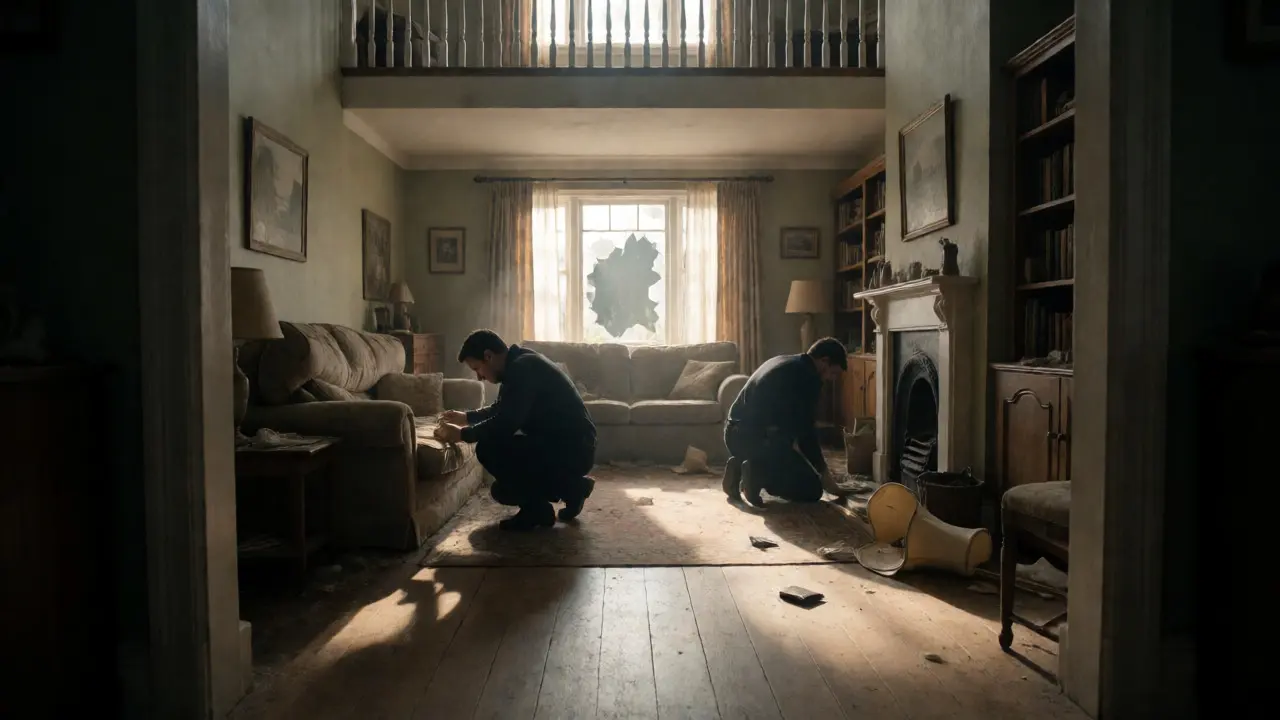
You walk into a messy living room after a break-in. Blood on the carpet, shattered glass near the window, maybe a dropped wallet under the couch. Where do you even start looking? If you just wander around hoping to spot evidence, you’re going to miss something. That’s why forensic teams use specific crime scene search patterns. These aren’t random walks; they are systematic methods designed to cover every square inch of an area without leaving gaps or double-checking the same spot twice.
Choosing the right pattern depends on the size of the scene, the terrain, and what kind of evidence you expect to find. The three most common methods taught in basic forensics courses-and used by police departments across the country-are the Grid, Strip (or Line), and Zone searches. Each has its strengths and weaknesses. Using the wrong one can mean missing a critical clue, like a shell casing hidden in tall grass or a fiber caught in a fence line.
The Grid Search Method
The Grid Search is often considered the gold standard for thoroughness. It involves two sets of searchers moving perpendicular to each other, creating a cross-hatch pattern that covers the entire area. Think of it as drawing a giant tic-tac-toe board over the crime scene, but with many more squares.
Here is how it works in practice. First, you establish two adjacent boundaries of the scene using tape or markers. One team starts at one boundary and moves parallel to the second boundary, searching every inch of their assigned lane. They mark their progress so they don’t drift. Once they reach the opposite side, they turn 90 degrees and search back toward the starting point, but this time they move perpendicular to their first path. This ensures that any spot missed in the first pass gets checked in the second.
| Pros | Cons |
|---|---|
| Extremely thorough; minimizes missed evidence | Time-consuming and labor-intensive |
| Good for open fields or large indoor areas | Requires precise coordination between teams |
| Easy to document coverage visually | Difficult to execute on uneven terrain |
Why choose this method? If you have a small backyard where a body was dumped, you cannot afford to miss a single footprint. The redundancy of checking the area twice makes it highly reliable. However, it requires more personnel. You need enough people to form two distinct lines that can move efficiently without tripping over each other. In a busy urban alleyway, setting up a true grid might be physically impossible due to walls and obstacles, forcing investigators to adapt the technique.
The Strip or Line Search Pattern
If the Grid is about redundancy, the Strip Search, also known as the Line Search, is about speed and efficiency. This is the most common method used for large, open areas where resources are limited. Imagine mowing a lawn: you push the mower in straight lines, overlap slightly, then turn around and go back parallel to the previous path.
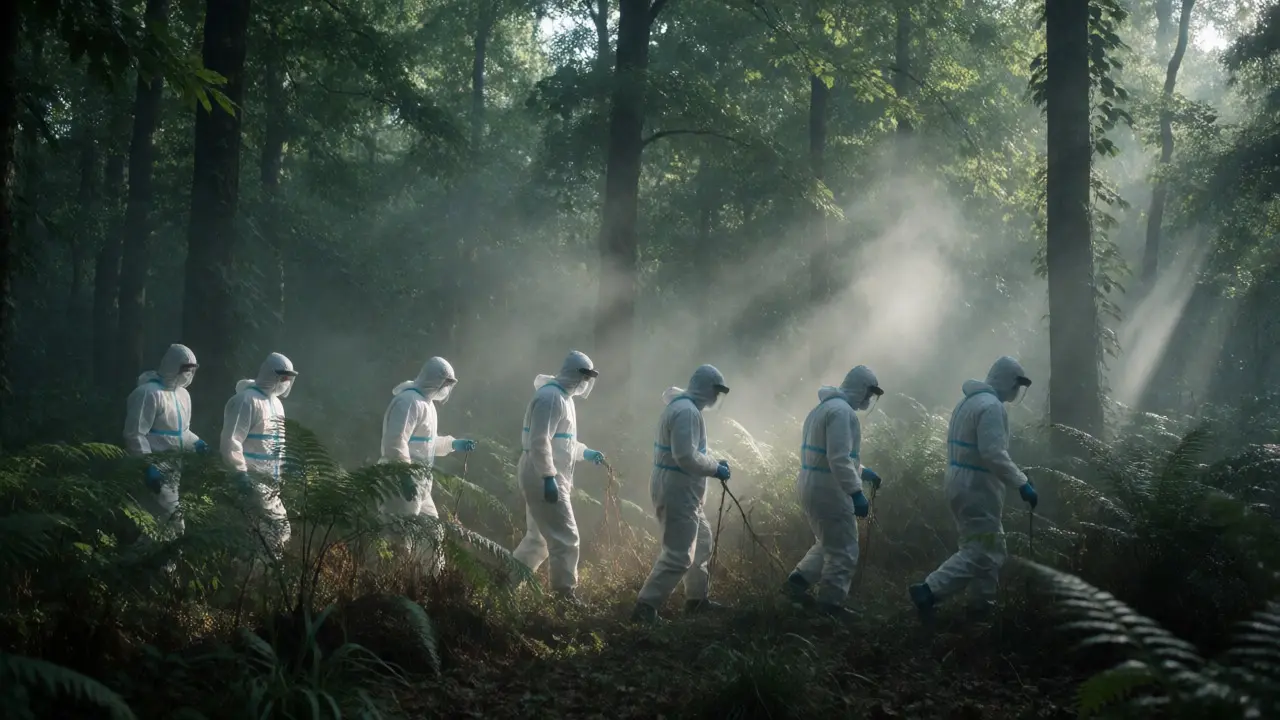
In a Strip Search, investigators stand shoulder-to-shoulder along one boundary of the scene. On command, they walk forward in a straight line, scanning the ground within arm’s reach. When they hit the far boundary, they stop, turn around, and walk back, offsetting their position so they cover the gap left between them during the first pass. This creates a series of parallel lanes that cover the whole area.
This method shines when dealing with outdoor scenes like forests, parks, or beaches. For example, if a suspect fled through a wooded area, a strip search allows a large team to sweep the ground quickly. It is less effective indoors because furniture and walls interrupt the straight lines. You end up breaking the scene into smaller strips, which can get confusing if not managed well.
- Best for: Large, open outdoor areas with relatively flat terrain.
- Team Size: Requires a larger number of searchers to maintain the line width.
- Risk: Searchers may drift off-line, creating "search shadows" or unsearched gaps.
A common mistake here is poor spacing. If searchers are too far apart, they miss evidence between them. If they are too close, they waste time covering the same ground. Training helps teams develop a sense of appropriate spacing, usually keeping arms’ length apart to ensure visual contact while maximizing coverage.
The Zone or Quadrant Search
Not all crime scenes are uniform. Sometimes you have a house with multiple rooms, a vehicle surrounded by debris, or a cluttered garage. Trying to apply a strict grid or strip pattern to a complex layout leads to chaos. Enter the Zone Search, sometimes called the Quadrant or Spiral method depending on execution.
In a Zone Search, you divide the scene into manageable sections or zones. Each team member takes responsibility for one zone. They search that specific area thoroughly before moving on. This approach is ideal for indoor environments or irregularly shaped outdoor spaces. For instance, in a two-story home, you might assign one team to the kitchen, another to the living room, and another to the upstairs bedrooms.
The key advantage here is specialization. A searcher assigned to the bathroom knows exactly what to look for-hair, fibers, water damage-without worrying about the bedroom next door. It reduces cognitive load and allows for deeper inspection of specific features. However, it risks creating boundaries where evidence falls between zones. If a gun was thrown from the window into the yard, who checks the edge of the property? Clear communication about boundary overlaps is essential.
| Pattern | Thoroughness | Speed | Best Environment |
|---|---|---|---|
| Grid | High | Slow | Open fields, large lawns |
| Strip | Moderate | Fast | Large outdoors, beaches |
| Zone | High (per zone) | Moderate | Houses, vehicles, cluttered areas |
Hybrid Approaches and Real-World Application
In reality, pure patterns rarely exist. Most experienced investigators blend these methods. Consider a car accident scene involving a pedestrian. The immediate impact zone around the car might be searched using a Zone method because of the debris field complexity. The surrounding road and sidewalk, where skid marks or dropped personal items might lie, could be swept using a Strip pattern. Finally, if there is a nearby park where the suspect might have discarded a weapon, a Grid search might be deployed in that specific section.
Weather conditions also dictate your choice. Rain washes away footprints and scatters light evidence like hair or paper. In wet conditions, you prioritize speed. A Strip Search allows you to cover ground fast before the weather destroys clues. Conversely, in dry, calm conditions, you have the luxury of time to perform a meticulous Grid Search.
Another factor is the type of evidence expected. If you are looking for a small object, like a bullet or a ring, you need high-density coverage. A Grid Search is best here. If you are looking for larger items, like a jacket or a backpack, a Strip Search is sufficient. Understanding the likely evidence profile helps you select the pattern before you even step onto the tape.
Common Pitfalls to Avoid
Even with the best plan, human error creeps in. One major issue is "tunnel vision." Searchers focus so hard on their specific lane that they ignore peripheral details. Maybe a footprint points toward a bush, but the searcher misses it because they were looking at the ground directly in front of them. Regular rotation of searchers or brief pauses to scan the broader environment can help mitigate this.
Another pitfall is poor documentation. If you don’t map out your search pattern beforehand, you can’t prove you covered the area. Use flags, spray paint, or numbered tags to mark where you’ve been. Digital tools like GPS-enabled tablets allow teams to log their paths in real-time, ensuring no gaps remain. Without this record, defense attorneys can argue that evidence could have been anywhere else in the scene.
Finally, don’t forget vertical space. Most search patterns focus on the floor or ground. But evidence hangs. Fibers snag on branches, blood spatter reaches ceilings, and weapons hide in trees. Always pair horizontal searches with a vertical assessment, especially in indoor scenes or dense vegetation.
Frequently Asked Questions
Which crime scene search pattern is the most thorough?
The Grid Search is generally considered the most thorough because it involves two passes over the same area in perpendicular directions. This redundancy significantly reduces the chance of missing small or concealed evidence compared to single-pass methods like the Strip Search.
When should I use a Zone Search instead of a Grid?
Use a Zone Search for complex, enclosed, or irregularly shaped scenes such as houses, apartments, or vehicles. The Grid method struggles with obstacles like walls and furniture, whereas dividing the scene into zones allows searchers to navigate confined spaces more effectively and focus on specific room characteristics.
How many searchers are needed for a Strip Search?
The number of searchers depends on the width of the scene. Ideally, searchers should stand within arm's reach of each other to ensure continuous visual coverage. For a wide field, this might require ten or more people. For a narrow alley, two or three might suffice. The goal is to eliminate gaps between individuals.
Can weather affect the choice of search pattern?
Yes. In adverse weather like heavy rain or snow, speed becomes critical to preserve fragile evidence. Investigators often opt for faster methods like the Strip Search to cover large areas quickly before conditions worsen. In calm weather, slower, more detailed methods like the Grid Search are feasible.
What is a 'search shadow'?
A search shadow is an area that remains unsearched due to improper spacing between searchers or failure to account for obstacles. In a Strip Search, if searchers drift apart or fail to overlap their lanes correctly, gaps appear between the lines. These shadows can cause investigators to miss critical evidence located in those blind spots.