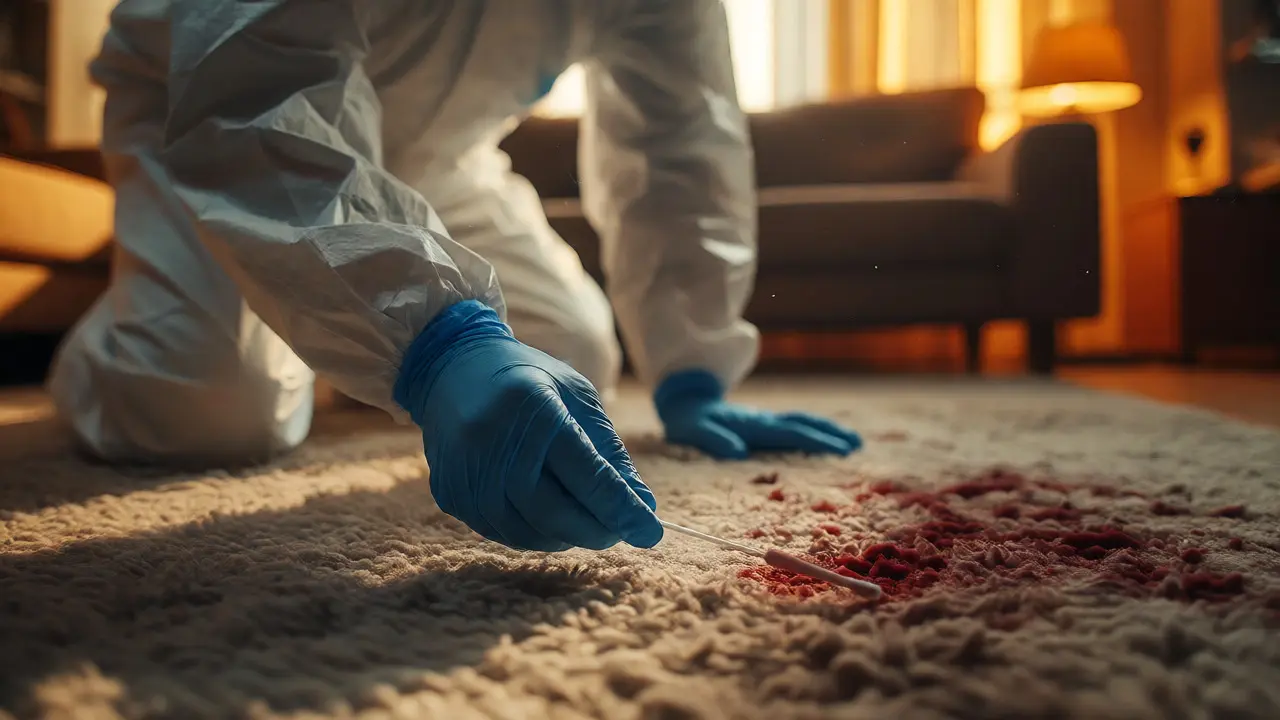
You walk into a living room where a body lies on the carpet. The air is thick with tension and the smell of copper. You have seconds before the first responders move, before the weather changes, before a well-meaning family member steps in to clean up. In homicide investigations, the difference between a conviction and an acquittal often comes down to what you grab first. It isn't about collecting everything; it's about grabbing the fragile, fleeting pieces that tell the story before they vanish forever.
Why Order Matters More Than Volume
Think about a glass of water sitting on a nightstand near the victim. If you bag it immediately, you might miss latent fingerprints. If you wait too long, someone might bump it, or condensation might wash away trace DNA. This is the core dilemma of priority collection. It’s not just a checklist; it’s a strategic decision tree. Every minute spent documenting a stable object is a minute lost securing a volatile one. The goal is to preserve the integrity of the most perishable evidence while maintaining the chain of custody for everything else.
Most rookie investigators make the mistake of trying to process the entire scene at once. They start photographing wide angles while blood is still wet and drying out. By the time they get to swabbing, the sample has degraded. Experienced detectives know that biological fluids are enemies of themselves-they evaporate, oxidize, and degrade rapidly. Your primary job is to beat nature to the punch.
The Hierarchy of Fragility
Not all evidence is created equal. Some items can sit in a warehouse for ten years without losing value. Others disappear if you look at them wrong. Here is how you should rank your priorities when you cross the yellow tape:
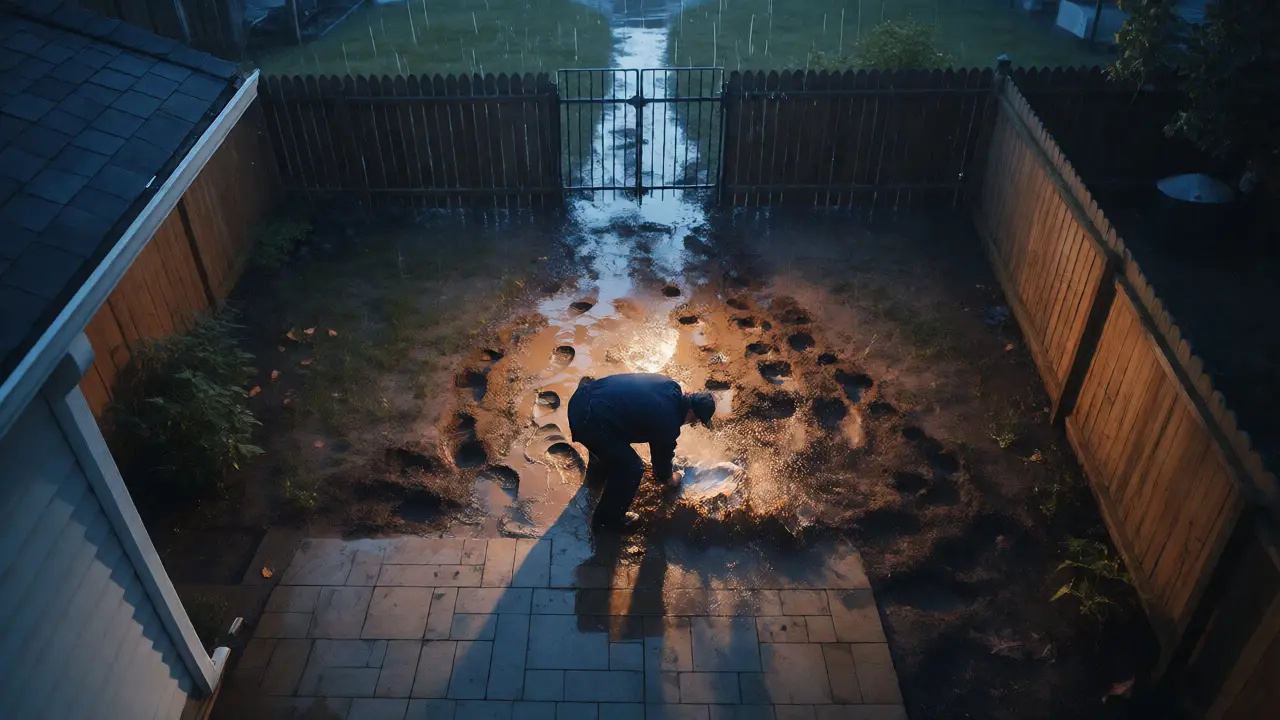
- Transient Evidence: Things that are here now but gone in minutes. Think footprints in snow, tire tracks in mud, or open windows letting in rain. These require immediate casting or protection.
- Fragile Biological Evidence: Blood spatter, saliva on a cigarette butt, hair caught in a window latch. These need careful handling to prevent contamination or loss.
- Trace Evidence: Fibers, pollen, gunshot residue (GSR). These are easily transferred by movement. If you step across the room without booties, you’ve likely ruined the GSR pattern on the floor.
- Stable Physical Evidence: Weapons, furniture, electronics. These aren’t going anywhere. You can document and collect these last.
This hierarchy isn't arbitrary. It’s based on the physical properties of the materials involved. A gun doesn’t rot. A drop of blood does. Prioritizing based on decay rate ensures that the most scientifically valuable data survives the initial chaos of the scene.
| Evidence Type | Risk Factor | Action Required | Time Sensitivity |
|---|---|---|---|
| Wet Blood/Semen | Drying/Degradation | Air dry or swab immediately | High |
| Footprints/Tire Tracks | Weather/Traffic | Cover or cast instantly | Extreme |
| Latent Prints | Contamination | Visualize before moving objects | Medium |
| Firearms | Movement | Photograph in situ, then secure | Low |
Securing the Perimeter Before Touching Anything
Before you pick up a single shell casing, you need to control the environment. This sounds obvious, but in high-stress situations, perimeter breaches happen constantly. Paramedics, neighbors, other officers-everyone wants in. Your first act isn't collection; it's containment.
Establish inner and outer perimeters. The outer line keeps the public and media out. The inner line restricts access to only those essential for processing. Why two lines? Because it creates a buffer zone. If you drop a glove or sneeze, you haven't contaminated the core crime scene yet. This layering technique is standard practice in modern forensic science protocols because it minimizes human error during the frantic early stages.
Once the scene is locked down, perform a preliminary walkthrough. Don't touch anything. Just look. Where is the body? Where is the weapon? Is there a path of entry or exit? This mental map guides your collection strategy. If you see a trail of bloody footprints leading from the kitchen to the back door, you know those prints are transient. Rain might start in twenty minutes. You prioritize casting those prints over cataloging the contents of the refrigerator.
Documenting the Context of Discovery
Evidence without context is just debris. A knife found under a bed tells a different story than a knife found on a pillow. This is why documentation must precede collection. You cannot simply bag and tag. You must capture the spatial relationship between objects.
Use the triangulation method. Measure every significant piece of evidence from two fixed points. Photograph each item from four angles: overall, mid-range, close-up, and close-up with a scale. This seems tedious, but juries need to visualize the scene. If you move the evidence before measuring, you lose the ability to reconstruct the event. Did the bullet hit the wall before or after the victim fell? Only precise measurements can answer that.
Remember, your notes are part of the evidence. Write down observations that photos can't capture. Was the room hot? Was there a strange odor? Did the light switch flicker? These sensory details can corroborate witness testimony or contradict alibis. For example, if a suspect claims he was asleep upstairs, but you find fresh mud on his shoes matching the garden outside, that physical link becomes crucial.
Handling Biological and Trace Materials
When you finally reach for the biological evidence, change your gloves. Cross-contamination is the silent killer of cases. One study by the National Institute of Justice highlighted that improper handling accounts for a significant percentage of lab errors. Always wear fresh nitrile gloves when touching new areas. Never reuse gloves that have touched one surface to touch another without cleaning or changing them.
For liquid biological samples like blood, avoid using plastic bags unless the item is completely dry. Plastic traps moisture, creating a breeding ground for bacteria that destroy DNA. Use paper bags or breathable containers instead. If the item is wet, let it air-dry in a controlled environment before packaging. This simple step can save a case months later when the DNA profile is being analyzed.
Trace evidence requires even more caution. Gunshot residue, for instance, falls off hands within hours. If you don't take GSR kits immediately upon arrest, the evidence is effectively gone. Similarly, fibers from a suspect's clothing can transfer to the victim's shirt during a struggle. Collecting these items requires tweezers, not fingers. Direct contact introduces oils and skin cells that muddy the analysis.
The Chain of Custody Starts Now
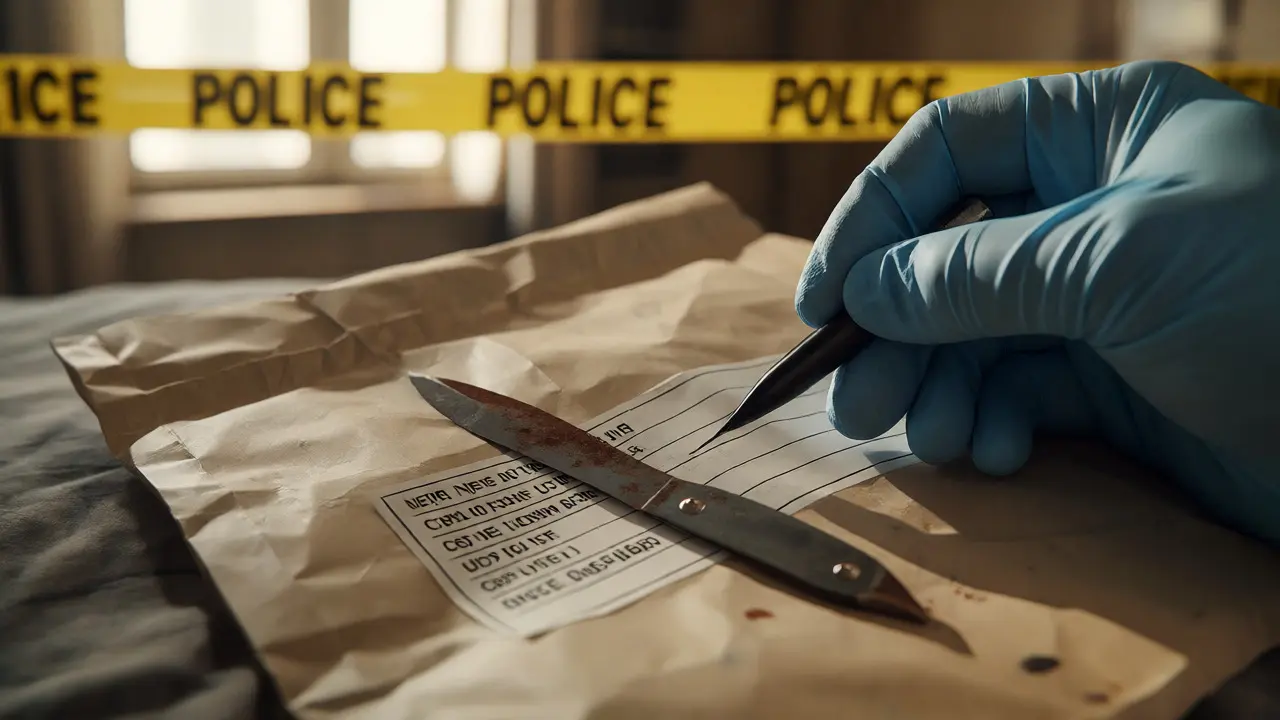
Every time evidence changes hands, it must be documented. This is the chain of custody. If this link breaks, the evidence is inadmissible in court. No matter how damning the DNA match, if the log shows a gap in ownership, the defense attorney will shred it.
Label everything clearly at the point of collection. Include the date, time, collector's name, and specific location description. "Kitchen counter" is vague. "North side of kitchen island, 12 inches from the sink" is precise. Ambiguity invites doubt. Keep the original labels attached to the container. Do not write directly on evidence unless necessary, as ink can leach into porous materials.
Transportation matters too. Biological evidence often needs refrigeration or freezing to prevent degradation. Ensure your transport coolers are calibrated and monitored. Temperature logs should accompany the evidence to the lab. If a blood sample sits in a hot car for three hours, the DNA may fragment beyond repair. You've done the hard work at the scene; don't undo it in the parking lot.
Pitfalls That Sink Investigations
Even experienced detectives fall into traps. The most common is tunnel vision. Once you identify a prime suspect, you start looking for evidence that supports their guilt and ignoring contradictory clues. Stay objective. Collect exculpatory evidence with the same rigor as incriminating evidence. If you find a fingerprint that doesn't belong to the suspect, document it. Ignoring it looks like bias.
Another pitfall is over-collection. Grabbing every receipt and wrapper slows down the lab and increases costs. Be selective. Does this candy wrapper really matter? Probably not. Focus on items linked to the violent act or the suspect's presence. Quality over quantity always wins in the courtroom.
Finally, never assume the scene is static. People return. Animals wander in. Weather shifts. Re-evaluate your priorities as conditions change. If the rain starts, your priority shifts to protecting outdoor evidence. If the sun sets, lighting changes affect photography. Adaptability is key.
What is the most critical piece of physical evidence in a murder case?
There is no single "most critical" piece, as it depends on the circumstances. However, biological evidence containing DNA (like blood, semen, or saliva) and the murder weapon are typically the highest priority because they offer direct links between the suspect and the crime scene. Transient evidence like footprints is also critical initially because it disappears quickly.
Why is the order of evidence collection important?
Order prevents the destruction or contamination of fragile evidence. Collecting heavy or stable items first might disturb delicate trace evidence like dust or fibers. Additionally, prioritizing perishable items like wet blood or outdoor footprints ensures they are preserved before environmental factors degrade them.
How long does physical evidence last at a crime scene?
It varies wildly. Outdoor footprints can vanish in minutes due to wind or rain. Latent fingerprints on smooth surfaces might last days or weeks depending on humidity and temperature. Indoor biological samples can degrade within hours if exposed to heat and bacteria. The general rule is: the more exposed to elements, the shorter the lifespan.
Can physical evidence be collected after the scene is processed?
Yes, but its value diminishes significantly. Once the scene is released and cleaned, recovering evidence is difficult and often impossible. Secondary searches can yield results, especially with specialized lights or chemical sprays, but the original context is lost, making it harder to interpret findings in court.
What happens if the chain of custody is broken?
If the chain of custody is broken, meaning there is an unexplained gap in who held the evidence, the evidence may be ruled inadmissible. The defense can argue that the evidence could have been tampered with, swapped, or contaminated. Without a complete and accurate log, the jury cannot trust the evidence presented.