When a child goes missing, every minute counts. But not every disappearance is an emergency. The difference between a routine search and a life-or-death race often comes down to one thing: rapid response protocols. These are the specific steps law enforcement takes in the first hours of a case where a juvenile might be endangered. If you work in public safety, or if you’re a parent worried about what happens after you call 911, understanding this process is critical.
Most people assume that if a kid is gone, police immediately start knocking on doors. In reality, they have to make a split-second decision based on data. Is this a runaway? A custody dispute? Or a true abduction? This guide breaks down how investigators triage these cases, the criteria that trigger high-speed searches, and the technology that helps them find children faster than ever before.
The Critical First Hour: Triage and Assessment
The clock starts ticking the moment a report is filed. In many jurisdictions, the goal is to initiate a full-scale search within the first hour. This isn’t just about speed; it’s about accuracy. Investigators must determine if the child fits the profile of an "endangered juvenile."
This assessment relies on several key factors. Age is the biggest predictor. Children under five are at higher risk because they lack the cognitive ability to navigate traffic or avoid predators. However, context matters more than age alone. A ten-year-old who lives near a highway and has no prior history of running away is treated differently than a fifteen-year-old who frequently skips school.
Investigators look for red flags:
- Time of day: Disappearances at night carry higher risk due to reduced visibility and fewer witnesses.
- Location: Being found missing in a rural area with limited cell coverage changes the strategy compared to an urban center.
- Physical condition: Does the child have medical needs, such as diabetes or severe allergies, that could become life-threatening quickly?
- Prior behavior: Has the child run away before? If so, the likelihood of a voluntary absence increases, potentially delaying the "endangered" classification.
If the risk level is deemed high, the case shifts from a standard missing person investigation to an active endangered juvenile protocol. This triggers immediate resource allocation, including K-9 units, air support, and neighborhood canvassing teams.
What Triggers an AMBER Alert?
You’ve seen the alerts on your phone. They flash red, demanding attention. But not every missing child gets an AMBER Alert is a system designed to rapidly disseminate information about abducted children to the public. It was established in 1996 following the kidnapping of six-year-old Amber Hagerman in Texas. Today, it’s a national network in the United States, but its activation requires strict criteria.
For an alert to go out, three conditions usually must be met simultaneously:
- The child must be under eighteen years old.
- The child must be in imminent danger of serious bodily injury or death.
- There must be sufficient descriptive information available to issue the alert effectively.
That third point is crucial. If you only know that your daughter is missing and she’s wearing a blue shirt, an alert might not go out until you provide a photo, her height, weight, and last known location. Law enforcement works with parents to gather this data fast. The alert includes a description of the suspect (if known), the vehicle, and the direction of travel. Once activated, the message blasts out via radio, television, electronic road signs, and mobile devices. The goal is simple: get eyes on the street within minutes.
Tactical Search Strategies: Blue Lights and Boots
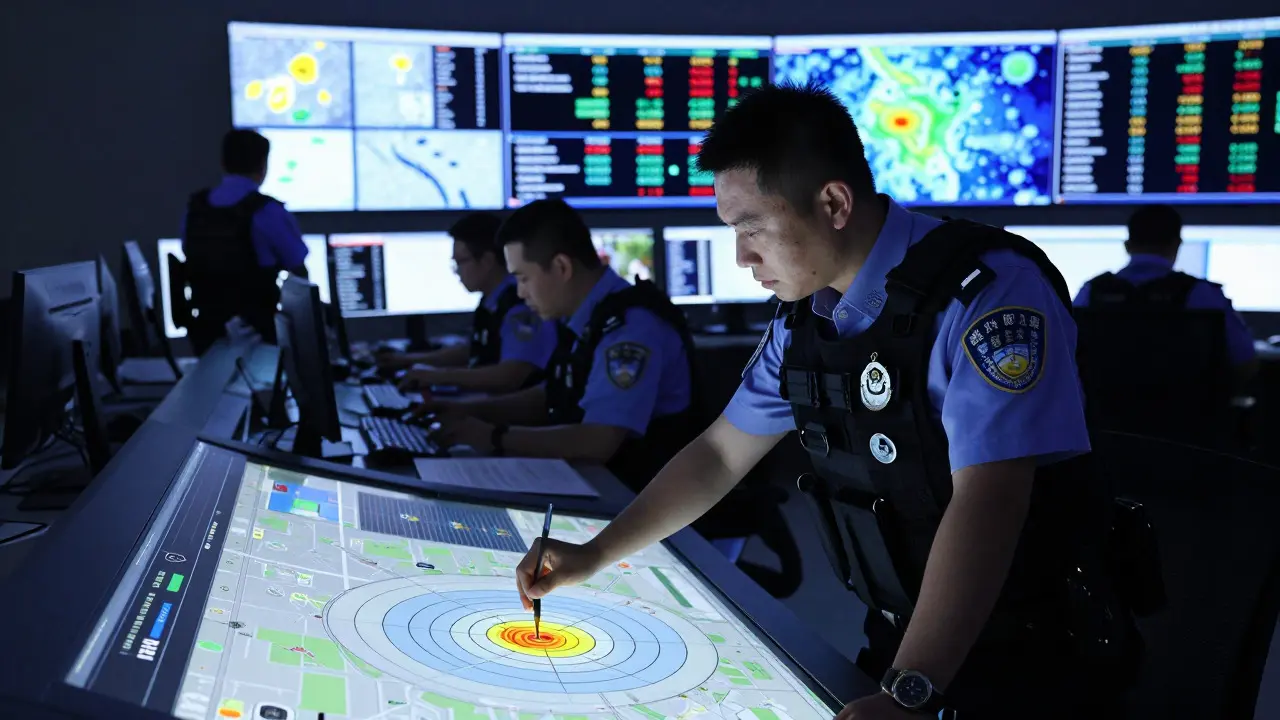
While digital tools broadcast the news, physical tactics secure the scene. The initial search radius is often calculated using a "time-distance" model. For a walking child, investigators might assume a maximum speed of 3 miles per hour. For a child in a car, the radius expands dramatically, covering interstate exits and major highways.
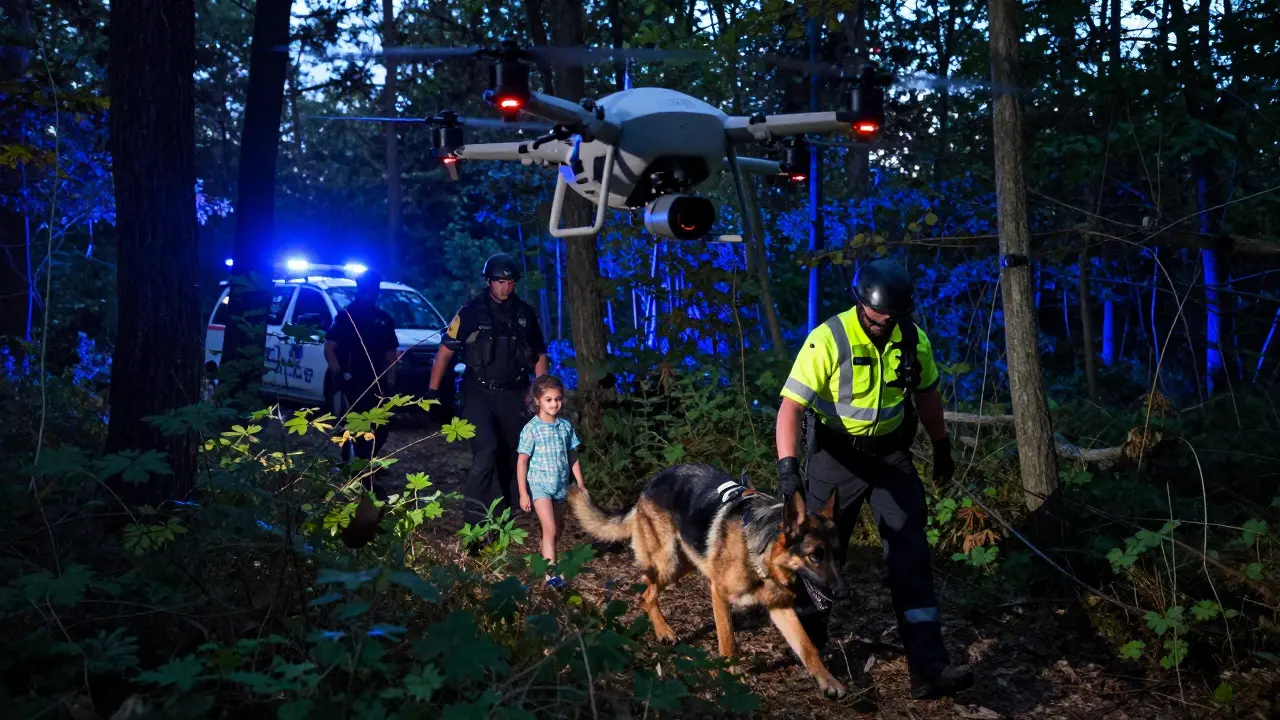
K-9 units play a pivotal role here. Scent detection dogs can track a child’s odor even days later, but their effectiveness peaks in the first 24 hours. Handlers release dogs at the last known location, following the scent trail while officers clear the perimeter. Simultaneously, air support-helicopters or drones-provides an overhead view. Drones are increasingly popular because they are cheaper to operate than helicopters and can hover silently over dense woods or backyards without spooking suspects.
Canvassing is another core tactic. Officers knock on doors in concentric circles around the disappearance site. They aren’t just looking for the child; they’re looking for anomalies. Did someone see a strange car? Did a neighbor hear a scream? Human intelligence remains irreplaceable in these early hours.
Digital Forensics and Cell Tower Triangulation
In the modern era, the child’s phone is often the most valuable piece of evidence. If the device is still powered on, it communicates with cell towers every few seconds. Investigators use this data to triangulate the child’s location. This doesn’t give a pinpoint GPS coordinate like a smartwatch would, but it narrows the search area significantly.
Let’s say a phone connects to Tower A at 8:00 PM and Tower B at 8:05 PM. The child was somewhere between those two towers during that window. By analyzing signal strength and battery drain, analysts can estimate movement patterns. If the phone stops pinging, it could mean the battery died, the service was cut off, or the child moved into a dead zone. Each scenario dictates a different search approach.
Additionally, investigators check cloud backups. If the child uses iCloud or Google Drive, recent photos might show their location or companions. Social media activity is also monitored. A sudden change in posting habits, or a new friend request, can provide leads that traditional policing misses.
Comparing Response Levels: Standard vs. Endangered
Not all missing persons cases receive the same treatment. Understanding the difference helps set realistic expectations for families and resources for agencies.
| Feature | Standard Missing Person | Endangered Juvenile Protocol |
|---|---|---|
| Initial Investigation Start | Often delayed 24-72 hours (for adults) or assessed for risk (for minors) | Immediate, within minutes to hours |
| Public Notification | Limited; often internal or local news only | Widespread; AMBER Alert, social media, radio |
| Search Radius | Based on probable destination (e.g., friend's house) | Expansive; covers highways, forests, and remote areas |
| Resource Allocation | Standard patrol units | K-9s, Air Support, Task Forces, Federal Aid |
| Primary Goal | Locate and ensure safety | Rescue before harm occurs |
The shift from standard to endangered status is a game-changer. It unlocks federal funding, allows for cross-jurisdictional cooperation, and puts the entire community on alert. For parents, knowing when to push for this status is vital. If you feel the situation is urgent, advocate for it. Provide details that highlight the risk.

Common Pitfalls and How to Avoid Them
Even with robust protocols, mistakes happen. One common error is waiting too long to report. Many parents wait 24 hours, fearing it will be a false alarm. In endangered cases, this delay can be fatal. Report immediately. Police prefer a quick false positive over a late discovery.
Another pitfall is poor communication. When chaos sets in, families often share conflicting stories. Stick to the facts. What did the child wear? Where were they last seen? Who had access? Consistency helps investigators build a coherent timeline.
Finally, don’t ignore the environment. If the child disappeared near water, assume they are in the water until proven otherwise. If they vanished near a busy road, assume they are in traffic. These assumptions drive the tactical response. Waiting to see if they walk home safely can waste the critical first hour.
The Role of Technology in Future Responses
Technology continues to reshape how we find missing children. Wearable devices like Apple AirTags or specialized GPS trackers offer real-time location data. While privacy concerns exist, these tools have saved countless lives by providing instant coordinates to responders.
Artificial Intelligence is also entering the mix. Algorithms can analyze thousands of security camera feeds to identify a face or a vehicle. In large cities, this reduces the time needed to track a suspect from days to hours. As these systems become more accurate, the gap between reporting a disappearance and locating the child will continue to shrink.
However, technology is a tool, not a replacement for human effort. The best outcomes still come from a combination of rapid technological response and aggressive, well-coordinated ground operations. The protocol is the framework, but the execution depends on trained professionals working together under pressure.
Frequently Asked Questions
How soon should I report a missing child?
Immediately. There is no required waiting period for minors. If you believe the child is in danger, call 911 right away. Delaying can cost precious hours in the search window.
What is the difference between a missing person and an endangered juvenile?
A missing person is anyone whose whereabouts are unknown. An endangered juvenile is a specific subset where the child faces a high risk of harm or death. This status triggers higher-level resources and public alerts.
Does my child need to be kidnapped to qualify for an AMBER Alert?
No. While abduction is the most common trigger, any situation where a child is in imminent danger of serious bodily injury or death qualifies. This includes natural disasters, medical emergencies, or accidental disappearances in hazardous environments.
How do cell phones help in finding missing children?
Cell phones communicate with nearby towers, allowing investigators to triangulate the device's general location. Cloud backups can also reveal recent photos or messages that provide clues about the child's movements or associates.
What role do K-9 units play in rapid response?
K-9 units use scent detection to track a child's odor. They are most effective in the first 24 hours and can cover difficult terrain like forests or fields that are hard for vehicles to access.