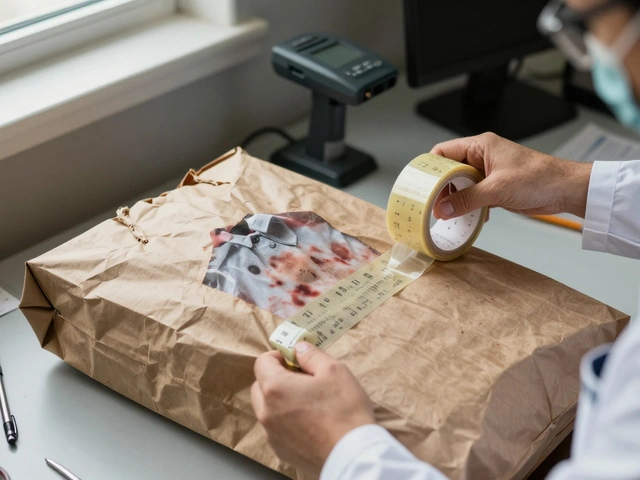
When someone tries to beat a drug test by mixing their urine with bleach, adding fake creatinine, or using synthetic urine, they’re not just cheating-they’re playing a high-stakes game of cat and mouse. And the lab? They’ve been preparing for this for decades.
Specimen adulteration isn’t some rare glitch in the system. It’s a well-documented, widespread problem. In 2023, over 12% of U.S. drug testing labs confirmed at least one case of synthetic urine being used to fake a test. And that’s just what they caught. The real number? Likely higher.
What Exactly Is Specimen Adulteration?
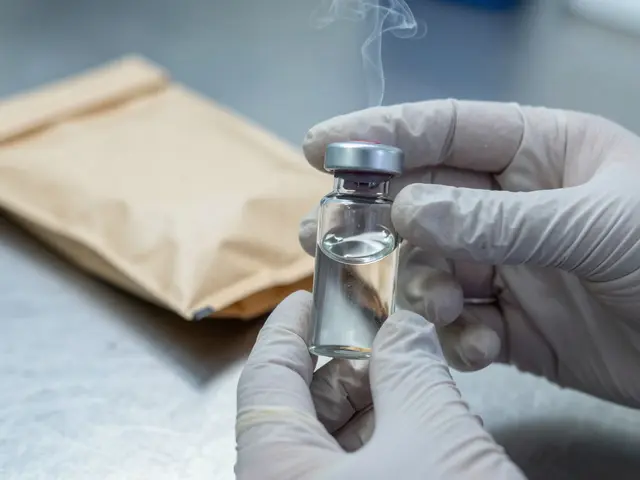
Specimen adulteration means someone intentionally changes a biological sample-usually urine-to hide drugs. This isn’t accidental. It’s deliberate. People do it to pass workplace tests, probation checks, or court-ordered screenings. They use household chemicals, over-the-counter products, or even commercial synthetic urine kits that mimic real urine down to the pH and specific gravity.
The most common tricks? Adding bleach (sodium hypochlorite), vinegar (acetic acid), or laundry detergent. Others use pills or powders that claim to “cleanse” the system. And then there’s synthetic urine-lab-made fluids designed to look, smell, and behave like real human urine. Some even include urea, creatinine, and proper color. These aren’t sci-fi anymore. They’re sold online, shipped in plain packaging, and used with chilling regularity.
How Labs Catch It: The Basics of Specimen Validity Testing (SVT)
Since 1997, the U.S. Department of Health and Human Services has required all federal workplace drug tests to include Specimen Validity Testing (SVT). It’s not optional. It’s mandatory. And it checks three core markers:
- Creatinine: Normal range is above 20 mg/dL. Below that? Likely diluted. Too high? Possibly tampered with.
- Specific gravity: Should be between 1.003 and 1.030. Outside that? The sample’s either too watery or too concentrated.
- pH: Healthy urine runs 4.5 to 9.0. Anything outside that? A red flag. Vinegar lowers it. Baking soda raises it.
These aren’t guesses. They’re backed by decades of clinical data. But here’s the catch: these three markers alone aren’t enough.
Many adulterants slip through. A 2023 study showed that basic test strips missed 22% of low-concentration adulterants. That’s one in five attempts that went undetected. So labs don’t stop there.
Advanced Detection: What’s Beyond the Basics?
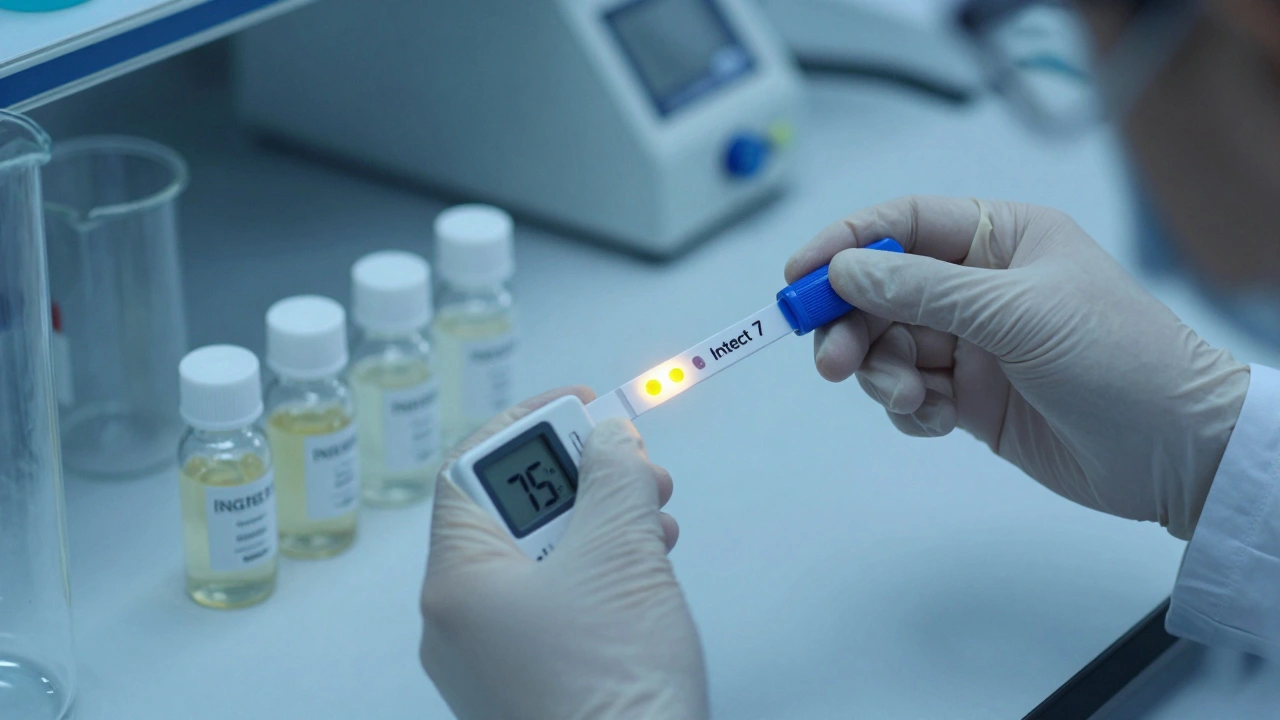
Modern labs use multi-parameter test strips that check for more than just the basics. The Intect 7 strip, for example, looks for:
- Glutaraldehyde (used in fake urine to preserve it)
- Chromate and nitrite (common in cleaning products)
- Bleach at levels as low as 0.005%
- Pyridinium chlorochromate (PCC), a powerful oxidizer used to mask THC
Compared to older strips like the AdultaCheck 6, Intect 7 is more sensitive. It caught 15% more adulterated samples at low concentrations. Why? Because it measures specific gravity more accurately and checks for more chemicals.
But even these strips have limits. They can’t detect every new formula. That’s why labs now use something called LC-HRMS-Liquid Chromatography with High-Resolution Mass Spectrometry. This isn’t a dipstick test. It’s a molecular scan. It doesn’t look for one thing. It looks at all the molecules in the sample and compares them to a database of thousands of known human urine compounds.
Researchers at the University of California used artificial intelligence to train a model on over 5,000 urine samples. The system learned the subtle patterns of real vs. fake. It flagged adulterated samples with 92.4% accuracy. The catch? It needs a full lab setup. It’s slow. Expensive. And it can’t always tell why something’s fake-just that it’s not normal.
The Temperature Trick: The Simplest Line of Defense
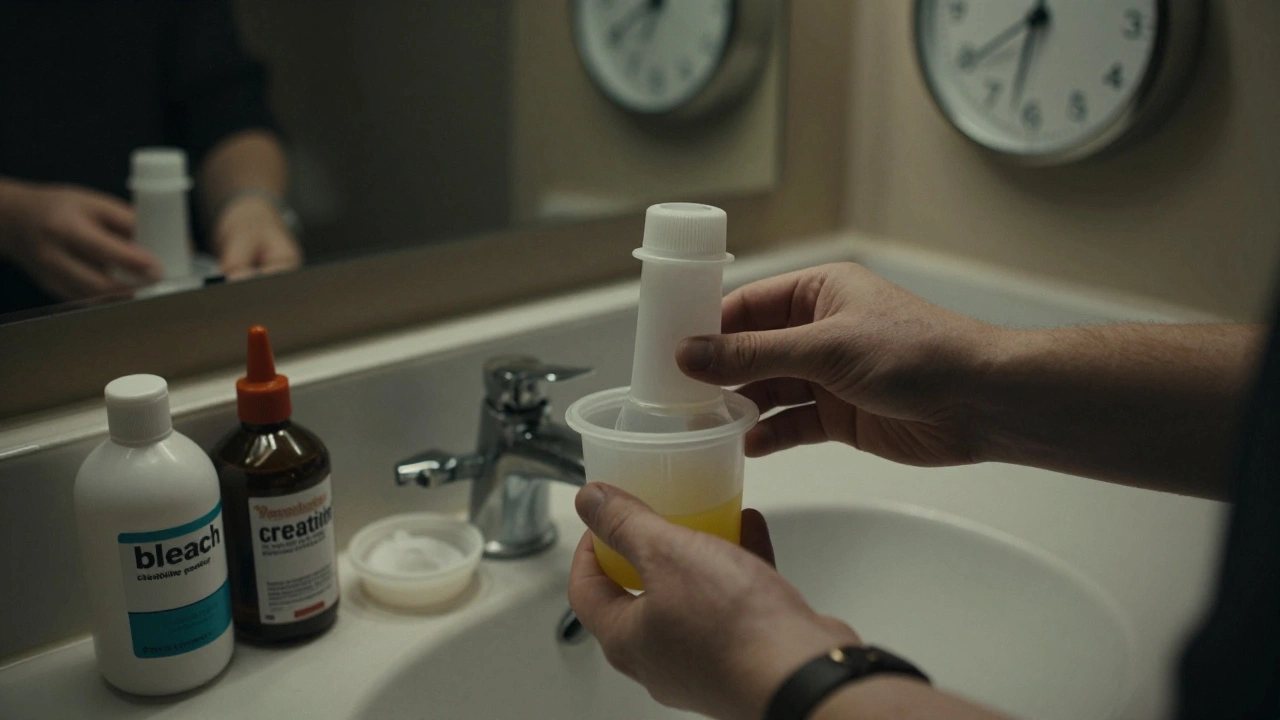
Here’s something most people don’t know: urine leaves the body at 98.6°F. It cools fast. By the time it hits a collection cup, it’s already dropping.
That’s why every legitimate collection site has a temperature strip. Valid samples must be between 90°F and 100°F-and measured within four minutes of collection. Why four minutes? Because after that, even fresh urine cools to room temperature. If it’s 75°F? That’s not a real sample. It’s been sitting on a shelf or in a pocket.
And yes, people still try to warm fake urine with hand warmers or microwaves. But if the sample is too hot-over 100°F-it’s flagged. Overheating denatures proteins and changes chemical behavior. Labs see that too.
Why Synthetic Urine Keeps Getting Better
Here’s the real problem: synthetic urine keeps improving. Five years ago, most fake urine kits didn’t include creatinine. Now, they do. They match pH. They even have the right viscosity and color.
Some manufacturers now claim their products “pass all standard SVT tests.” And they’re not lying. In 2023, a survey of 300 labs found that 63% said they had low confidence in detecting the latest synthetic urine products. That’s not because the labs are lazy. It’s because the science hasn’t caught up.
There’s one promising development: a new colorimetric assay introduced in 2021 that detects a hidden biomarker unique to human urine. But manufacturers won’t say what it is. They call it proprietary. That’s intentional. If they told the public, it’d be easy to fake.
What Actually Works: Prevention Over Detection
Here’s the truth: no test is 100% foolproof. But there’s one method that comes close.
Direct observation. That’s right. Someone watches you pee.
The Substance Abuse and Mental Health Services Administration (SAMHSA) says direct observation is 99.2% effective at stopping substitution and adulteration. No tricks. No fakes. No temperature swaps. You’re being watched.
It sounds invasive. It is. But it works. And it’s used in high-risk settings: probation programs, opioid treatment centers, and federal safety-sensitive jobs.
Other prevention tactics:
- Limit water access before testing (no more than 8 oz per hour)
- Use tamper-proof collection containers with secure lids
- Require collection in private rooms with no sinks or water sources
- Train staff to spot suspicious behavior-excessive nervousness, bringing a flask, refusing to follow protocol
The Arms Race Isn’t Over
The global drug testing market hit $5.78 billion in 2022. And it’s growing. Why? Because demand for detection keeps rising. So do the tools to beat it.
Manufacturers like Thermo Fisher Scientific and Alfa Scientific Designs are racing to build smarter test strips. One company plans to integrate machine learning into its next-generation devices by late 2024. That means real-time analysis in the field-not just in the lab.
But here’s the reality: every time a new detection method is developed, someone figures out how to beat it. It’s a cycle. And right now, the bad guys are winning on one front: synthetic urine.
The solution? Not better tests. Better protocols. More observation. Better training. And accepting that no single tool is perfect.
Final Thought: Detection Is Only Half the Battle
Drug testing isn’t about catching cheaters. It’s about safety. In workplaces, it’s about preventing accidents. In courts, it’s about accountability. In treatment, it’s about recovery.
When someone tries to adulterate a sample, they’re not just avoiding a test. They’re avoiding responsibility. And that’s why the fight continues-not just with chemistry, but with common sense, oversight, and human judgment.