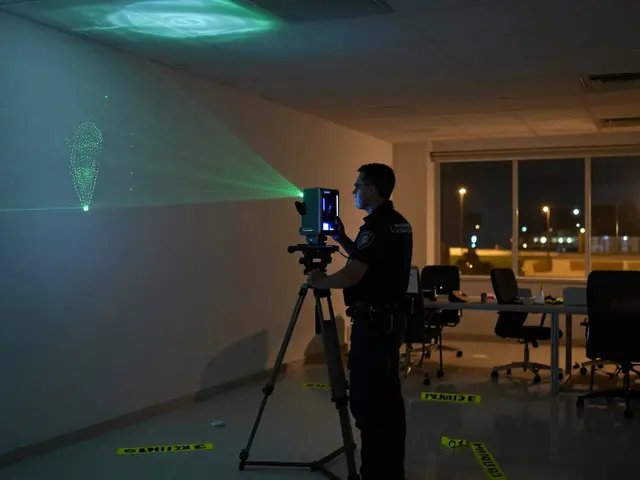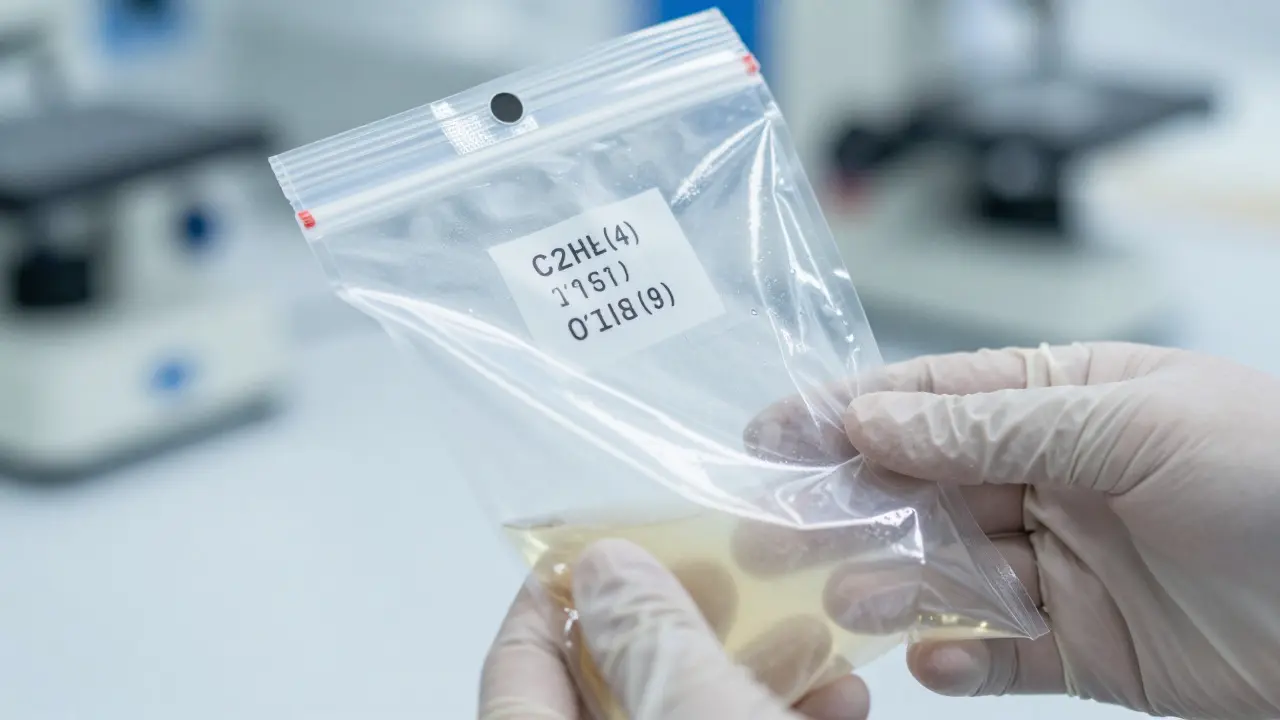
Imagine a jury watching a video where a detective hands a bag of drugs to a technician without writing down the time. Or maybe they see a blood sample sitting on a counter for three hours before being sealed. In those moments, the physical evidence might be real, but its legal value starts to crumble. This is why chain of custody documentation isn't just paperwork; it is the backbone of forensic integrity. Without precise records tracking every hand that touches an item, defense attorneys can argue contamination, tampering, or loss. The goal is simple: prove that the evidence in court is exactly what was collected at the scene.
The Core Components of a Valid Record
At its heart, chain of custody documentation is a chronological log. It tracks the movement and control of physical evidence from the moment of collection through final disposition. While formats vary by agency, certain data points are non-negotiable for maintaining legal admissibility. If one of these elements is missing, the entire record becomes vulnerable to challenge under rules like the Federal Rules of Evidence or state-specific statutes.
First, you need the Evidence Identifier is a unique alphanumeric code assigned to each item to distinguish it from others in the same case. Using generic descriptions like "blue shirt" is risky if multiple similar items exist. Instead, use specific tags like "EX-0045-A." Second, the Description must be detailed enough to identify the item without seeing it. For biological samples, note volume, color, and container type. For firearms, include make, model, serial number, and caliber.
Third, the Date and Time stamps must be synchronized. A discrepancy of even five minutes between two officers' logs can raise questions about gaps in control. Use 24-hour military time to avoid AM/PM confusion. Finally, the Signature or Initials of both the transferring party and the receiving party create a mutual accountability loop. One signature alone is insufficient; it proves who gave it, but not who confirmed receipt.
Step-by-Step Documentation Process
Proper documentation follows a strict sequence. Skipping steps creates "gaps" that prosecutors hate and defense lawyers love. Here is how the process flows in a standard forensic workflow:
- Collection and Initial Packaging: The first entry is made by the collector. They record the location, date, time, and their own name. The item is placed in a sterile or appropriate container (e.g., paper bags for wet biological evidence to prevent mold). The seal is applied, and the seal number is recorded.
- Transfer to Evidence Technician: When the officer hands the item to the property room or lab tech, a new line is added. The officer signs off as the "releasing party," and the tech signs as the "receiving party." The reason for transfer (e.g., "storage" or "analysis") is noted.
- Laboratory Intake: The lab receives the item. The intake clerk verifies the seal against the log. If the seal is broken, it must be documented immediately with a photo and a note explaining the break. The item is then assigned to a specific analyst.
- Analysis and Storage: During testing, the item may move between rooms. Each move requires a log entry. If the item is returned to storage after partial analysis, the current condition and remaining quantity are noted.
- Final Disposition: After the case closes, the evidence is either destroyed, returned to the owner, or archived. The final entry notes the method (e.g., "incinerated") and witnesses present.
Critical Data Fields Comparison
Different types of evidence require slightly different levels of detail. A fingerprint card needs less environmental data than a decomposing body. However, the core fields remain consistent. The table below highlights the specific attributes required for common evidence categories.
| Evidence Type | Specific Description Requirements | Environmental Conditions | Container/Seal Details |
|---|---|---|---|
| Biological (Blood/DNA) | Volume (mL), color, consistency, source body part | Temperature at collection, humidity | Paper bag (wet) or tube (dry), vacuum seal ID |
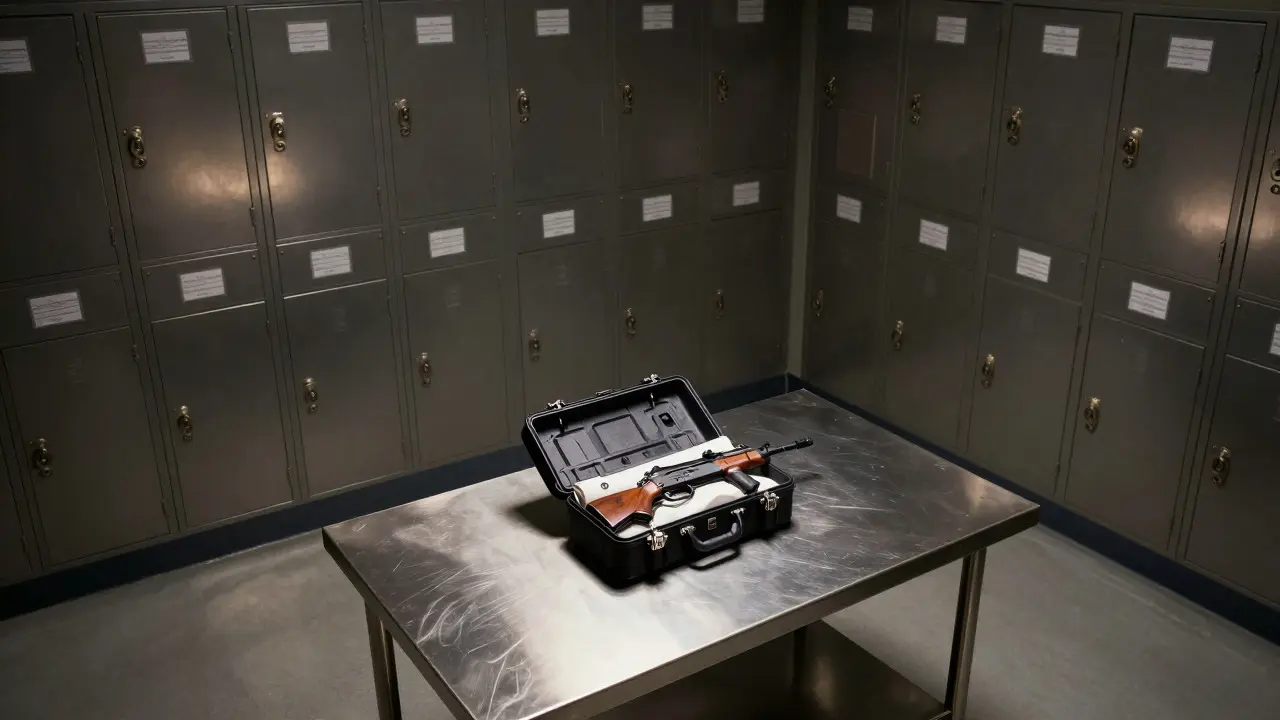
| Firearms | Make, model, caliber, serial number, chamber status | N/A (unless wet/corroded) | Gun box, safety tag, action lock status |
| Digital Media | Device type, OS version, last login, battery level | Faraday bag usage (yes/no), static precautions | Anti-static bag, write-blocker used (yes/no) |
| Drugs/Controlled Substances | Net weight, gross weight, appearance (crystal/powder) | Room temperature at weighing | Vacuum-sealed plastic, double-bagging protocol |

Common Pitfalls That Break the Chain
Even experienced investigators make mistakes that compromise evidence. The most frequent issue is the "gap in time." If a bag sits on a desk for four hours without a log entry, did anyone else touch it? Did it get exposed to sunlight or heat? To mitigate this, implement a rule: no evidence leaves your sight unless it is logged. If you must step away, lock it in a secured cabinet and note the start/end times of the absence.
Another major pitfall is inconsistent labeling. Handwritten labels that fade or become illegible after washing are useless. Use permanent markers or printed barcodes. Digital logs are superior because they are timestamped automatically and harder to alter retroactively. However, if using paper forms, ensure ink doesn't bleed. Carbon copies are outdated; use triplicate forms or digital scanning immediately upon completion.
Finally, ignore the "why." Every transfer should have a stated purpose. Moving evidence from Room A to Room B without a reason looks suspicious. Was it for photography? For preliminary testing? For long-term storage? Vague reasons invite scrutiny. Specificity builds credibility.
Digital vs. Paper Documentation
The shift toward electronic chain of custody systems has reduced human error significantly. Traditional paper forms are prone to loss, illegibility, and backdating. Electronic systems, often integrated into Case Management Software (CMS), offer audit trails. Every click, view, or edit is recorded with a user ID and timestamp. This makes it nearly impossible to hide a missing link.
However, digital systems have their own risks. Power outages, software glitches, or unauthorized access can corrupt data. Best practice is a hybrid approach during transition periods: maintain paper backups until the digital system is fully validated. Also, ensure that digital signatures meet legal standards (such as ESIGN Act compliance in the US) to hold up in court. A simple checkbox isn't always enough; biometric verification or secure PINs add a layer of authenticity.
Best Practices for Investigators and Technicians
- Train Regularly: Annual refresher courses on evidence handling reduce errors. Role-play scenarios help staff recognize potential breaks in the chain.
- Use Standardized Forms: Custom forms lead to inconsistency. Adopt industry-standard templates that align with ISO 17025 or local court requirements.
- Photograph Everything: Take photos of the item, the label, and the seal before packaging. These images serve as secondary proof if the written log is questioned.
- Secure Storage: Ensure evidence rooms have climate control and restricted access. Log all entries and exits to the room, not just the evidence itself.
- Audit Trails: Conduct random internal audits. Pick five random cases per month and verify that the physical evidence matches the digital/paper log exactly.
Legal Implications of Poor Documentation
If the chain of custody is broken, the consequence isn't always dismissal. Often, the judge will allow the evidence but give the jury a cautionary instruction. This means the jury is told, "The prosecution failed to prove exactly who had this evidence, so weigh its reliability carefully." In high-stakes cases, this doubt is enough to result in a hung jury or acquittal. Courts look for "reasonable assurance" of identity. If the documentation shows lapses, that assurance is gone.
For example, in a recent appellate ruling, a conviction was overturned because a DNA sample was left unattended in a hallway for 30 minutes without a log entry. The defense argued cross-contamination was possible. The court agreed that the burden of proof lay with the state to show continuous control, and the gap created reasonable doubt. This underscores that documentation is not bureaucratic red tape; it is the primary proof of integrity.
Frequently Asked Questions
What happens if the chain of custody is broken?
A broken chain does not automatically exclude evidence, but it weakens its probative value. The defense can argue tampering or contamination. The prosecution must provide a plausible explanation for the gap to maintain admissibility. If the explanation is weak, the judge may instruct the jury to view the evidence with skepticism, which can lead to acquittal.
Is a digital signature legally valid for chain of custody?
Yes, provided the system complies with local laws such as the ESIGN Act in the United States. The signature must be attributable to a specific individual, and the system must maintain an immutable audit trail. Simple email confirmations are generally weaker than dedicated forensic software signatures, which log IP addresses and timestamps.
How long must chain of custody records be kept?
Retention periods vary by jurisdiction and case type. Generally, records must be kept for the duration of the case plus any appeal period. For felonies, this can mean decades. Many agencies retain records permanently for high-profile cases or destroy them after 10-20 years for minor infractions, following specific statutory guidelines.
Who is responsible for documenting the chain of custody?
Everyone who handles the evidence. Responsibility transfers with possession. The officer who collects it documents the first entry. The transport driver documents the transfer. The lab tech documents the intake. If a person takes possession without logging it, they are personally liable for any resulting evidentiary issues.
Can I use a sticky note for temporary chain of custody?
It is highly discouraged. Sticky notes fall off, fade, and lack security features. If you must use a temporary label, attach it with a tamper-evident seal and immediately transcribe the information into the official log within 24 hours. Treat temporary notes as drafts, not final records.