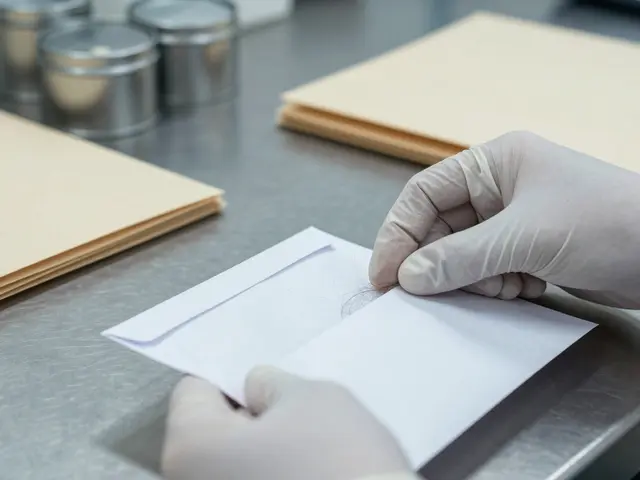
Author: Ian Brophy - Page 7

Forensic Engineer: The Accident Reconstruction Expert
- By : Ian Brophy
- Date : Aug 30 2026
Discover the role of a forensic engineer in accident reconstruction. Learn how physics, data, and evidence solve complex crash mysteries.
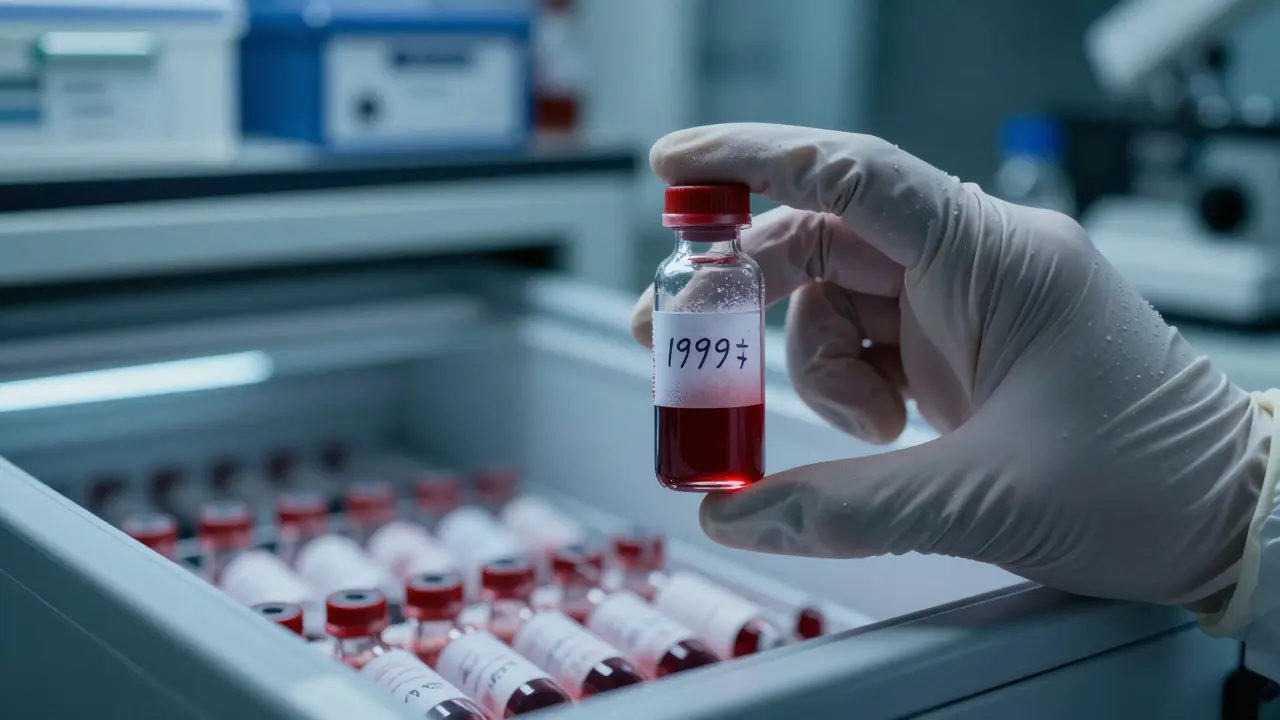
Cold Case Toxicology: How Retrospective Reanalysis Solves Mysteries
- By : Ian Brophy
- Date : Aug 29 2026
Discover how retrospective reanalysis solves mysteries in cold case toxicology. Learn why old samples hold new secrets and how modern tech changes justice.
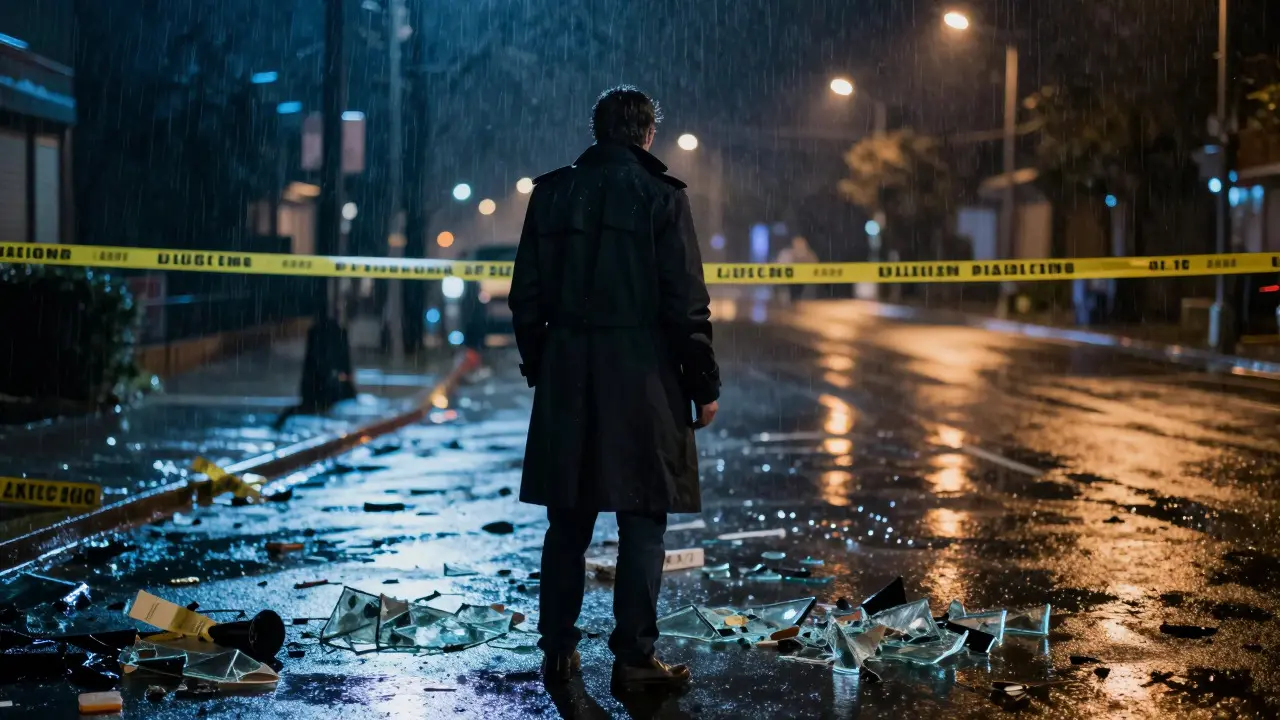
Behavioral Analysis: Decoding Criminal Motivations
- By : Ian Brophy
- Date : Aug 29 2026
Discover how behavioral analysis decodes criminal motivations by interpreting crime scene evidence. Learn the difference between MO and signature, and how psychological profiles guide investigations.
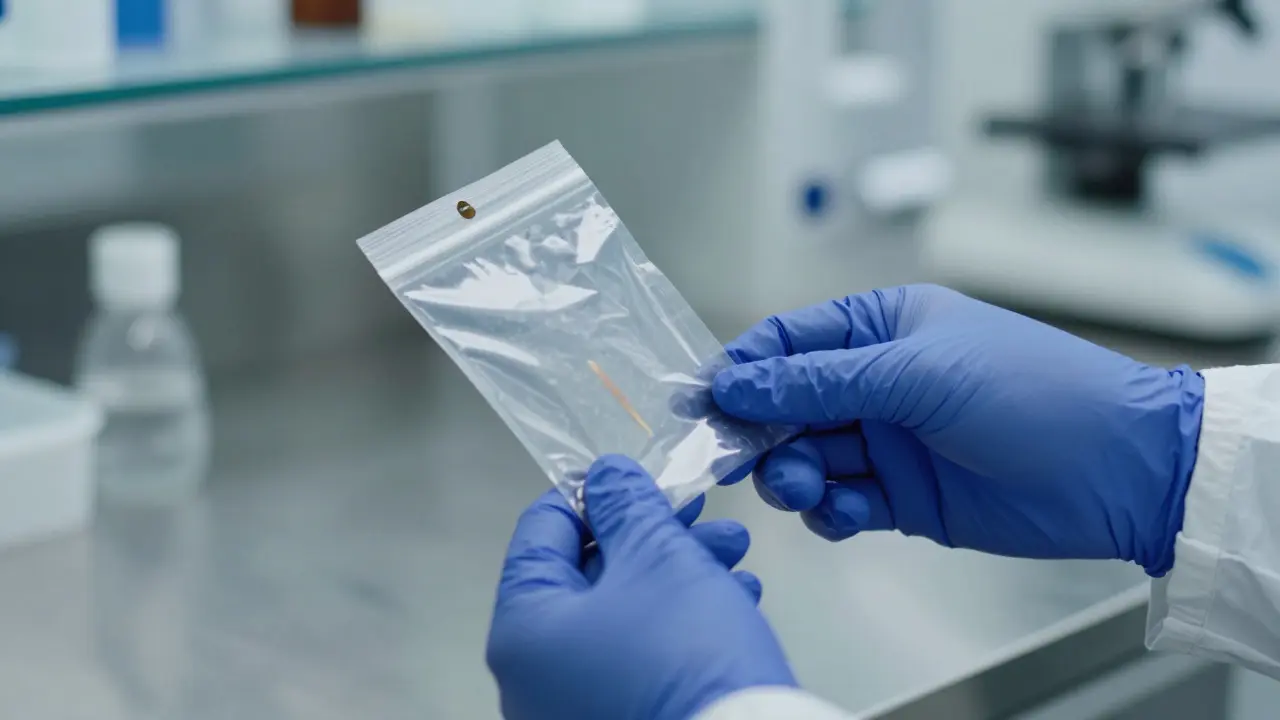
Maintaining Integrity During Evidence Custody Changes: A Practical Guide
- By : Ian Brophy
- Date : Aug 29 2026
Discover how to maintain evidence integrity during custody changes. Learn best practices for physical and digital transfers, avoid common pitfalls, and ensure legal admissibility.
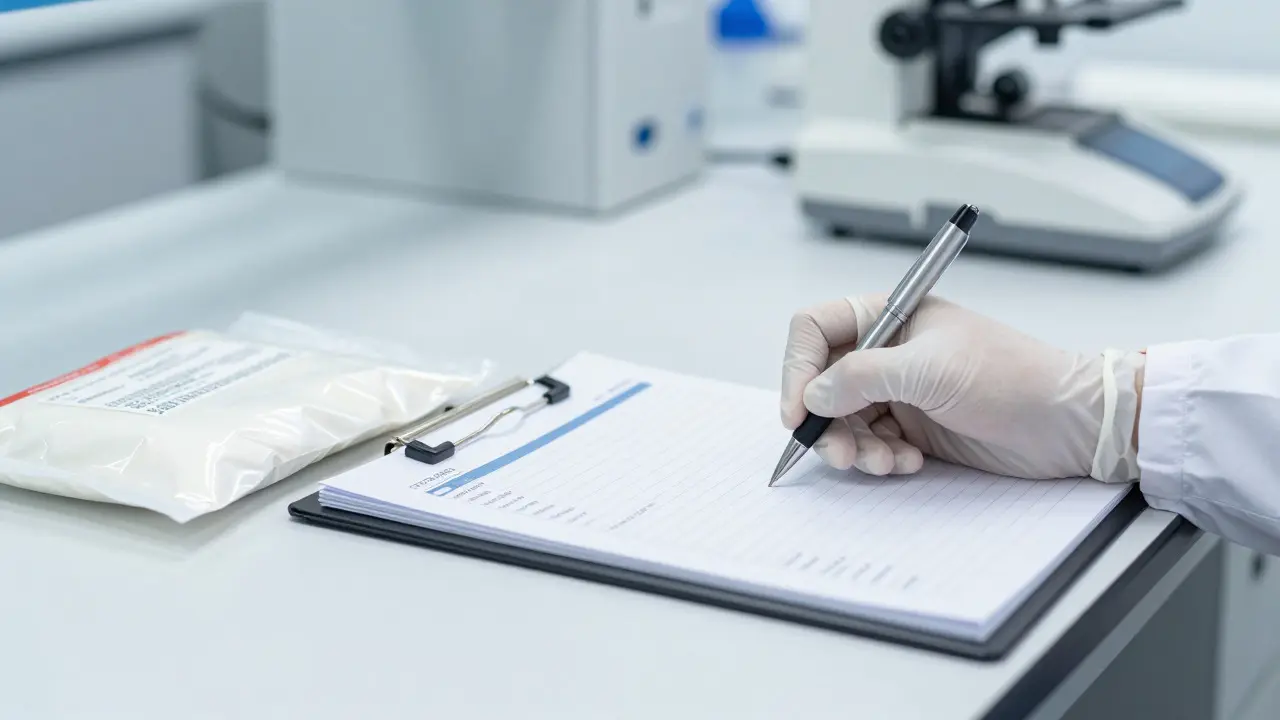
Forensic Report Structure: Essential Components for Admissibility
- By : Ian Brophy
- Date : Aug 28 2026
Learn the essential components of a forensic report structure, from chain of custody to conclusions. Avoid common mistakes that lead to evidence suppression.

Toxicology in DUI Cases: Legal Standards & BAC Limits Explained
- By : Ian Brophy
- Date : Aug 28 2026
Explore the legal standards for DUI cases, focusing on BAC limits, testing methods, and the role of forensic toxicology in court.
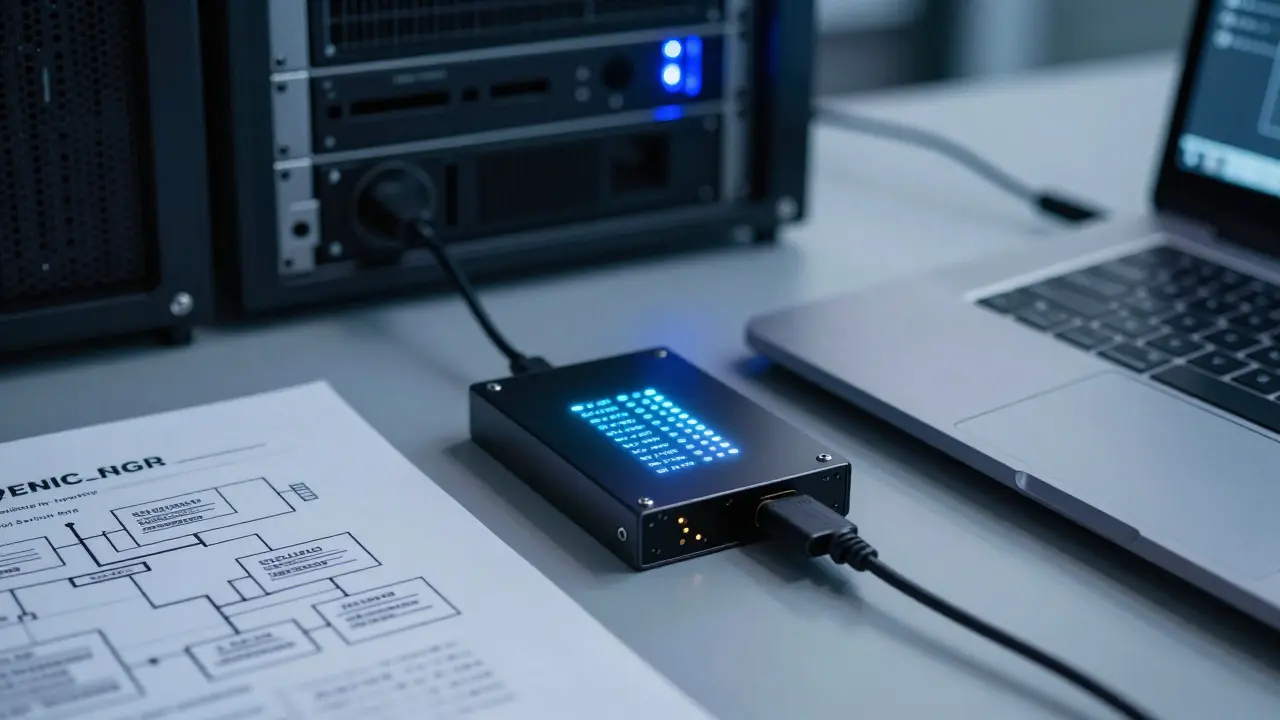
Timeline Analysis in Digital Forensics: Reconstructing Events Step-by-Step
- By : Ian Brophy
- Date : Aug 28 2026
Learn how to reconstruct digital events using timeline analysis. We cover MFT timestamps, log correlation, and fixing time zone errors to build a defensible forensic narrative.
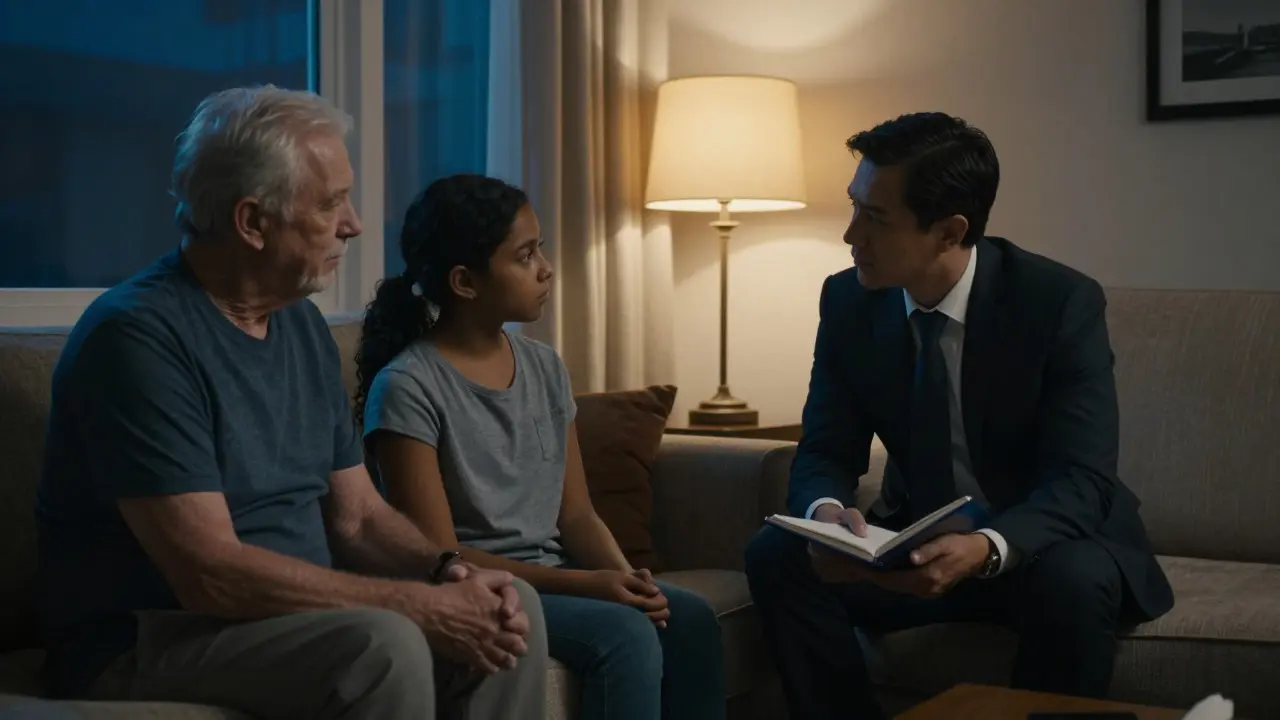
Culturally Sensitive Communication with Missing Persons Families
- By : Ian Brophy
- Date : Aug 27 2026
Learn how to communicate effectively with missing persons families by respecting cultural norms, religious beliefs, and communication styles. Practical tips for law enforcement.
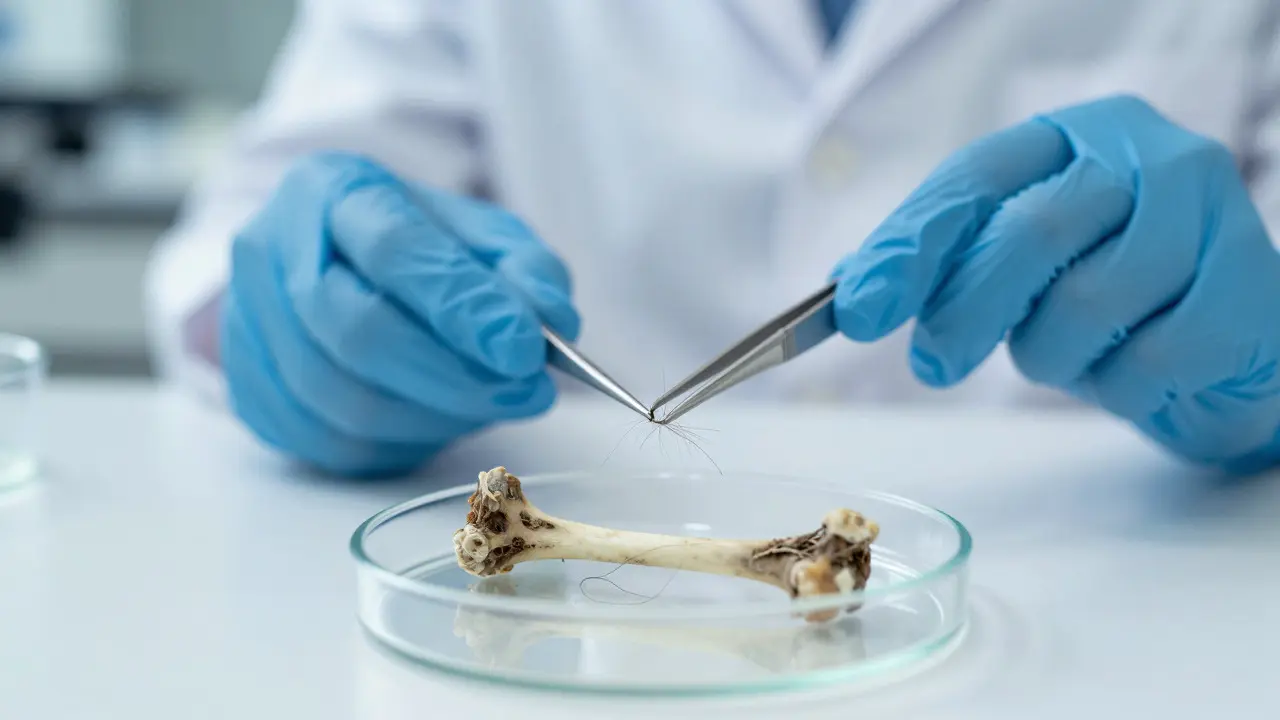
Mitochondrial DNA Analysis: Forensic Solutions for Degraded Evidence
- By : Ian Brophy
- Date : Aug 27 2026
Learn how mitochondrial DNA analysis solves forensic cases when standard nuclear DNA fails. Discover the science, limitations, and legal implications of using mtDNA for degraded evidence.
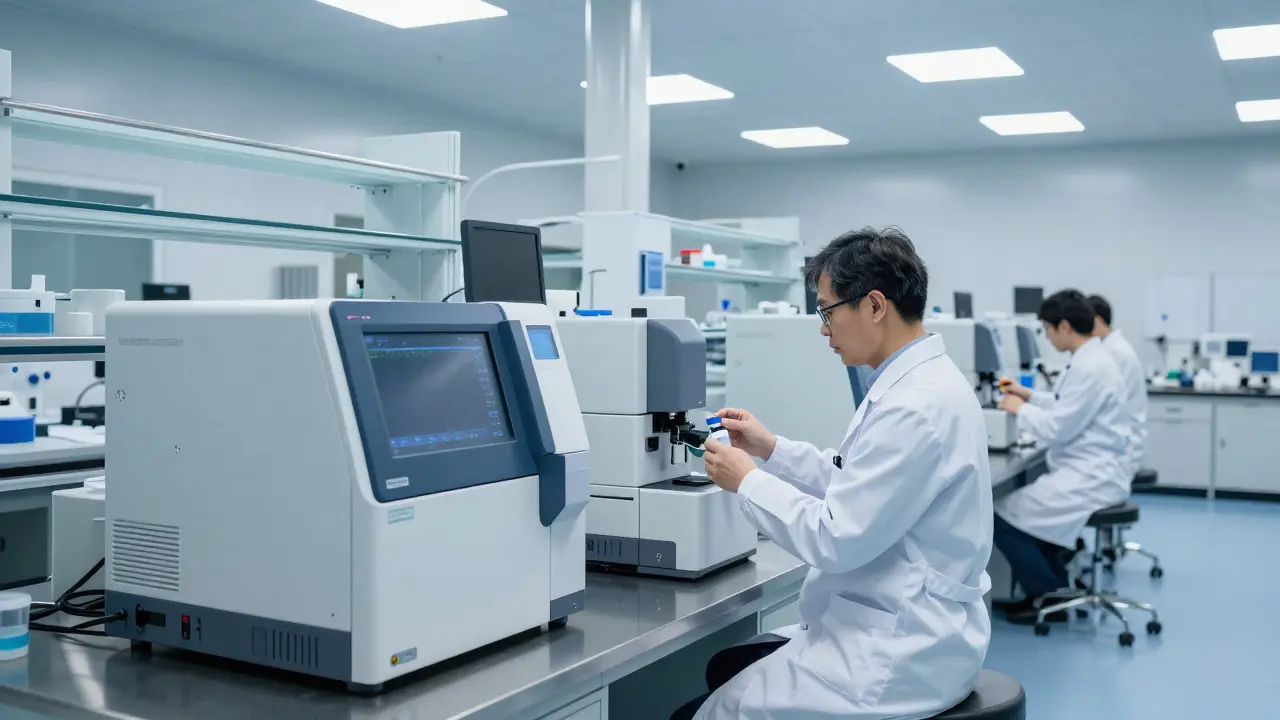
Accreditation Disciplines: Which Lab Tests Require Certification
- By : Ian Brophy
- Date : Aug 27 2026
Learn which lab disciplines require ISO 17025 accreditation. We break down the costs, benefits, and specific fields like forensics and toxicology where certification is essential.
Weight vs. Admissibility: How to Argue Evidence Effectively in Court
- By : Ian Brophy
- Date : Aug 26 2026
Stop confusing legal gates with jury persuasion. Learn how to distinguish admissibility from weight of evidence to win objections and convince fact-finders effectively.

Bloodstain Pattern Analysis: A Practical Guide for Investigators
- By : Ian Brophy
- Date : Aug 26 2026
Learn how to interpret bloodstain patterns using physics and geometry. This guide covers classification, angle calculations, and scene reconstruction techniques for accurate forensic analysis.