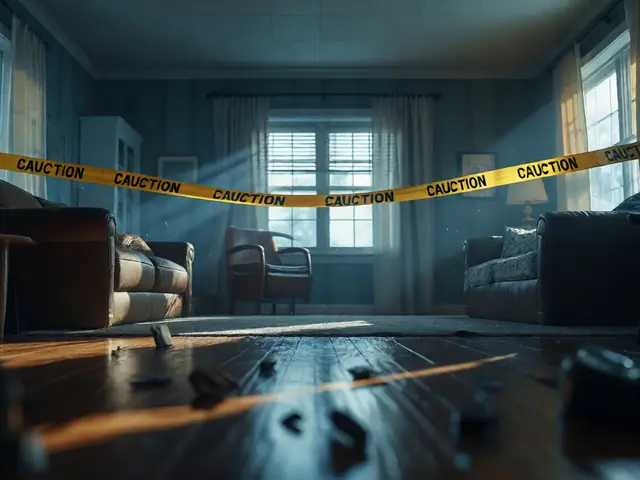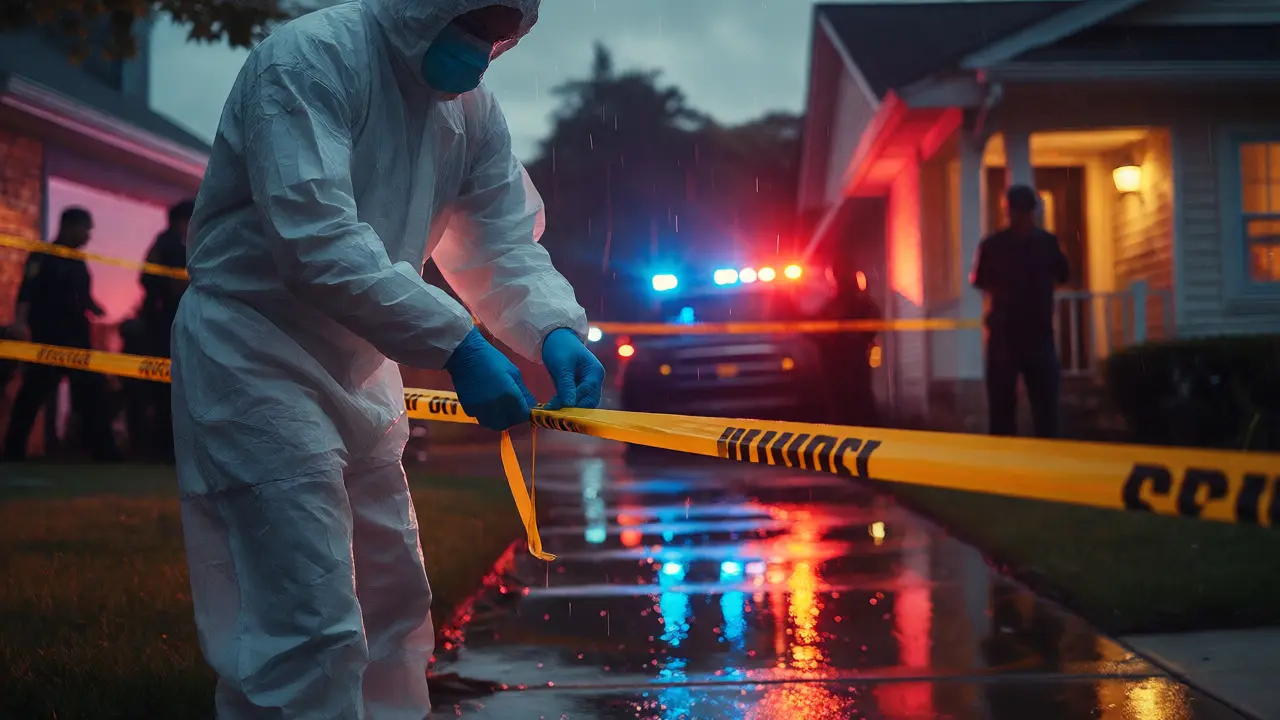
You’ve been on the phone with dispatch for three minutes. The suspect is still at large, or maybe he’s already gone. But the clock? It started ticking the second the first officer crossed that yellow tape. In Crime Scene Processing, time isn’t just money-it’s the difference between a conviction and a cold case. Every minute you spend fumbling with your camera settings is a minute the rain has to wash away blood spatter, or the crowd has to trample a footprint.
Most rookie investigators think crime scene work is about finding the needle in the haystack. It’s not. It’s about managing the haystack before it gets burned down. If you don’t have a grip on the timeline, you’re not investigating; you’re panicking. Let’s break down how to control the clock without cutting corners on quality.
The Critical First Ten Minutes
The initial phase of any scene is pure chaos. You arrive, you assess, and you secure. This window is non-negotiable. Your primary job here isn’t collecting evidence; it’s stabilizing the environment. Think of it like triage in an ER. You don’t set a broken leg while the patient is bleeding out from an arterial wound. Similarly, you don’t swab a door handle while a witness is trying to leave town.
During these first ten minutes, you need to establish a Scene Security Perimeter. If you wait until you’ve found every piece of evidence to expand the perimeter, you’ve already lost data. People move things. Dogs sniff things. Kids pick up shiny objects. Set the boundary wide. It costs you nothing to tape off an extra twenty feet of grass, but it costs everything if someone walks through your latent print area because you were too tight with the line.
- Identify Hazards: Is there gas? Bloodborne pathogens? Structural instability? Address these immediately.
- Capture Witnesses: Get names and contact info before they scatter. Their memories fade fast, and their willingness to talk fades faster.
- Document Entry Points: Note who entered, when, and why. This starts your Chain of Custody.
Systematic Documentation Beats Speed
Here’s where most people mess up. They rush to collect evidence because they’re afraid of leaving the scene. But remember: you can’t go back. Once you lift a fingerprint, it’s gone. Once you vacuum a carpet, the trace evidence is in a bag, not on the floor. Therefore, documentation must precede collection. Always.
Use a systematic approach to photography and sketching. Don’t wander aimlessly snapping photos. Pick a pattern-spiral, grid, or zone-and stick to it. Why? Because if you miss a spot, you won’t know what you missed until you’re reviewing the photos back at the lab, and by then, the scene is gone.
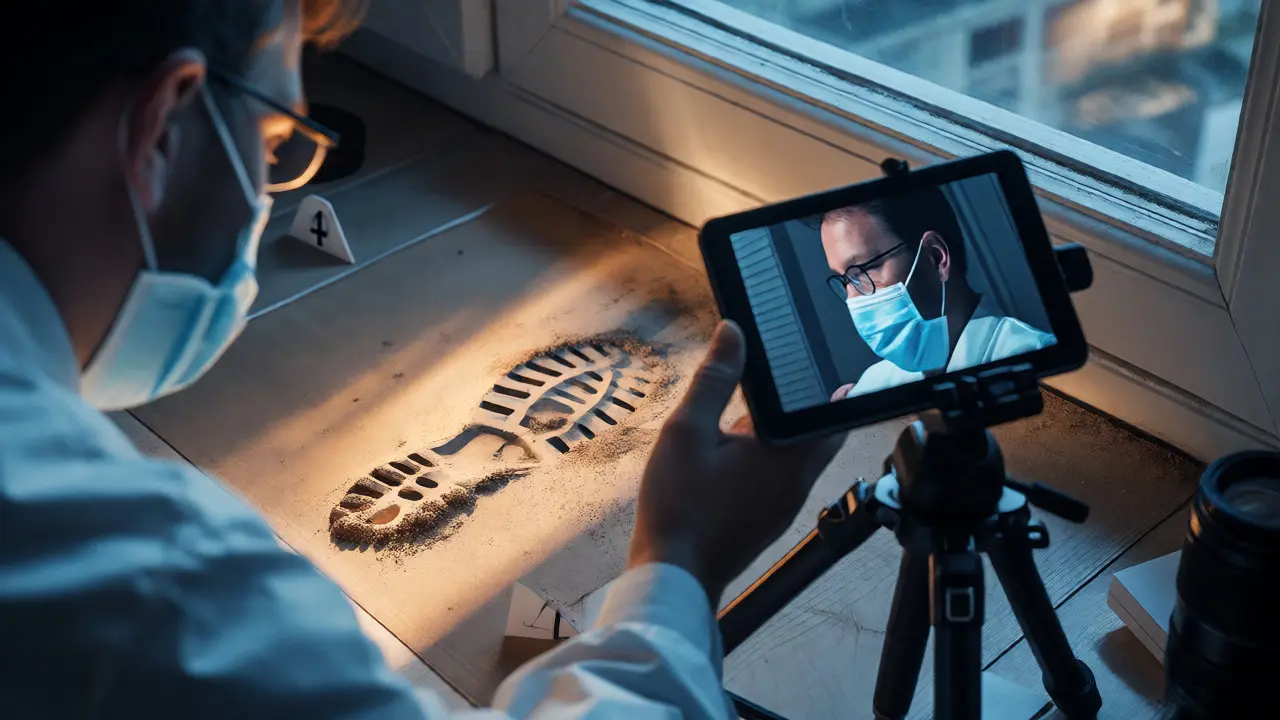
A common mistake is spending too much time on obvious evidence while ignoring the subtle stuff. A bloody knife is easy to see. A faint shoe impression in dust near the window? That requires time and lighting adjustments. Budget your time accordingly. Spend 40% of your on-scene time documenting, 40% collecting, and 20% packaging and labeling. If you flip those numbers, you’ll end up with bags full of evidence and no context for where it came from.
Managing the Human Factor
You are not working in a vacuum. You’re dealing with detectives who want answers now, prosecutors who want admissible evidence yesterday, and family members who are crying in the next room. Time management in crime scene processing is as much about people skills as it is about technical skill.
Detectives often pressure technicians to “just grab the gun” so they can interview suspects. Resist this urge. Explain that rushing the process compromises the integrity of the entire investigation. Use clear, firm communication. “I need fifteen more minutes to document the trajectory properly,” sounds better than silence followed by sloppy work.
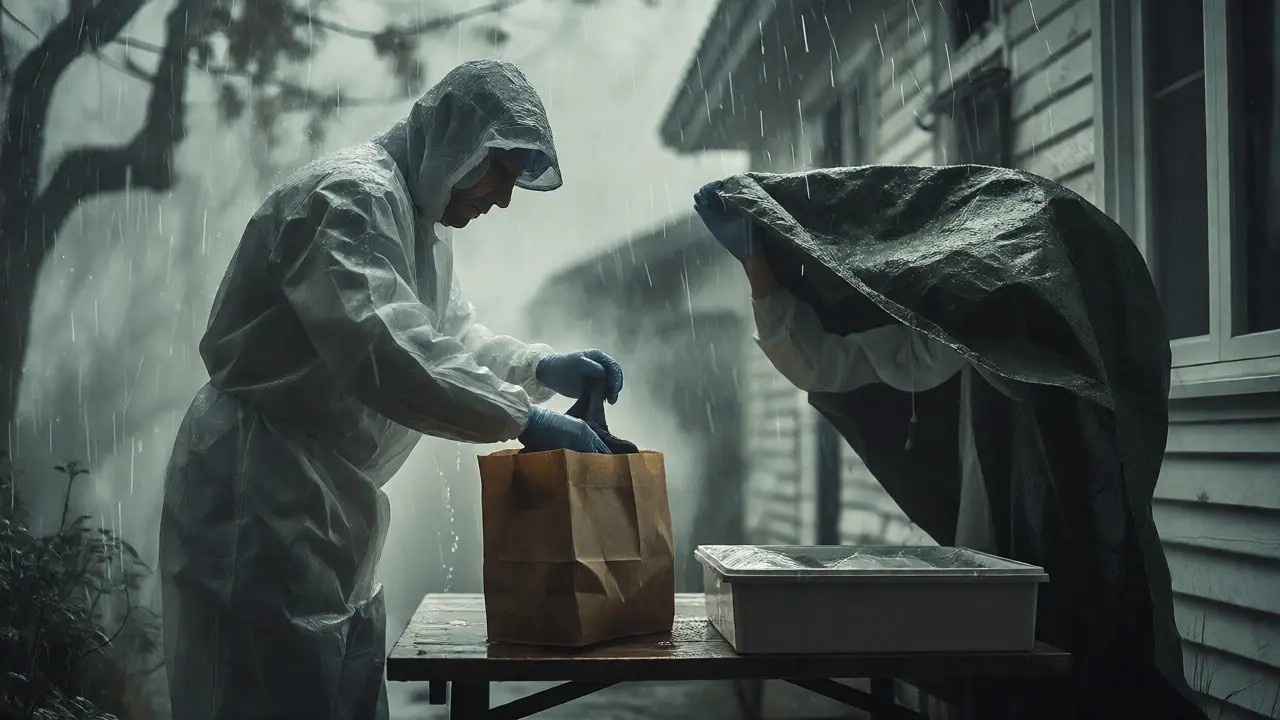
Also, consider the weather. If it’s raining hard, you have two choices: cover the scene (which takes time) or accelerate collection (which risks contamination). There’s no perfect answer, but having a pre-decided protocol saves decision fatigue. For example, if precipitation exceeds 0.5 inches per hour, switch to rapid collection mode for perishable biological evidence and prioritize waterproof packaging.
The Packaging and Transport Bottleneck
Once evidence is collected, the real race begins against degradation. Biological samples like blood, semen, or saliva degrade quickly, especially in warm temperatures. Mold can start growing on wet clothing within 24 hours if not dried properly. This means your packaging strategy needs to be efficient.
Don’t package items individually if you don’t have to. Group similar items from the same location if they won’t cross-contaminate. But be careful with fire debris. Arson investigators need specific containers to prevent volatile compounds from escaping. Using the wrong bag wastes time later because the lab will reject the sample, forcing you to re-collect or argue with the prosecutor.
| Evidence Type | Max Time Before Stabilization | Packaging Priority |
|---|---|---|
| Blood Swabs | 1 hour (dry) | Paper envelopes only |
| Fresh Food/Bio Waste | 2 hours | Refrigerated transport |
| Fire Debris | Immediate | Unlined metal cans |
| Latent Prints | Variable | Covered in place |
This table isn’t just theory. I’ve seen cases fall apart because a tech used plastic bags for damp clothes, turning them into petri dishes for mold. The lab couldn’t extract DNA. Case closed. Not solved. Closed.
Debriefing and Handoff Efficiency
The scene isn’t cleared when you walk out the door. It’s cleared when the last piece of equipment is accounted for and the report is drafted. Many technicians skip the debrief to get home, but that’s a false economy. Spending ten minutes reviewing what you found with the lead detective prevents fifty emails later asking, “Did we check the bathroom sink?”
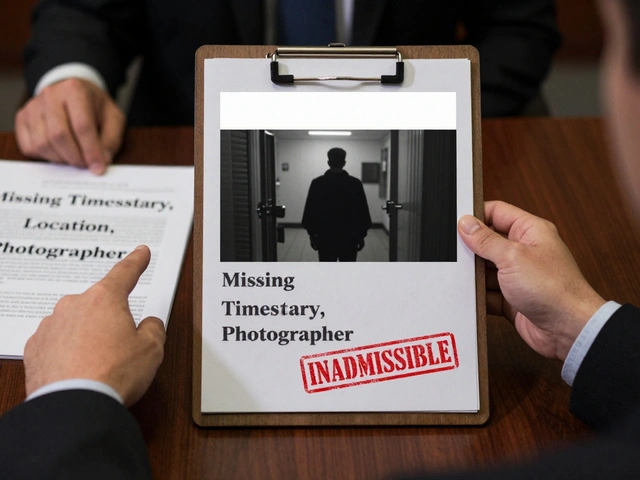
Do a final sweep. Look for forgotten tools, discarded gloves, or stray markers. Leaving trash at a scene looks unprofessional and can introduce contamination issues. Then, log your exit time. Accurate timestamps matter for legal challenges regarding how long the scene was open.
If you’re working a complex scene, consider bringing in help early rather than late. Two techs working in tandem can halve the processing time, provided they communicate clearly. Assign zones: one handles the interior, the other the exterior. No overlap, no confusion.
Tech Tools That Save Time
We live in 2026. If you’re still using paper notebooks exclusively, you’re losing time. Digital tablets with specialized apps allow you to tag photos with GPS coordinates and timestamp them instantly. This eliminates the post-processing nightmare of matching photo files to notebook entries.
However, technology fails. Batteries die. Apps crash. Always have a backup analog method. A good old-fashioned camera and a printed form can save the day when your tablet freezes in the middle of a storm. Don’t rely solely on cloud syncing either; download maps offline before you enter rural areas with poor signal.
How long should a typical residential crime scene take to process?
For a standard single-family home with moderate evidence complexity, expect 4 to 8 hours. Simple scenes might take 2 hours, while multi-room homicides with extensive biological evidence can stretch to 12+ hours. Factors like weather, team size, and accessibility heavily influence this timeline.
What is the biggest time-waster in crime scene processing?
Poor preparation and lack of a predefined workflow. Arriving without checking equipment batteries, forgetting specific packaging materials for suspected drugs, or failing to coordinate with detectives leads to redundant trips and delays. Planning reduces on-scene decision fatigue.
Does rushing evidence collection affect court admissibility?
Yes. Defense attorneys frequently challenge the chain of custody and collection methods. If documentation is sparse or inconsistent due to rushing, the defense can argue that evidence was mishandled or contaminated. Thorough, albeit slower, documentation strengthens admissibility.
How does weather impact time management?
Rain accelerates degradation of outdoor evidence and forces faster collection, potentially skipping detailed documentation steps. Extreme heat speeds up decomposition of biological samples. Cold slows chemical reactions but makes manual dexterity difficult. Adjust protocols based on current conditions to preserve integrity.
Should I process high-value evidence first?
Not necessarily. Process perishable evidence first (blood, footprints in mud). High-value items like weapons are usually stable enough to wait until after documentation. Prioritize fragility over perceived value to avoid losing critical data.