Imagine a three-year-old brought to the emergency room after a "fall down the stairs." The parents are frantic, the doctors are busy, and the initial X-rays look mostly normal. No obvious broken bones, no massive bleeding visible on the surface. The child is discharged with a diagnosis of minor trauma. Two weeks later, that same child returns in cardiac arrest and dies. Why? Because the first injury was a sentinel injury, a small, easily missed warning sign of severe non-accidental trauma (NAT). If we had caught it then, the outcome might have been different.
In forensic pathology, identifying these early warnings isn't just academic-it’s often the difference between a tragic accident and a preventable homicide. A sentinel injury is defined as an injury that is highly specific for abuse but occurs before the fatal event. It’s the canary in the coal mine. When you’re looking at autopsy findings or reviewing medical records, spotting these subtle signs changes the entire narrative of a case. You stop asking "how did this happen?" and start asking "why was this ignored?"
What Exactly Counts as a Sentinel Injury?
Not every bruise on a toddler is a red flag. Kids bump into things; they fall off beds; they play rough. So, what separates a normal childhood bruise from a sentinel injury? It comes down to location, age, and mechanism. The American Academy of Pediatrics uses the mnemonic "TEN-4 FACESp" to help clinicians decide when imaging is needed. If a child under four years old has bruising on the Torso, Ears, Neck, or any bruising if they are under four months old, that’s suspicious. Add in the face, eyes, or back, and your suspicion level goes way up.
But bruises are soft tissue. What about the hard stuff? Fractures are where the rubber meets the road. Certain fracture patterns are virtually pathognomonic for abuse. We aren’t talking about a simple forearm break from falling on an outstretched hand. We’re talking about posterior rib fractures or metaphyseal corner fractures. These don’t happen from casual falls. They require significant force applied in a specific way-usually pulling, twisting, or compressing the chest.
| Injury Type | Sentinel Indicator | Typical Accidental Mechanism | Forensic Significance |
|---|---|---|---|
| Posterior Rib Fracture | High specificity for abuse; caused by squeezing/compression | Rare in accidents unless high-speed impact | Often healed by time of death; requires skeletal survey |
| Metaphyseal Corner Fracture | Classic "bucket handle" fracture; indicates twisting/pulling | Extremely rare in short-distance falls | Strong evidence of inflicted trauma in non-ambulatory infants |
| Bruising on Ears/Neck | TEN-4 rule violation; unusual for self-inflicted bumps | Playground accidents usually hit knees/elbows | Indicates grabbing or choking mechanism |
| Subdural Hematoma (SDH) | Can be acute or chronic; associated with shaking | Possible in severe falls (>1 meter) but less common | Requires correlation with retinal hemorrhages |
The Skeletal Survey: Your Best Friend in the Morgue
If you’re performing an autopsy on a young child where abuse is suspected, do not skip the full skeletal survey. I’ve seen cases where the external exam looked clean, the brain showed some swelling, but the real story was hiding in the ribs. Posterior rib fractures are notoriously difficult to see on standard chest X-rays because they overlap with the heart and diaphragm shadows. But during an autopsy, you can palpate the ribs directly. Feel for calluses. A healing fracture feels like a hard lump under the periosteum.
Here’s a pro tip: always document the age of the fractures. Forensic anthropologists and pediatric radiologists can date fractures based on callus formation. If you find a fresh fracture and a healing fracture from two weeks ago, you have a pattern of repeated trauma. That’s not one bad day; that’s a cycle. This timeline reconstruction is crucial for legal proceedings. It proves intent and repetition, which elevates charges from manslaughter to murder in many jurisdictions.
Head Trauma and the Triad Debate
You’ve probably heard of the "triad" of abusive head trauma: subdural hematoma, retinal hemorrhages, and encephalopathy. For years, this triad was treated as definitive proof of shaken baby syndrome. But let’s be honest with each other-the science has evolved. While still highly suggestive, the triad isn’t infallible. Short falls, birth trauma, and even certain metabolic disorders can mimic parts of this picture.
So, how do you differentiate? Look for the context. Did the child have a history of prematurity? Were there coagulopathies? Did the caregiver provide a consistent history? If the parent says the child fell off a couch (less than 3 feet), but you find extensive bilateral subdural hematomas and severe retinal hemorrhages, the physics don’t add up. That discrepancy is your finding. In the autopsy report, phrase it carefully. Instead of saying "caused by shaking," say "inconsistent with stated history" or "highly suspicious for acceleration-deceleration injury." Let the jury connect the dots, but give them the right dots to connect.
Visceral Injuries: The Silent Killers
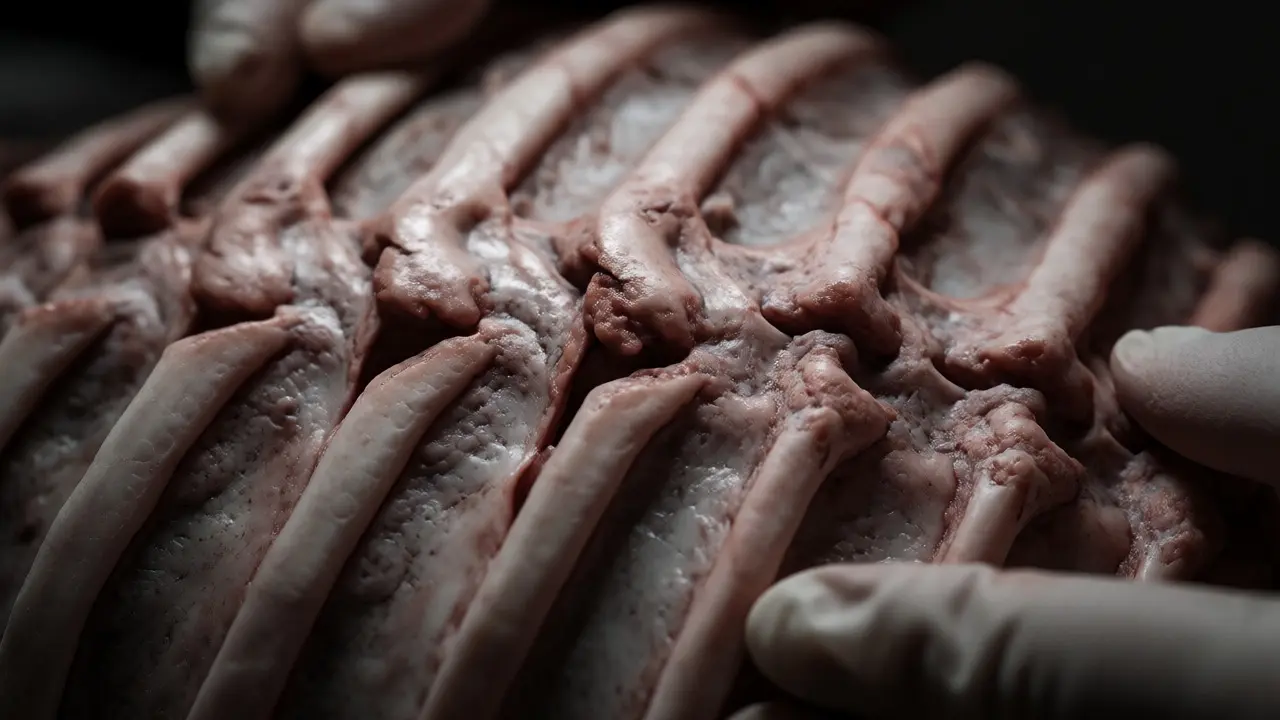
While bones and brains get all the attention, visceral injuries are sneaky killers. Liver lacerations, splenic ruptures, and bowel perforations can occur from blunt abdominal trauma. In abuse cases, these often result from kicks or punches to the abdomen. The problem? They can present days after the injury. A child might complain of stomach pain, get sent home with gas meds, and then crash from internal bleeding.
At autopsy, look for blood in the peritoneal cavity. Check the mesentery for tears. Often, the actual site of injury is small, but the bleeding is massive. If you see a liver tear without a corresponding external bruise, ask yourself: could a kick have happened through clothing? Yes. Could a fall explain a isolated liver laceration? Unlikely. Visceral injuries in young children are rarely accidental unless there’s major blunt force trauma like a car accident. If the history doesn’t match the severity of the internal damage, suspect abuse.
Pitfalls to Avoid During Examination
Even experienced pathologists miss things. Here are the most common traps:
- Assuming Normalcy: Just because the skin looks okay doesn’t mean the skeleton is. Always order a post-mortem CT or full skeletal survey if NAT is on the differential.
- Misinterpreting Birth Trauma: Newborns can have clavicle fractures or minor skull fractures from delivery. Don’t dismiss a rib fracture in a two-week-old as birth trauma without checking the healing stage. Birth trauma heals quickly; new fractures look different.
- Ignoring the Skin: Burns are classic. Immersion burns (stocking/glove distribution) show clear lines of demarcation. Splash burns look messy. If you see sharp edges on a burn, someone held the child in hot water. That’s intentional.
Reporting and Legal Implications
Your autopsy report is the cornerstone of the prosecution’s case. Be precise. Use terms like "indeterminate," "consistent with," or "inconsistent with." Avoid absolute statements unless you’re 100% sure. For example, instead of "The child was shaken," write "The intracranial findings are inconsistent with the provided history of a low-height fall and are compatible with acceleration-deceleration forces."
Remember, defense attorneys will attack your methodology. They’ll bring in experts who argue for natural causes. Your job is to show that you ruled out alternatives. Did you check for vitamin C deficiency (scurvy)? Did you test for bone fragility syndromes like Osteogenesis Imperfecta? Documenting these exclusions strengthens your conclusion.
Are all rib fractures in children considered abusive?
No, anterior rib fractures can sometimes occur from CPR or birth trauma. However, posterior rib fractures are highly specific for abuse due to the mechanical force required to break them (compression of the chest wall).
How long does it take for a sentinel injury to heal?
Soft tissue injuries like bruises resolve in 1-2 weeks. Bone fractures begin showing callus formation within 7-10 days and are fully healed in 4-6 weeks in young children. This timeline helps determine if injuries occurred at different times.
Can osteogenesis imperfecta mimic child abuse findings?
Yes, OI causes brittle bones and can lead to multiple fractures. However, OI usually presents with blue sclerae, dentinogenesis imperfecta, and a family history. Genetic testing and careful skeletal survey interpretation help distinguish OI from non-accidental trauma.
Why are sentinel injuries often missed initially?
They are often subtle, such as a small bruise behind the ear or a hairline fracture. Without a high index of suspicion or proper imaging (like a dedicated skeletal survey), these injuries are overlooked in favor of more obvious symptoms.
Is a single sentinel injury enough to diagnose abuse?
A single injury may raise suspicion, but a diagnosis of abuse typically relies on a constellation of findings: inconsistent history, multiple injuries of varying ages, and specific injury patterns (like posterior rib fractures). One injury warrants investigation, not necessarily immediate conviction.
Next Steps for Investigators
If you’re a detective or prosecutor handling a case involving a child’s death, demand the full autopsy photos and radiology reports. Ask specifically about the presence of sentinel injuries. If the pathologist mentions "healing fractures" or "subdural collections of varying ages," press for clarification. Was the history provided by the caregivers consistent with those timelines? Usually, it isn’t.
For medical students and junior pathologists: build your library of images. See ten cases of posterior rib fractures before you think you know what they look like. Context is everything. An isolated bruise means little; a bruise on the neck of a non-mobile infant means everything. Keep your eyes open for the small things. They’re often the loudest screams for help.