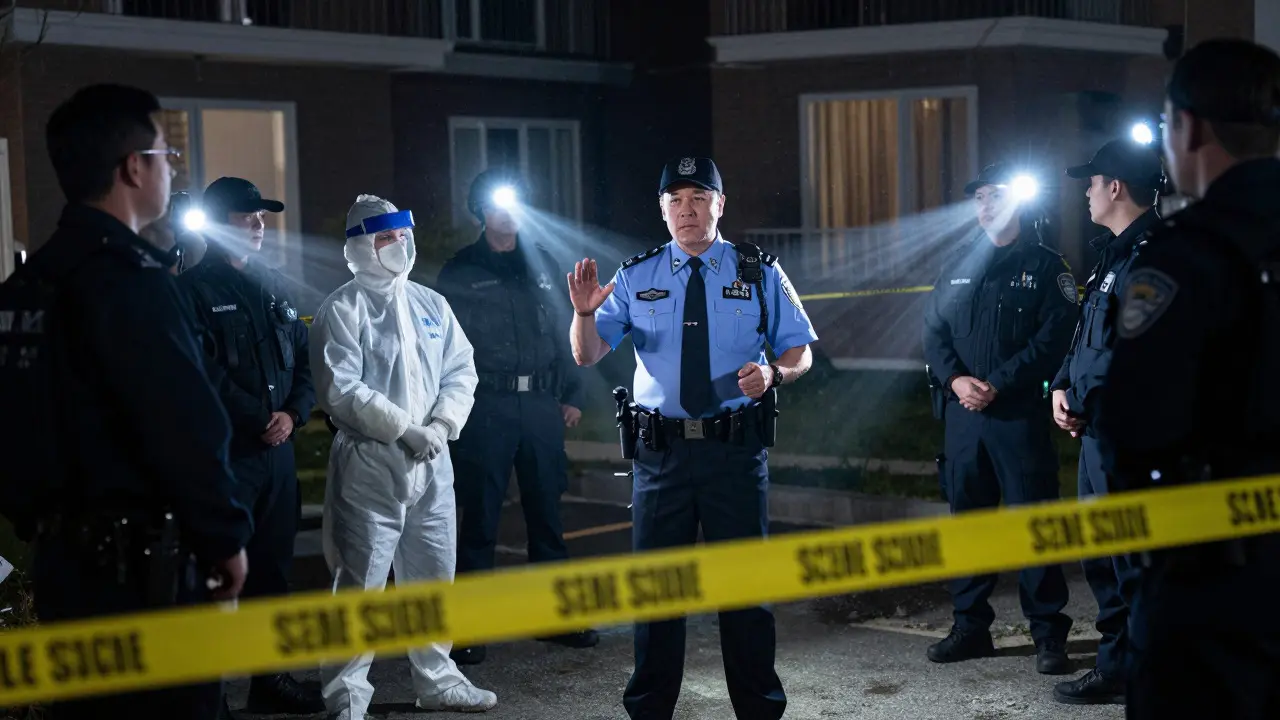
Walk into a chaotic crime scene without a clear plan, and you don’t just risk missing clues; you risk contaminating the entire case. A Crime Scene Briefing is a structured communication protocol used by law enforcement and forensic teams to define roles, assign tasks, and establish boundaries before processing begins. It’s the difference between a professional investigation and a disorganized scramble that leads to suppressed evidence in court. If you’ve ever watched a procedural show where officers bump into each other while looking for fingerprints, you know how quickly things can go wrong. The briefing stops that from happening.
Why the Briefing Matters More Than You Think
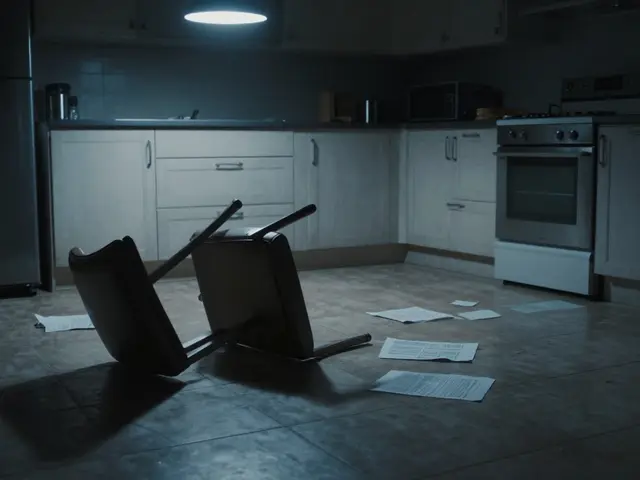
Most people assume the hard work starts when the first footprint is found. In reality, the hardest part often happens in the ten minutes before anyone touches anything. The primary goal of the Scene Commander is the officer with ultimate authority over the crime scene who controls access and directs operations. Their job isn't just to look at the body or the blood spatter; it's to manage the human element. Without a briefing, every officer on scene operates based on their own instinct. One might think they need to move a chair to get a better angle, not realizing that chair holds critical fiber evidence. Another might step through a wet area, destroying shoe impressions. The briefing aligns everyone under one set of rules immediately.
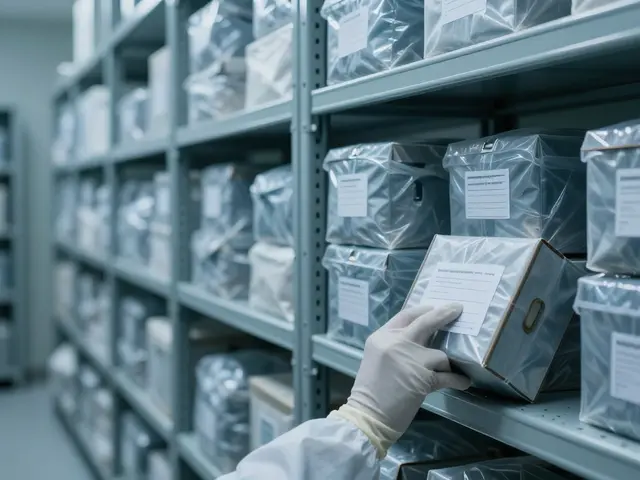
This alignment protects the Chain of Custody is the documented history of all evidence collected from a crime scene. If an unassigned officer picks up a weapon and hands it to a detective without logging it, the chain is broken. The defense attorney will spot that gap instantly. By defining exactly who collects what, the briefing ensures that every item has a clear owner from the moment it leaves the ground until it sits in a lab drawer.
The Core Components of an Effective Briefing
A standard briefing isn't a long speech. It’s a rapid-fire exchange of critical information. It typically covers four main areas: safety, scope, roles, and logistics. Let’s break down what actually gets said and why it matters.
- Safety Hazards: Are there live wires? Unstable structures? Biohazards like open wounds or chemical spills? The Hazmat Team may be specialists responsible for handling hazardous materials at crime scenes. If they aren't cleared the area, no one enters. This prevents injury and secondary contamination.
- Scope of Search: What are we looking for? Is this a homicide, a burglary, or a traffic accident? The scope determines how deep you dig. A robbery might focus on entry points and forced locks, while a homicide focuses on trajectory lines and biological markers.
- Role Assignments: Who is doing what? This is the most critical part. You need specific names attached to specific zones or tasks.
- Logistics: Where is the staging area? Where do vehicles park? How does communication work if radios fail?
Notice that "finding the killer" isn't usually in the briefing. That’s the outcome. The briefing is about the process. It keeps the team focused on execution rather than speculation.
Defining Roles: Who Does What
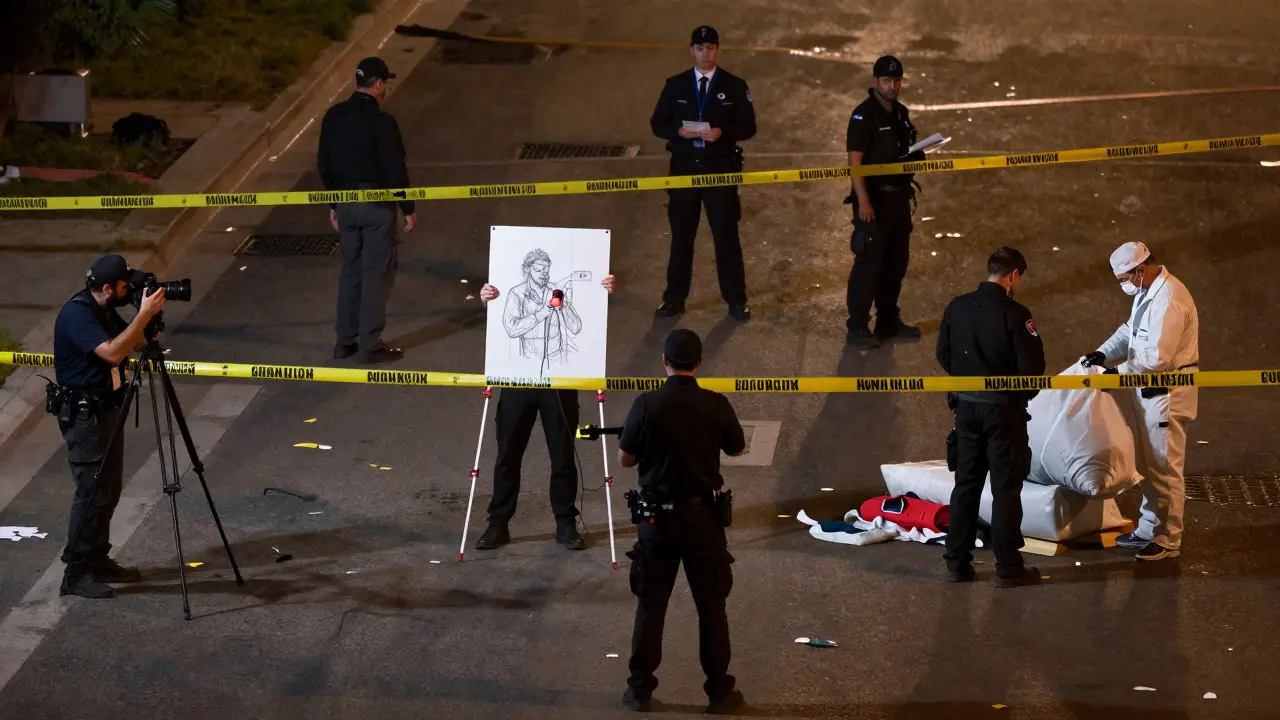
Confusion breeds error. When two people try to photograph the same piece of evidence, they block each other’s light and shadow angles. When two people try to collect the same latent print, they might wipe it away. Clear role assignment eliminates this friction. Here is how typical roles break down in a standard urban homicide or serious assault scenario.
| Role | Primary Responsibility | Key Action During Briefing |
|---|---|---|
| Scene Commander | Overall control, access management, decision making | Announces priority areas and strict no-entry zones |
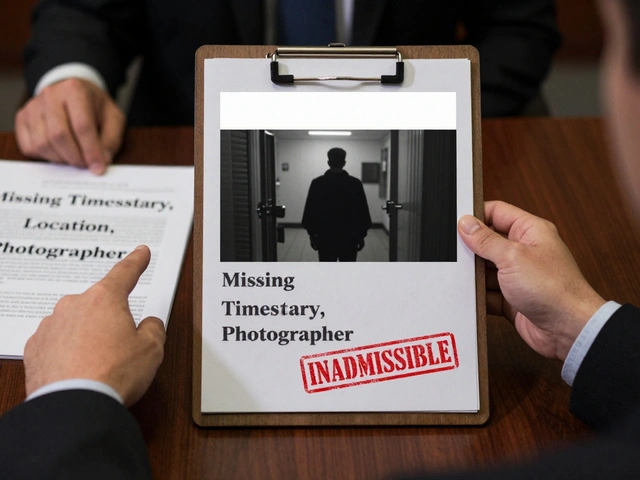
| Photographer | Visual documentation (overhead, mid-range, close-up) | Identifies lighting needs and tripod placement paths |
| Evidence Technician | Collection, packaging, labeling of physical items | Confirms supply kit contents and bagging procedures |
| Sketcher | Creating scaled diagrams of the scene layout | Establishes origin point and north reference direction |
| Medical Examiner | Body positioning, initial external examination | Notes body location relative to fixed objects before moving |
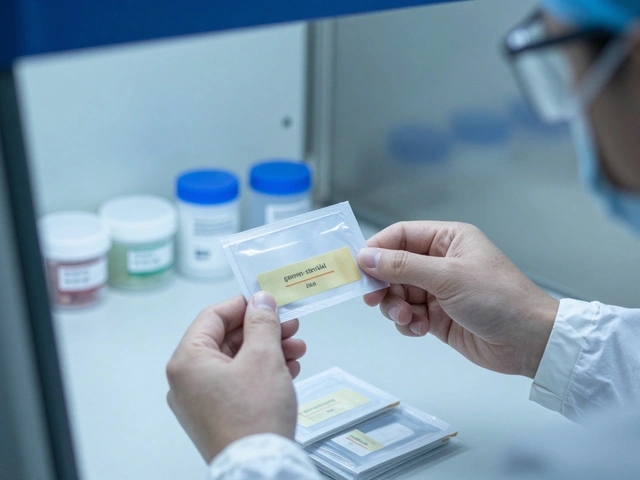
The Evidence Technician is a specialized officer trained in collecting, preserving, and packaging physical evidence. They are the backbone of the physical record. But even they need instructions. Do we collect everything within a five-foot radius of the body, or just obvious items? The briefing answers this. Similarly, the photographer needs to know if they should document the scene as-is or after the body is moved. This sequence is vital because moving a body changes the perspective of shadows and trajectories.
Tasking: Turning Roles into Actions
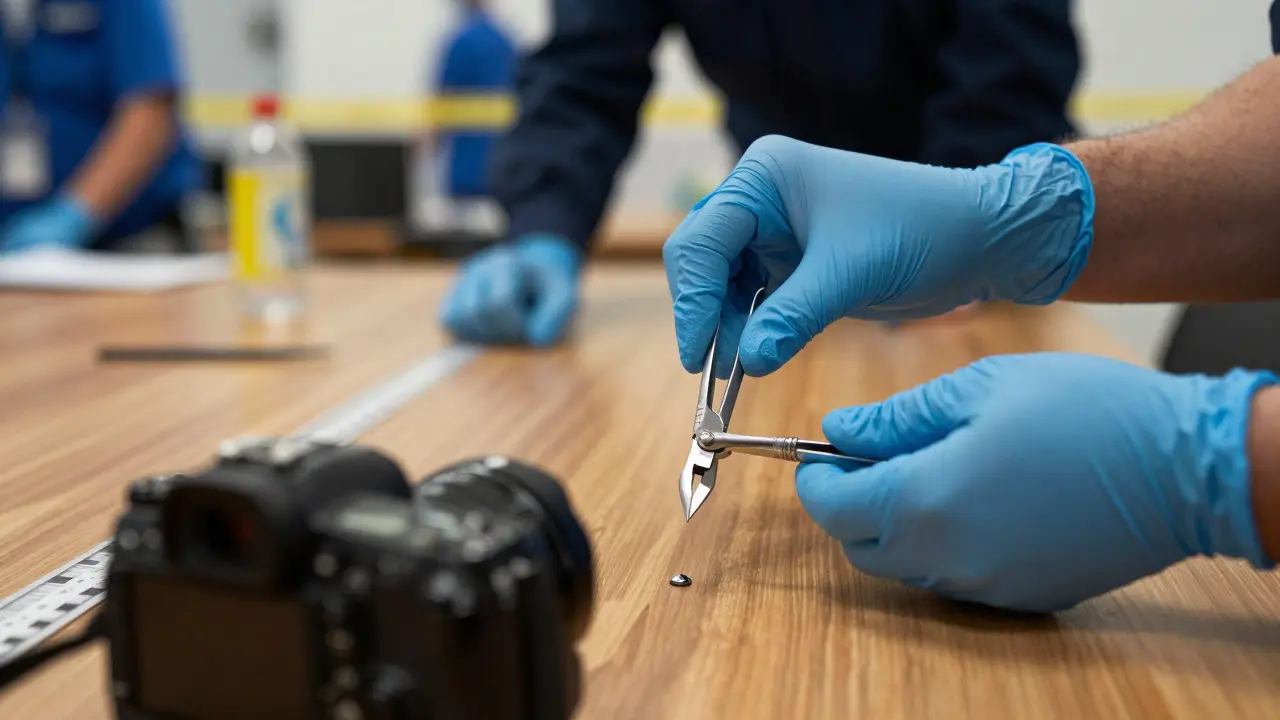
Having a role isn't enough. You need Tasking is the specific instruction given to an individual or team detailing exactly what actions to perform. Tasking is granular. It tells the technician exactly which bags to use, which markers to place, and which notes to write. For example, instead of saying "collect the knife," tasking would specify: "Collect the kitchen knife located on the floor near the sink. Use a rigid box. Note the blade orientation. Photograph in situ before lifting."
Effective tasking follows a simple logic: Observe, Document, Collect.
- Observe: Look at the item. Don't touch it yet. Note its position relative to walls, doors, and other objects.
- Document: Take photos with and without a scale ruler. Write down the exact location in your notebook.
- Collect: Pick it up using proper tools (tweezers, forceps). Bag it. Seal it. Sign it.
If you skip the observation step, you lose context. A bullet hole in a wall is just a hole. A bullet hole in a wall *aligned with* the victim's head and *opposite* the window is a story. Tasking ensures that story is captured before the item is removed.
Common Pitfalls and How to Avoid Them
Even experienced teams make mistakes during briefings. The most common issue is "scope creep." This happens when the team starts looking for things that weren't assigned. An officer sees a suspicious stain on the ceiling and starts collecting it without telling the commander. Later, it turns out to be old water damage. Now you have an unnecessary item in the evidence log, wasting lab time and money. To avoid this, the briefing must explicitly state what is *out of scope* or require verbal clearance for new discoveries.
Another major pitfall is poor communication channels. In large buildings or outdoor scenes, radio signals can drop. If the sketcher can't hear the commander, they might draw the room dimensions incorrectly. Always agree on a backup communication method, such as hand signals or a designated runner, during the initial briefing. Also, watch out for "evidence fatigue." After hours of standing still, technicians start rushing. The briefing sets the pace. If the commander emphasizes taking time over speed, the team will follow suit.
Best Practices for Real-World Application
You don't need a fancy app to run a good briefing. You need discipline. Keep it under five minutes. Stand in a visible location where everyone can see and hear you. Make eye contact. Confirm understanding by asking key personnel to repeat their specific task back to you. If the photographer says, "I'll shoot the whole room," ask, "What order? Overhead first, then mid-range, then close-ups?" This small check saves hours later.
Also, document the briefing itself. Have a note-taker record who was present, what time it started, and the key assignments made. This creates a paper trail showing that the scene was managed professionally. If the defense argues that the scene was trashed, your briefing notes prove that clear orders were given and followed. It’s a simple administrative step that adds massive weight to your credibility in court.
Frequently Asked Questions
Who leads the crime scene briefing?
The Scene Commander leads the briefing. This is usually the highest-ranking officer on scene or the officer designated by the dispatch center upon arrival. They have final say on all operational decisions.
How long should a crime scene briefing take?
A standard briefing should take no more than five to ten minutes. It needs to be concise to keep energy high and prevent confusion. If it takes longer, the team is likely losing focus or discussing irrelevant details.
What happens if someone finds new evidence after the briefing?
They must report it to the Scene Commander before touching it. The commander decides if it falls within the current scope or requires a new tasking order. This prevents unauthorized collection and maintains control over the scene.
Is the crime scene briefing recorded on video?
Ideally, yes. Body cameras or dedicated video units should record the briefing if possible. However, written notes are legally sufficient and often more practical in low-light or remote environments.
Do civilian witnesses participate in the briefing?
No. Witnesses are separated from the team as soon as possible. Including them in the briefing risks leading questions and emotional interference. They are interviewed separately by detectives, not included in operational planning.