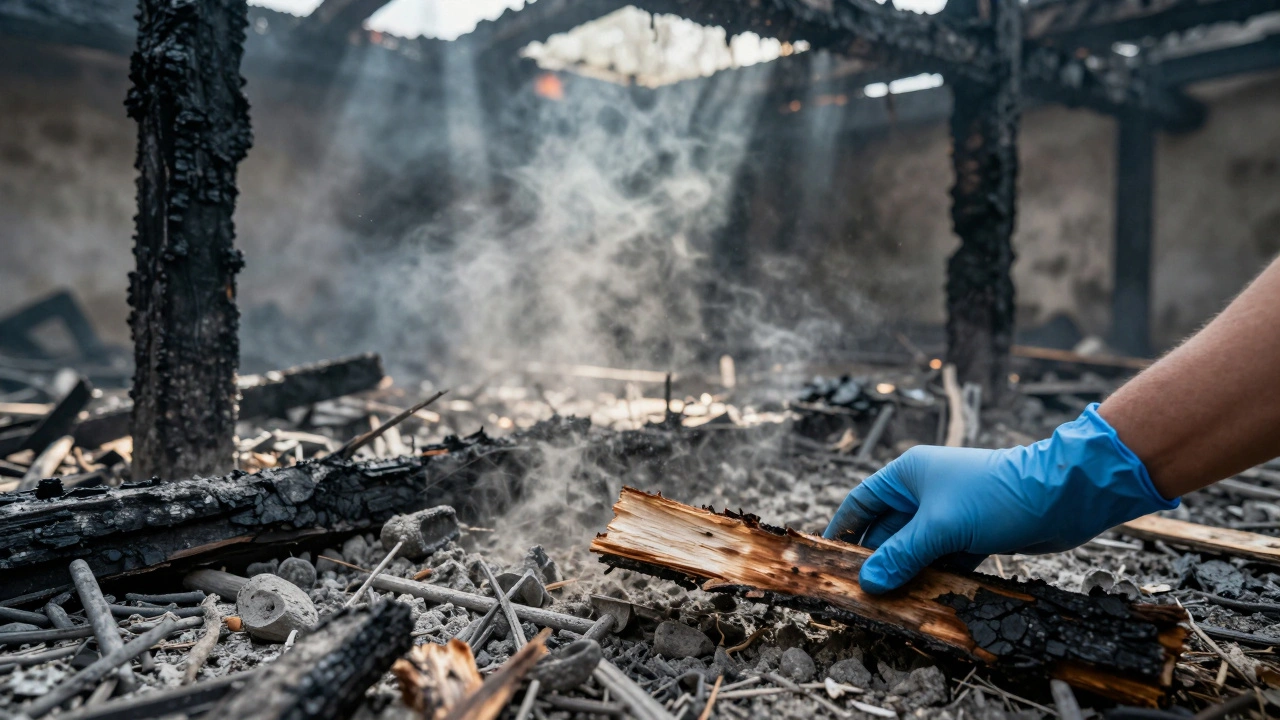
Imagine spending weeks meticulously combing through a charred building, only to have the most critical piece of evidence vanish because of a cheap plastic bag. In the world of fire investigation, this isn't just a nightmare-it's a common risk. When investigators look for ignitable liquid residues is volatile compounds left behind by accelerants like gasoline or kerosene, they are fighting a clock that starts the moment the fire is extinguished. These chemicals evaporate rapidly, and if your packaging isn't airtight, your evidence literally disappears into thin air.
The Golden Rule of Airtight Seals
The fundamental goal of fire debris packaging is to stop two things from happening: evidence escaping and outside contaminants getting in. Because accelerants are volatile, any gap in a seal allows the chemicals to leak out. Conversely, a porous container can let in environmental pollutants or residues from other samples, leading to cross-contamination that can ruin a case in court.
Forensic standards from the ATF (Bureau of Alcohol, Tobacco, Firearms and Explosives) and various state police agencies emphasize that only non-porous, airtight containers are acceptable. If you use the wrong material, you're not just risking the sample; you're risking the entire legal integrity of the investigation.
Choosing the Right Container
Not all containers are created equal. Depending on what you've recovered from the scene-whether it's a charred piece of carpet, a handful of soil, or a melted plastic bottle-you need to match the debris to the correct vessel.
For most solid debris, metal paint cans are the gold standard. They are puncture-proof and provide a superior seal. However, there's a specific trick to using them: only fill the can to 2/3 capacity. You must leave 1/3 of the container as air space. Why? Because the laboratory needs that headspace to extract the volatile vapors for analysis. If you stuff the can to the brim, you're making the lab's job nearly impossible.
When you're dealing with smaller items or liquids, glass jars with screw caps are a solid choice, provided they have Teflon-lined lids. Without that Teflon lining, the chemicals can react with the lid or leak through. Just be careful with sharp objects; a piece of broken glass or a nail can crack a jar, causing an immediate loss of evidence.
For oversized items like a heavy jacket or a set of jeans that won't fit in a can, you'll need nylon or polyester bags. These aren't your average trash bags-they must be heat-sealed to be airtight. If you don't have a heat sealer, some guidelines suggest folding the opening at least three times and securing it tightly with duct tape, though heat-sealing remains the professional preference.
| Container Type | Best For | Pros | Cons/Risks |
|---|---|---|---|
| Metal Paint Cans | Charred wood, fabric, sharp debris | Puncture-proof, excellent seal | Bulky; must leave 1/3 air space |
| Glass Jars (Teflon Lids) | Soil samples, small debris, liquids | Clear visibility, chemically inert | Fragile; can break with sharp objects |
| Nylon/Polyester Bags | Clothing, blankets, oversized items | Flexible, fits large objects | Requires heat-sealing for airtightness |
The "Never Use" List
There are a few containers that should never, under any circumstances, touch fire debris. First is the polyethylene plastic bag-think Ziplocs, grocery bags, or trash bags. These are porous. To the naked eye, they look sealed, but at a molecular level, volatile compounds pass right through them. Plus, you can't heat-seal them because the plastic just melts into a mess.
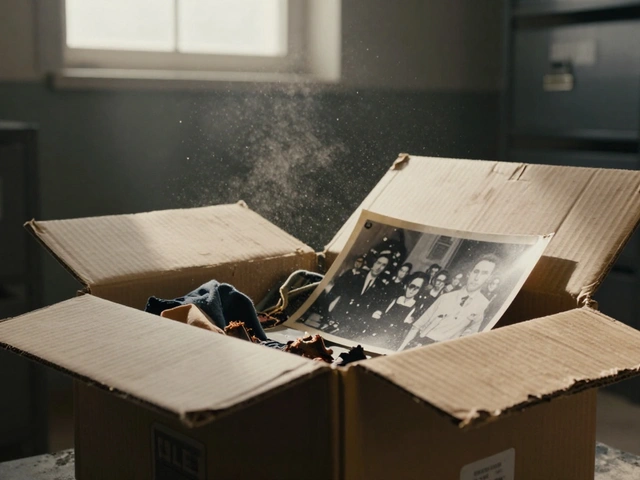
Similarly, keep paper bags and cardboard boxes far away from your evidence. Paper is breathable, which is the opposite of what you want. It also absorbs moisture and can deteriorate, potentially leaking the sample or allowing outside smells to contaminate the debris. If you see a piece of evidence in a paper bag, it's essentially a failed sample.
Stopping Cross-Contamination at the Source
Even the best can won't help if you've already contaminated the sample during collection. Cross-contamination can happen in four main ways: your tools, your turnout gear, the containers themselves, and the power tools (like generators) you're using on-site.
To prevent this, follow these practical steps:
- Dedicate your kit: Use a specific set of tools for fire scene processing. Don't use a shovel that was used at a different site last week without an exhaustive cleaning.
- Glove up: Use clean, disposable gloves. Change them every time you move to a new, unrelated piece of evidence or whenever they look soiled.
- Clean the rims: Before snapping the lid onto a metal can, make sure no debris is sitting on the rim. A single piece of charred wood caught in the seal creates a leak.
- Seal the perimeter: Don't just close the lid. Use tape that extends across the top and down the sides of the container. Initial the tape so your signature crosses from the tape onto the can; this creates a tamper-evident seal for the chain of custody.
Handling Specialized Samples
Different materials require different strategies. For example, soil is a tricky entity. Because it's non-rigid, it's hard to analyze in a bag. Glass jars are the first choice for soil. Once collected, you should freeze or refrigerate soil samples to stop microbes from eating the organic compounds you're trying to detect.
If you encounter an item too large for a can and you don't have a heat-sealable bag, don't try to cram it in. "Stuffing" a container eliminates the necessary air space and often compromises the seal. Instead, carefully cut or break the evidence into smaller pieces that can fit into multiple, properly sealed cans.
One critical warning for liquid samples: never send them through the standard mail. The risk of leakage and the regulations surrounding hazardous materials make this a legal and safety nightmare. Use specialized courier services or hand-deliver them to the lab.
Lab Validation and Quality Control
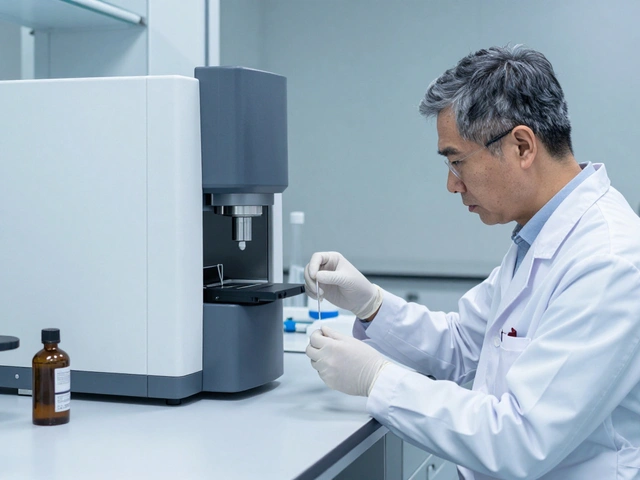
How do you know if your "clean" cans are actually clean? The smartest move is to have the laboratory test empty, unused containers before you ever take them to a scene. This ensures that the cans don't contain residual oils or chemicals from the manufacturing process that could be mistaken for an accelerant.
Once the evidence reaches the lab, the process is rigorous. Analysts start with a visual inspection to ensure the labeling matches the paperwork. They'll note any strong odors immediately. If a sample arrives in a suitable bag, the lab will often transfer it to a can or heat the bag to 65°C to reach thermal equilibrium before they start the actual chemical analysis.
Why can't I use Ziploc bags for fire debris?
Polyethylene bags, including Ziplocs, are porous. This means volatile ignitable liquid residues can evaporate through the plastic, leading to a loss of evidence. They also cannot be effectively heat-sealed, which is required to maintain a forensic-grade airtight environment.
What happens if I fill a metal can to the top?
If you fill a can completely, you remove the air space (headspace) required by the laboratory. Labs use this air to extract volatile organic compounds. Without that 1/3 air gap, the lab may struggle to detect the residues, potentially leading to a false negative result.
How do I prevent cross-contamination from my own gear?
The best way is to use a dedicated tool kit for fire scenes and wear clean, disposable gloves. You should change your gloves between collecting different pieces of evidence to ensure that residues from one area of the scene aren't transferred to another sample.
Which container is best for sharp objects?
Unused metal paint cans are the best choice for sharp objects because they are puncture-proof. Using plastic bags or glass jars risks the container being pierced or cracked, which would immediately compromise the airtight seal and destroy the evidence.
Should soil samples be stored at room temperature?
No, soil samples should be frozen (preferred) or refrigerated. This prevents microbial degradation, where bacteria in the soil consume the organic compounds you are trying to analyze, effectively erasing the evidence of an accelerant.