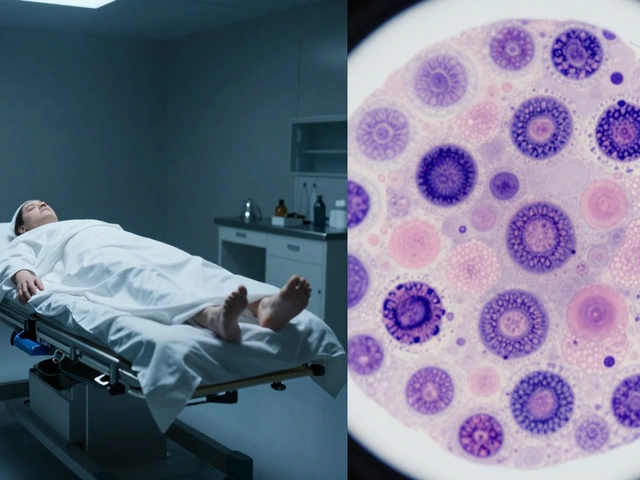
You probably know that a urine test tells you if someone smoked pot last night. But what if you need to know if they’ve been using opioids for the last six months? That’s where hair toxicology comes in. It’s not just about catching cheaters in sports or workplace screenings; it’s a critical tool in forensic toxicology used to detect long-term exposure to drugs and toxins. Unlike blood or urine, which clear out quickly, hair acts like a biological tape recorder, storing chemical evidence of past behavior.
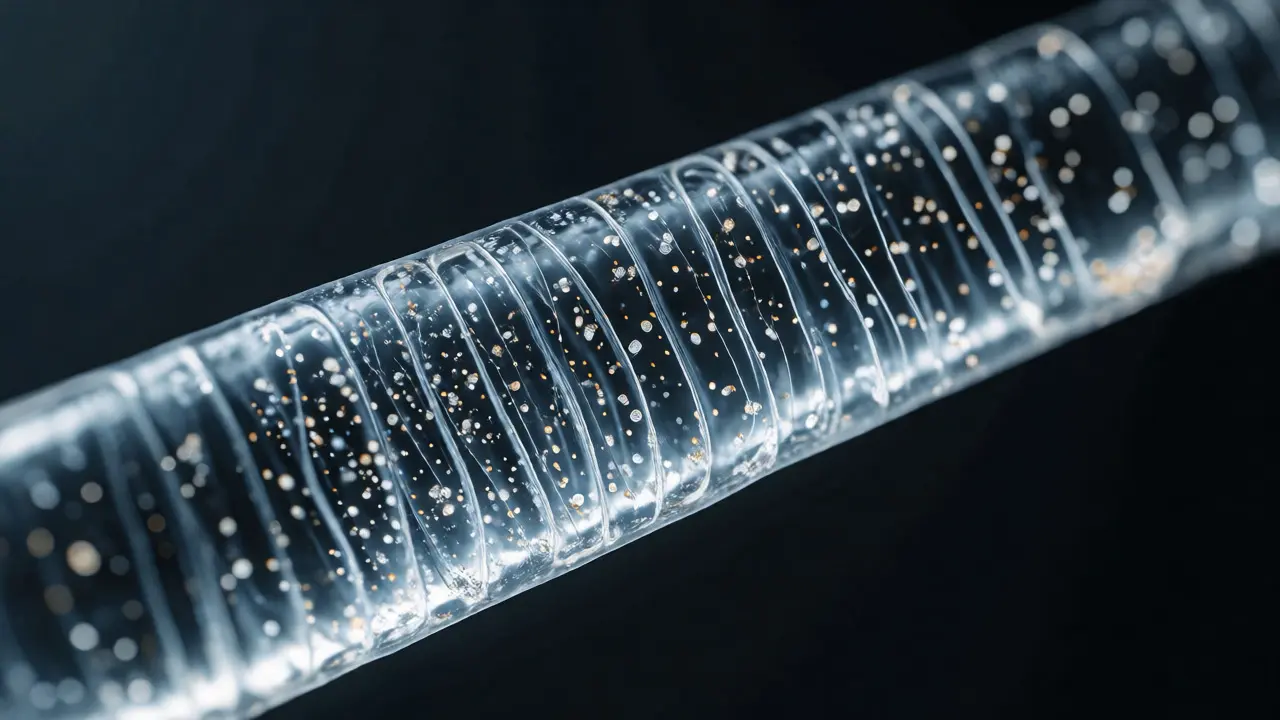
Think of your hair as a timeline. As it grows from the follicle, it traps substances circulating in your bloodstream. Since human hair grows at an average rate of 1 centimeter per month, a standard 3-centimeter sample gives investigators a three-month look-back window. This makes it incredibly powerful for cases involving probation violations, child custody disputes, or post-mortem investigations where the time of death is uncertain.
The Science Behind Hair Growth and Drug Incorporation
To understand why this method works, you have to look at how hair forms. Hair is made of keratin, a tough protein produced by cells in the hair follicle. When you consume a drug, your body metabolizes it into smaller compounds called metabolites. These circulate in your blood. As new hair cells are formed in the follicle, these metabolites get trapped inside the keratin matrix.
There are two main ways drugs end up in hair:
- Endogenous incorporation: The drug enters the hair directly from the blood supply while the hair is still growing in the follicle. This is the most reliable indicator of actual ingestion.
- Exogenous contamination: Sweat, sebum (oil), or external environments deposit drugs on the outside of the hair shaft. For example, someone working in a factory that processes cocaine might have traces on their hair without ever touching the substance. Proper washing protocols are essential to remove this surface noise before analysis.
Once the hair is cut, the chemical record is locked in. It doesn’t degrade easily under normal conditions, which is why hair samples can be stored for years and still yield accurate results. This stability is a game-changer for cold cases or when evidence needs to be reviewed long after the initial incident.
Segmental Analysis: Reading the Timeline
Here is where hair toxicology shines compared to other tests. Because hair grows chronologically, analysts can perform segmental analysis. They cut the hair into small sections-usually 1-centimeter chunks-and analyze each piece separately.
This allows experts to pinpoint exactly when drug use started, stopped, or escalated. Imagine a suspect claiming they quit heroin five months ago. A segmental test can show high concentrations of morphine (a metabolite of heroin) in the root-end segments but none in the tip-end segments, confirming recent abstinence. Conversely, if the concentration spikes in the middle segments, it reveals a relapse period during that specific timeframe.
| Feature | Hair | Urine | Blood |
|---|---|---|---|
| Detection Window | Months to Years | Days to Weeks | Hours to Days |
| Resistance to Adulteration | High | Low | Moderate |
| Time Precision | High (via segmentation) | Low | Very Low |
| Invasiveness | Low (non-invasive) | Moderate | High (invasive) |
This level of detail is impossible with urine or blood tests. Those matrices only tell you if the drug was present recently. Hair tells you the story of the habit.
Limitations and Potential Pitfalls
Despite its power, hair testing isn’t perfect. The biggest issue is the "washout" period. If someone starts using drugs today, it takes about 7 to 10 days for that hair to grow out of the scalp and become visible. So, a negative result today doesn’t mean zero use yesterday; it means no significant use over the past few weeks.
Cosmetic treatments also complicate things. Bleaching, dyeing, and permanent waving can strip away some of the drug metabolites trapped in the hair. Studies suggest that bleached hair may retain less than 50% of the original drug concentration compared to untreated hair. Forensic labs account for this by using correction factors or preferring unprocessed hair whenever possible. If you’re dealing with a subject who has heavily processed hair, the analyst must adjust their interpretation carefully.
Race and ethnicity play a role too. Black hair tends to bind certain drugs, like cocaine, more strongly than Caucasian or Asian hair due to differences in melanin content. Melanin attracts basic drugs. This means a black-haired individual might show higher concentrations for the same amount of drug intake. Labs often use different cutoff levels or normalization techniques to avoid bias.

From Lab Bench to Courtroom: Methodologies Used
How do scientists actually read these tiny chemical clues? They don’t just look at the hair under a microscope. They grind it into a fine powder or wash it thoroughly, then extract the chemicals using solvents. The resulting solution is analyzed using sophisticated instruments.
The gold standards in modern forensic toxicology are:
- LC-MS/MS (Liquid Chromatography-Tandem Mass Spectrometry): This method separates compounds based on their chemical properties and then identifies them by their mass-to-charge ratio. It’s highly sensitive and specific, capable of detecting picograms (trillionths of a gram) of a substance.
- GC-MS (Gas Chromatography-Mass Spectrometry): Often used for volatile substances or those that can be vaporized. It’s robust and widely accepted in legal settings.
Immunoassays are sometimes used for screening because they are faster and cheaper, but they suffer from cross-reactivity issues. For instance, a poppy seed bagel might trigger a false positive for opiates in a urine immunoassay. In hair testing, however, the confirmation step with MS is almost always required to rule out these errors before presenting evidence in court.
Real-World Applications Beyond Criminal Cases
While we often think of hair toxicology in the context of criminal justice, its applications are broader. In pediatric medicine, it helps diagnose fetal alcohol syndrome or chronic malnutrition by analyzing the mother’s hair during pregnancy. Neonatal hair, though rare, can provide insights into prenatal exposure to illicit drugs.
In environmental forensics, researchers analyze animal fur to track pollution trends. Bears, for example, accumulate heavy metals like mercury in their fur over seasons. By analyzing growth rings in bear claws or fur segments, scientists can monitor ecosystem health without capturing and disturbing the animals repeatedly.
For workplace safety, especially in industries like aviation or transportation, hair testing offers a deterrent against chronic substance abuse. Employees know that random urine tests can be beaten by abstaining for a few days, but hiding a long-term addiction from a hair test is much harder. This promotes a culture of sustained sobriety rather than temporary compliance.

Interpreting Results: What Do the Numbers Mean?
When a lab reports results, they usually list the concentration of the parent drug and its metabolites. For cocaine, you’ll see both cocaine and benzoylecgonine. Benzoylecgonine is the primary metabolite and is more stable in hair, making it a better marker for long-term use.
Labs set "cutoff levels" to distinguish between intentional use and incidental exposure. For example, the Society of Hair Testing recommends a cutoff of 0.5 ng/mg for cocaine to confirm use. Anything below that might be considered background noise or passive exposure. However, these cutoffs vary by laboratory and jurisdiction. Always check the specific guidelines followed by the testing facility.
Context matters. A person living in a household where others smoke marijuana might have low-level THC-COOH (the metabolite) in their hair due to secondhand smoke or sweat transfer. Analysts look for patterns-consistent levels across segments suggest active use, while sporadic, low-level detections might indicate environmental contamination.
How far back can hair drug testing go?
Typically, a standard 3-centimeter sample covers the last 3 months. However, longer hair can extend this window. Some studies have detected drug use up to 12 months prior using longer segments, though accuracy decreases with distance from the root due to environmental degradation and cosmetic treatments.
Can shaving your head help you pass a hair test?
No, shaving doesn’t erase the history. If you shave your head, the new hair will take time to grow. During that gap, testers can collect body hair (from arms, legs, or chest). Body hair grows slower and has a longer resting phase, so it reflects drug use over a longer, albeit less precise, period. Shaving might delay detection, but it won’t eliminate it if there’s any hair left on the body.
Is hair testing admissible in court?
Yes, hair toxicology is widely accepted in courts worldwide, provided the laboratory follows accredited standards (such as ISO 17025). The key is demonstrating proper chain of custody and using validated analytical methods like LC-MS/MS. Defense attorneys may challenge results based on hair treatment history or racial biases in binding, but the technique itself is scientifically sound.
Does hair color affect drug test results?
Yes, significantly. Darker hair contains more melanin, which binds certain drugs (especially basic ones like cocaine and amphetamines) more tightly than lighter hair. This can lead to higher measured concentrations in dark-haired individuals for the same level of consumption. Labs often apply correction factors or interpret results with this variable in mind to ensure fairness.
What happens if the hair sample is contaminated?
Contamination from external sources (like handling drugs at work) is managed through rigorous washing procedures before analysis. If contamination is suspected, analysts might measure the ratio of the parent drug to its metabolite. High parent drug levels with low metabolite levels suggest external contamination, whereas balanced ratios indicate internal ingestion.
Next Steps for Practitioners
If you are involved in collecting or interpreting hair toxicology data, start by ensuring proper collection protocols. Cut hair close to the scalp, bundle it securely, and label the root end clearly. Avoid touching the proximal (root) end excessively to prevent sweat contamination.
For legal professionals, understanding the limitations is crucial. Don’t assume a positive test equals current impairment. It indicates historical use. Pair hair results with other evidence, such as witness testimony or financial records, to build a comprehensive case. And remember, one size does not fit all-consider the subject’s hair type, cosmetic history, and lifestyle when evaluating the findings.