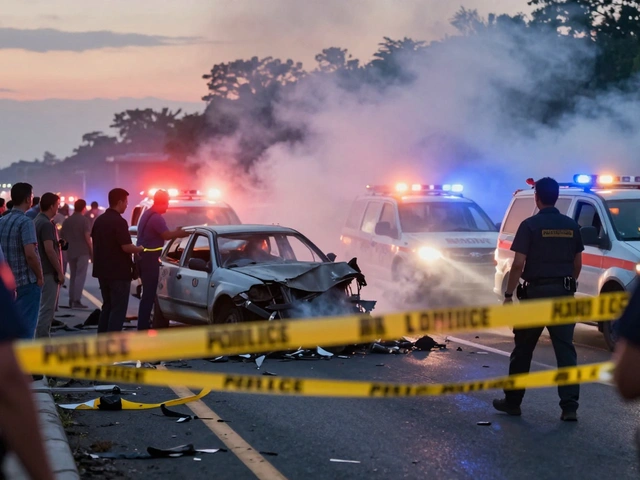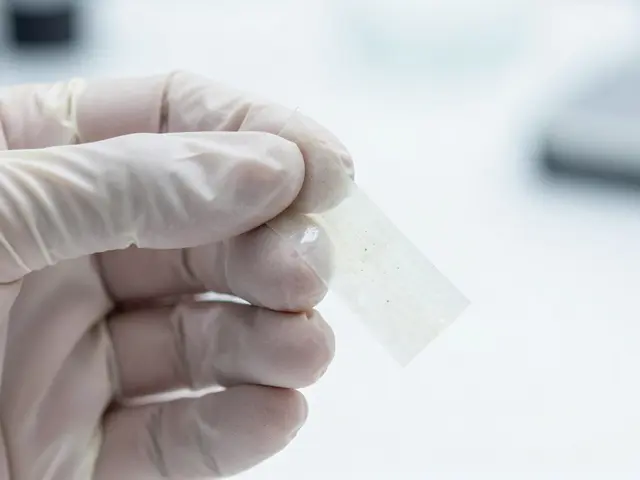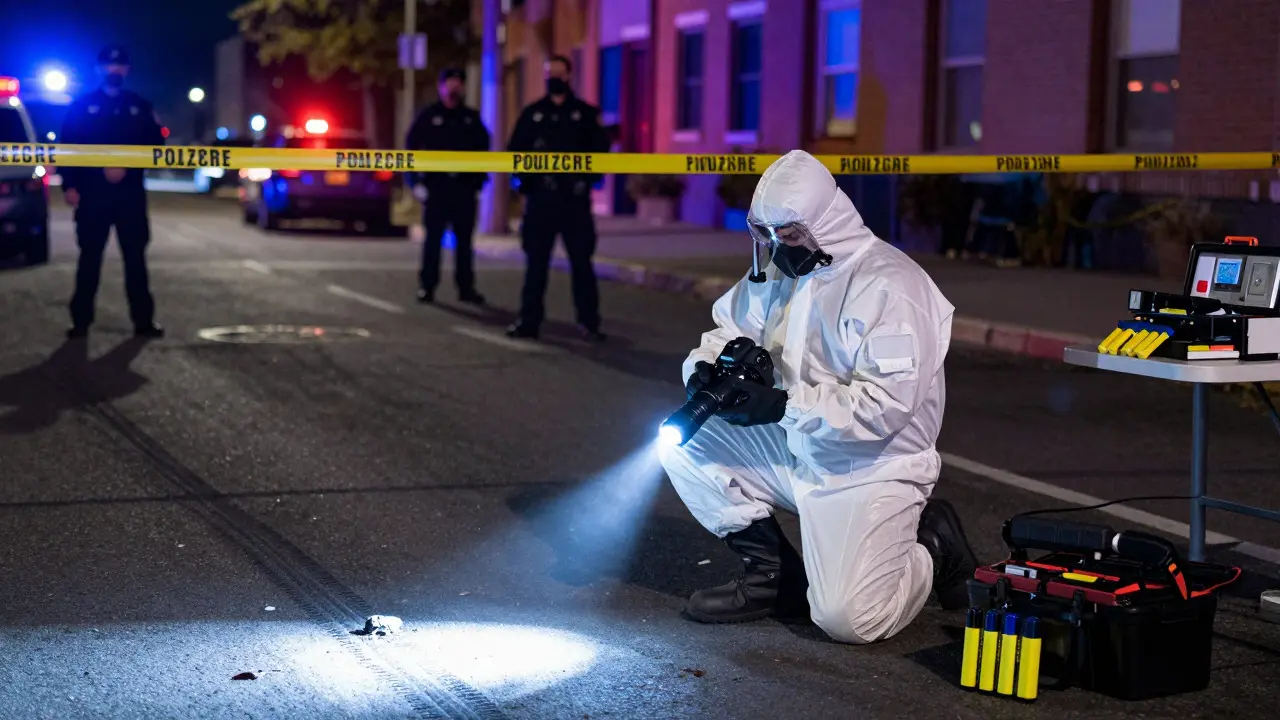
Most people think crime scene investigation is all about the dramatic moments-finding the smoking gun or analyzing DNA under bright lights. But if you want to become a Crime Scene Investigator is a specialized law enforcement officer responsible for collecting, preserving, and documenting physical evidence at crime scenes. Also known as a Forensic Technician or Criminalist, this role requires a blend of scientific rigor, legal knowledge, and field experience. The reality is less glamorous but more demanding: you spend hours photographing tire tracks, cataloging fibers, and ensuring every piece of evidence holds up in court.
If you are considering this path, you need to know that it is not just about being good at science. You must be comfortable with shift work, physical labor, and the psychological weight of dealing with violent crimes. This guide breaks down the exact steps, education requirements, and career realities you will face in 2026.
The Reality of the Job: What CSIs Actually Do
Before diving into degrees, let’s clear up the misconception. A Crime Scene Investigator (CSI) is distinct from a Forensic Scientist. While both deal with evidence, their daily tasks differ significantly. A CSI works primarily in the field, processing the scene immediately after police secure it. A Forensic Scientist usually works in a laboratory, analyzing samples sent by the CSI.
Your core responsibilities include:
- Scene Processing: Securing the perimeter, identifying potential evidence, and documenting locations using photography, sketches, or laser scanning.
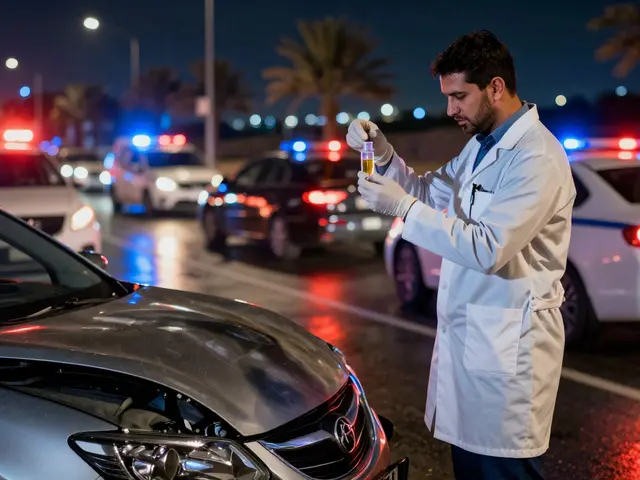
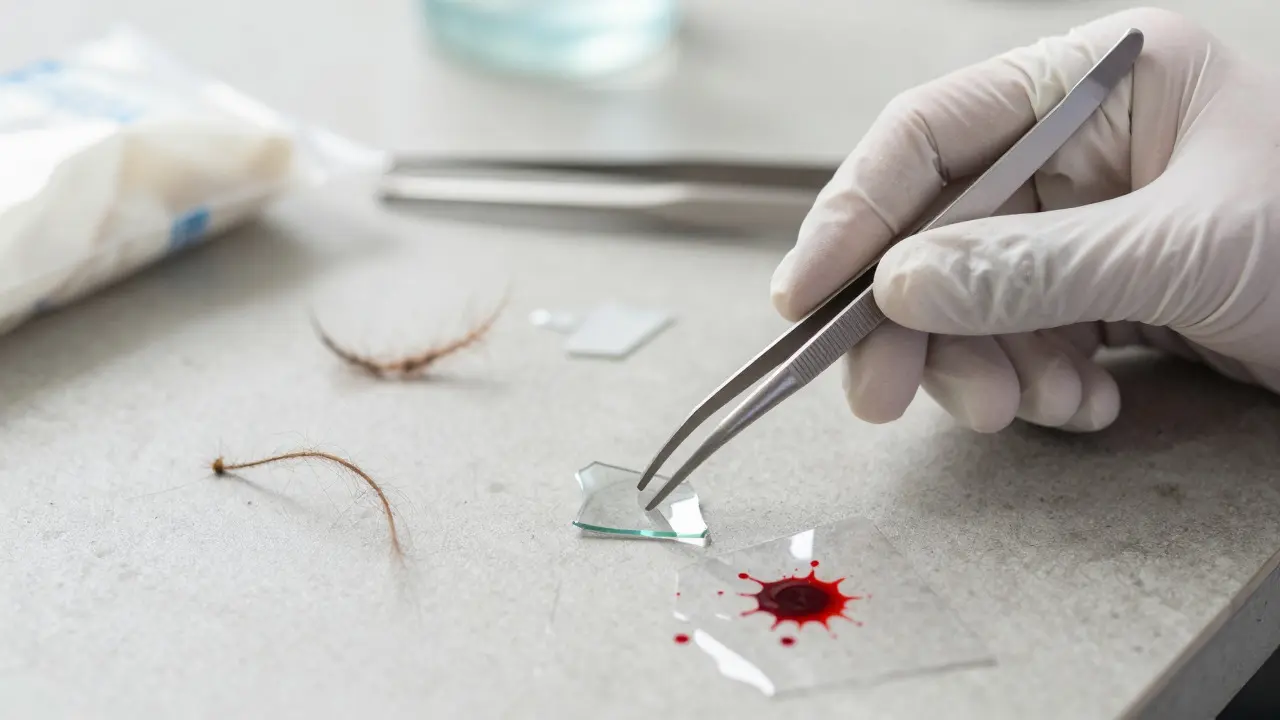
- Evidence Collection: Gathering biological samples, fingerprints, tool marks, and trace evidence using specific protocols to prevent contamination.
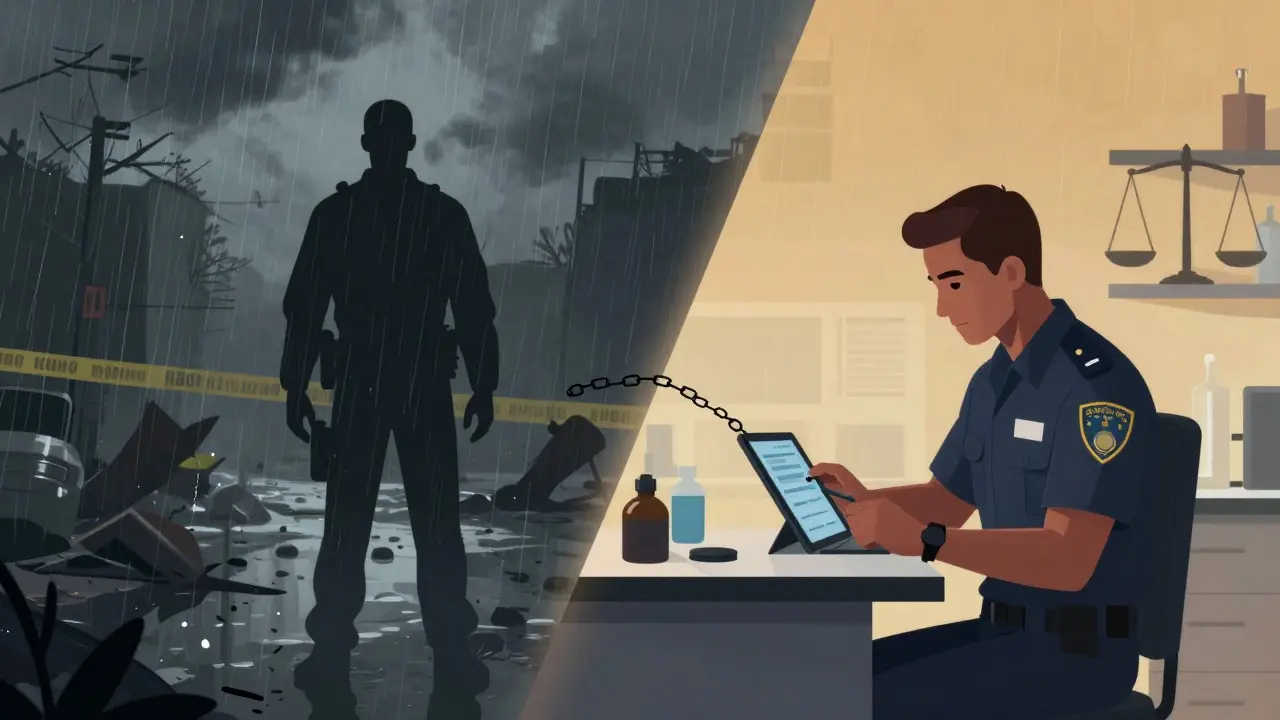
- Chain of Custody: Maintaining a strict log of who touched the evidence and when, which is critical for admissibility in court.
- Testimony: Appearing in court to explain how evidence was collected and processed, often facing cross-examination from defense attorneys.
This job requires high attention to detail. Missing a single hair or blood spatter can change the outcome of a case. It also requires resilience. You will encounter crime scenes ranging from routine burglaries to horrific homicides. The emotional toll is real, and many professionals develop coping mechanisms early in their careers.
Education Requirements: Degrees That Matter
You do not necessarily need a PhD to start, but a bachelor’s degree is the standard entry requirement for most professional agencies. The best fields of study include Forensic Science, an interdisciplinary field combining chemistry, biology, and physics to analyze evidence. Other strong majors include Chemistry, Biology, and Criminology.
Here is what to look for in your undergraduate program:
- Core Sciences: Ensure your curriculum covers organic chemistry, analytical chemistry, genetics, and statistics. These are the foundations of forensic analysis.
- Legal Knowledge: Courses in constitutional law, criminal procedure, and evidence law help you understand how your work fits into the legal system.
- Field Experience: Look for programs that offer internships with local police departments or state crime labs. Practical experience is often more valuable than grades alone.
While a master’s degree is not always required for entry-level positions, it can accelerate your promotion to lead investigator or supervisor roles. Some advanced specialties, like forensic anthropology or digital forensics, may benefit from graduate-level training.
Certifications and Training: Getting Certified
Education gets you the interview; certifications get you the job. Several organizations offer credentials that signal competence to employers. The most recognized ones include:
| Certification Body | Credential Name | Focus Area | Experience Requirement |
|---|---|---|---|
| IACIS | Criminalist I / II | General forensic practice | 1-3 years |
| AFS | Forensic Specialist | Specific disciplines (e.g., Serology) | Varies by discipline |
| NIST | Fingerprint Examiner | Latent print analysis | 2+ years on the job |
The International Association for Identification (IAI) offers the Certified Latent Print Examiner (CLPE) credential, which is highly respected in fingerprint analysis. The American Academy of Forensic Sciences (AAFS) provides certifications in various sub-fields such as toxicology, odontology, and entomology. Obtaining these credentials demonstrates to employers that you have met rigorous standards of competency.
Job Search Strategy: Where to Look
Finding a position as a Crime Scene Investigator often involves applying directly to government agencies. Unlike private sector jobs, there are no massive recruitment portals dedicated solely to forensic roles. You need to target specific jurisdictions.
Start with your local police department website. Many cities post vacancies for "Evidence Technicians" or "Crime Scene Investigators" under their public safety or human resources sections. State police and sheriff’s offices are also major employers. Federal agencies like the FBI, DEA, and ATF hire forensic specialists, but these roles are highly competitive and often require several years of prior experience in state or local roles.
When applying, tailor your resume to highlight technical skills. Mention specific software you know, such as Adobe Lightroom for photo enhancement or CAD for sketching. List any lab work or internships prominently. Networking is also crucial. Attend local forensic science conferences or join professional groups like the Association for Advancement of Forensic Sciences (AAFS). Connecting with working investigators can lead to unadvertised opportunities or referrals.
Salary and Career Outlook in 2026
Compensation varies widely based on location, agency size, and experience. In 2026, the median annual salary for a Crime Scene Investigator in the United States hovers around $75,000 to $85,000. Entry-level positions in smaller towns might start closer to $45,000, while senior investigators in major metropolitan areas can earn over $100,000.
Factors influencing pay include:
- Location: Cities with higher costs of living, like New York or San Francisco, typically offer higher salaries to match.
- Agency Type: Federal agents generally earn more than state or local officers due to federal pay scales and benefits.
- Overtime: CSIs frequently work overtime, especially during major cases, which can significantly boost annual income.
The job outlook remains stable. As technology advances, new types of evidence emerge, such as digital data from smart devices and genetic genealogy results. This creates demand for investigators who can adapt to new tools. However, competition for entry-level spots is fierce, so standing out with certifications and strong field experience is essential.
Skills You Need to Succeed
Beyond the degree, certain soft skills determine whether you thrive or burn out in this career.
Attention to Detail: You must notice things others miss. A small stain or a broken glass fragment can be the key to solving a case. This requires patience and methodical thinking.
Communication Skills: You will write detailed reports that lawyers rely on. Your writing must be clear, objective, and free of ambiguity. You also need to communicate effectively with detectives, victims’ families, and jurors.
Physical Stamina: Crime scenes are rarely tidy. You may kneel on concrete for hours, climb ladders, or work in extreme temperatures. Being physically fit helps you endure long shifts without fatigue affecting your accuracy.
Emotional Resilience: Dealing with death and trauma is part of the job. Developing healthy coping strategies, such as regular exercise, therapy, or hobbies outside of work, is vital for long-term mental health.
Common Mistakes to Avoid
Many aspiring investigators make errors that delay their career progression. Here are the most common pitfalls:
- Ignoring Local Rules: Each jurisdiction has different protocols for evidence handling. Always check the specific guidelines of the agency you are applying to.
- Underestimating the Bureaucracy: Government hiring processes can be slow. Be patient and keep applying to multiple agencies simultaneously.
- Neglecting Digital Skills: Modern forensics involves significant digital work. Learning basic coding or data management tools gives you an edge over candidates who only know traditional lab techniques.
Frequently Asked Questions
Do I need a science degree to become a CSI?
Yes, a bachelor’s degree in a science field like Forensic Science, Chemistry, or Biology is strongly preferred. While some agencies accept degrees in Criminology, having a solid foundation in natural sciences makes you a much stronger candidate for technical roles.
What is the difference between a CSI and a Forensic Scientist?
A CSI works primarily in the field, collecting and documenting evidence at crime scenes. A Forensic Scientist works in a laboratory, analyzing the samples collected by the CSI. CSIs often handle the initial chain of custody, while Scientists provide the analytical interpretation.
How long does it take to become a certified CSI?
It typically takes four years to complete a bachelor’s degree. After that, you may need one to three years of on-the-job experience before becoming eligible for certain professional certifications. So, expect a total of five to seven years from starting college to obtaining full certification.
Is the job physically demanding?
Yes. You will often be kneeling, bending, or lifting equipment for extended periods. Scenes can be outdoors in any weather, requiring you to dress appropriately and maintain physical fitness to perform accurately during long shifts.
Can I work as a CSI without a police badge?
In many jurisdictions, yes. Civilian Crime Scene Investigators do not carry badges or guns. They focus strictly on evidence collection and documentation. However, some agencies require all CSIs to be sworn officers, so check the specific job description for each position.