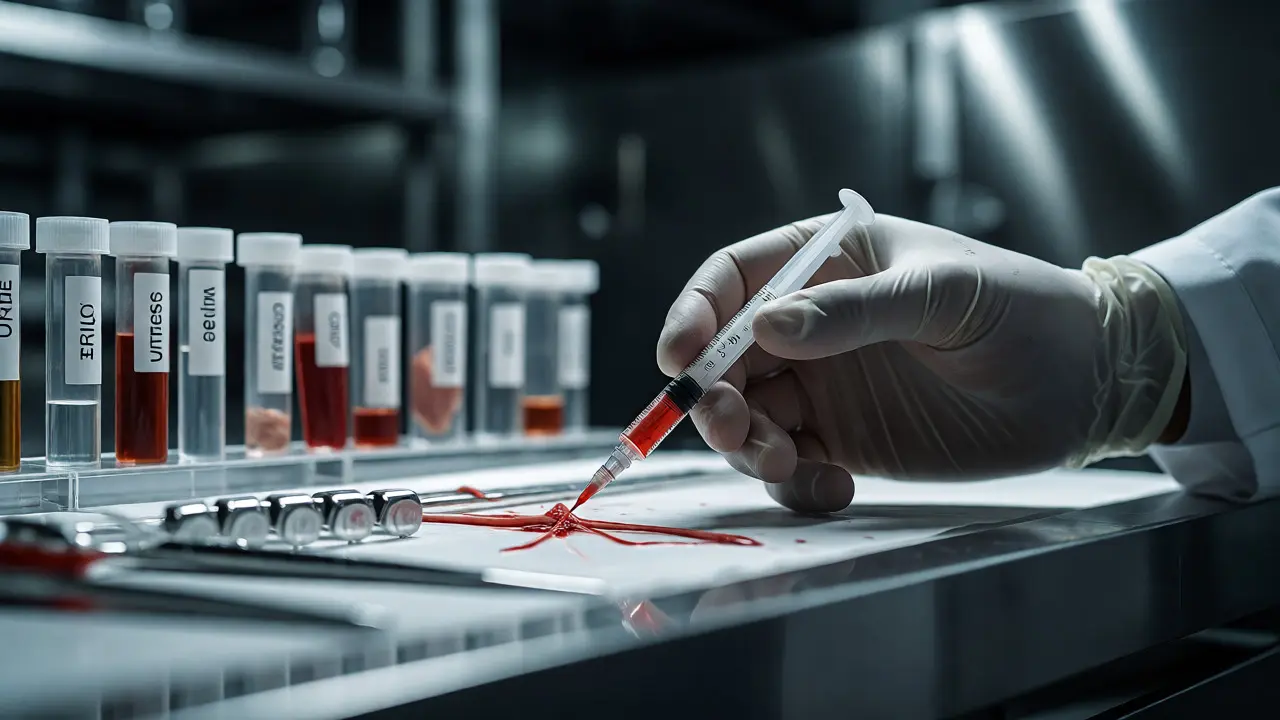
You find a body. No blood. No bullet holes. No signs of struggle. The scene looks peaceful, almost too peaceful. But something feels off. Maybe the victim had a history of heart issues, or perhaps they were just "sleeping." It wasn't until the lab results come back three weeks later that the truth hits you like a truck: this wasn't natural causes. This was murder by chemistry.
That’s the power and the frustration of forensic toxicology. It is the branch of science that detects and identifies drugs, alcohol, poisons, and other chemicals in biological fluids and tissues. Unlike ballistics, which gives you immediate answers about a gunshot, toxicology is slow, complex, and often deceptive. A negative result doesn't always mean innocent; it might just mean the wrong test was run, or the substance metabolized before death. If you're working in homicide procedures, understanding how to detect these invisible killers is non-negotiable.
The Golden Window: Sample Collection Matters Most
Most detectives think the magic happens in the lab. It doesn't. The magic-or the disaster-starts at the autopsy table. If the sample collection is botched, no amount of expensive equipment can save the case. You need specific matrices for specific suspects.
Blood is the standard matrix for determining impairment or acute poisoning. But here's the catch: postmortem blood isn't the same as living blood. After death, cells break down, releasing potassium and changing pH levels, which can cause drugs to redistribute from tissues back into the blood. This phenomenon, known as postmortem redistribution, can artificially inflate drug concentrations, making a therapeutic dose look lethal. That's why forensic pathologists prefer peripheral blood (from the femoral vein) over central blood (from the heart). Peripheral blood is less prone to this contamination.
- Blood: Best for recent exposure and active impairment. Collect 10-20 mL from the femoral vein.
- Urine: Concentrates metabolites, making it easier to detect drugs taken days prior. However, urine can be contaminated by bacteria after death, leading to false positives for ethanol.
- Vitreous Humor: The gel-like fluid behind the lens of the eye. It's isolated from the rest of the body, so it resists decomposition and contamination. It’s gold standard for confirming electrolyte balance and detecting certain toxins like ethylene glycol.
- Liver Tissue: Essential for detecting heavy metals and chronic exposure. Since the liver processes most drugs, it holds onto them longer than blood.
- Gastric Contents: If the person died shortly after ingestion, the stomach contents will still hold the parent compound. This is crucial for distinguishing between a fatal overdose and a survival period where the drug already metabolized.
The Screening Phase: Immunoassays and Their Limits
When a case lands on a toxicologist's desk, they don't immediately run a million-dollar machine. They start with screening. Think of this as casting a wide net. The goal is to see if anything suspicious is present. The most common tool here is immunoassay, specifically enzyme-multiplied immunoassay technique (EMIT) or radioimmunoassay (RIA).
These tests use antibodies to bind to specific drug classes. For example, an opioid assay will light up for morphine, heroin, oxycodone, and fentanyl. It’s fast, cheap, and high-throughput. But it has a major flaw: cross-reactivity. An antibody designed for THC might also react with ibuprofen or proton pump inhibitors, giving a false positive. Or worse, it might miss a novel synthetic cannabinoid because the structure is slightly different from what the antibody expects.
This is why a positive screen is never enough for court. It’s just a flag. It tells the analyst, "Look closer." In homicide cases, relying solely on immunoassays is a rookie mistake. I’ve seen cases dismissed because a defense attorney pointed out that the initial screen had a 15% false-positive rate for benzodiazepines, and no confirmatory test was performed.
Confirmation: GC-MS and LC-MS/MS
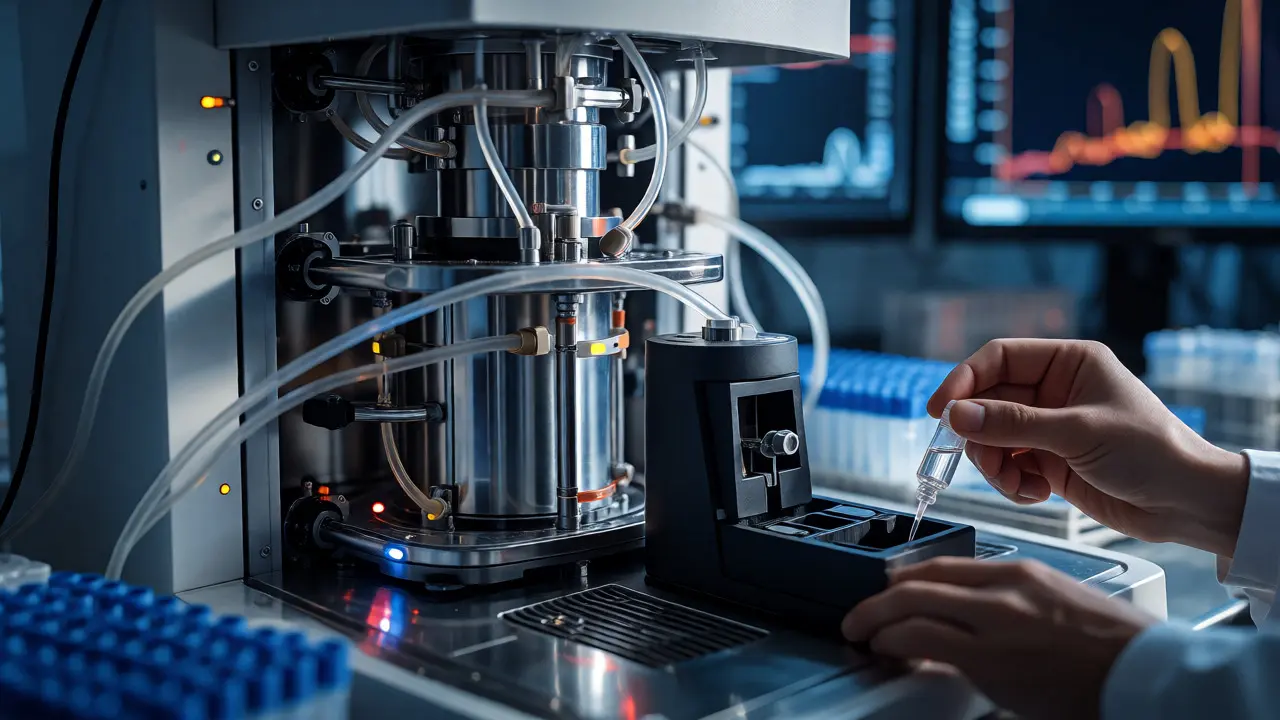
If the screen says "maybe," the confirmation test says "yes" or "no." This is where we separate the amateurs from the pros. There are two main workhorses in the modern forensic lab: Gas Chromatography-Mass Spectrometry (GC-MS) and Liquid Chromatography-Tandem Mass Spectrometry (LC-MS/MS).
GC-MS has been the gold standard for decades. It vaporizes the sample and separates compounds based on their boiling points and interaction with a column. Then, the mass spectrometer fragments the molecules and creates a unique fingerprint. It’s incredibly precise for volatile substances like alcohol, carbon monoxide, and many traditional drugs. But GC requires the analyte to be volatile and thermally stable. If you’re looking for a large, fragile molecule like a peptide toxin or a polar drug that breaks down when heated, GC won’t work.
Enter LC-MS/MS. This technology keeps the sample in liquid form, allowing it to analyze larger, more complex molecules without heating them. It’s become the dominant platform for detecting new psychoactive substances (NPS), synthetic opioids, and antipsychotics. The "tandem" part means it uses two stages of mass filtering, which drastically reduces background noise. This sensitivity allows us to detect picogram-level concentrations, which is critical when dealing with potent poisons like fentanyl analogs.
| Feature | Immunoassay | GC-MS | LC-MS/MS |
|---|---|---|---|
| Primary Use | Rapid Screening | Volatile/Stable Compounds | Polar/Large/NPS Compounds |
| Sensitivity | Moderate (ng/mL) | High (pg-ng/mL) | Very High (pg/mL) |
| Specificity | Low (Cross-reactivity) | Very High | Extremely High |
| Cost per Test | $5 - $15 | $150 - $300 | $200 - $400 |
| Turnaround Time | Hours | Days | Days |
The Usual Suspects: Opioids, Benzodiazepines, and Alcohol
In the majority of drug-related homicides, the culprit isn't arsenic in a teacup. It’s usually a combination of prescription meds and illicit drugs. Understanding the pharmacokinetics of these substances is vital for reconstructing the timeline of death.
Opioids remain the top killer. Heroin metabolizes rapidly into 6-monoacetylmorphine (6-MAM), which then turns into morphine. Finding 6-MAM is a smoking gun for recent heroin use because it only exists briefly after injection. Fentanyl, however, doesn't have a unique metabolite that persists long. It clears quickly. If you find fentanyl in the blood but no 6-MAM, you know it wasn't heroin. But did the person die from fentanyl alone, or was it mixed with benzodiazepines?
Benzodiazepines (like Xanax or Valium) rarely kill on their own unless ingested in massive quantities. But they synergize deadly with opioids. A therapeutic dose of alprazolam combined with a moderate dose of oxycodone can stop breathing. Toxicologists look for the ratio of drug to metabolite. If you see high levels of the parent drug and low levels of the metabolite, it suggests acute ingestion shortly before death. If the metabolite is high, the person was likely taking it chronically.
Don't forget Ethanol. Postmortem ethanol can be produced by bacterial fermentation in the gut, especially in diabetics or those with putrefaction. This leads to "false positives" for drunkenness. To combat this, labs check the vitreous humor for glucose and lactate. If the glucose is normal and lactate is low, the ethanol is likely real. If glucose is high and lactate is elevated, the ethanol might be artifact.
Novel Psychoactive Substances (NPS): The Moving Target
The biggest headache in modern toxicology is the sheer volume of new drugs hitting the street. Synthetic cannabinoids (Spice/K2) and synthetic cathinones (Bath Salts) change structures weekly. A lab might validate a method for MDMB-CHMICA one month, and the next month, dealers switch to a variant with a methyl group added.
Standard libraries in GC-MS machines contain thousands of compounds, but they can't keep up with every tweak chemists make in clandestine labs. When a routine screen comes back "negative" but the clinical picture screams overdose, toxicologists perform a "full scan" search. They look for unknown peaks in the chromatogram and try to match them against theoretical spectra. This is detective work in its purest scientific form. Often, the substance remains unidentified in the report, listed simply as "unknown synthetic cannabinoid." This uncertainty can frustrate prosecutors, but it accurately reflects the chaotic state of the drug market.
Interpreting Results: Correlation is Key
A number on a piece of paper means nothing without context. A blood concentration of 0.1 mg/L of methamphetamine might be lethal for a naïve user but typical for a chronic abuser. This is why the toxicologist must talk to the medical examiner and the detective.
We use terms like therapeutic range, toxic range, and lethal range. These aren't hard lines; they're guidelines based on population averages. Individual tolerance varies wildly. A key factor is tolerance development. Someone who has used cocaine daily for ten years can survive levels that would stop the heart of a first-time user.
Furthermore, we look for evidence of polydrug use. Did the victim take an antihistamine? Some antihistamines inhibit the enzymes (CYP450) that metabolize other drugs. If someone took diphenhydramine alongside a beta-blocker, the beta-blocker could build up to toxic levels because the metabolism was blocked. This metabolic interaction is often missed in basic reports but is critical for establishing intent and mechanism of death.
Pitfalls and Common Errors
Even experienced labs make mistakes. Contamination is the enemy. Using the wrong preservative in the blood tube can alter results. Sodium fluoride preserves glucose but can interfere with some assays. Heparin prevents clotting but can introduce sodium ions that affect ion-selective electrodes.
Another issue is the "dead space" problem. During autopsy, if the needle punctures the lung during cardiac sampling, air bubbles can enter the blood vial, altering the oxygen and carbon dioxide readings, which indirectly affects pH and drug stability. Always ensure samples are collected correctly, sealed properly, and stored at 4°C immediately. If a sample sits at room temperature for 24 hours before freezing, benzodiazepines can degrade, leading to a false negative.
Finally, beware of the "clean" negative. Just because the standard panel didn't find anything doesn't mean there was no poison. Cyanide, for instance, degrades rapidly after death. If the body isn't preserved correctly or tested within hours, cyanide levels drop. Carbon monoxide binds to hemoglobin and stays stable, but cyanide does not. If you suspect cyanide poisoning, you need specialized testing on fresh tissue, not just old blood.
How long after death can toxicology tests be performed?
It depends on the substance and preservation. Volatile substances like alcohol and acetone can be detected for days if the body is refrigerated. Stable drugs like cocaine metabolites or antidepressants can be detected for weeks or even months in hair or bone marrow. However, best practice is to collect samples within 24-48 hours of death to minimize degradation and postmortem changes.
Can a person be poisoned by a drug they were prescribed?
Absolutely. Therapeutic misadventure is a common manner of death. This occurs when a patient takes a prescribed medication but dies due to unexpected toxicity, often caused by drug interactions, underlying health conditions, or accidental overdose. Toxicology helps distinguish between suicide, accident, and homicide by analyzing the concentration relative to the expected therapeutic window.
Why do toxicology results take so long?
Confirmatory testing involves extracting chemicals from complex biological matrices, separating them using chromatography, and identifying them via mass spectrometry. Each step requires calibration, quality control checks, and manual review of data. Additionally, if novel substances are suspected, researchers may need to synthesize standards or consult external libraries, adding weeks to the process.
Does hair testing prove drug use at the time of death?
No. Hair grows approximately 1 cm per month. A segment of hair represents a historical record of drug use over several months. While useful for proving chronic abuse, it cannot pinpoint impairment or acute intoxication at the exact moment of death. Blood and urine are required for that temporal precision.
What is the difference between a drug and a poison?
In toxicology, the distinction is often one of dosage and intent. Paracelsus famously said, "The dose makes the poison." Water can be poisonous if consumed in excess; arsenic can be a medicine in tiny amounts. In homicide investigations, we classify substances based on whether their presence contributed to death, regardless of whether they are legally classified as controlled substances or household chemicals.