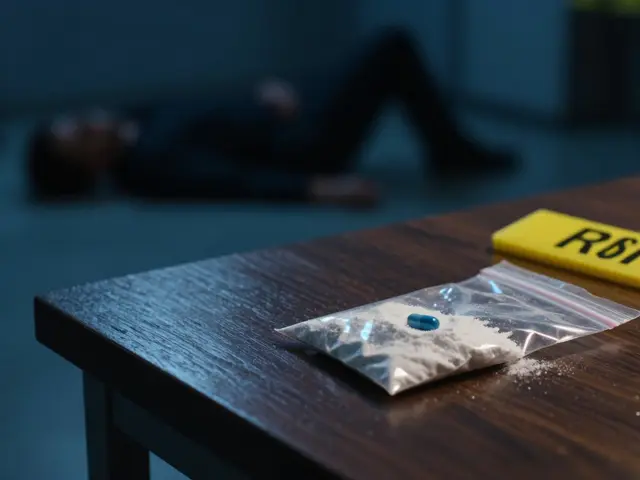
Imagine finding a body in a forest. It’s warm to the touch, but the smell is already there. Or maybe it’s been weeks, and the scene looks nothing like a human anymore. In forensic pathology, this transformation isn’t just gross-it’s data. Every stage of decay tells a story about when the person died, where they were, and what happened to them. But reading that story requires understanding the precise biological and environmental factors driving these progressive changes.
Decomposition is not a single event; it is a complex cascade of chemical, physical, and biological processes. For medical examiners and investigators, mastering the timeline of these changes is critical for estimating the postmortem interval (PMI). If you get the stage wrong, your estimate of time of death can be off by hours or even days. This guide breaks down the phases, the variables that speed up or slow down decay, and the modern tools used to navigate the uncertainty.
The Four Stages of Human Decomposition
To understand how long someone has been dead, you first need to recognize the visual and olfactory cues of each phase. While individual variation exists, most bodies follow a predictable sequence under average conditions.
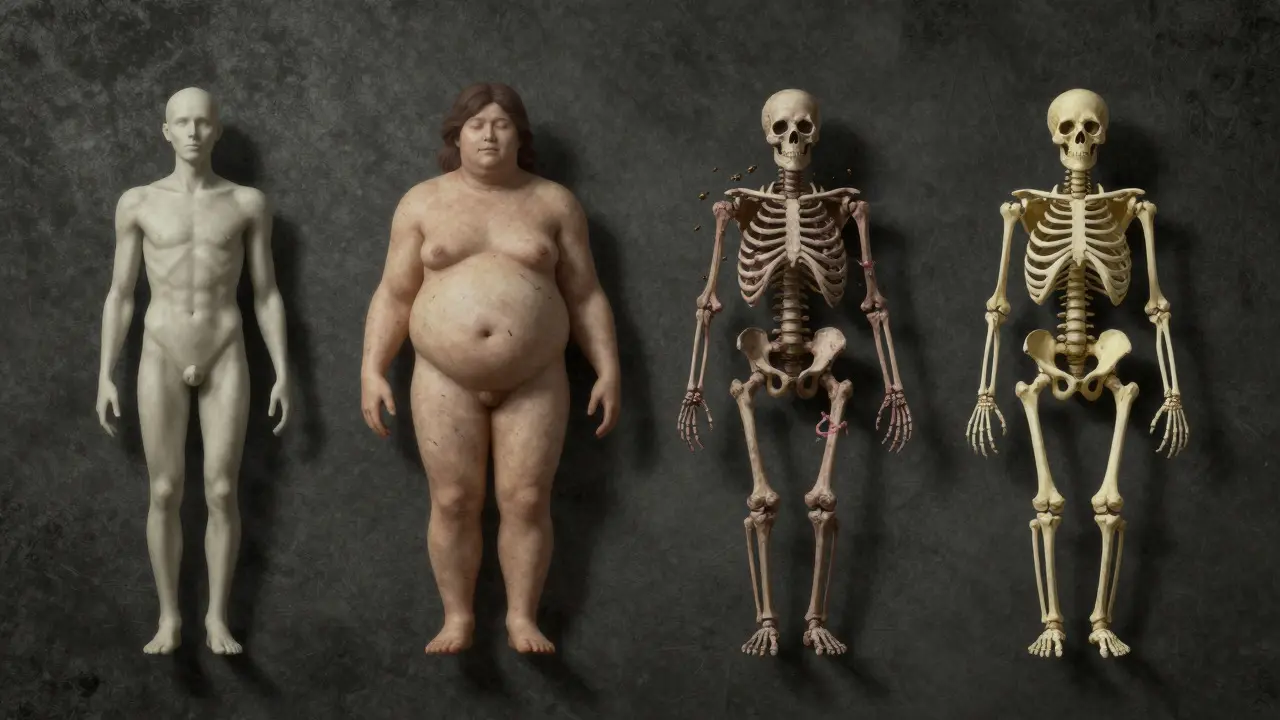
- Autolysis (0-24 hours): This is the internal breakdown. Cells begin to digest themselves due to enzyme release after cell death. There are no external signs yet, but the process is already underway. The body remains relatively intact, though rigor mortis may begin to set in.
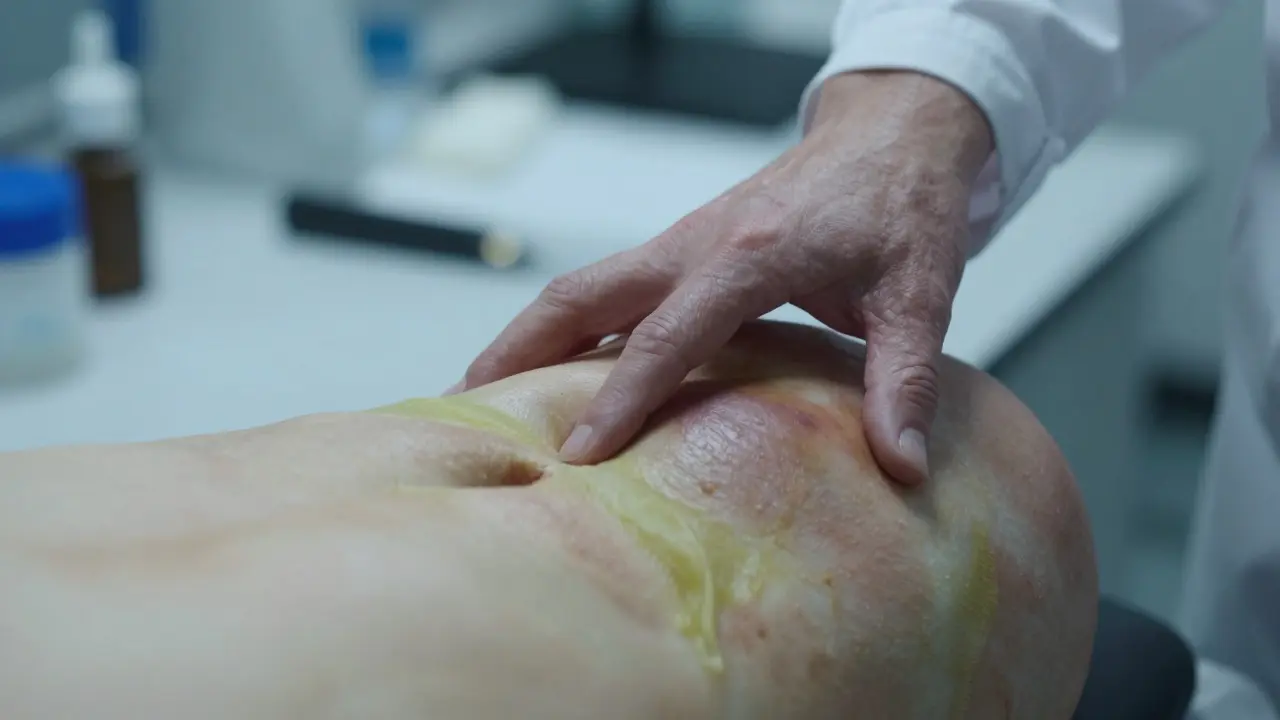
- Bloat (1-3 days): Bacteria multiply rapidly, producing gases like methane and hydrogen sulfide. The abdomen swells significantly, often doubling in size. The skin may turn greenish-yellow around the umbilicus. This is usually the most visually distinct early stage.
- Active Decay (3-7+ days): The pressure from gas buildup causes the skin to rupture, releasing fluids and attracting insects. Tissues liquefy, and the odor becomes overwhelming. This is the peak of bacterial activity and insect colonization.
- Advanced Dry/Remains (Weeks to Months): Soft tissues desiccate or are consumed. What remains is bone, hair, and nails. In dry environments, mummification may occur; in wet ones, adipocere (grave wax) might form.
Environmental Factors That Alter the Timeline
If decomposition followed a strict clock, forensic science would be much simpler. Unfortunately, nature doesn’t keep perfect time. Several environmental variables act as accelerants or brakes on the decay process.
- Temperature: Heat speeds up bacterial growth and enzymatic reactions. A body at 90°F (32°C) will decompose roughly twice as fast as one at 60°F (15°C). Conversely, cold slows everything down, potentially preserving a body for months without visible change.
- Humidity: High moisture promotes microbial growth and prevents drying. Low humidity leads to faster desiccation, which can halt soft tissue decay before it completes.
- Exposure to Air: Bodies buried in soil or submerged in water decompose slower than those exposed to air. Soil type matters too-acidic soils preserve better than alkaline ones.
- Animal Activity: Scavengers like coyotes, dogs, or birds can strip flesh away quickly, skipping stages entirely. Insect activity, particularly flies, can accelerate tissue loss dramatically.
The Role of Entomology in PMI Estimation
Insects are often more reliable clocks than bacteria because their life cycles are tightly linked to temperature. Forensic entomology uses the presence of specific species to narrow down the time of death.
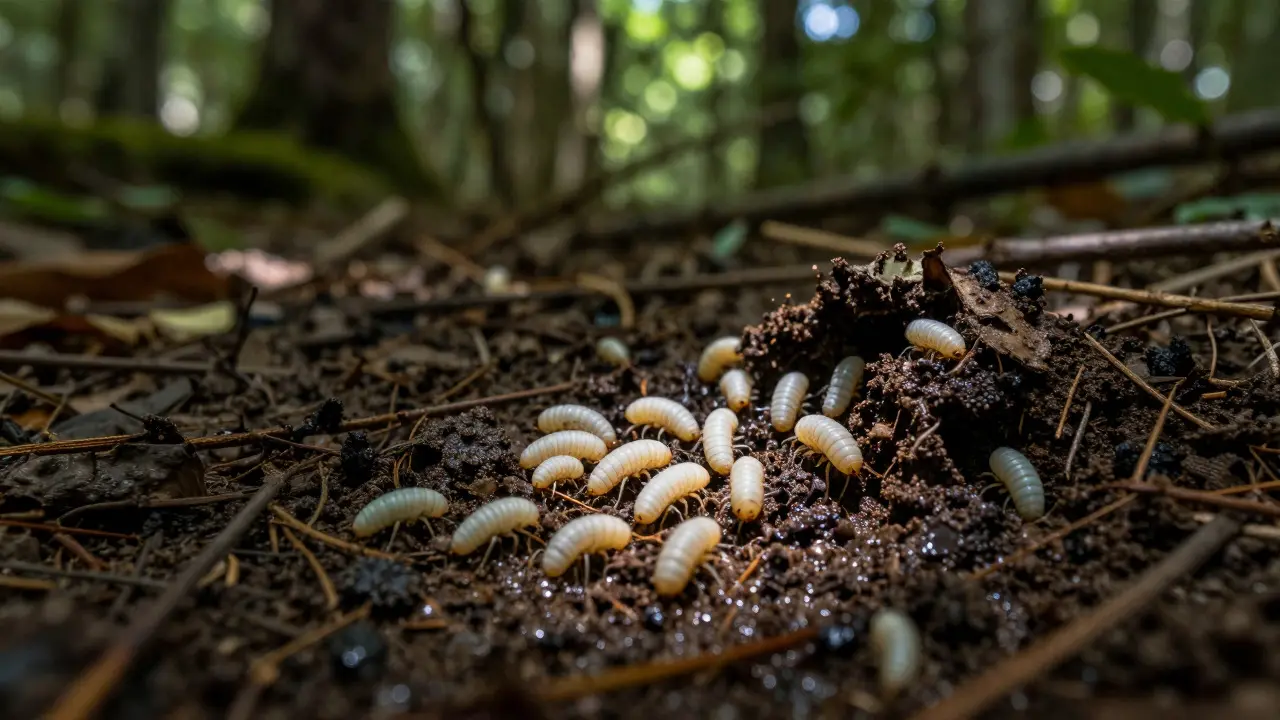
Blowflies (Calliphoridae) are typically the first to arrive, often within minutes of death if the body is exposed. They lay eggs in natural orifices or wounds. By identifying the species and determining the age of the larvae (maggots), an entomologist can calculate the minimum time since egg deposition. Since eggs are laid shortly after death, this provides a strong baseline for PMI.
Other insects, like house flies or beetles, arrive later in the process. Their presence helps confirm that active decay has progressed. However, wind, rain, or predators can disrupt insect colonization, so entomological evidence must always be cross-referenced with other data points.
Modern Tools Beyond Visual Inspection
Visual assessment is subjective and prone to error. Modern forensics relies on quantitative methods to add precision.
| Method | Accuracy Range | Key Limitations |
|---|---|---|
| Algor Mortis (Body Temperature) | First 12-24 hours | Only useful very early; affected by ambient temp and clothing. |
| Rigor Mortis | 2-12 hours onset | Variable duration; influenced by muscle mass and activity before death. |
| Taeniolysis (Livor Mortis) | 1-2 hours onset | Positional changes complicate interpretation; fixed after 8-12 hours. |
| Entomology | Days to Weeks | Requires intact insect colonies; weather data needed for calculations. |
| Chemical Markers (KCl, K+/Na+ ratio) | Hours to Days | Lab-intensive; varies by cause of death and organ sampled. |
One emerging area is the use of volatile organic compounds (VOCs). As the body decays, it releases specific gases. Researchers are developing electronic noses and mass spectrometry techniques to detect these scent profiles, offering a non-invasive way to estimate PMI with high precision.
Common Pitfalls in Decomposition Analysis
Even experienced pathologists make mistakes when they rely on a single indicator. Here are the most common errors to watch out for:
- Ignoring Climate Data: Using standard decomposition tables without adjusting for local weather history can lead to significant errors. Always check historical temperature and humidity logs for the location and date of discovery.
- Misinterpreting Rigor Mortis: Rigor can disappear and return, or fail to appear if the person was exhausted or had certain diseases before death. Never use it as the sole basis for PMI.
- Overlooking Burial Depth: A body buried six inches deep cools and decomposes differently than one on the surface. Soil insulation can preserve a body for years.
- Confusing Cause of Death Effects: Drowning, poisoning, or infection can alter decomposition rates. For example, sepsis can cause rapid autolysis, making the body look older than it is.
Best Practices for Accurate Estimation
To minimize error, forensic teams should adopt a multi-disciplinary approach. No single method is perfect, but combining them creates a robust estimate.
- Document Everything: Take detailed photos, note temperatures, and record environmental conditions immediately upon discovery.
- Collect Insect Samples: Even if maggots aren’t visible, collect soil samples near the body for potential eggs or larvae.
- Use Multiple Indicators: Cross-reference visual stages with chemical markers and entomological data.
- Consult Specialists: Work closely with forensic entomologists and toxicologists who can provide specialized insights.
- Report Ranges, Not Points: Instead of saying "died 48 hours ago," report "estimated PMI between 40 and 60 hours." This reflects scientific uncertainty honestly.
Understanding these progressive changes transforms decomposition from a mystery into a measurable phenomenon. By respecting the complexity of the process and using diverse analytical tools, investigators can piece together the timeline with greater confidence and accuracy.
How does temperature affect decomposition rate?
Higher temperatures accelerate bacterial growth and enzymatic reactions, speeding up decomposition. For every 10°F increase in temperature, the rate of decay can roughly double. Cold temperatures slow these processes, potentially preserving the body for extended periods.
What is the most accurate method for estimating time of death?
There is no single most accurate method. The best estimates come from combining multiple approaches, such as visual staging, entomology, and chemical analysis. Each method has limitations, so triangulating data from different sources reduces error.
Do buried bodies decompose differently?
Yes. Burial limits oxygen exposure and restricts insect access, which generally slows decomposition. Soil type also plays a role; acidic soils tend to preserve bones and soft tissues better than alkaline soils. Depth matters too, as deeper burial provides more insulation from temperature fluctuations.
Can insects be used to estimate time of death?
Yes, forensic entomology is a key tool. By identifying the species of flies or beetles present and determining the age of their larvae, experts can calculate the minimum time since eggs were laid. Since flies often arrive within minutes of death, this provides a reliable baseline for PMI.
What is adipocere and when does it form?
Adipocere, or grave wax, is a waxy substance formed when body fats undergo saponification. It typically forms in moist, anaerobic environments like wet soil or water. Adipocere preserves facial features and can last for centuries, providing valuable clues about identity and cause of death.