You’re standing at a fresh crime scene. The rain starts to fall. Suddenly, your biggest enemy isn’t the suspect-it’s the sky. Weather is one of the most unpredictable variables in crime scene preservation, capable of destroying critical evidence in minutes if you don’t act fast. Whether it’s a downpour washing away blood spatter or extreme heat degrading DNA, the environment dictates how you work, what survives, and ultimately, whether justice gets served.
This isn’t just theoretical. I’ve seen cases where a sudden storm turned a clear-cut homicide into an ambiguous mess because the first responders didn’t prioritize weather-proofing. If you’re new to forensics or law enforcement, understanding how atmospheric conditions interact with physical evidence is non-negotiable. It’s not about being perfect; it’s about mitigating damage before it becomes irreversible.
The Immediate Threat: Rain and Moisture Damage
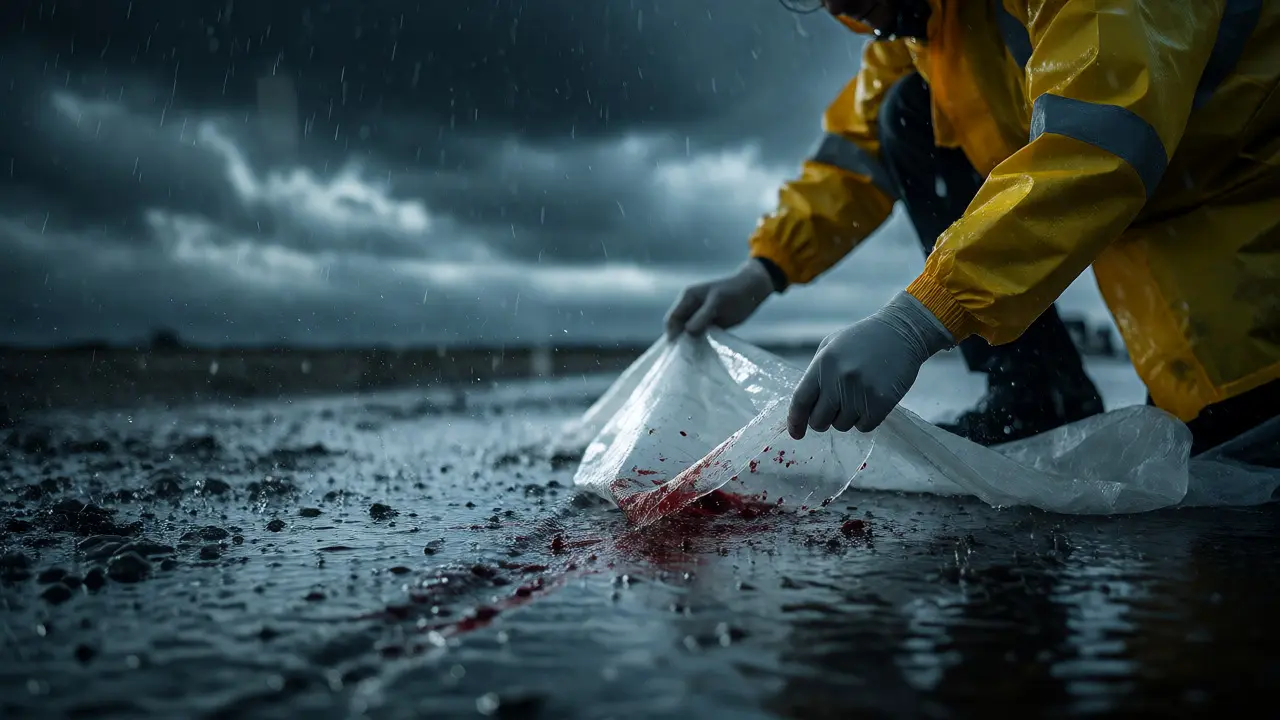
Rain is arguably the most common and destructive force against outdoor crime scenes. Water doesn’t just wash things away; it chemically alters them. Blood stains, for instance, are water-soluble. A heavy shower can dilute a distinct arterial spray pattern into a pink smear that tells investigators nothing. Worse, runoff can carry trace evidence-like hair fibers or gunpowder residue-away from its original location, contaminating the scene map.
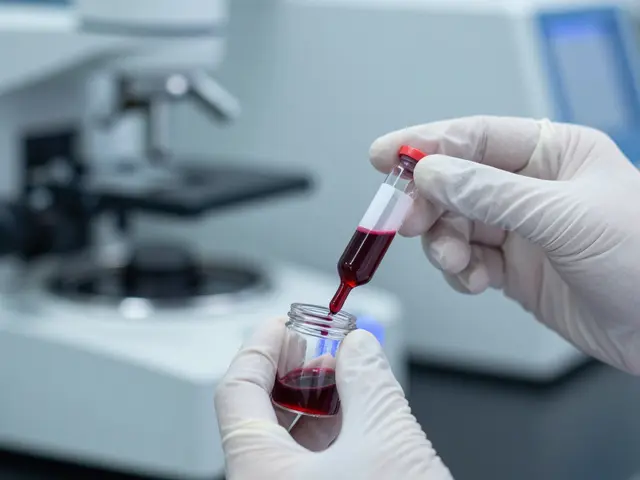
Blood Evidence is particularly vulnerable to moisture exposure. When rain hits dried blood, it rehydrates the proteins, making them prone to bacterial growth and enzymatic degradation. This process breaks down the hemoglobin structure, rendering serological testing difficult or impossible. If you’re dealing with a wet scene, your priority shifts from documentation to protection. You need tarps, but placing them directly over evidence creates condensation, which can foster mold growth on biological samples within hours.
- Runoff Risk: Moving water transports light trace evidence (pollen, dust) away from the point of origin.
- Dilution Effect: Liquid blood loses volume and pattern clarity, confusing trajectory analysis.
- Contamination Spread: Mud and dirt mix with biological fluids, complicating collection protocols.
So, what do you do? Don’t just throw a tarp over everything. Create a perimeter barrier using sandbags or absorbent materials to divert water flow. If possible, move high-value items like weapons or mobile phones to a dry, controlled environment immediately after photographing them in situ. Remember, once the water stops, the clock starts ticking on drying time. Air-drying is preferred over heat sources, which can denature proteins.
Temperature Extremes: Heat and Cold Dynamics
While rain gets the headlines, temperature swings are silent killers of evidence integrity. High temperatures accelerate decomposition and chemical breakdown. In Portland summers, we see this often. Heat speeds up the activity of bacteria and insects that consume organic matter. A body left exposed in 90°F (32°C) weather will decompose significantly faster than one in cooler conditions, altering the timeline estimates for pathologists.
DNA Degradation is heavily influenced by temperature fluctuations. Heat causes DNA strands to break apart through hydrolysis and oxidation. Studies indicate that DNA recovery rates drop sharply when samples are exposed to temperatures above 75°F (24°C) for extended periods without refrigeration. Conversely, freezing cold preserves tissue but makes collection physically difficult. Frozen soil can trap footprints permanently, which is great for casting, but brittle bones or dried skin flakes can shatter upon contact during excavation.
| Evidence Type | Effect of High Heat (>80°F) | Effect of Freezing (<32°F) |
|---|---|---|
| Biological Fluids (Blood/Semen) | Rapid bacterial growth; protein denaturation | Preserved structure; risk of cell lysis upon thawing |
| Fingerprints | Oils evaporate; latent prints fade | Stable, but moisture may freeze and obscure ridges |
| Gunshot Residue (GSR) | Minimal direct impact, but wind often accompanies heat | Minimal direct impact; snow cover protects from wind |
| Trace Fibers | Static electricity changes; potential displacement | Locked in ice/snow; easy to collect if careful |
In hot climates, shade is your best friend. Use umbrellas or tents to keep biological samples out of direct sunlight while they are being processed. For cold environments, use heated hand packs to keep your own dexterity intact-you can’t pick up a tiny fiber if your fingers are numb. Also, be aware of "freeze-thaw" cycles. If a sample freezes overnight and thaws during the day, cellular structures rupture, releasing intracellular contents that can confuse toxicology results.

Wind and Atmospheric Particulates
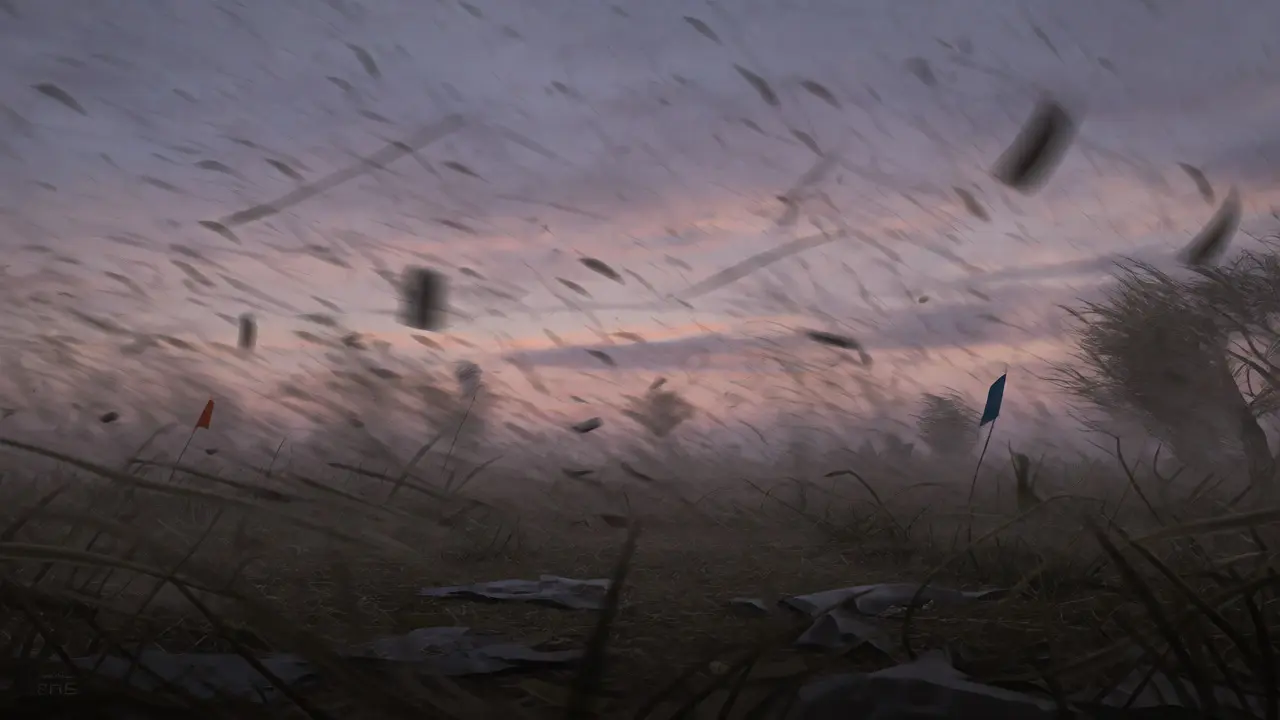
Wind is sneaky. It doesn’t dissolve evidence like rain or cook it like heat; it moves it. In open fields or rural areas, strong gusts can scatter small items like shell casings, bullets, or even clothing fragments across hundreds of yards. This phenomenon, known as evidence dispersal, disrupts the spatial relationship between items, which is crucial for reconstructing the event.
Consider a shooting incident in a windy field. A casing ejected from a semi-automatic pistol might land five feet from the shooter in calm air. With 20 mph winds, it could land fifteen feet away, skewed downwind. If you assume standard ejection patterns without accounting for wind speed and direction, your reconstruction of the shooter’s position will be wrong. Always document wind speed and direction at the time of arrival. Anemometers aren’t just for meteorologists; they’re essential tools for scene technicians.
Wind also carries airborne contaminants. Pollen, industrial soot, or agricultural chemicals can settle on surfaces, creating false positives in trace analysis. If you’re collecting swabs from a door handle in a dusty, windy area, you might pick up more background particulate than actual touch DNA. Using sterile controls and documenting ambient conditions helps labs distinguish between relevant transfer and environmental noise.
Humidity and Mold Growth
High humidity is a slow-motion disaster. It doesn’t destroy evidence instantly, but it sets the stage for long-term failure. Mold and mildew thrive in damp, warm conditions. These fungi produce enzymes that digest biological material. If you bag a wet shirt without allowing it to dry properly, you create a greenhouse effect inside the plastic. Within 24-48 hours, mold colonies can bloom, eating away at blood cells and skin oils.
Mold Contamination poses a dual threat: it degrades the evidence and introduces foreign DNA (fungal DNA) that can interfere with human STR profiling. To combat this, always air-dry biological evidence before packaging. Never put wet items directly into paper bags if they’re dripping; let them drip-dry in a secure, ventilated area first. If you must package wet items temporarily, use breathable containers or cardboard boxes rather than sealed plastic.
In humid coastal areas, like here in Oregon, the air itself holds enough moisture to affect paper-based evidence. Documents can warp, ink can bleed, and adhesive stamps or tape can lose their grip. Keep paper evidence in rigid, waterproof containers until it reaches the lab. Silica gel packets are cheap insurance against humidity spikes during transport.
Snow and Ice: Preservation vs. Obscuration
Snow acts as both a preservative and a blinder. Fresh snowfall can seal a crime scene, protecting it from further disturbance and preserving impressions like tire tracks or footprints. However, heavy accumulation can bury small evidence entirely. A bullet casing under two inches of snow is invisible unless you know exactly where to look.
When working in snow, use colored flags to mark items as soon as you spot them. Don’t try to dig them out immediately if the ground is frozen solid; wait for natural thawing or use gentle warm water techniques if necessary, though avoid direct heat which melts surrounding context. Footwear impressions in snow are fragile. Casting them requires specific low-temperature casting compounds that won’t crack as they set in the cold. Standard dental stone may fail in sub-zero temps.
Ice adds another layer of complexity. If evidence is trapped in ice, extraction methods change. Chipping away at ice can scratch or crush delicate items. Instead, allow gradual melting in a controlled manner, collecting the meltwater if trace evidence might be suspended within it. Remember, ice expands. If a container was filled with liquid and froze, it might have burst, scattering contents. Check for secondary containment failures caused by freezing.
Practical Strategies for Weather-Resilient Processing
So, how do you adapt? It comes down to preparation and prioritization. You can’t control the weather, but you can control your response. Here’s a quick checklist for any outdoor scene:
- Assess Conditions Immediately: Note temperature, humidity, wind speed, and precipitation type/direction before stepping into the core area.
- Prioritize Vulnerable Items: Identify evidence most susceptible to current weather (e.g., blood in rain, DNA in heat) and protect or collect these first.
- Use Appropriate Cover: Tarps should divert water, not trap it. Ensure airflow to prevent condensation buildup.
- Document Environmental Context: Photograph the sky, puddles, snow depth, or debris movement. This context explains anomalies in evidence placement.
- Adjust Packaging: Use breathable materials for wet items, insulated containers for hot/cold extremes, and rigid boxes for fragile items in wind.
Communication with the lab is vital. Tell them the conditions the evidence faced. A note saying "collected in 95% humidity, transported in unventilated vehicle" gives analysts insight into potential degradation issues. They might adjust their extraction protocols accordingly.
Finally, train for bad weather. Most drills happen in sunny, calm conditions. Run scenarios in the rain. Practice setting up tents in wind. Learn how gloves feel when wet and slippery. Muscle memory built in comfort zones fails in chaos. Build resilience now so you don’t panic later.
Does rain completely destroy DNA evidence?
Not necessarily. While rain can wash away surface DNA or dilute samples, protected areas like shoe treads, under fingernails, or inside crevices often retain viable genetic material. Rapid collection and proper drying can salvage usable profiles even after exposure to moderate rainfall.
How does wind affect gunshot residue (GSR) analysis?
Wind disperses GSR particles, moving them away from the shooter’s hands and clothing. This can lead to false negatives if the shooter has moved or if wind carried the particles off-target. Documenting wind speed and direction helps investigators interpret why GSR might be found in unexpected locations or absent from expected ones.
Can extreme heat ruin fingerprint evidence?
Yes. High temperatures cause the oils and sweat components of latent fingerprints to evaporate or degrade rapidly. Additionally, heat can cause substrates like plastic or vinyl to warp, distorting ridge patterns. Collecting fingerprints promptly in hot conditions is critical to preserve ridge detail.
Is snow better than rain for preserving crime scenes?
Generally, yes. Snow covers and insulates the ground, protecting impressions and small evidence from wind and additional disturbance. However, deep snow can bury evidence, requiring careful excavation. Unlike rain, snow doesn’t dissolve water-soluble evidence, but melting snow can eventually mimic rain’s damaging effects.
What is the biggest mistake made in wet crime scenes?
Sealing wet evidence in plastic bags too early. Trapped moisture promotes mold growth and bacterial proliferation, which degrade biological samples. Always air-dry evidence in a secure, shaded area before packaging it in breathable paper bags or boxes.