Imagine this: a company’s CEO gets an email from their CFO asking to wire $2 million to a new vendor. It looks real. The signature is there. But it’s a scam. Who untangles the mess? Not the HR department. It’s the Digital Forensics Analyst is a specialized professional who investigates electronic devices and networks to uncover evidence of computer crimes, data breaches, or internal misconduct. Also known as a Computer Crime Specialist, this role sits at the intersection of law enforcement, IT security, and legal procedure. They pull the logs, trace the IP addresses, and prove exactly what happened on that screen.
This isn’t just about finding deleted files anymore. In 2026, the job has evolved rapidly. With the rise of cloud computing and encrypted communications, the battlefield has shifted from hard drives to server farms and mobile apps. If you are considering this path, you need to know that it requires a unique blend of technical grit and courtroom precision. It is not for those who want to hide behind a keyboard; you will often be explaining complex tech concepts to judges who have never touched a terminal.
What Does a Digital Forensics Analyst Actually Do?
At its core, the job is about preserving truth in a digital world where data can be altered in milliseconds. Your daily routine varies wildly depending on whether you work for a law firm, a corporate security team, or a government agency like the FBI or local police departments.
- Evidence Collection: You secure laptops, phones, and servers using write-blockers to ensure no data is changed during handling. This step is critical because if the chain of custody breaks, the evidence might be thrown out of court.
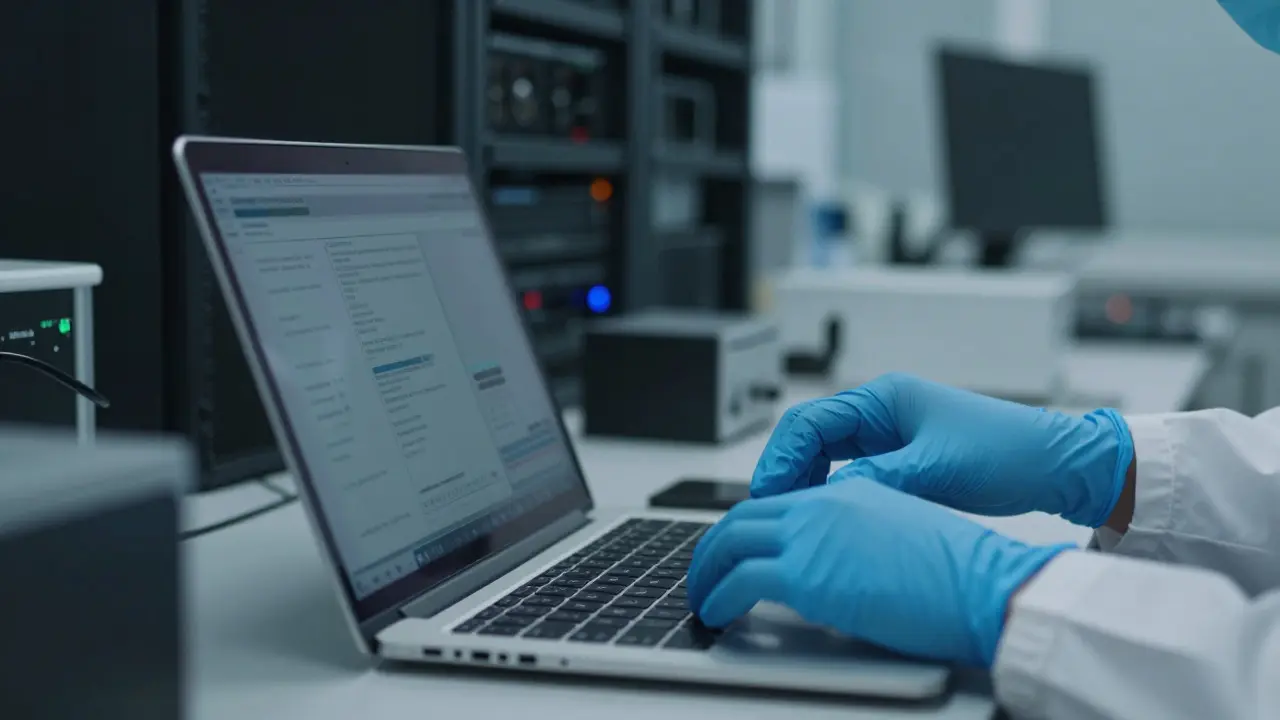
- Data Recovery: Using tools like EnCase or FTK (Forensic Toolkit), you extract hidden, deleted, or encrypted files. You aren't just looking for documents; you’re looking for metadata, browsing history, and chat logs.
- Network Analysis: You examine packet captures to see how data moved across a network. Did the hacker come in through a phishing link? Or did an insider copy files to a USB drive? Packet analysis tells the story.
- Report Writing: This is the part many techies hate but must master. You translate hex codes and log entries into plain English reports that lawyers and juries can understand.
A typical case might start with a simple theft report. A small business owner claims their client database was stolen. You image the main server, find traces of a remote access trojan, and trace the connection back to a freelancer who left the company six months prior. That narrative changes the legal strategy from civil theft to potential criminal breach of trust.
Essential Skills and Technical Stack
You don’t need to be a coder to be a great analyst, but you do need to be comfortable with command-line interfaces. The industry relies heavily on specific software suites, and knowing them inside out is your ticket to employment.
| Tool Name | Primary Use Case | Cost Model | Learning Curve |
|---|---|---|---|
| EnCase | Standard for disk imaging and file system analysis | Enterprise License | Steep |
| FTK (Forensic Toolkit) | Document review and multi-case management | Enterprise License | Moderate |
| Autopsy | Open-source alternative for basic investigations | Free | Moderate |
| Wireshark | Network protocol analysis and packet capture | Free | Steep |
Beyond the software, you need strong knowledge of operating systems. Windows Registry hives tell you what programs were installed and when. Linux system logs reveal root user activities. Mobile device architecture is also crucial since most modern evidence lives on smartphones. Understanding how Android partitions differ from iOS storage structures saves hours of trial and error.
Certifications matter here. The GIAC Certified Forensic Examiner (GCFE) and the Certified Computer Examiner (CCE) are widely recognized by employers. These credentials prove you understand not just the tools, but the legal standards for admissibility.
Education Pathways and Career Entry Points
Most analysts hold a bachelor’s degree in Computer Science, Information Technology, or Criminal Justice. However, the field is increasingly accepting candidates with self-taught skills if they can demonstrate practical proficiency. A common entry point is starting as a junior IT support technician or a help desk agent. From there, you move into IT security roles before specializing in forensics.
- Build the Foundation: Learn networking basics (TCP/IP, DNS, HTTP). You cannot analyze traffic if you don’t understand how packets flow.
- Master Operating Systems: Get comfortable with Windows Server administration and basic Linux commands. Know how to read event logs without GUI assistance.
- Learn a Forensic Tool: Download Autopsy or use a free trial of X-Ways Forensics. Practice recovering deleted files from virtual machine images.
- Get Certified: Aim for the CompTIA Security+ first, then pursue GCFE or CCE once you have some experience.
- Network: Join local chapters of the International Society of Forensic Computer Examiners (ISFCE). Attend conferences like SANS DFIR Summit to meet hiring managers.
In Portland, Oregon, and other major tech hubs, demand is high. Companies are losing billions to ransomware and insider threats, creating a constant need for specialists who can investigate these incidents quickly. Remote work options have also expanded, allowing analysts to work for firms in different time zones without relocating.
The Legal Side: Admissibility and Chain of Custody
This is what separates a forensic analyst from a regular IT admin. In court, your findings are only as good as your documentation. If you didn’t record the hash value of a disk image when you created it, the defense attorney will argue you could have altered the data later. Hashing algorithms like SHA-256 create a digital fingerprint of the file. If the fingerprint matches at trial, the data is proven authentic.
Chain of custody refers to the chronological documentation showing who had possession of the evidence, when, and why. Every transfer must be logged. For example, if you hand a laptop to a lab technician, both signatures are required. Missing a single signature can result in a mistrial. This level of detail is tedious but non-negotiable.
Understanding the Federal Rules of Evidence, particularly Rule 702 regarding expert witnesses, is vital. You may be called to testify. You need to explain why your method is reliable and generally accepted in the scientific community. Preparation for cross-examination is part of the job description, even if you rarely end up in the witness box.
Salary Expectations and Job Market Trends in 2026
Salaries for digital forensics analysts vary based on location, sector, and experience. In the United States, entry-level positions typically range from $60,000 to $75,000 per year. Mid-level analysts with 3-5 years of experience can expect between $85,000 and $105,000. Senior specialists or those working in high-cost cities like San Francisco or New York often earn over $120,000.
The private sector generally pays more than the public sector, but government jobs offer better benefits and stability. Contract work is also prevalent, especially after major data breaches. Agencies hire independent consultants to handle overflow cases, which can pay premium hourly rates ($100-$150/hour) but lacks long-term security.
Trends for 2026 show a shift toward cloud forensics. As companies migrate to AWS, Azure, and Google Cloud Platform, traditional disk imaging is less common. Analysts now spend more time reviewing API calls, cloud storage buckets, and virtual machine snapshots. Learning Python scripting to automate log analysis is becoming a standard requirement rather than a bonus skill.

Common Pitfalls to Avoid
New analysts often make mistakes that compromise cases. Here are the top three to watch out for:
- Ignoring Time Zones: Log files often record time in UTC. If you forget to convert to local time, your timeline will be off, potentially clearing a suspect or implicating the wrong person.
- Overlooking Volatile Data: RAM contents disappear when a computer is turned off. If you power down a suspect machine without capturing memory first, you lose active processes and encryption keys.
- Poor Documentation: Taking shortcuts in note-taking leads to gaps in the chain of custody. Always document every action, no matter how minor it seems.
Avoiding these pitfalls requires discipline. Treat every investigation like it will go to trial, because in serious cases, it probably will.
Frequently Asked Questions
Do I need a computer science degree to become a digital forensics analyst?
No, while a CS degree helps, many successful analysts come from IT support, cybersecurity, or even military backgrounds. Practical skills, certifications like GCFE, and demonstrated experience with forensic tools are often valued more heavily by employers than academic credentials alone.
Is digital forensics a good career choice in 2026?
Yes. With the increasing reliance on digital infrastructure and the rising cost of cybercrime, demand for skilled investigators remains high. The field offers competitive salaries, variety in casework, and opportunities for remote work. However, it requires continuous learning due to rapid technological changes.
What is the difference between a digital forensics analyst and a cybersecurity analyst?
A cybersecurity analyst focuses on prevention and monitoring-setting up firewalls, watching for intrusions, and patching vulnerabilities. A digital forensics analyst focuses on reaction and investigation-analyzing what happened after an incident to gather evidence for legal or disciplinary action. The former is proactive; the latter is reactive.
How much does a digital forensics analyst make in the US?
In 2026, entry-level salaries average around $65,000. Mid-career professionals earn between $90,000 and $110,000. Senior experts in major metropolitan areas or specialized sectors like finance can earn over $130,000. Contract rates are significantly higher but lack benefits.
What tools should I learn first for digital forensics?
Start with open-source tools like Autopsy for disk analysis and Wireshark for network traffic. These are free and allow you to build foundational skills. Once comfortable, move to commercial standards like EnCase or FTK, which are used in most enterprise and legal environments. Learning basic Python scripting is also highly recommended for automating repetitive tasks.