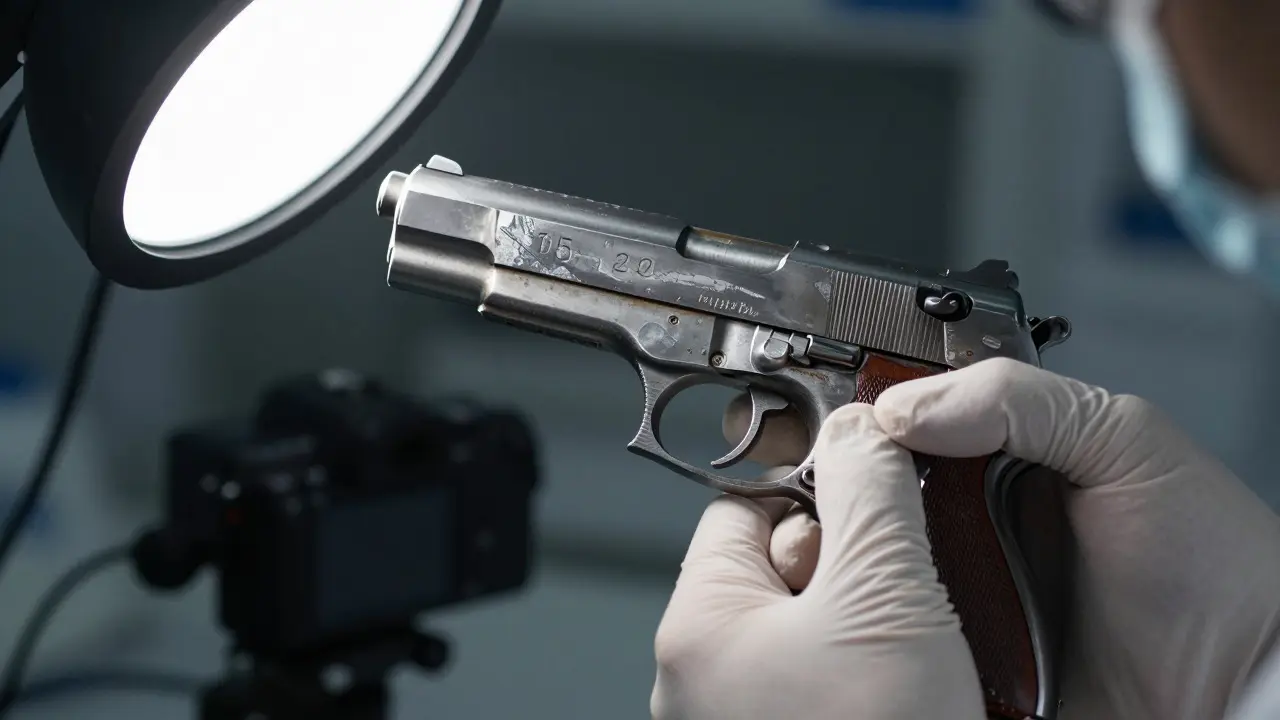
You hold a recovered firearm in your hand. The barrel is clean, the action works, but the serial number plate looks like it’s been chewed by a lawnmower. Scratches, rust, or deliberate grinding have erased the unique identifier that links this weapon to its owner, manufacturer, and history. In forensic science, gun serial number restoration is the process of recovering legible markings from damaged metal surfaces using specialized tools and techniques without altering the original evidence. It is not about guessing what the number might be; it is about revealing what is already there, hidden beneath layers of damage.
This task sits at the intersection of metallurgy, optics, and legal procedure. If done wrong, you risk destroying the very evidence needed for prosecution. If done right, you can turn an unidentifiable piece of scrap into a critical link in a criminal case. Here is how professionals approach the problem, step by step.
Why Serial Numbers Matter in Forensics
A serial number is more than just a factory code. It is the digital fingerprint of a physical object. For manufacturers like Smith & Wesson or Glock, each number corresponds to a specific production batch, date, and model variant. When a crime scene yields a gun with a damaged ID, investigators lose the ability to trace its purchase history through the National Firearms Act records or state-level databases.
The primary goal of restoration is evidentiary integrity. Courts require that the method used to reveal the number does not introduce new marks or alter existing ones. This means avoiding abrasive polishing that could remove microscopic striations left by the original stamping machine. Instead, the focus shifts to enhancing contrast between the stamped digits and the surrounding metal surface.
Assessing the Damage: What Are You Dealing With?
Before touching any tool, you must categorize the type of damage. Not all obscured serial numbers are created equal. The approach changes drastically depending on whether the metal is scratched, rusted, ground down, or painted over.
- Surface Scratches: Shallow gouges that cut across the digits but do not remove them entirely. These are the easiest to restore using lighting and photography.
- Rust and Corrosion: Oxidation builds up on top of the metal, hiding the engraving. Chemical cleaning may be required, but it must be controlled to avoid etching the base metal.
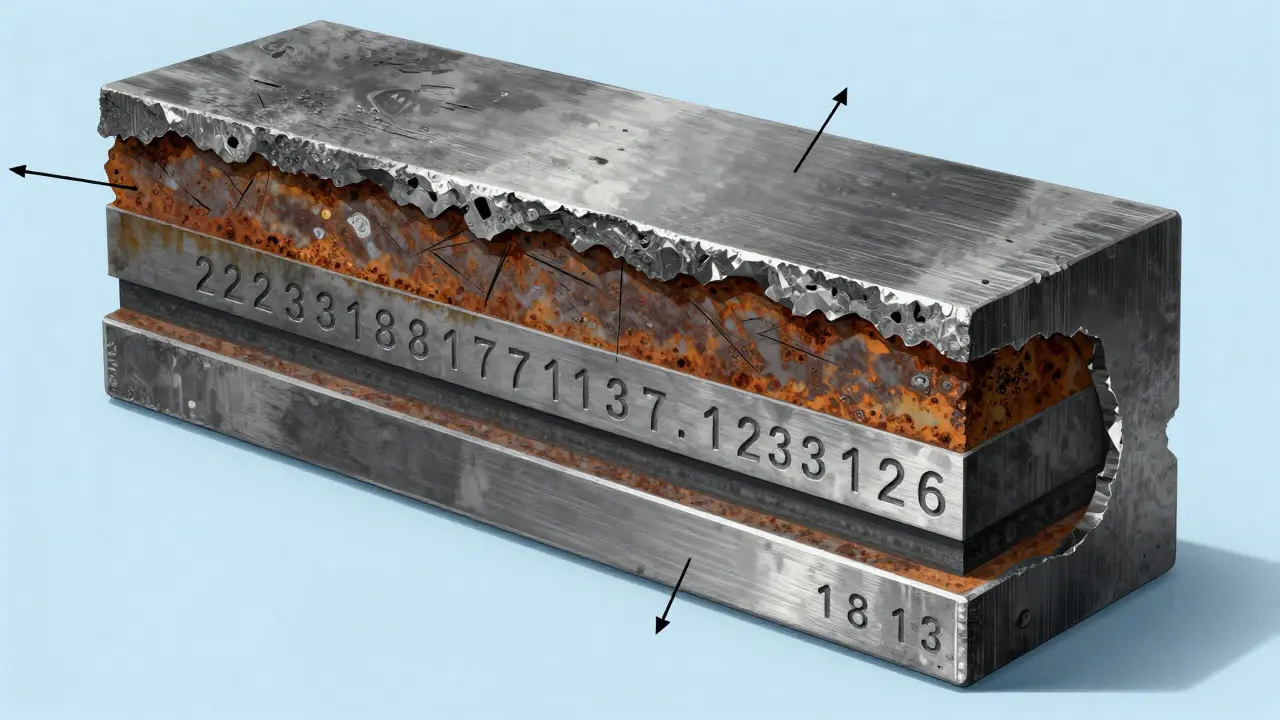
- Machining/Grinding: The most difficult scenario. The top layer of metal has been physically removed. Restoration here relies on finding deeper layers where the original stamping impression might still exist in the substrate.
- Paint or Coating: A layer of paint covers the number. Solvent removal is usually effective, provided the solvent doesn’t react with the underlying alloy.
Identifying the metal type is also crucial. Steel, aluminum, and brass react differently to chemicals and light. Hardened steel resists corrosion better than mild steel, but it also makes deep impressions harder to see without magnification.
Non-Destructive Techniques: Light and Chemistry
The first line of defense is always non-destructive. You want to see the number before you touch it with anything other than a soft brush.
Oblique Lighting is the gold standard for shallow scratches. By shining a strong light source at a low angle (10-30 degrees) against the surface, shadows are cast inside the grooves of the stamped digits. Even if the number is barely visible to the naked eye, these shadows make it pop. Digital photography with high resolution captures these shadows far better than the human eye can perceive them.
Electrolytic Cleaning is used for heavy rust. A mild electric current passes through a conductive solution, lifting oxidation off the metal without scrubbing. This technique requires careful voltage control. Too much current, and you start to eat away the actual steel. Too little, and nothing happens. Professionals often use a multimeter to monitor the amperage in real-time.
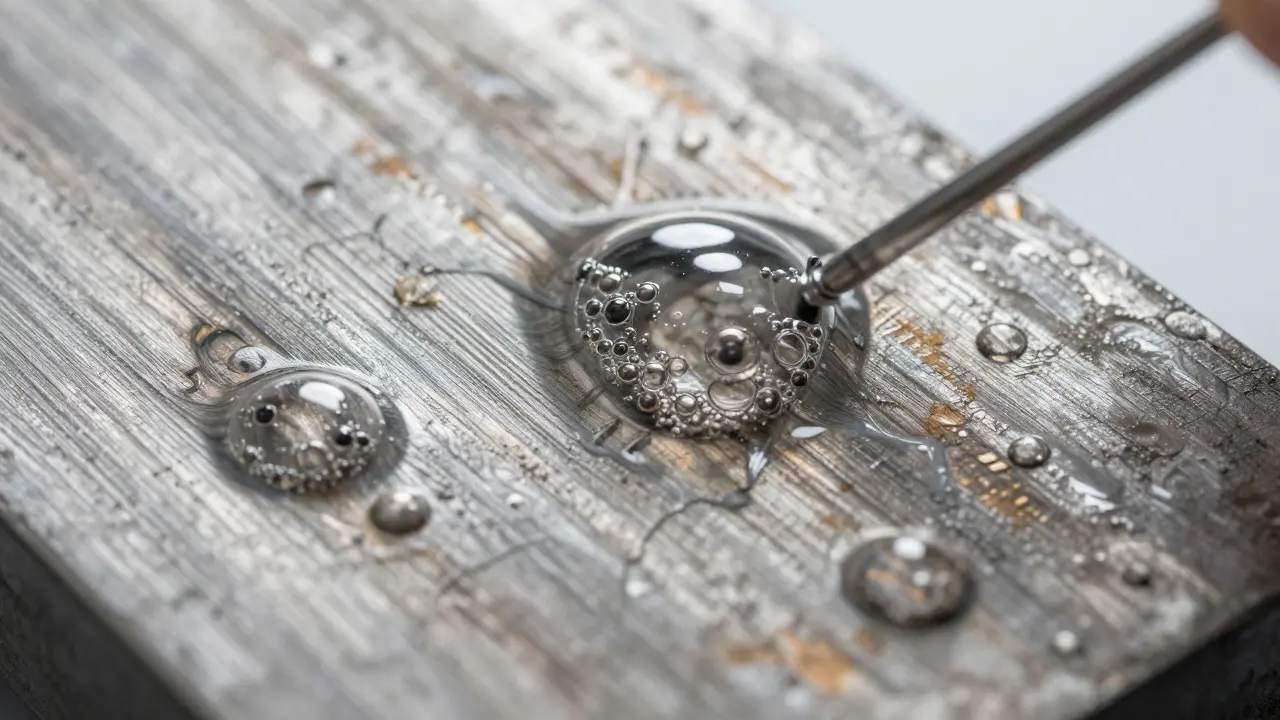
Chemical Etching involves applying a weak acid or alkaline solution that reacts with the oxidized layer faster than the base metal. For example, a dilute phosphoric acid solution can dissolve iron oxide (rust) while leaving the steel underneath relatively untouched. However, this must be timed precisely. Leave it on too long, and the acid will begin to attack the clean metal, blurring the edges of the restored number.
Destructive Methods: When You Have No Choice
Sometimes, the damage is so severe that non-destructive methods fail. This is where the term "restoration" becomes slightly misleading, as you are technically removing material to find deeper truth. These methods carry higher risk and require strict documentation.
Micro-Etching uses a fine jet of abrasive particles or a focused chemical beam to remove tiny amounts of metal. Unlike sandpaper, which is random, micro-etching can be controlled to stop at a specific depth. If the original stamp went 0.5mm deep, and the grinder removed 0.4mm, you only need to remove another 0.1mm to reveal the bottom of the stamp. This precision prevents you from erasing the number completely.
Ultrasonic Cleaning utilizes sound waves to vibrate particles out of crevices. While gentle, it can help dislodge debris trapped in the corners of the digits after initial chemical treatment. It is often paired with electrolytic cleaning for best results.
| Technique | Best For | Risk Level | Equipment Needed |
|---|---|---|---|
| Oblique Lighting | Shallow scratches, faint stamps | Low | LED light, camera, tripod |
| Electrolysis | Heavy rust, corrosion | Medium | Battery pack, electrolyte solution, electrodes |
| Chemical Etching | Oxidation, paint removal | High | Acids/solvents, timer, protective gear |
| Micro-Etching | Deep grinding, layered damage | Very High | Specialized micro-mill or laser ablator |
The Role of Microscopy and Documentation
Restoration is useless if you cannot prove what you found. Every step must be documented. Before applying any chemical or mechanical force, take macro photographs of the area. Use a scale bar in every shot. After each stage of cleaning, photograph again. This creates a timeline that shows the progressive revelation of the number.
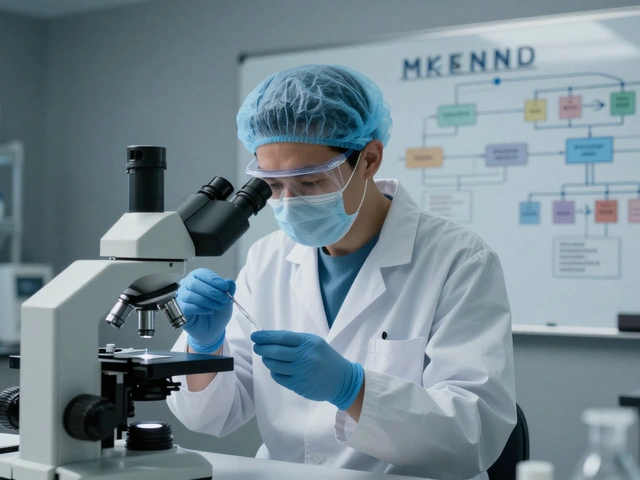
Forensic microscopes allow examiners to view the internal structure of the metal. Under high magnification, you can see the "flow lines" of the metal. When a stamp presses into metal, it displaces the material. Even if the surface is smoothed over, the subsurface deformation remains. Microscopy helps confirm that the revealed number matches the original manufacturing process, rather than being a later addition.
Documentation also includes chain of custody logs. Who touched the gun? When was it cleaned? What chemicals were used? If the defense attorney argues that the number was fabricated during restoration, your detailed logs and time-stamped photos are your defense.
Common Pitfalls to Avoid
Even experienced technicians make mistakes. Here are the most common errors that compromise evidence:
- Over-Polishing: Using a buffing wheel removes the sharp edges of the stamp. Once the edges are rounded, the number becomes ambiguous. Stick to chemical or light-based methods first.
- Incompatible Solvents: Some plastics or grips near the serial number can melt or discolor when exposed to certain acids. Always test on a non-critical area first.
- Lack of Control: Letting a chemical sit for "a few minutes" without timing it is a recipe for disaster. Set a timer. Be precise.
- Ignoring Context: Sometimes the serial number isn't on the frame. It might be on the slide, the barrel, or even the grip panel. Check all standard locations defined by the manufacturer before assuming it's gone.
When to Call in the Experts
If the firearm is central to a major investigation, consider sending it to a certified ballistics laboratory. Private labs often have access to advanced tools like X-ray fluorescence (XRF) spectroscopy, which can analyze the elemental composition of the metal layers. This can help determine if the top layer was replaced or if the damage is purely superficial.
For private owners restoring heirlooms or lost property, local gunsmiths with forensic experience are a good option. They understand the balance between aesthetics and preservation. Just ensure they agree to document their work similarly to a forensic lab.
Can a serial number be restored if it was completely ground off?
It depends on the depth of the original stamp. If the grinder removed less metal than the depth of the stamp, the bottom of the impression may still exist in the substrate. Micro-etching can reveal this. If the grinder removed the entire depth of the stamp, restoration is impossible without external records.
Is it legal to restore a serial number yourself?
In many jurisdictions, altering a serial number is illegal, but restoring a damaged one is generally permitted if done accurately. However, for legal cases, only accredited laboratories should perform the work to ensure admissibility in court. For personal collection purposes, consult local laws regarding firearm modification.
What is the difference between restoration and reconstruction?
Restoration reveals existing marks. Reconstruction implies creating new marks based on guesswork or partial data. Forensic standards strictly favor restoration. Reconstruction is rarely accepted as primary evidence unless supported by independent verification, such as matching tool marks from the original manufacturing equipment.
How long does the restoration process take?
Simple light-based enhancement takes minutes. Chemical cleaning might take hours due to waiting times. Complex micro-etching can take days, especially if multiple layers of damage need to be peeled back carefully. Each step requires drying and inspection time.
Do all guns have serial numbers in the same place?
No. Manufacturers vary. Some stamp the frame, some the slide, others the barrel. For example, older revolvers often have the number on the sideplate or under the hammer, while modern pistols typically feature it on the slide or frame rails. Always refer to the specific model's manual or manufacturer database.