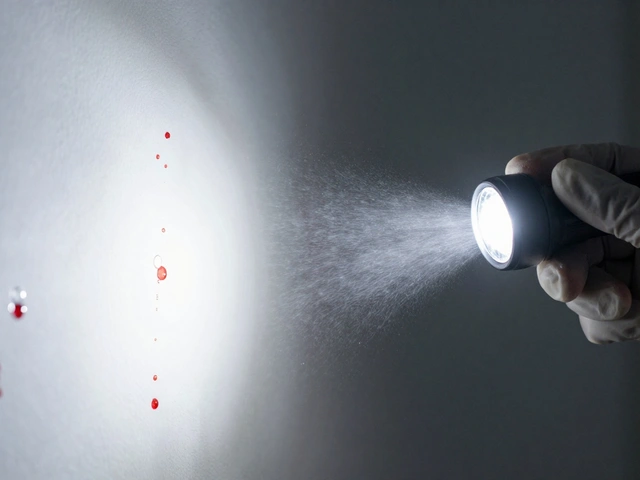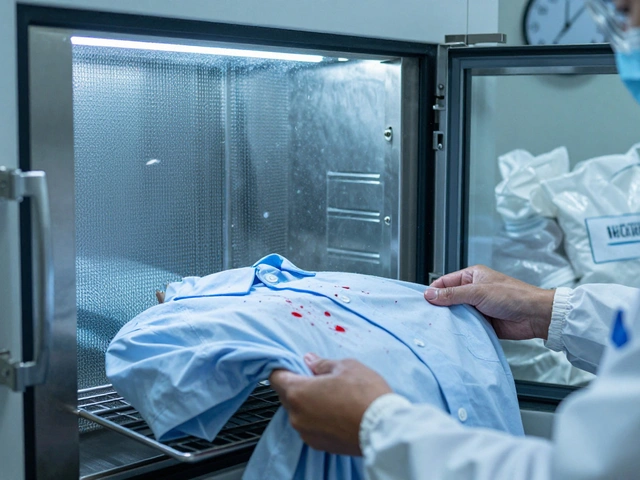
Imagine a body arrives at the morgue with no obvious signs of trauma. The heart looks normal, the lungs are clear, and there’s no blood on the clothes. Yet, the family insists the person was found dead after a party where they drank heavily. This is where toxicological correlation becomes the bridge between what the eye sees and what the chemistry reveals. It isn't just about finding drugs or alcohol; it’s about understanding how those substances interacted with the body’s existing conditions to cause death.
In forensic pathology, we often face a disconnect. The pathologist performs an autopsy and notes findings like fatty liver disease or early-stage cardiac fibrosis. Meanwhile, the toxicologist runs assays and returns a report showing elevated ethanol levels or trace amounts of benzodiazepines. If these two pieces of data aren’t integrated carefully, you might miss the true mechanism of death. Is it pure poisoning? Or is it a synergistic effect where a minor dose of a drug became lethal because of underlying organ failure?
The Core Challenge: Bridging Two Different Languages
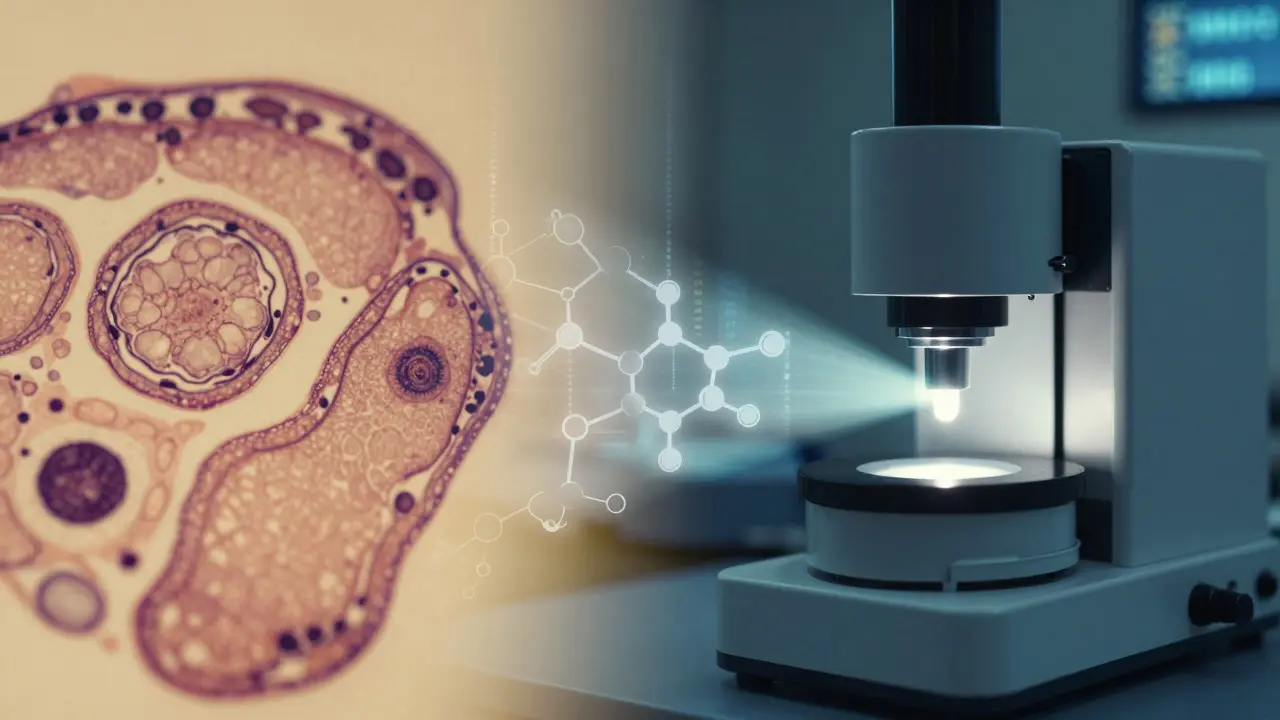
Forensic Toxicology is the branch of forensic science that deals with the application of chemistry, pharmacology, and clinical medicine to determine the presence and effects of drugs, poisons, and other foreign substances in the body. On the other hand, Forensic Pathology focuses on the examination of bodies after death to determine the cause and manner of death through physical inspection and histological analysis. These two fields operate in parallel but speak different languages. The pathologist describes morphology-what things look like under the microscope. The toxicologist describes concentration-how much of a substance is present in the tissue.
The problem arises when one field ignores the context provided by the other. A high level of alcohol in the blood doesn’t automatically mean alcohol caused the death. If the autopsy shows significant coronary artery disease, even a moderate amount of alcohol could have triggered a fatal arrhythmia. Conversely, if the autopsy is entirely unremarkable, but the toxicology screen reveals a massive overdose of opioids, the correlation is straightforward. But life rarely offers such clean-cut scenarios.
Why Simple Concentration Numbers Mislead
One of the biggest pitfalls in integrating these results is relying solely on peak concentrations. Postmortem redistribution can alter drug levels in the blood, making them appear higher than they were during life. For example, anticholinergic drugs like atropine or tricyclic antidepressants can redistribute from tissues into the central compartment (blood) after death, leading to false-positive interpretations of acute intoxication.
To avoid this, experts look for specific markers. Instead of just measuring serum levels, we examine vitreous humor or femoral blood samples, which are less prone to redistribution. We also consider the postmortem interval. If a body has been decomposing for three days, interpreting volatile organic compounds becomes significantly more complex due to putrefaction gases interfering with gas chromatography-mass spectrometry (GC-MS) readings.
Key Factors in Establishing Causality
When deciding whether a toxicological finding contributed to death, we evaluate several critical factors. These aren't just checkboxes; they form a logical chain of evidence.
- Concentration vs. Threshold: Was the level found above the therapeutic range? For many drugs, toxicity begins well below the lethal dose. Knowing the patient's history of use is crucial here. A chronic user may tolerate levels that would kill a naive subject.
- Pathological Findings: Did the autopsy reveal organ damage consistent with the toxin? For instance, methanol poisoning causes optic nerve degeneration and basal ganglia necrosis. If you find these lesions alongside high methanol levels, the correlation is strong.
- Time of Death Estimation: Does the timeline fit? If the last known ingestion was 48 hours ago, but the half-life of the drug suggests it should be undetectable, the source of the toxin needs re-evaluation.
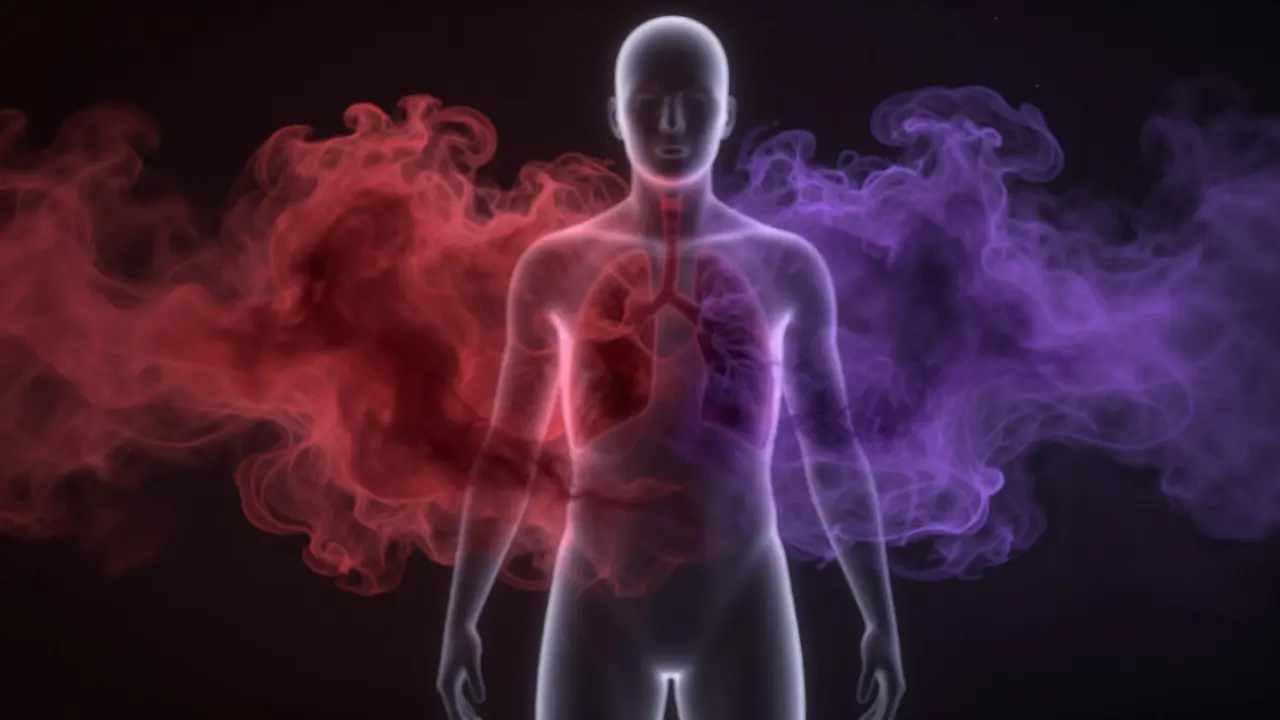
- Synergistic Effects: Many deaths result from combinations. Alcohol plus benzodiazepines increases respiratory depression risk exponentially. The sum of the parts is greater than the whole.
Practical Workflow for Integration
How do you actually do this in practice? It requires communication before the final report is written. Here is a streamlined approach used in modern forensic labs:
- Preliminary Autopsy Review: Before sending samples, the pathologist shares preliminary gross findings with the toxicologist. "This patient has severe cirrhosis" changes how you interpret acetaminophen levels, as liver metabolism is impaired.
- Targeted Testing: Based on the autopsy, you might skip broad screens and go straight to specific assays. If the brain shows hemorrhagic infarction, testing for anticoagulants or thrombolytics becomes priority over recreational drugs.
- Joint Case Conference: Ideally, the pathologist and toxicologist meet to discuss the case. This prevents the "silo effect" where each specialist writes their own independent opinion without considering the other’s data.
- Drafting the Combined Opinion: The final cause of death statement should reflect both perspectives. Instead of "Death due to opioid overdose," it might read "Acute respiratory depression due to combined opioid and alcohol toxicity in the setting of chronic obstructive pulmonary disease."
Common Pitfalls and How to Avoid Them
Even experienced professionals make mistakes. Here are the most common errors in toxicological correlation and how to mitigate them.
| Error Type | Description | Mitigation Strategy |
|---|---|---|
| Ignoring Postmortem Redistribution | Assuming blood levels reflect antemortem status without adjusting for time since death. | Use vitreous humor or femoral blood; apply correction factors based on temperature and PMI. |
| Disregarding Underlying Disease | Attributing death solely to a drug when organ failure played a major role. | Cross-reference histopathology reports with toxicology results before finalizing cause of death. |
| Overlooking Metabolites | Focusing only on parent compounds and missing active metabolites that persist longer. | Include comprehensive metabolite panels in GC-MS/LC-MS/MS protocols. |
| Poor Documentation of History | Lacking information on prior medication use or health conditions. | Standardize intake forms to capture detailed medical and social history from investigators. |
Another subtle issue is the interpretation of "negative" results. A negative screen for opioids doesn’t mean the person didn’t take opioids; it might mean they took a synthetic opioid not covered by standard immunoassays. Always confirm negatives with confirmatory mass spectrometry methods if clinical suspicion remains high.
The Role of Advanced Analytical Techniques
Technology has changed the game. Traditional immunoassay screens are fast but lack specificity. Today, liquid chromatography-tandem mass spectrometry (LC-MS/MS) allows us to detect multiple drugs simultaneously with high sensitivity and specificity. This means we can identify low-level co-ingestants that older methods would miss.
Furthermore, metabolomics is emerging as a tool for toxicological correlation. By analyzing the entire metabolic profile of a sample, we can detect subtle physiological changes induced by toxins, even before specific drug levels reach toxic thresholds. While still largely in research phases, this approach promises to provide a more holistic view of how a body reacted to a substance.
Case Study: The Synergy of Alcohol and Opioids
Consider a typical scenario: a 35-year-old male found dead in his apartment. Autopsy reveals mild pulmonary edema and congestion of internal organs. No significant structural abnormalities are noted in the heart or brain. Toxicology shows 150 mg/dL of ethanol and 20 ng/mL of morphine. Individually, neither level is typically considered immediately lethal in a healthy adult. However, the combination significantly depresses the central nervous system, leading to hypoventilation and subsequent hypoxia. The pulmonary edema seen in the autopsy is a direct result of this respiratory failure. Without correlating the morphine level with the ethanol level and the pathological finding of edema, one might underestimate the contribution of the opioid, attributing the death primarily to alcohol. The integrated view clarifies that it was the synergy that proved fatal.
Best Practices for Clear Reporting
Clear communication is vital. The final report should explicitly state how the toxicological findings relate to the pathological findings. Use precise language. Avoid vague terms like "contributed to" unless you can define the degree of contribution. Instead, specify the mechanism: "The detected level of X likely exacerbated Y, leading to Z."
Always include limitations. If the postmortem interval was long, note the potential for decomposition artifacts. If the history was incomplete, state that assumptions were made regarding prior exposure. Transparency builds credibility with judges and juries who rely on your expertise.
What is the primary goal of toxicological correlation in forensic pathology?
The primary goal is to determine whether detected substances contributed to, caused, or merely accompanied the death by integrating chemical concentrations with pathological findings and clinical history.
How does postmortem redistribution affect toxicology results?
Postmortem redistribution involves the movement of drugs from tissues into the blood after death, which can artificially elevate blood concentrations and lead to misinterpretation of antemortem levels.
Which body fluids are best for avoiding redistribution errors?
Vitreous humor and femoral blood are generally preferred over peripheral venous blood because they are less susceptible to postmortem redistribution of many common drugs.
Can a single drug level ever be enough to determine cause of death?
Rarely. Cause of death determination usually requires correlating the drug level with the individual's tolerance, underlying health conditions, and concurrent pathological findings to establish causality.
What role does LC-MS/MS play in modern toxicological correlation?
LC-MS/MS provides high-sensitivity and high-specificity detection of multiple drugs and metabolites simultaneously, allowing for more accurate identification of co-ingestants and confirming preliminary screening results.