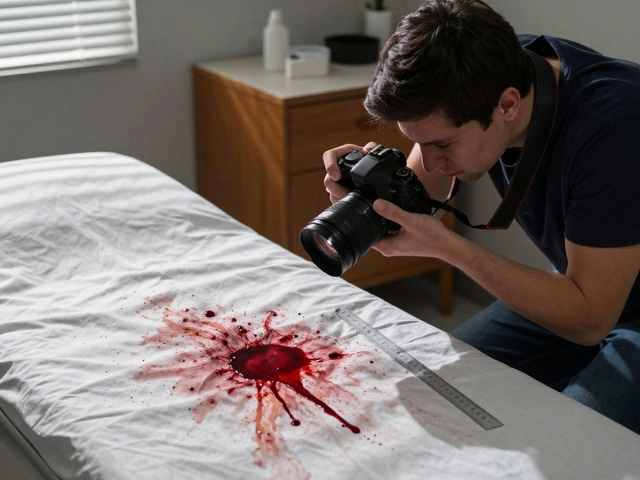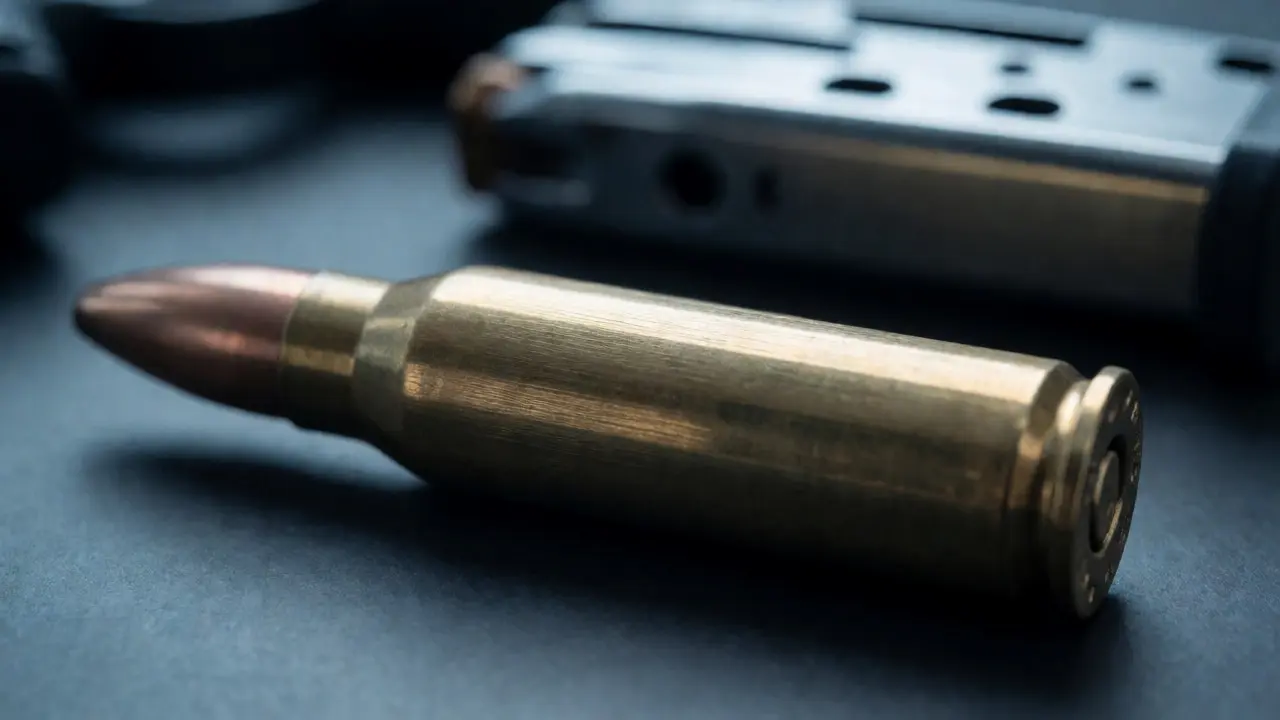
Most people think gun forensics is all about the bullet. They picture the grooves on a casing or the scratches on a lead slug. But there’s a quieter, often overlooked witness in every shooting scene: the magazine. When you pull a trigger, the ammunition doesn’t just fly out; it travels through a mechanical gauntlet. The path from the magazine well into the chamber leaves distinct fingerprints on both the cartridge case and the magazine itself. These are called magazine and feed system marks, and they can be the difference between "this gun fired that round" and "we know exactly which magazine was used."
If you’re working a cold case or trying to connect a suspect’s weapon to recovered casings, ignoring these marks means throwing away half your evidence. Let’s break down how these marks form, why they matter, and how examiners actually use them to link firearms to cases.
The Mechanics of Mark Creation
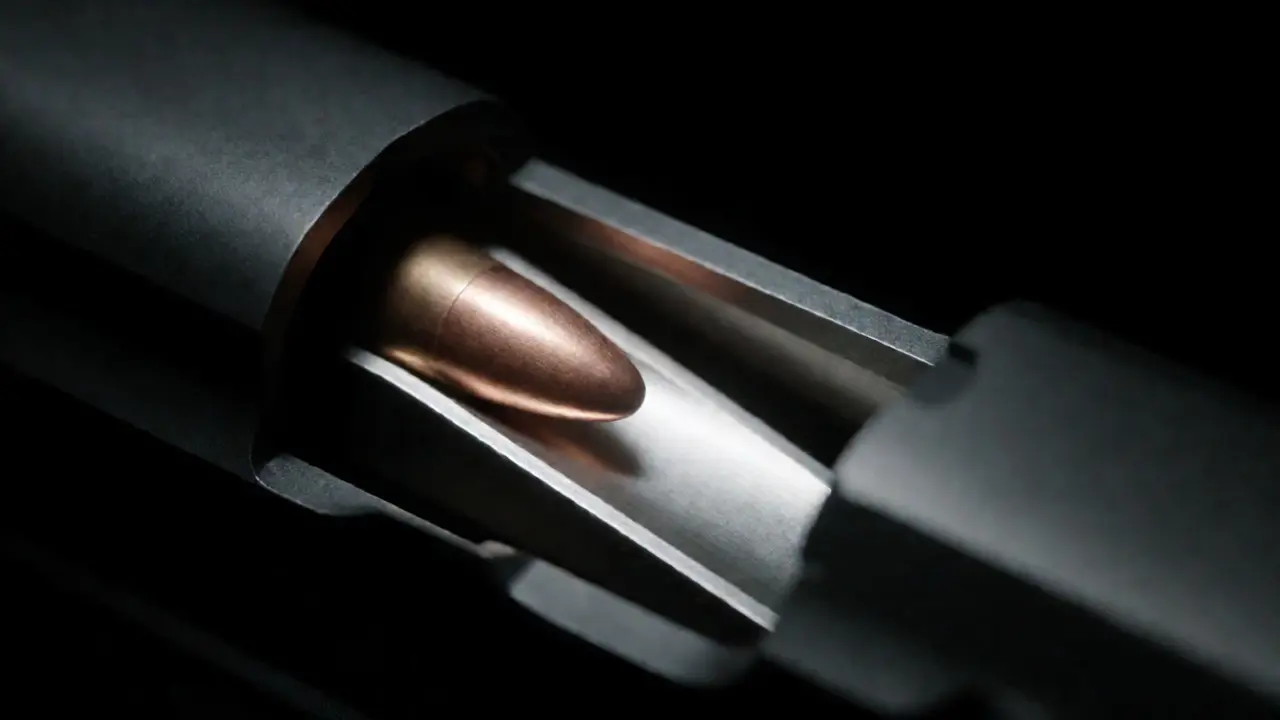
To understand the evidence, you have to understand the machine. A semi-automatic pistol isn’t just a barrel and a hammer. It’s a complex assembly of springs, followers, and metal lips. When you rack the slide, the feed ramp is an angled surface inside the frame that guides the cartridge from the magazine into the chamber. As the round moves up, it rubs against the magazine walls, the follower, and the feed ramp itself.
This friction creates microscopic striations-tiny lines carved into the brass of the casing or the polymer/metal of the magazine. Unlike firing pin impressions, which happen once per shot, feed marks happen during the loading cycle. This means if a shooter fires five rounds, there are five sets of potential transfer marks on the magazines and the cartridges. Because manufacturing tolerances vary, no two magazines wear exactly alike. Even two magazines from the same production batch will develop unique wear patterns after a few hundred cycles.
Types of Magazine and Feed Marks
Examiners generally categorize these traces into three main types. Knowing the difference helps you determine what kind of comparison is possible.
- Magazine Body Marks: These are scratches on the side of the cartridge case caused by the inner walls of the magazine. If the magazine is bent, dented, or has debris inside, it will leave irregular gouges on the brass. These are excellent for linking a specific magazine to a specific set of casings found at a scene.
- Feed Ramp Marks: As the bullet tip slides over the ramp, it can leave drag marks on the nose of the bullet or the rim of the case. These are harder to see but highly diagnostic because the angle and finish of the feed ramp are determined by the gun’s manufacturer and model.
- Follower and Spring Impressions: The spring pushes the rounds up. Over time, the coil of the spring or the top plate of the follower can leave faint indentations on the base of the cartridge. These are subtle but persistent.
It’s crucial to distinguish these from extraction and ejection marks. Extraction happens when the claw pulls the empty case out; ejection happens when the ejector kicks it out. Those marks occur *after* firing. Feed marks occur *before* firing. Confusing them leads to false conclusions about the sequence of events.
| Evidence Type | Origin Mechanism | Location on Cartridge | Diagnostic Value |
|---|---|---|---|
| Breech Face Marks | Firing Pin / Bolt Face | Primer Pocket | High (Links Gun to Shot) |
| Extraction/Ejection Marks | Extractor Claw / Ejector | Rim / Base | Medium-High (Links Gun to Shot) |
| Magazine Body Marks | Friction with Mag Walls | Side of Case | High (Links Specific Magazine) |
| Feed Ramp Marks | Sliding over Ramp | Bullet Nose / Case Shoulder | Medium (Links Gun Model/Specific Gun) |
Why Magazine Marks Are Underutilized
Here’s the uncomfortable truth: many crime labs still prioritize breech face and rifling analysis above all else. Why? Because the science is older and the databases (like NIBIN) are built around those images. Magazine marks are messy. They overlap. They can be obscured by cleaning, holster wear, or even the way the shooter held the gun.
But consider this scenario: You recover a .45 ACP casing at a scene. The breech face matches a seized Glock 21. Great. But the suspect owns three Glocks. Which one fired the shot? The breech face might look identical across all three if they were maintained similarly. However, the magazine is a removable component that accumulates unique wear patterns based on individual usage history. If the recovered casing has a distinctive horizontal scratch on its left side, and only one of the suspect’s magazines has a corresponding dent or rough spot on its interior wall, you’ve narrowed it down. You’ve linked the specific accessory to the event.
In Portland, where I’ve consulted on local cases, we’ve seen defense attorneys challenge the uniqueness of breech face marks. They argue that mass-produced parts wear similarly. Magazine marks counter this argument. Wear is random. It depends on dirt, sand, humidity, and how hard the user racked the slide. That randomness makes magazine marks incredibly powerful for individualization.
Collecting and Preserving the Evidence
If you’re first on the scene, don’t just bag the guns. Bag the magazines separately. Here’s the protocol that prevents contamination:
- Field Notes: Note the orientation of the magazine in the grip. Was it fully seated? Partially? This affects how the rounds fed.
- Separate Packaging: Place each magazine in its own paper envelope. Do not mix multiple magazines in one bag; they’ll bang against each other and create new, misleading marks.
- Cartridge Handling: Recover spent casings with gloved hands or tweezers. Avoid touching the sides where magazine marks reside. If the casing is wet, let it air dry before packaging to prevent rust from obscuring striations.
- Test Fires: When the lab test-fires the suspect weapon, they must use the *same* magazines recovered from the suspect, not generic factory ones. Using different magazines invalidates the comparison.
A common mistake is cleaning the evidence. Never scrub a magazine or a casing with solvent before analysis. Solvents remove the micro-debris and oils that help preserve the fine details of the striations. Just keep it dry and safe.
Limitations and Pitfalls
Let’s be real: magazine marks aren’t magic. There are limits to what they can prove.
First, material matters. Polymer magazines (common in modern AR-15s and Glocks) are softer than steel. They wear faster and deform more easily. A polymer mag might show heavy deformation after 500 rounds, making consistent comparison difficult over long periods. Steel magazines hold their shape better but may show less pronounced marking due to smoother internal finishes.
Second, ammunition variance plays a role. Not all 9mm rounds are created equal. Brass hardness varies by manufacturer. Federal ammo might mark differently than Blazer Aluminum. If the suspect switched brands between the time of the crime and the recovery of the weapon, the marks won’t match perfectly. Always compare like-for-like ammunition.
Third, environmental factors. Shooting in sandy conditions (think Oregon beaches or desert ranges) introduces grit. Grit acts as an abrasive, creating chaotic scratches that might mask the underlying mechanical marks. In these cases, the examiner looks for dominant, repeated patterns rather than isolated lines.
Integrating Magazine Data into Court
How do you explain this to a jury? Don’t talk about "cosine similarity algorithms" or "AFIS matching scores." Use analogies.
Imagine a key rubbing against a lock cylinder. Every time you turn the key, it leaves tiny scratches inside the lock. Over time, the key becomes worn, and the lock becomes scratched. If you find a key that fits perfectly and shows the exact pattern of wear needed to operate that specific lock, you have a strong link. The magazine is the key; the feed system is the lock. The cartridge case is the record of that interaction.
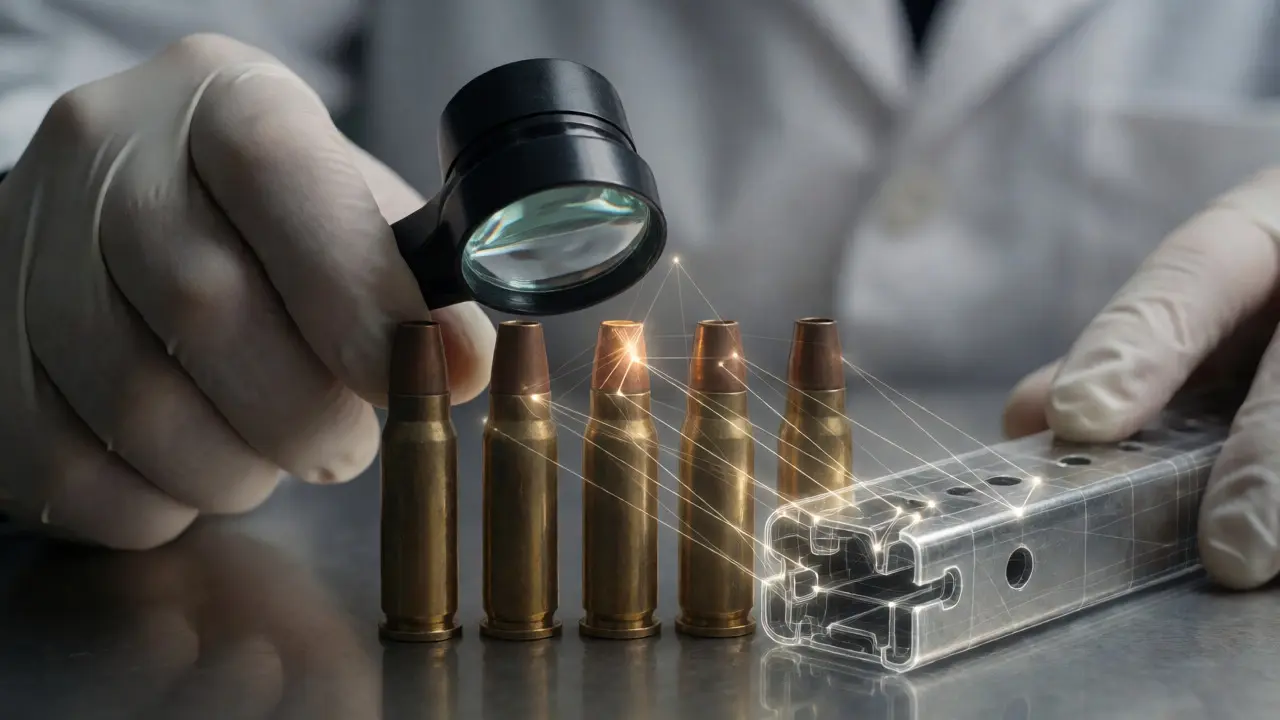
When presenting this evidence, focus on the consistency of the marks. Show the jury the test-fired casings using the suspect’s magazine. Overlay them with the evidence casings. Point out the specific ridge that matches the dent in the magazine wall. Visual aids are critical here. Static photos work, but 3D scans that rotate the casing to show depth are far more persuasive.
Also, address the "chain of custody" for the magazine immediately. If the magazine wasn’t properly sealed, the defense will argue that new marks could have been added during transport. Be prepared to show logs proving the magazine was untouched since seizure.
Future Trends in Feed Mark Analysis
We are moving toward digital integration. Traditional comparison microscopy requires two humans looking through two eyepieces. New systems allow for 3D surface scanning of the entire cartridge case and magazine interior. Software then calculates the probability of a match based on topographic data, not just visual line matching.
This reduces human bias. It also allows for database expansion. Imagine a future NIBIN update that includes magazine profile signatures alongside breech face images. Suddenly, you could search for a magazine match across national databases, even if the gun itself is missing. For investigators, this means a recovered magazine alone could potentially identify a weapon type and usage pattern without ever seeing the firearm.
For now, though, the human eye remains the gold standard. Technology supports it, but it doesn’t replace the trained intuition of a certified firearms examiner who knows how a specific model of Smith & Wesson tends to mar its own magazines.
Can magazine marks survive being cleaned?
Yes, but with degradation. Ultrasonic cleaning can smooth out very fine striations, especially on softer metals like aluminum or polymer. However, deep gouges and significant deformation usually remain visible. Examiners prefer uncleaned evidence, but cleaned magazines can still provide probative value if the wear is substantial.
Do all firearms leave magazine marks?
No. Revolvers typically do not have a detachable magazine in the same sense, so they lack these specific feed marks. Single-shot pistols and bolt-action rifles also differ significantly in their feeding mechanisms. This technique is primarily applicable to semi-automatic pistols and rifles with box magazines.
Is a magazine match as strong as a breech face match?
Generally, no. Breech face marks are considered the primary identifier for linking a specific firearm to a shot because they are formed under extreme pressure and heat, creating deeper, more permanent impressions. Magazine marks are secondary. However, they are crucial for corroborating evidence and linking specific accessories to the event, adding a layer of certainty that breech face marks alone cannot provide.
What if the shooter changed magazines mid-shooting?
This complicates the analysis but doesn't ruin it. Each magazine will impart its unique marks on the rounds it feeds. By analyzing the sequence of casings, examiners can sometimes reconstruct the order of fire and identify which magazine produced which cluster of shots. Consistent grouping of similar marks indicates a single magazine was used for that burst.
How does ammunition brand affect magazine marks?
Hardness and dimensions vary. A slightly oversized round might press harder against the magazine walls, creating deeper marks. Softer brass alloys might pick up finer details. Examiners always try to match the test-fire ammunition to the evidence ammunition. If the suspect uses mixed brands, the examiner must account for these variations when comparing marks.