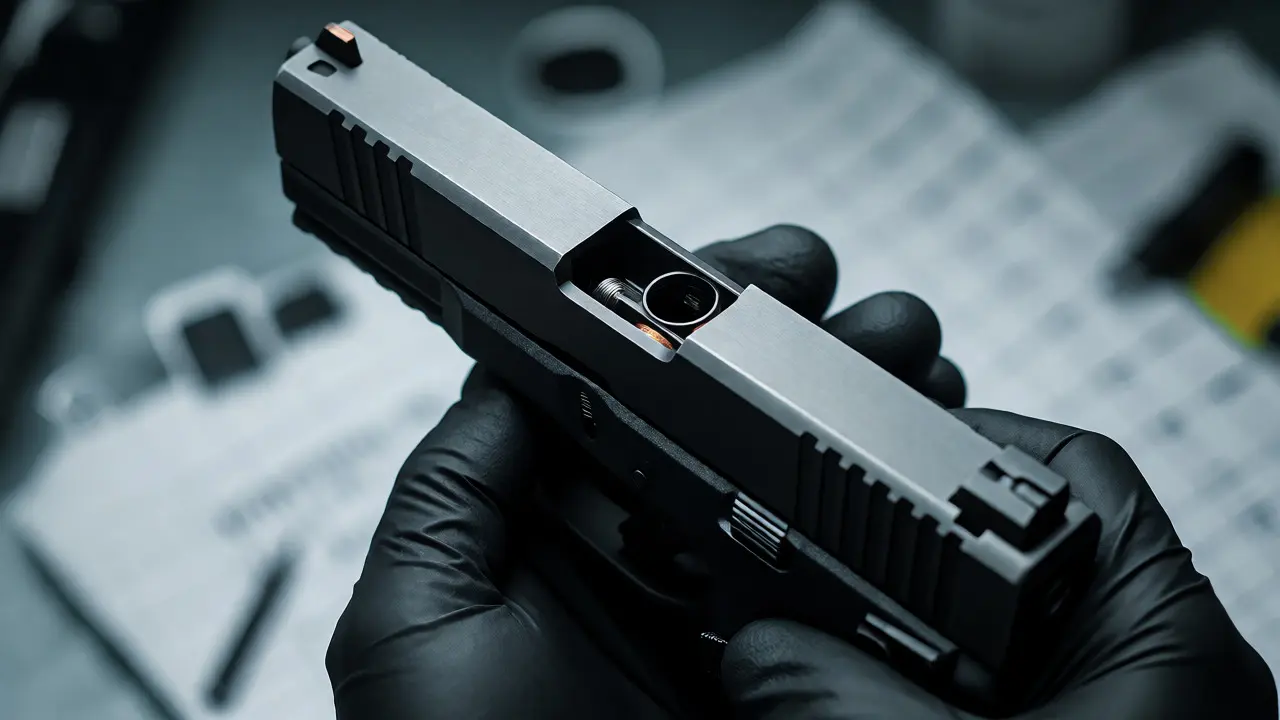
You pick up a semi-automatic pistol found at a crime scene. The slide is locked back, or maybe it’s closed. You rack the slide to eject a round, and bang. No trigger pull. Just the sound of metal hitting primer. That’s slamfire. It’s terrifying, but in a lab setting, it’s also a critical data point. If you don’t understand how to test for it safely, you’re either going to ruin your evidence chain or hurt yourself.
Forensic firearm examiners spend a lot of time looking at tool marks, but before we get to the microscopic striations, we have to know if the gun works. Specifically, does it fire when it shouldn’t? This isn’t just about mechanical curiosity. In court, an attorney will ask if the defendant could claim the gun went off on its own. Your function testing protocol determines whether that defense holds water. Let’s break down exactly how to handle this without blowing your cover-or your eyebrows.
Defining the Threat: Slamfire vs. Accidental Discharge
First, let’s clear up the terminology because people use these terms interchangeably, and they shouldn’t. An Accidental Discharge (AD) is a broad category where a firearm fires without the shooter intending to pull the trigger. This can happen due to a broken sear, a worn hammer notch, or simply snagging the trigger on clothing.
Slamfire is a specific type of AD. It occurs when the firing pin strikes the primer with enough force during the closing of the action to ignite the cartridge, all without the trigger being pulled. Think of it as kinetic energy doing the work of the spring. This is common in older designs like the Colt 1911 or certain military surplus rifles where the firing pin is heavy and the spring is weak. Modern striker-fired pistols are less prone to slamfire but not immune.
Why does this matter for your report? Because a slamfire indicates a mechanical condition, whereas a general AD might indicate user error or a different mechanical failure. Distinguishing between them requires rigorous testing.
The Golden Rule: Safety Before Science
If you take one thing from this article, make it this: never assume a firearm is unloaded. Ever. Even if the police report says it was cleared. Even if you saw someone clear it. You verify it yourself. But verifying clearance is tricky when you suspect slamfire. If you rack the slide aggressively to check the chamber, you might cause the very event you’re trying to document.
Use a bore light and a flexible inspection mirror. Look into the chamber. Do not insert a cleaning rod or finger unless absolutely necessary, and never insert anything into the muzzle while pointing it at something you care about. For function testing, we often use snap caps-dummy rounds made of aluminum or plastic with a rubber face. These absorb the strike of the firing pin so you can test mechanics without live ammunition.
Step-by-Step Slamfire Testing Protocol
Here is the standard operating procedure I use in my lab in Portland. It’s designed to isolate variables. We aren’t guessing; we’re measuring.
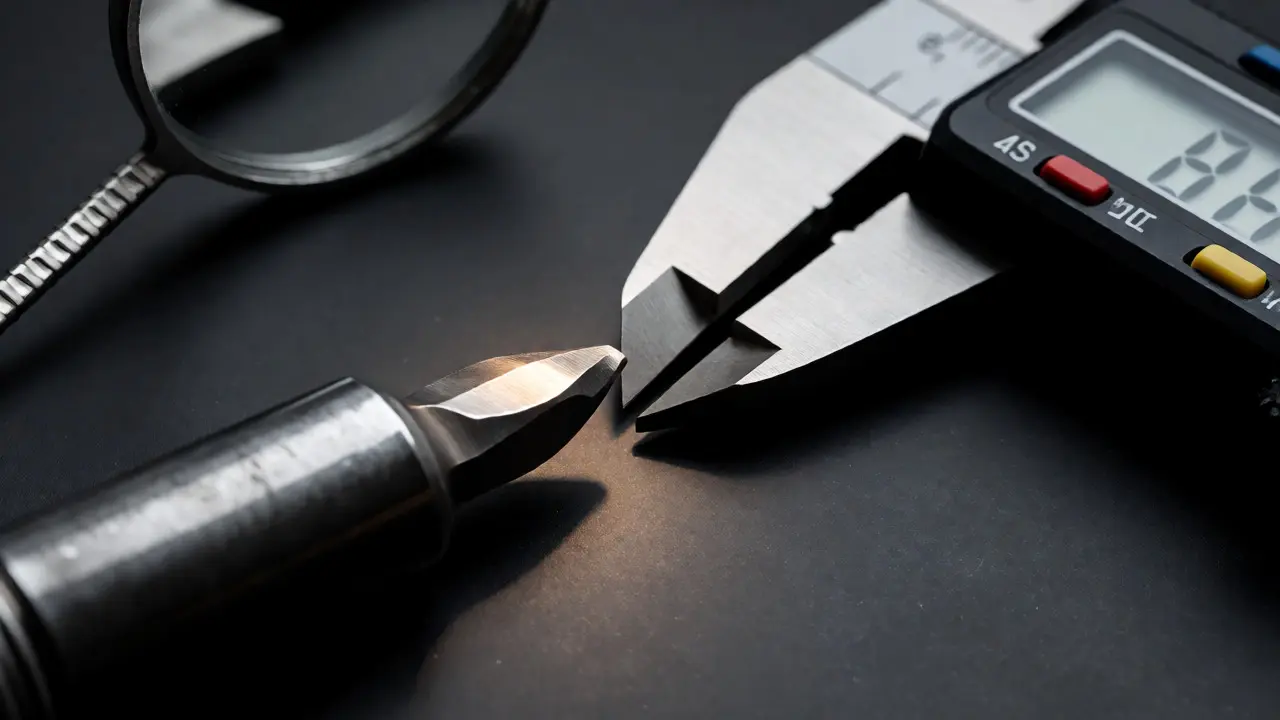
- Visual Inspection: Check the firing pin tip. Is it protruding too far? A protrusion of more than 0.030 inches (depending on the caliber) significantly increases slamfire risk. Measure it with a depth micrometer.
- Snap Cap Test: Insert a snap cap into the chamber. Rack the slide firmly. Does the firing pin dent the cap? If yes, note the depth. Then, hold the slide back and release it slowly. Does it still dent? If it only dents on a hard rack, you’ve identified a potential slamfire scenario under stress.
- Live Fire Verification (Controlled): Only after snap cap testing, and only in a secure range, load a single live round. Point downrange. Rack the slide. Did it fire? Repeat this three times. Consistency is key. One random click doesn’t prove much; three consistent slams do.
- Trigger Reset Check: Sometimes what looks like slamfire is actually a "hair trigger" issue where the trigger shoe is moving slightly during the slide closure. Ensure the trigger has zero movement until intentionally pulled.
Distinguishing Mechanical Failure from User Error
This is where the courtroom drama happens. Defense attorneys love to argue that their client didn’t pull the trigger-that the gun just went off. To counter this, you need to demonstrate that the firearm’s mechanism functions correctly under normal conditions.
We use a technique called "trigger pull weight measurement." Using a calibrated gauge, measure the force required to break the shot. If a Glock requires 5.5 pounds of pressure, and the suspect claims they were startled by a loud noise and jerked the gun, that jerk likely exceeded 5.5 pounds. But if the trigger pull is 1.2 pounds (a modified race gun), then a slight jostle could cause an AD.
| Firearm Type | Slamfire Risk Level | Primary Cause | Testing Focus |
|---|---|---|---|
| Colt 1911 (Single Action) | Moderate-High | Heavy firing pin, weak spring | Firing pin protrusion |
| Glock (Striker Fired) | Low | Internal safety mechanisms | Trigger bar engagement |
| AR-15 (Rifle) | High (if dirty) | Carbon buildup in bolt carrier | Bolt face cleanliness |
| Revolvers | Very Low | Cylinder gap prevents slamfire | Hammer fall block integrity |
The Role of Ammunition in Function Testing
You cannot test a gun in a vacuum. The ammo matters. Hard primers resist slamfire better than soft primers. Federal Gold Medal Match ammo uses sensitive primers for accuracy, which makes them more susceptible to slamfire than standard CCI primers. When you run your tests, use the same brand and lot number of ammunition recovered from the scene, if available.
If the scene ammo is unavailable, use a known standard. Document this substitution clearly. If you test with hard-primer ammo and see no slamfire, but the scene used soft-primer ammo, you must state that limitation in your report. "No slamfire observed under test conditions using [Brand X] ammunition" is honest. "The gun does not slamfire" is a lie if you didn’t test with the right ammo.
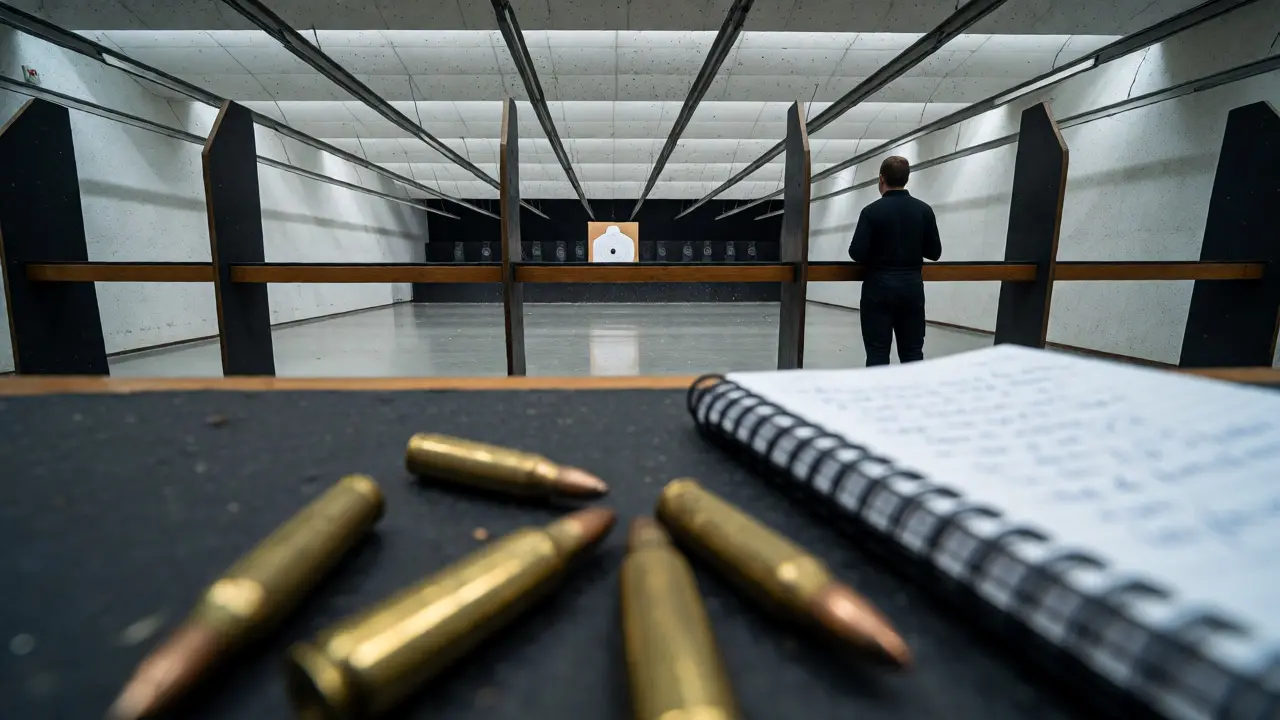
Documenting Your Findings for Court
Your notes are your testimony. Vague notes kill cases. Don’t write "Gun seems okay." Write: "Tested with 5 rounds of Remington UMC 9mm. Slide racked manually three times per round. Zero discharges occurred. Firing pin protrusion measured at 0.028 inches, within manufacturer specifications."
Take photos. Photograph the firing pin tip. Photograph the snap cap indentation. Photograph the trigger guard area for wear patterns that suggest snagging. If you find a defect, photograph it next to a scale ruler. Judges and juries aren’t experts. They need visual proof.
Also, consider the context. Was the gun dropped? A drop-fire incident is different from a slamfire. If the case shows fresh impact marks on the hammer spur, document those. It supports a narrative of mechanical shock rather than trigger manipulation.
Troubleshooting Common Testing Pitfalls
Even experienced examiners make mistakes. Here are the big ones I see:
- Over-lubrication: Too much oil can act as a hydraulic cushion, masking a slamfire issue. Or, in cold weather, thick grease can slow the slide, changing the dynamics. Clean the gun thoroughly before testing.
- Worn Components: A worn sear angle can cause a hair trigger, leading to ADs. Inspect the contact surfaces with a loupe. If the metal looks polished or rounded, that’s a red flag.
- Ignoring the Magazine: Some guns won’t go into battery properly with a damaged magazine follower. This can cause the slide to stop short, preventing a proper lock-up, which might mimic a malfunction. Always test with a known-good magazine first.
Final Thoughts on Professional Responsibility
Function testing isn’t just a box to check. It’s the foundation of your entire ballistic analysis. If you say two casings came from the same gun, but you didn’t verify that the gun was mechanically sound, your comparison is shaky. A gun that slamsfire inconsistently might eject casings differently than one that fires normally. The velocity changes. The ejection pattern changes. Everything changes.
Be thorough. Be safe. And always remember that the goal isn’t just to find out if the gun fired-it’s to explain why it did, or why it didn’t, in a way that stands up to cross-examination.
What is the difference between slamfire and drop-fire?
Slamfire occurs when the firing pin strikes the primer during the closing of the action (slide/bolt) due to kinetic energy. Drop-fire occurs when the firearm is dropped, and the impact causes the hammer or striker to move forward and hit the primer. Both are types of accidental discharge but have different mechanical causes and legal implications regarding user handling.
Can modern striker-fired pistols experience slamfire?
Yes, though it is rare compared to single-action or double-action revolvers/pistols. Modern designs like Glocks have internal safeties that prevent the striker from contacting the primer until the trigger is fully depressed. However, extreme wear, broken safeties, or improper modifications can lead to slamfire conditions even in striker-fired platforms.
How much firing pin protrusion is considered dangerous?
While it varies by manufacturer, generally, firing pin protrusion exceeding 0.030 to 0.040 inches (depending on caliber) significantly increases the risk of slamfire. Most factory specifications aim for around 0.020 to 0.030 inches. Excessive protrusion means the pin hits the primer harder and sooner, increasing the likelihood of ignition without trigger input.
Should I use live ammo or snap caps for initial testing?
Always start with snap caps. They allow you to observe the firing pin strike and check for obvious mechanical failures without the danger of live rounds. Once you have confirmed basic functionality and safety with snap caps, proceed to controlled live-fire testing to verify ignition characteristics and ejection patterns.
Does ammunition type affect slamfire risk?
Absolutely. Soft primers (often found in match-grade ammunition) are more sensitive to impact and thus more prone to slamfire. Hard primers (common in some commercial defensive loads) require more force to ignite. Testing should ideally use the same ammunition type recovered from the crime scene to ensure accurate replication of conditions.