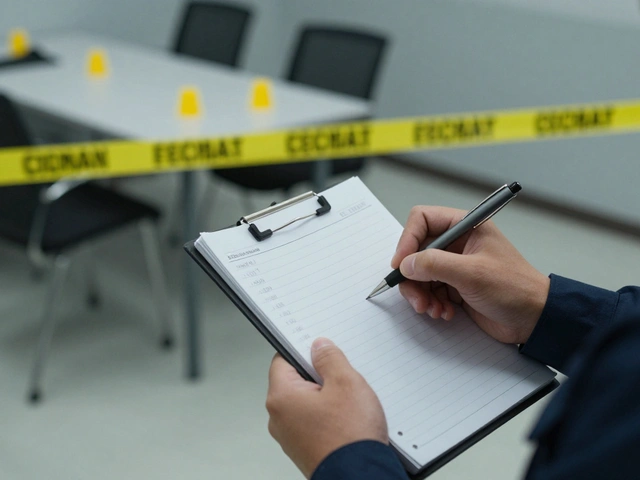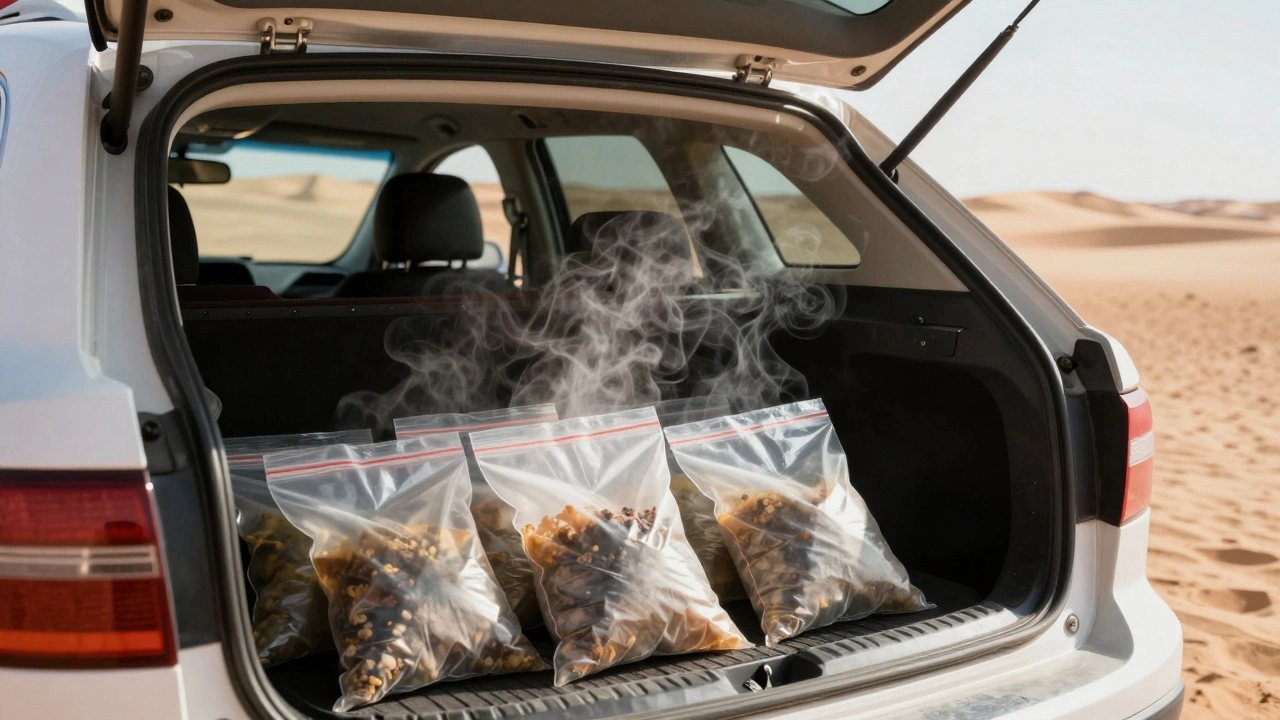
Imagine you’ve just secured a critical piece of biological evidence at a crime scene. It’s sweltering outside, the sun is beating down on your patrol car, and you toss the sealed bag into the trunk to head back to the station. By the time that evidence reaches the lab, has it already been compromised? For many investigators, the answer is yes. The journey from the crime scene to the forensic laboratory is not just a logistical hurdle; it is a fragile window where environmental factors like heat, humidity, and light can silently destroy the very proof needed for a conviction.
This phase, known as scene-to-lab transport, requires strict environmental control to preserve evidential integrity. Whether you are handling wet bloodstains, dry soil samples, or sensitive digital devices, the way you package, store, and move these items determines their admissibility in court. Getting this wrong doesn’t just ruin a sample; it can dismantle an entire case.
The Core Risks: What Destroys Evidence in Transit?
Before we talk about solutions, we need to understand what we are fighting against. During transport, evidence faces five primary threats: temperature fluctuations, moisture, light exposure, mechanical shock, and cross-contamination. Each of these factors attacks different types of evidence in specific ways.
- Temperature: Heat is the enemy of biological evidence. High temperatures accelerate bacterial growth and cause DNA to degrade rapidly. Even the interior of a parked police car can reach temperatures that compromise samples within hours.
- Moisture: While some evidence needs to stay dry, others (like fresh blood) contain water. If wet biological material is sealed in plastic without drying, condensation forms. This creates a breeding ground for bacteria and mold, which eat away at the DNA profile.
- Light: Direct sunlight contains UV radiation that breaks down chemical bonds in biological stains and can alter the color of trace evidence like fibers or paint chips.
- Mechanical Shock: Rough handling, jostling, or stacking heavy items on top of delicate ones can dislodge trace evidence (like hair or glass fragments) or crush packaging seals.
- Cross-Contamination: Placing multiple items in the same container or vehicle compartment allows transfer of particles, fluids, or DNA between unrelated pieces of evidence.
Understanding these risks helps you choose the right protective measures before the evidence even leaves the scene.
Packaging Decisions: Paper vs. Plastic
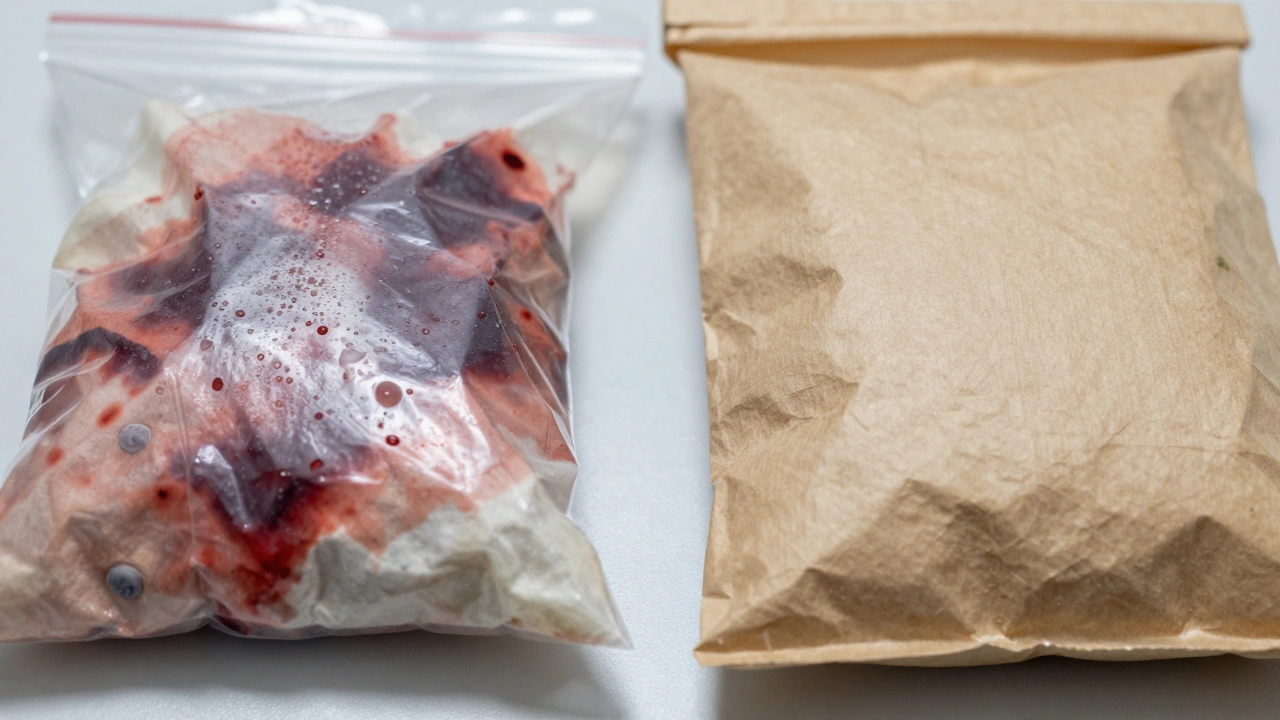
One of the most common mistakes made by first responders is using plastic bags for all types of evidence. It feels intuitive-plastic is waterproof, right? But in forensics, breathability is often more important than water resistance. The National Institute of Justice (NIJ) and other standards bodies provide clear guidelines on when to use which material.
| Evidence Type | Condition | Recommended Packaging | Why? |
|---|---|---|---|
| Biological Stains (Blood, Semen) | Dry | Paper Bags or breathable envelopes | Allows air circulation to prevent mold and bacterial growth. |
| Biological Fluids | Wet/Moist | Leak-proof Containers (hard-sided, sterile) | Prevents leakage and contamination of other items. Must be refrigerated. |
| Trace Evidence (Soil, Hair, Fibers) | Dry | Airtight tubes or small sealed containers | Prevents loss of particulates during transport and protects from ambient air. |
| Clothing with Biological Stains | Any | Paper Bags (individual per item) | Non-reactive material prevents chemical changes; breathability preserves stains. |
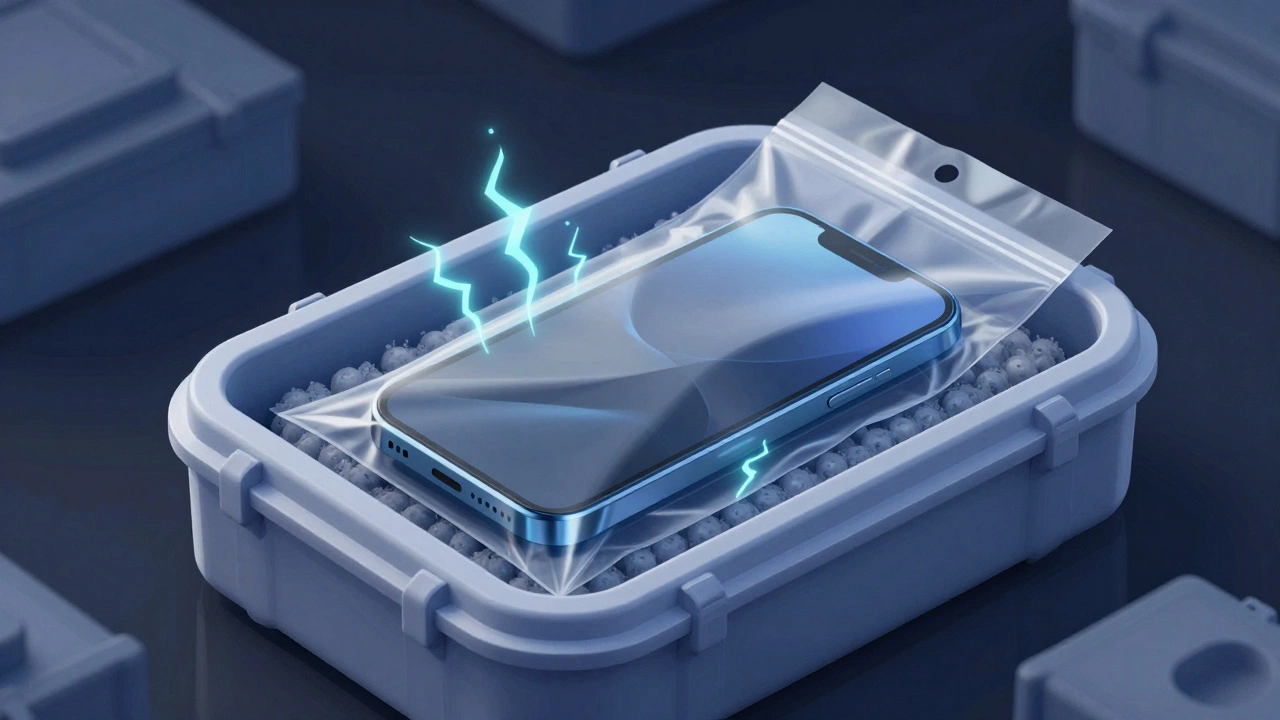
| Digital Devices | Powered Off | Anti-static Bags | Protects against static electricity discharge that can corrupt data. |
Note that plastic bags should only be used for biological evidence if there is a significant risk of leaking fluids that could contaminate other items or people. Even then, they are a temporary measure until the item can be properly dried or refrigerated. Never store wet biological evidence in plastic for long periods.
Temperature Control and Storage Conditions
If packaging is the first line of defense, temperature control is the second. Once evidence is packaged, where you put it matters immensely. The NIJ explicitly warns against storing evidence in the trunk of a police car. Why? Because trunks act like ovens on sunny days and freezers in winter. Both extremes damage evidence.
For biological evidence, the goal is a cool, dry environment. If the transport time is short (under a few hours) and the weather is mild, keeping items in the climate-controlled cabin of the vehicle is usually sufficient. However, for longer transports or hot climates, you need active cooling. Use dedicated evidence coolers with ice packs, but ensure the ice does not directly touch the evidence packages (to avoid condensation or freezing damage). Once the evidence reaches the laboratory, it must be transferred immediately to refrigeration (for short-term) or freezing (for long-term) storage, depending on the sample type.
For trace evidence like soil, moisture is the bigger concern than cold. Wet soil can develop mold during transport, decomposing organic matter and altering its composition. Always allow soil samples to dry completely before packaging them in leak-proof containers. Collecting control samples from various distances around the scene (e.g., 10 ft, 50 ft, 100 ft) also helps the lab account for natural environmental variations later.
Protecting Trace and Physical Macro-Evidence
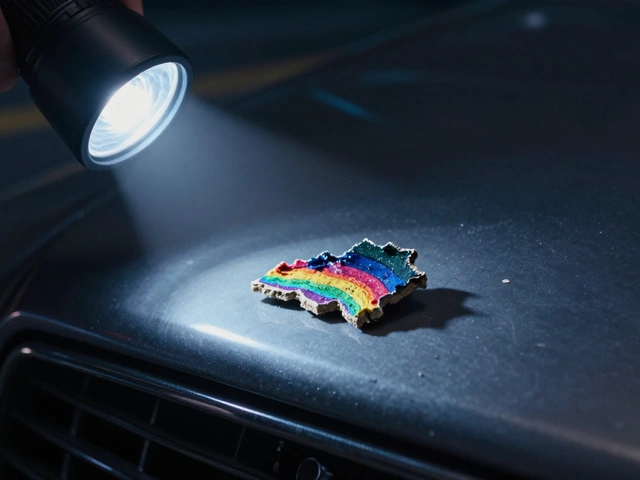
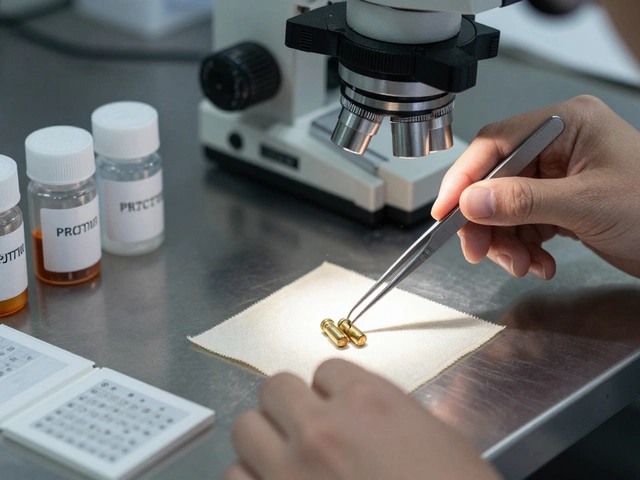
Trace evidence-hair, fibers, glass, paint-is incredibly fragile. A single bump in the road can dislodge a fiber from a carpet sample or mix soil particles together. When transporting these items, stability is key. Use rigid containers rather than flexible bags whenever possible. If you must use bags, seal them tightly and place them inside a larger, sturdy box to prevent crushing.
Physical macro-evidence, such as weapons or clothing, presents different challenges. Weapons can corrode if exposed to humidity, while clothing can retain odors or transfer traces if packed too closely with other items. Always package each item individually. Label every package clearly with the case number, item description, date, time, and collector’s name. Use tamper-evident tape to seal bags and boxes. This not only secures the physical contents but also supports the chain of custody documentation, proving that the package was not opened or altered during transit.
Digital Evidence: Static and Shock
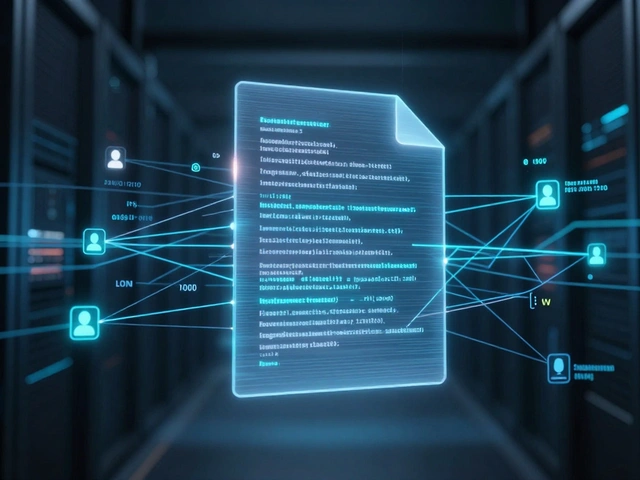
Digital evidence requires a different set of environmental controls. Unlike biological samples, phones, computers, and hard drives are sensitive to static electricity, magnetic fields, and physical shock. Before transport, power off the device completely (unless instructed otherwise by a digital forensics expert). Place the device in an anti-static bag to prevent electrostatic discharge from corrupting the memory chips. Then, place that bag in a padded, rigid container to absorb any shocks from vehicle movement. Document the device’s state (on/off, battery level, screen condition) before sealing it. This metadata is crucial for proving the integrity of the digital data in court.
Chain of Custody: The Paper Trail
All the perfect packaging in the world means nothing if you cannot prove who handled the evidence and when. The chain of custody is the legal backbone of evidence transport. It starts the moment you pick up the item at the scene and ends when it is presented in court. Every transfer-whether from the scene investigator to the transport officer, or from the transport officer to the lab technician-must be logged. Include the exact time, date, location, and names of all individuals involved. Any gap in this record can be exploited by defense attorneys to question the reliability of the evidence.
In practice, this means maintaining a detailed logbook or digital record that tracks the evidence’s journey. When loading evidence into a vehicle, note the location within the vehicle (e.g., "secured in rear seat, left side"). If evidence is placed in temporary storage at a station, document the conditions of that storage (temperature, security level). This meticulous tracking ensures that if a challenge arises regarding environmental exposure, you have the data to refute it.
Best Practices Summary
To wrap up, effective scene-to-lab transport relies on three pillars: appropriate packaging, controlled environment, and rigorous documentation. Avoid the trunk of your car. Dry biological stains before sealing them in paper. Keep liquids in leak-proof, refrigerated containers. Protect trace evidence from vibration and light. And never, ever skip the chain of custody logs. These steps may seem tedious, but they are the difference between a solid conviction and a dismissed case.
Can I put wet bloodstained clothes in a plastic bag?
No. Wet biological materials should never be stored in plastic bags for extended periods. The lack of airflow causes condensation, which promotes bacterial growth and DNA degradation. Instead, allow the item to air-dry completely first, then package it in a breathable paper bag. If immediate drying isn't possible, use a leak-proof container and refrigerate it as soon as possible.
Is it safe to store evidence in the trunk of a police car?
It is generally unsafe. Trunks can become extremely hot in direct sunlight, accelerating DNA degradation, or very cold in winter, potentially damaging certain samples. The National Institute of Justice advises against this practice. Store evidence in the climate-controlled cabin of the vehicle or in a dedicated, temperature-controlled evidence locker until it can be transported to the lab.
How do I prevent cross-contamination during transport?
Package each item individually in separate, sealed containers. Do not place multiple pieces of evidence in the same bag unless they are part of the same collected unit (e.g., multiple fibers from one brush sweep). Use tamper-evident seals and keep biological evidence separated from trace and physical evidence to avoid fluid leakage or particle transfer.
What is the best way to transport soil samples?
Soil samples should be dry before packaging to prevent mold growth. Collect 1 to 8 ounces of soil from relevant areas and place them in leak-proof, airtight containers. Label each container with the specific location and distance from the main scene (e.g., 10 ft, 50 ft) to help the lab analyze environmental context. Keep containers upright and secure to prevent spilling.
Do I need special packaging for digital devices?
Yes. Digital devices are sensitive to static electricity and physical shock. Power them off completely, place them in anti-static bags, and then secure those bags in padded, rigid containers. Document the device's state before sealing to maintain the integrity of the digital evidence chain of custody.