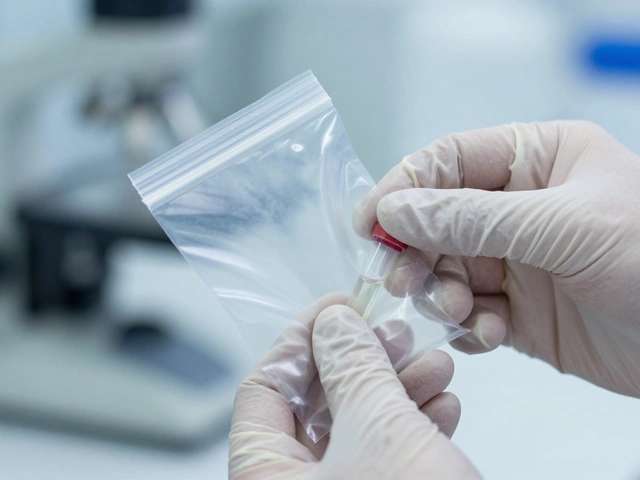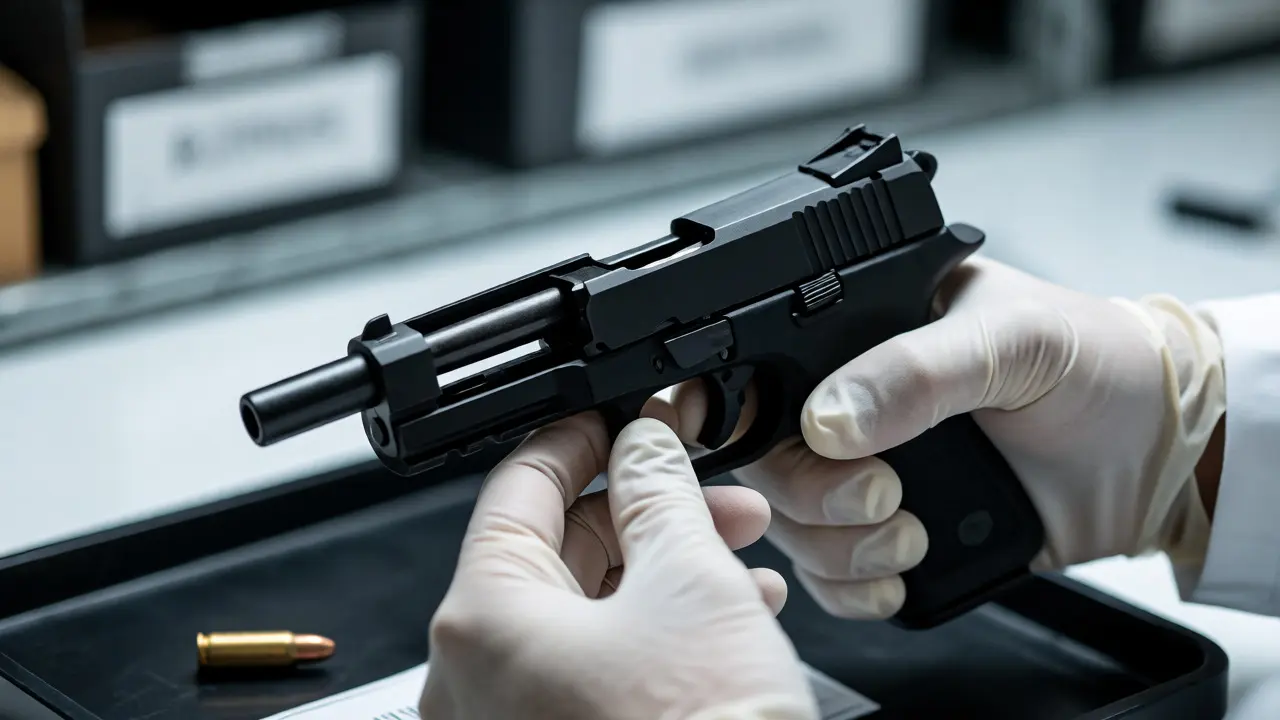
Imagine you are holding a firearm recovered from a crime scene. It looks like a gun. It weighs like a gun. But does it actually work? This isn't just a philosophical question; it is the first hurdle in firearm function testing. If the mechanism fails to cycle, fire, or eject properly, the entire chain of evidence regarding how a shot was fired changes drastically. You cannot match bullets to a gun that never pulled the trigger.
Many people confuse "operability" with "safety." They are different beasts. A gun can be safe (unloaded) but inoperable (broken firing pin). Conversely, a gun can be dangerous (loaded) and operable. In forensic labs and by law enforcement officers, determining operability is a strict, step-by-step process designed to answer one binary question: Can this weapon discharge a round under normal conditions?
The Core Definition of Operability
Operability is defined as the ability of a firearm to perform its intended function-specifically, to load, fire, and eject a cartridge-without manual intervention beyond the standard operation of controls. According to the Association of Firearm and Tool Mark Examiners (AFTE), a firearm is considered operable if it meets specific mechanical criteria. If any single critical component is missing, broken, or obstructed such that the action cannot complete its cycle, the firearm is deemed inoperable.
This definition sounds simple, but the reality involves dozens of moving parts. Think of it like checking if a car runs. You don't just look at the steering wheel; you check the engine, transmission, fuel system, and electrical connections. For guns, we check the lockwork, the feeding system, and the barrel integrity.
Step One: The Safety Protocol
Before touching anything, safety comes first. Not just for your fingers, but for the integrity of the test. You must confirm the firearm is unloaded. This seems obvious, yet in high-stress environments, assumptions kill. Always verify the chamber and magazine well are empty. If you find ammunition, document it separately. Never assume a gun is empty because the slide is back or the hammer is down.
Once cleared, you begin the visual inspection. This is where experience matters. You aren't just looking for damage; you're looking for context. Is there rust? Is the bore plugged? Did someone try to clean it with a wire brush too aggressively? These clues tell you what to expect during the mechanical test.
Visual Inspection: What Are You Looking For?
A thorough visual inspection catches issues before they become hazards. You need to examine three main areas:
- The Barrel: Look down the bore. Is it clear? Obstructions like mud, wadding from shotgun shells, or debris can prevent a bullet from exiting safely, causing a catastrophic failure. If the bore is plugged, the gun might technically be "operable" mechanically, but firing it could destroy the weapon and injure the shooter.
- The Action Mechanism: Inspect the bolt, slide, or cylinder. Are the rails worn? Is the extractor claw bent? On revolvers, check the timing-does the cylinder align perfectly with the barrel when locked?
- The Trigger Group: Check for broken sears or worn disconnector surfaces. A trigger that feels "mushy" often indicates wear that will fail under stress testing.
If you see visible cracks in the frame or receiver, stop. Do not attempt to fire-test the weapon. Structural integrity is non-negotiable.
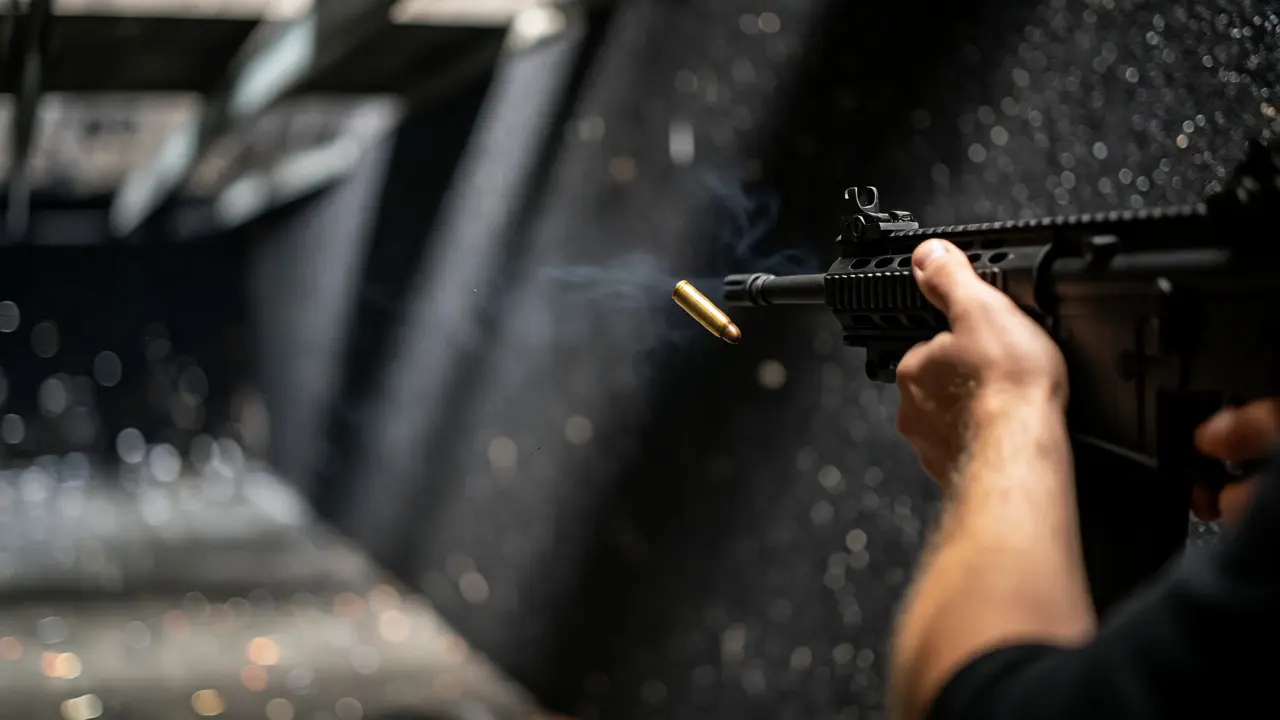
Mechanical Function Testing Without Firing
Before introducing live rounds, you dry-fire or use snap caps to test the mechanical cycle. Snap caps are dummy rounds with primers made of rubber or plastic. They protect the firing pin while allowing you to simulate the firing sequence. This step answers whether the gun cycles correctly without the risk of accidental discharge.
- Feed Test: Insert a snap cap into the magazine (or cylinder) and rack the slide (or cock the hammer). Does the round feed smoothly into the chamber? If it jams, the feeding lips might be damaged.
- Cock and Release: Ensure the hammer or striker cocks fully and releases cleanly when the trigger is pulled. Listen for the distinct click of the sear releasing. If it doesn't click, the internal linkage is broken.
- Ejection Simulation: While dry-firing isn't perfect for testing ejection force, observe if the extractor pulls the snap cap from the chamber. If the extractor slips off, it won't grip a real brass casing.
This phase filters out about 30% of inoperable firearms found in field scenarios. Many guns have simple spring failures or dirt buildup that prevents cycling. Cleaning and lubricating might resolve these, but only after documenting the initial state.
Live Fire Testing: The Final Verdict
If the mechanical tests pass, you move to live fire. This is the definitive test of operability. However, you don't just shoot wildly. You follow a controlled protocol.
First, select appropriate ammunition. Using over-pressure loads on an old revolver can cause failure even if the gun is otherwise sound. Stick to standard factory loads unless investigating specific malfunction types. Load one round. Aim at a safe backstop. Pull the trigger.
Did it fire? That's the primary question. But also observe:
- Did the case eject completely?
- Did the next round feed automatically (for semi-autos)?
- Was the recoil consistent with expectations?
If the gun fires and cycles through five consecutive rounds without malfunction, it is generally considered operable. Note that "no malfunctions" means no stovepipes, no double feeds, and no failure to eject. A single light strike might indicate a weak firing pin spring, which could render the gun unreliable, even if it technically fired once.
| Component | Symptom | Cause | Verdict |
|---|---|---|---|
| Firing Pin | No primer dent | Broken or worn tip | Inoperable |
| Extractor | Case remains in chamber | Bent claw or weak spring | Unreliable/Inoperable |
| Barrel | Bulge or obstruction | Debris or previous burst | Unsafe/Inoperable |
| Trigger | Hang-up or no reset | Dirt or worn sear | Inoperable |
Special Cases: Revolvers vs. Semi-Automatics
The testing protocol shifts slightly depending on the action type. Revolvers rely on precise timing between the cylinder and the forcing cone. If the cylinder rotates out of alignment, the bullet hits the side of the barrel instead of passing through. This is called "timing error." To test this, open the loading gate and rotate the cylinder by hand. Watch the alignment marks. If the locking bolt doesn't drop firmly into place, the gun is unsafe to fire.
Semi-automatic pistols depend on the energy of the fired round to cycle the slide. If the recoil spring is too stiff or the slide rails are gunked up, the slide won't return fully forward. This causes feeding issues. Unlike revolvers, semi-autos require the correct power factor from the ammunition. A weak load might not cycle the action, leading to a false negative for operability if you don't adjust your ammo choice.
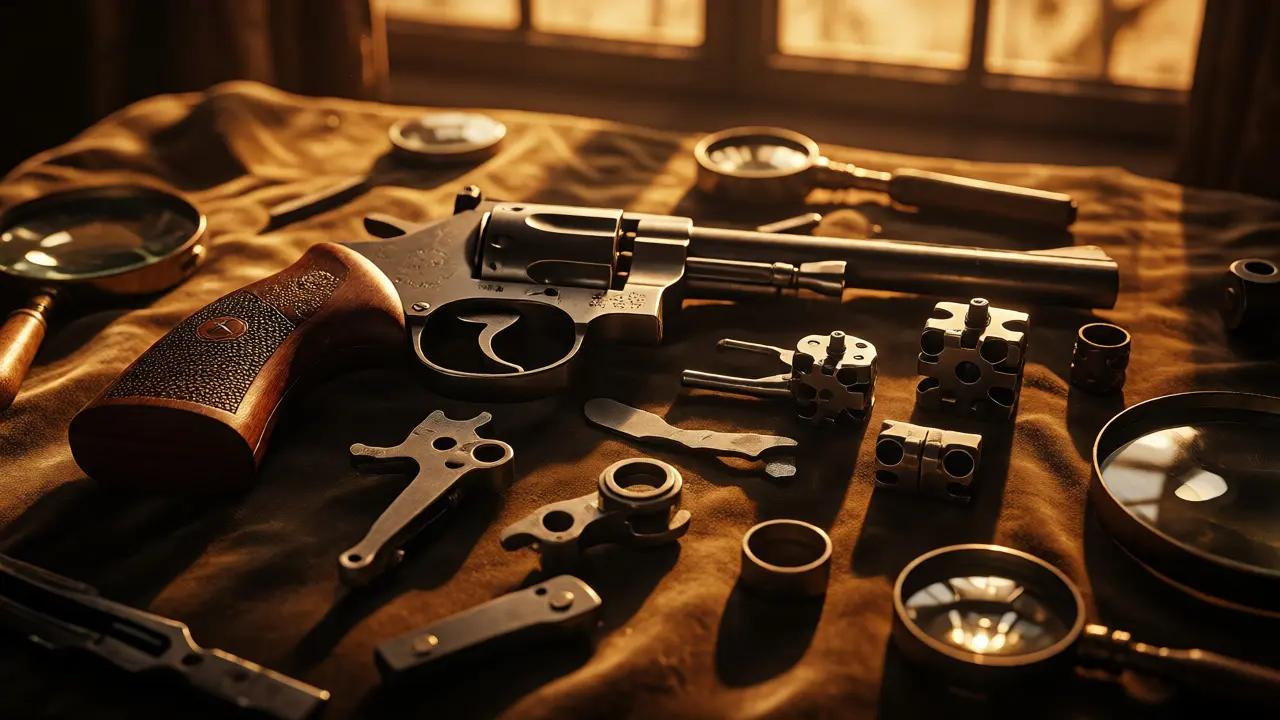
Documenting Your Findings
In a forensic context, how you record the results matters as much as the results themselves. Use standardized terminology. Don't write "it works okay." Write "The firearm successfully cycled five rounds of 9mm NATO ammunition with no observed malfunctions." Include details about the ammunition used, the condition of the bore, and any repairs attempted prior to testing.
If the gun is inoperable, specify why. Was it a broken part? A foreign object? Lack of maintenance? This documentation supports later ballistics comparisons. If a suspect claims their gun was broken, your report either supports or refutes that claim based on objective mechanical facts.
Pitfalls to Avoid During Testing
Even experienced examiners make mistakes. Here are common traps:
- Assuming cleanliness equals functionality: A shiny gun can have a hairline crack in the firing pin. Visual polish hides metal fatigue.
- Using incorrect ammunition: Testing a .45 ACP pistol with .45 GAP rounds (which are shorter) can cause feeding failures unrelated to the gun's health.
- Ignoring the safety mechanism: Some modern pistols have heavy trigger pulls due to safety levers. Don't mistake a heavy pull for a malfunction.
- Rushing the process: Skipping the dry-fire test risks damaging the firing pin if the gun has a brittle alloy issue.
Why This Matters Beyond the Lab
For collectors and home owners, understanding operability is crucial for insurance and storage. An inoperable antique gun might be worth less than a functional one, but it might also be safer to store if the action is frozen. For law enforcement, knowing if a seized weapon is operable dictates immediate tactical decisions. An inoperable gun might still be used as a bludgeon, so treating it as harmless is a mistake.
Ultimately, firearm function testing bridges the gap between appearance and reality. It turns a static object into a verified tool with known capabilities. Whether you are matching shell casings at a crime scene or ensuring your personal defense weapon is ready, the principles remain the same: inspect, simulate, verify, and document.
Can a dirty gun be considered operable?
Yes, if it functions correctly despite the dirt. However, excessive fouling can lead to malfunctions. In forensic testing, we often clean the gun to ensure the test reflects mechanical condition rather than temporary contamination. If cleaning restores function, the gun was likely operable but poorly maintained.
What is the difference between operable and serviceable?
Operable means the gun can fire and cycle. Serviceable implies it is safe and reliable enough for regular use. A gun might be operable (fires one round) but not serviceable (jams every third round or has a cracked frame).
Do I need special tools for basic function testing?
Basic testing requires minimal tools: snap caps, appropriate ammunition, eye protection, and hearing protection. Advanced diagnostics might need gauges for headspace or magnification for microscopic wear analysis, but these are usually reserved for laboratory settings.
Is it safe to dry-fire all firearms?
Most modern centerfire firearms can handle occasional dry-firing. However, rimfire firearms (like .22 LR) should not be dry-fired as the firing pin can hit the chamber edge and break. Older military surplus guns may also have brittle components. When in doubt, use snap caps.
How many rounds are needed to prove operability?
There is no universal number, but five consecutive successful cycles is a common standard in forensic protocols to establish reliability. If a gun fires one round but jams on the second, it is often classified as unreliable or requiring repair, rather than fully operable.