Walking into a morgue and seeing a body with no external marks can be confusing for anyone not trained in forensic pathology is the medical specialty that investigates the cause and manner of death, particularly in cases involving trauma, disease, or suspicious circumstances. It bridges medicine and law, providing critical evidence for legal proceedings. The victim looks peaceful, maybe even asleep. But when you look closer at the neck or face, subtle signs point to a struggle against air. This is where the distinction between smothering is a form of mechanical asphyxia caused by blocking the mouth and nose to prevent breathing. and choking is a form of mechanical asphyxia caused by an obstruction within the airway, such as food or a foreign object. becomes critical. Misidentifying these causes can lead to wrongful convictions or missed homicides. Understanding the specific pathological markers allows pathologists to tell the story of how someone actually died, separating accidental suffocation from intentional murder or natural blockage.
The Mechanics of Airway Obstruction
To differentiate these deaths, you first need to understand what physically happens to the body. Both conditions result in asphyxia is a condition resulting from inadequate oxygen supply to the tissues, leading to cellular hypoxia and eventual death., but the location of the blockage changes everything about the post-mortem findings. In choking, the problem is internal. A piece of meat, a peanut, or a toy part gets stuck in the larynx or trachea. The person tries to cough it out, triggering the gag reflex. If they fail, the airway closes completely. In smothering, the problem is external. Pressure is applied to the mouth and nose, or a bag is placed over the head. The lungs are full of air, but the person cannot exchange gases because the entry and exit points are blocked.
This mechanical difference drives the physiological response. When you choke, the diaphragm spasms violently as the body fights to expel the object. This often leads to a sudden loss of consciousness due to rapid drop in blood pressure. When you smother, the panic is more prolonged. The victim struggles, thrashes, and may claw at their own face. This struggle phase leaves distinct marks on the skin and underlying tissues that choking rarely does, unless the victim was also held down.
External Signs: What You See First
The initial visual inspection of the body provides the first clues. For choking, the most obvious sign is the presence of the obstructing material. You might see food particles around the lips or in the throat. However, if the object was swallowed or moved during resuscitation efforts, this clue disappears. External signs of choking are often minimal because the event is so fast. You might notice cyanosis (bluish discoloration) of the lips and fingernails, which indicates severe lack of oxygen. Petechial hemorrhages (tiny red spots) on the face and eyes are common in both, but they are non-specific. They occur whenever venous blood pressure rises while arterial flow stops, which happens in any asphyxial death.
Smothering tells a different story externally. Look for defensive wounds. Did the victim scratch their own face? Are there bruises on the hands or arms from trying to tear off a pillow or bag? If the suspect used a pillow, you might find imprint marks on the face or forehead. These are called livor mortis imprints or pressure marks. If the suspect used a plastic bag, you might see compression lines around the neck or face. Unlike choking, smothering usually involves a period of conscious struggle. This means you will often find bruising on the shoulders, chest, or back where the victim was pinned down. The absence of these defensive marks should make you question whether it was truly smothering, or if the victim was already unconscious before the airway was blocked.
Internal Findings: The Lungs and Throat
Once you move to the autopsy table, the internal examination reveals the definitive differences. In choking cases, the key finding is the obstruction itself. You need to identify the exact location of the object. Is it in the esophagus? The larynx? The trachea? The position matters. If it’s high in the larynx, it likely caused immediate closure. If it’s lower in the trachea, partial airflow might have occurred for a short time. You must also examine the surrounding tissue for trauma. Did the impact of the object cause bleeding in the throat? Usually, choking does not cause significant soft tissue injury to the neck structures because the force is directed inward, not outward.
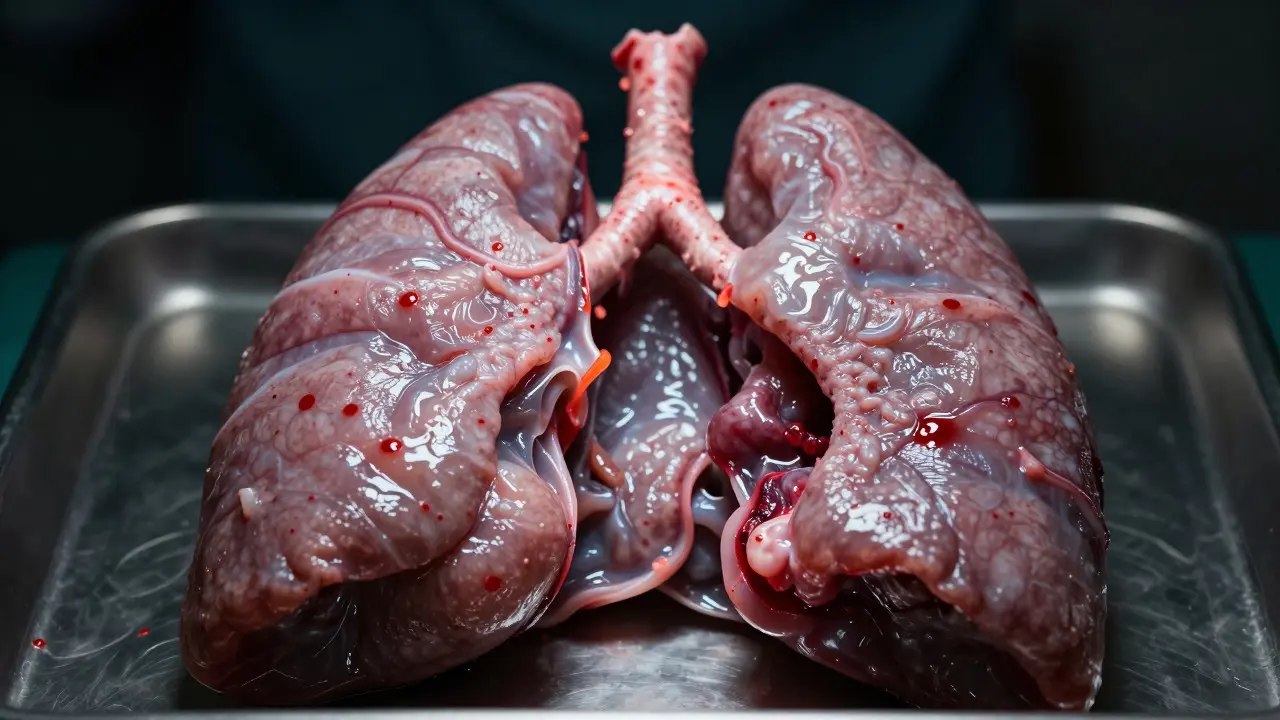
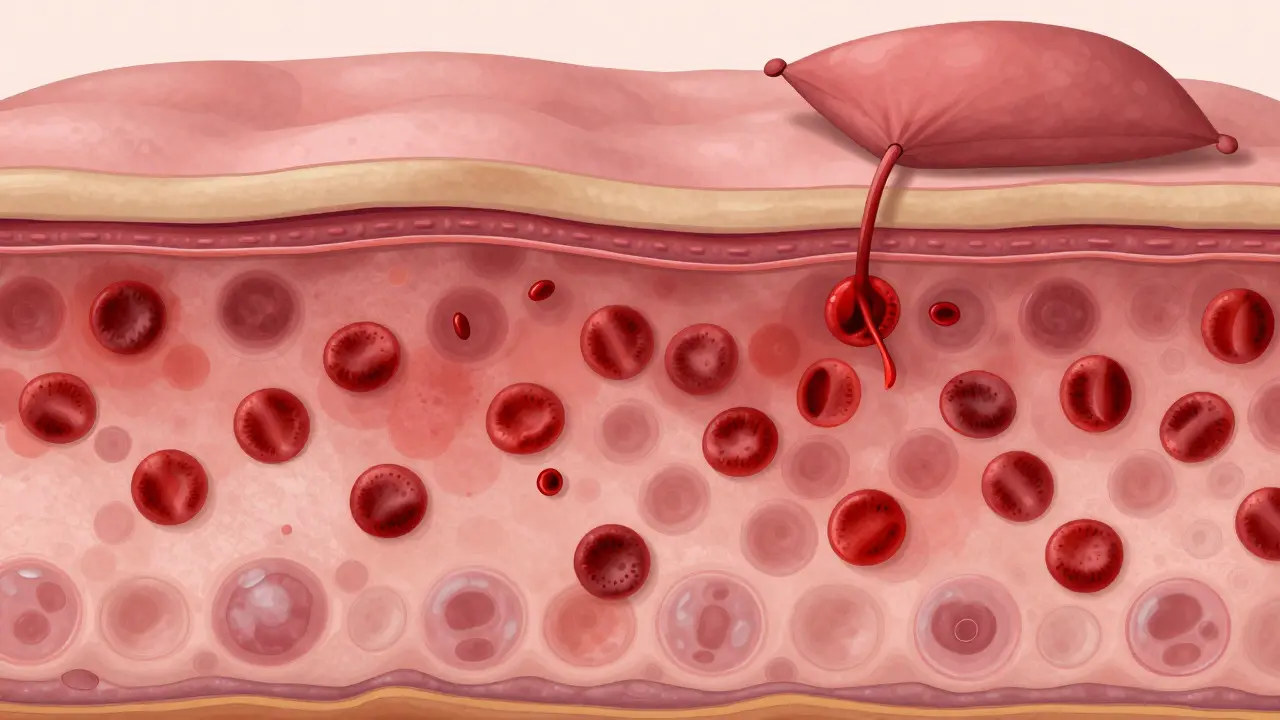
In smothering, the lungs are the primary focus. Because the victim struggled to breathe against a closed airway, the alveoli (air sacs) in the lungs undergo stress. This can lead to diffuse pulmonary edema, where fluid leaks into the lung tissue. The lungs may appear heavy, wet, and spongy. In some cases, you will see micro-hemorrhages in the lung parenchyma. These are tiny bleeds that happen when capillaries rupture under the pressure of forced breathing. While not unique to smothering, the pattern and extent of these hemorrhages, combined with external signs of struggle, strongly support this diagnosis. You also need to check for chemical asphyxia markers if toxins were involved, but in pure mechanical smothering, the focus remains on physical trauma and congestion.
Microscopic Analysis and Histology
Sometimes, the naked eye isn’t enough. Microscopic examination of tissue samples can reveal subtle details that confirm the mechanism. For choking, histology of the airway mucosa can show signs of acute irritation or minor abrasions from the foreign object. If the object was sharp or hard, you might see epithelial disruption. However, the absence of significant inflammation is typical because the death was too rapid for an immune response to develop. In smothering, histology of the skin can reveal subepidermal hemorrhages corresponding to the pressure marks seen externally. These microscopic bleeds prove that pressure was applied to the skin surface. Additionally, examining the brain tissue can show signs of hypoxic-ischemic encephalopathy. The severity and distribution of neuronal damage can correlate with the duration of asphyxia. Smothering often results in more widespread cortical damage due to the longer duration of oxygen deprivation compared to the sudden cessation in many choking events.
Distinguishing Accidental from Homicidal Deaths
The ultimate goal of differentiation is determining the manner of death: accident, suicide, or homicide. Choking is overwhelmingly accidental. Most cases involve elderly people eating dry foods or children playing with small objects. Homicidal choking is rare but possible, often involving the insertion of a foreign object into the throat by a third party. To prove homicide in a choking case, you need evidence of restraint or trauma elsewhere on the body. Without it, the burden of proof is high. Smothering, on the other hand, is frequently associated with homicide, especially in cases involving infants or vulnerable adults. Accidental smothering occurs in bed-sharing incidents with infants or when adults sleep under heavy blankets. To distinguish accidental infant smothering from homicide, you look for signs of inflicted trauma. Bruises on the buttocks, scalp, or ears suggest handling or shaking. In adult cases, the context is crucial. Was the victim isolated? Were there financial motives? The pathology alone rarely proves motive; it only proves mechanism. Therefore, correlating the physical findings with the scene investigation is essential. A clean room with no signs of struggle makes accidental smothering less likely if the victim was healthy and mobile.
Common Pitfalls in Diagnosis
Even experienced pathologists make mistakes. One common error is assuming all petechiae mean violent death. Petechiae are found in up to 50% of all autopsies, including those from natural causes like heart failure. Relying solely on petechiae to diagnose smothering is dangerous. Another pitfall is missing the foreign object in choking cases. If the object dissolves or is removed during CPR, you might miss the cause entirely. Always perform a thorough dissection of the entire gastrointestinal tract and airway. In smothering, overlooking defensive wounds is another frequent error. If you don’t examine the hands and forearms carefully, you might miss scratches that indicate the victim fought back. Finally, failing to consider co-morbidities can skew the diagnosis. A person with severe asthma who dies after choking on a pill might look like a cardiac arrest case. Reviewing the medical history is just as important as the physical exam. By avoiding these pitfalls, you ensure that the cause of death is accurate and defensible in court.
| Feature | Choking | Smothering |
|---|---|---|
| Primary Mechanism | Internal airway obstruction | External airway compression |
| External Marks | Minimal; possible cyanosis | Defensive wounds, pressure marks, bruising |
| Lung Appearance | Usually normal or mild congestion | Pulmonary edema, micro-hemorrhages |
| Throat Findings | Foreign object, potential abrasion | Usually normal unless secondary trauma |
| Duration of Struggle | Short, sudden | Prolonged, active |
| Common Context | Accident (food, toys) | Homicide, accidental bed-sharing |
Frequently Asked Questions
Can you tell the difference between smothering and choking without an autopsy?
Rarely. External signs can provide strong hints, such as defensive wounds suggesting smothering or visible food particles suggesting choking. However, definitive differentiation requires an internal examination to locate the obstruction or assess lung pathology. Visual inspection alone is insufficient for a legal determination of cause of death.
What is the most reliable indicator of smothering?
The combination of external pressure marks (such as pillow imprints) and internal signs of prolonged struggle, like diffuse pulmonary edema and defensive wounds, is the most reliable indicator. No single sign is pathognomonic, so a constellation of findings is required for a confident diagnosis.
Does choking always leave a foreign object in the airway?
No. The object may be expelled, swallowed, or dissolved. Soft foods like bread or meat can break down and become difficult to identify. In such cases, the diagnosis relies on the absence of other causes of death and the presence of consistent historical context, making it a diagnosis of exclusion in some instances.
How long does it take to die from smothering versus choking?
Choking typically causes death within minutes due to rapid airway closure. Smothering can take several minutes to tens of minutes, depending on the degree of occlusion and the victim's strength. The longer duration in smothering often results in more extensive tissue changes, such as deeper hypoxic brain damage.
Are petechial hemorrhages specific to violent asphyxia?
No. Petechiae are non-specific and can occur in natural deaths, seizures, or CPR efforts. While common in smothering and choking, their presence alone does not prove violence. They must be interpreted alongside other findings like trauma, organ congestion, and scene evidence to determine significance.