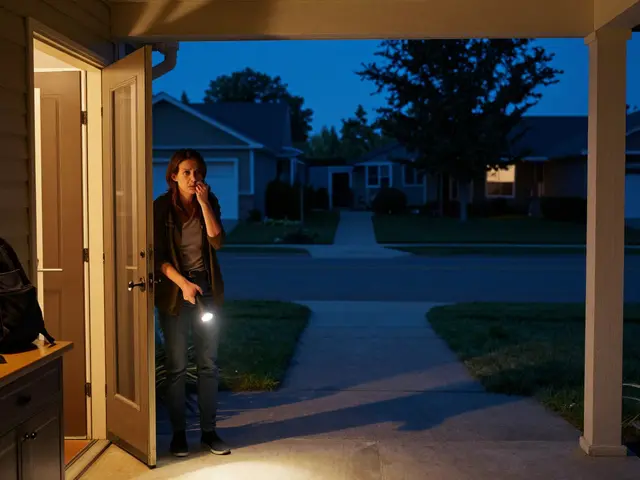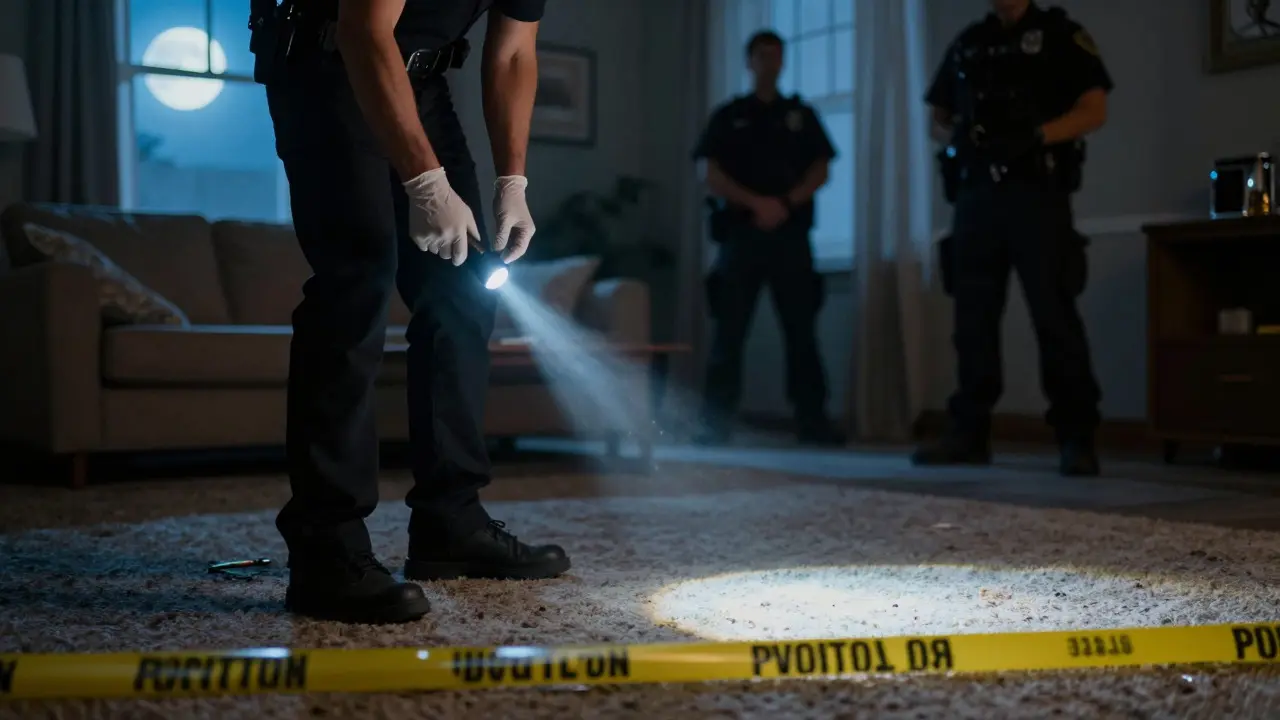
Imagine you just finished a grueling night shift at a homicide scene. The area is taped off, the body is gone, and your hands are still shaking from the adrenaline. You head back to the station, log the evidence, and go home. But here’s the question most teams skip: Did we actually get it right?
The gap between leaving a scene and filing the report is where critical errors hide. A missed latent print, a contaminated sample, or a broken chain of custody can unravel a case months later in court. This is why the Post-Scene Review is a structured debriefing process conducted immediately after crime scene processing to identify errors, validate evidence collection, and improve future investigative protocols. It isn’t about blame; it’s about building a muscle memory for precision.
Why the Immediate Aftermath Matters
Memory fades fast. Within 24 hours, investigators often forget specific details like the exact angle of a camera shot or the temperature of the room when they opened the door. If you wait until the weekly meeting to discuss what went wrong, the context is lost. The goal of an immediate review is to capture the "fresh" data while the sensory details are still vivid.
This process serves three primary jobs for the team:
- Validation: Confirming that all physical evidence was documented and bagged correctly.
- Gap Analysis: Identifying what was missed or overlooked due to time pressure or environmental factors.
- Standardization: Aligning individual habits with departmental best practices.
Without this step, every scene becomes an isolated incident. With it, every scene becomes a lesson that makes the next one safer and more accurate.
The Core Components of a Effective Debrief
A good post-scene review isn’t a vague chat over coffee. It requires structure. Think of it as a quality control check similar to those used in manufacturing or aviation. Here is what needs to be on the table:
- Timeline Reconstruction: Walk through the arrival, search pattern, and departure times. Did you stay within the estimated timeframe? If not, why?
- Evidence Audit: Compare the evidence log against the photos. Is there a photo for every item listed? Is there an item listed without a photo?
- Environmental Factors: Discuss weather, lighting, and access issues. Did rain obscure footprints? Did low light require additional flash units that created shadows?
- Communication Check: How did the detective, CSI, and first responder coordinate? Were roles clear, or was there confusion over who was responsible for which zone?
Each of these points connects directly to the integrity of the final report. For example, if the timeline shows a 30-minute delay in securing the perimeter, you need to ask if potential evidence was disturbed during that window.
Common Pitfalls That Undermine Investigations
Even experienced teams make mistakes. The difference between a successful prosecution and a dismissed case often lies in small procedural failures. Let’s look at the most common traps.
| Error Type | Description | Potential Legal Impact |
|---|---|---|
| Broken Chain of Custody | Failing to sign transfer logs or leaving evidence unattended. | Evidence may be deemed inadmissible by the judge. |
| Inconsistent Documentation | Notes do not match photo metadata or sketches. | Credibility of the investigator is attacked during cross-examination. |
| Contamination | Walking through wet blood or touching surfaces without gloves. | DNA results may be questioned as compromised. |
| Premature Closure | Leaving the scene before completing a secondary search. | Key evidence (like a dropped phone) remains undiscovered. |
Notice how these errors aren't always dramatic. They are subtle slips. A forgotten signature on a box looks minor until a defense attorney highlights it under oath. The post-scene review catches these slips before they become legal liabilities.
Building a Culture of Continuous Improvement
Process improvement doesn’t happen once; it happens continuously. To make the post-scene review stick, you need to change how the team views failure. In many departments, admitting a mistake feels like admitting incompetence. This fear leads to hiding errors, which means they never get fixed.
Instead, frame the review as a technical calibration. When a pilot lands hard, they don’t get fired; they file a report so the mechanics can adjust the landing gear. Similarly, when a CSI misses a fiber, the focus should be on the workflow, not the person. Did the lighting fail? Was the checklist too long? Was the team rushed by dispatch?
Here are practical steps to foster this culture:
- Anonymous Feedback Option: Allow team members to submit concerns without attaching their name initially.
- Action Items with Owners: Every identified issue must have a specific person responsible for fixing it and a deadline.
- Regular Audits: Randomly select past scenes to re-review them against current standards.
When people see that fixes lead to better tools or clearer guidelines, participation increases naturally.
Tools and Templates for Standardization
You don’t need expensive software to run effective reviews, but you do need consistent templates. Using different forms for different cases creates data silos that are hard to analyze over time.
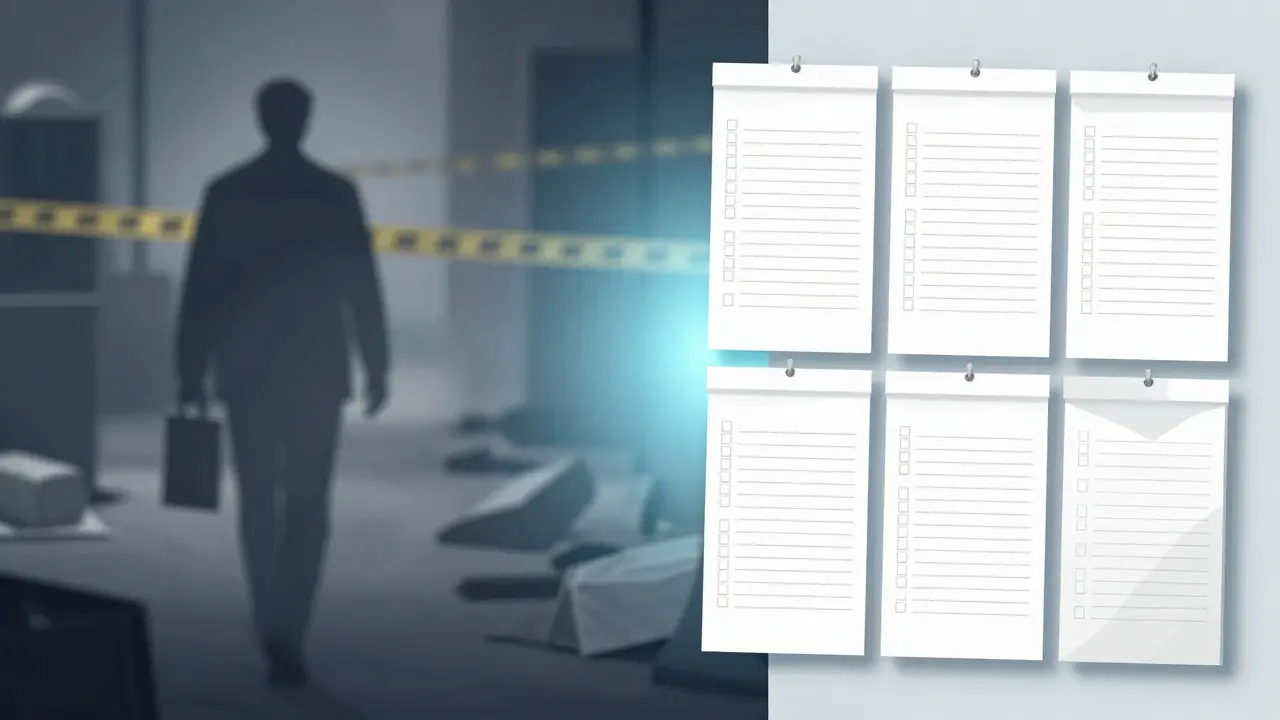
A standard template should include fields for:
- Scene ID and Date/Time
- Team Members Present
- Weather Conditions
- List of Evidence Collected (with IDs)
- List of Evidence Missed/Unretrievable
- Specific Challenges Encountered
- Recommended Protocol Changes
Digital platforms can help here. Many agencies now use mobile apps that allow real-time logging. This reduces transcription errors and ensures that the data entered at the scene is the same data reviewed later. The key is consistency. Whether you use paper clipboards or tablets, the questions asked must remain the same across all investigations.

Measuring Success: Metrics That Matter
How do you know if the post-scene review is working? You track metrics. Don’t just count how many meetings you held; measure the outcome.
Key performance indicators (KPIs) to monitor include:
- Evidence Turnaround Time: How quickly does lab analysis begin after collection?
- Case Dismissal Rate: Are cases being thrown out due to procedural errors?
- Repeat Error Frequency: Are the same types of mistakes happening month after month?
- Team Satisfaction: Do investigators feel the process helps them or hinders them?
If the dismissal rate drops and repeat errors decrease, your process is improving. If not, it’s time to revisit the review structure itself.
Next Steps for Your Department
Implementing a robust post-scene review system takes time, but the return on investment is high. Start small. Pick one unit or one type of scene (e.g., burglaries) and pilot the new protocol. Gather data for three months. Analyze the results. Then expand.
Remember, the goal isn’t perfection-it’s progress. Every scene processed is a chance to refine the craft. By treating the end of the scene as the beginning of the learning cycle, you build a team that gets sharper with every case.
How long should a post-scene review take?
Ideally, it should last between 15 to 30 minutes. Long enough to cover the checklist thoroughly, but short enough to avoid fatigue and disengagement. Complex scenes might require a longer follow-up session, but the initial debrief should be concise.
Who should lead the post-scene review?
The lead investigator or senior CSI present at the scene should typically lead it. However, rotating the facilitator role among team members can provide fresh perspectives and ensure everyone has a voice in the process.
What if the team disagrees on what went wrong?
Disagreement is normal. Focus on facts rather than opinions. Refer back to the documentation, photos, and timestamps. If consensus cannot be reached, note the discrepancy and assign a supervisor to review the conflicting accounts later.
Is a post-scene review required for minor crimes?
Yes. Minor crimes often have less documentation, making errors harder to detect later. A brief 10-minute check-in can prevent small oversights from becoming major problems if the case escalates or goes to trial.
How do you handle resistance from veteran staff?
Involve veterans in designing the process. Ask for their input on what works and what doesn’t. When they see their experience shaping the protocol, they are more likely to embrace it. Show them data proving that the review saves time in the long run.