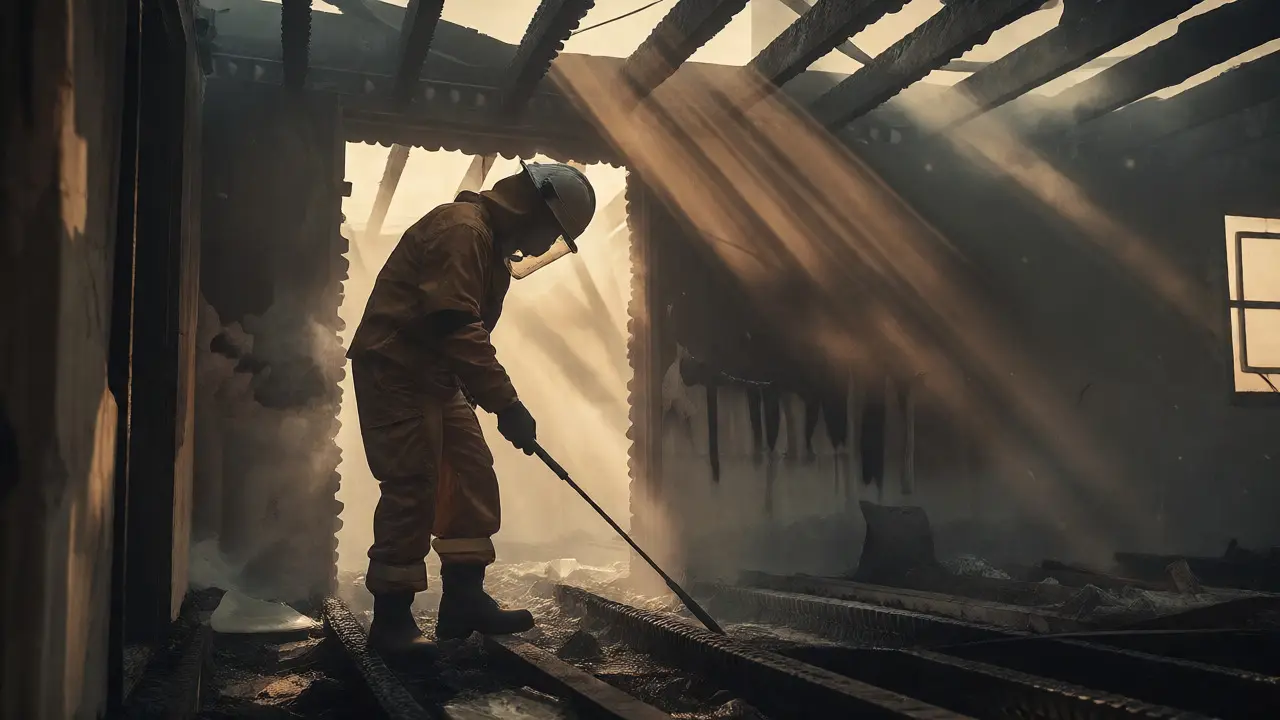
You walk into a house that burned down three days ago. The air smells like wet ash and melted plastic. Your boots crunch on broken glass and charred wood. It looks stable enough to walk through, right? Wrong. That ceiling beam above you might be holding up by a thread of carbonized wood. One wrong step, or one shift in the wind, and it could come down on your head. Fire scene safety isn't just about wearing a helmet; it’s about recognizing that the environment itself is actively trying to kill you.
The Invisible Killers: Air Quality and Respiratory Risks
Most people think the biggest danger at a fire scene is falling debris. But often, the most insidious threat is what you can’t see: airborne contaminants. When synthetic materials burn-think carpets, curtains, electronics-they release a cocktail of toxic chemicals. Carbon monoxide is the obvious one, but it dissipates quickly. The real long-term risk comes from particulate matter (PM2.5) and volatile organic compounds (VOCs) like benzene and formaldehyde.
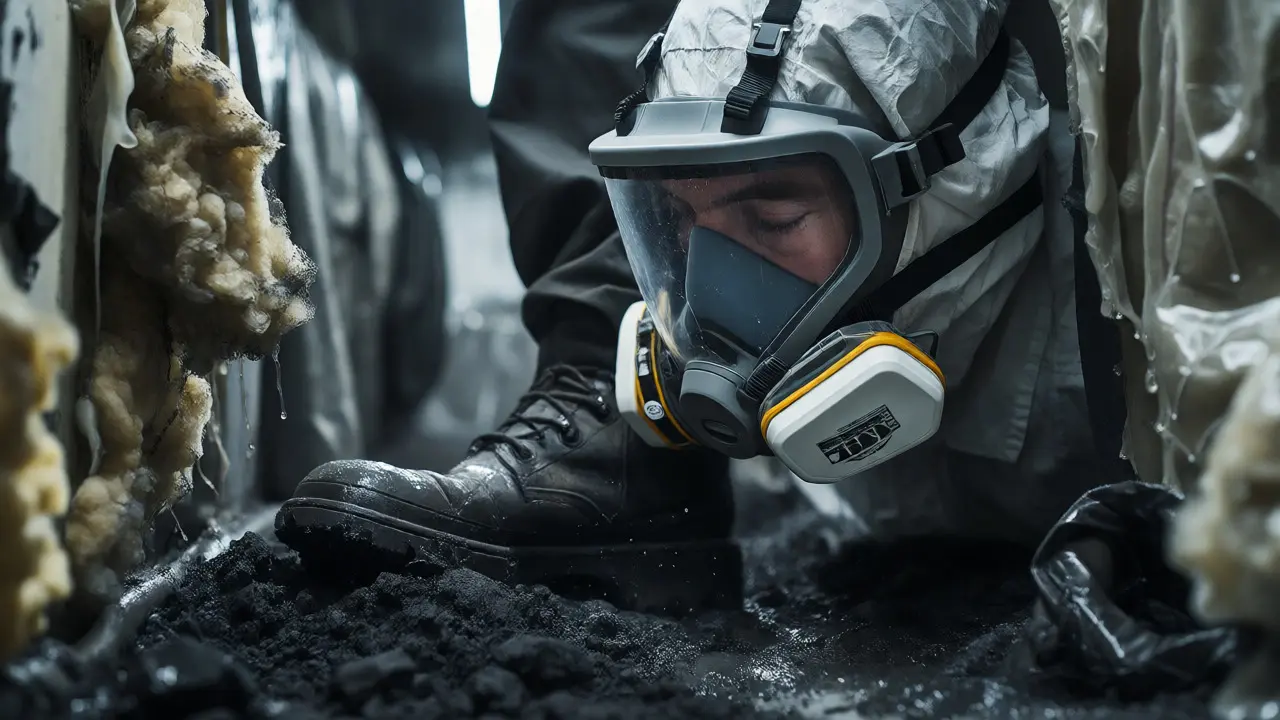
If you’re working in a confined space, like a basement or a tightly sealed bedroom, these particles linger. You don’t need to be breathing smoke directly to inhale them. Just disturbing soot with your boot kicks up a cloud of fine dust. Wearing a standard N95 mask helps, but it doesn’t stop gases. For serious investigations involving heavy soot accumulation, a half-face respirator with P100 filters and organic vapor cartridges is non-negotiable. Remember, lungs don’t heal well from chronic exposure to combustion byproducts. Treat every breath at a fire scene as potentially contaminated until proven otherwise.
Structural Integrity: Reading the Building’s Story
Fire weakens structures in ways that aren’t always visible. Steel beams lose strength when heated above 1,000°F (538°C), even if they look intact. Wood chars, creating an insulating layer that hides how much of the core has actually burned away. This phenomenon, known as "charring depth," means a beam that looks six inches thick might only have two inches of solid wood left.
Before stepping onto any floor, assess the joists. If you see sagging floors or cracked plaster ceilings, you’re dealing with compromised load-bearing elements. Never assume a wall is stable because it hasn’t fallen yet. Fire consumes the internal framing while leaving the exterior drywall or siding looking surprisingly normal. Use a probe tool to test floor stability before putting your full weight on it. If the floor feels spongy or gives way under light pressure, stay out. It’s better to miss a clue than to break your leg-or worse, fall through into the basement below.
Chemical and Biological Hazards Beyond the Fire
A fire scene is rarely just about fire. It’s often a mix of hazardous materials. Did the homeowner store gasoline in the garage? Was there asbestos insulation in the walls? Modern homes are filled with plastics that release cyanide gas when burned. Older homes, especially those built before the 1980s, likely contain lead paint and asbestos-containing materials (ACMs).
When water is used to extinguish the fire, it mixes with soot, oil, and other residues, creating a slippery, toxic sludge. This runoff can harbor bacteria and mold if the site remains wet for more than 48 hours. In Portland, where rain is common, this is a frequent issue. Mold spores can proliferate rapidly in damp, warm debris piles. Always wear gloves when handling debris. Nitrile gloves are preferable to latex because they offer better chemical resistance and durability against sharp objects like nails and glass shards.
Personal Protective Equipment (PPE): More Than Just Gear
Your PPE is your last line of defense, but it’s only effective if worn correctly. Many investigators make the mistake of removing their gear too soon after exiting the hot zone. Soot contains carcinogens that stick to your uniform. If you take off your jacket inside your vehicle or home, you’re spreading contamination everywhere.
| Item | Purpose | Critical Check |
|---|---|---|
| Helmet with Face Shield | Protects from falling debris and eye injury | Ensure chin strap is tight; face shield must be down when moving debris |
| Nomex Jacket/Pants | Heat resistance and abrasion protection | Check for tears; ensure cuffs are over gloves to prevent entry points |
| Respirator (P100) | Filtration of particulates and vapors | Perform seal check every hour; replace filters after 4-6 hours of use |
| Steel-Toed Boots | Puncture resistance and foot protection | Lace tightly; tuck pants over boots to keep debris out |
| Nitrile Gloves | Chemical barrier and grip | Change immediately if torn; double-glove when handling unknown liquids |
Notice the emphasis on "seal checks" and "cuff management." These small details determine whether your PPE works or fails. A gap between your glove and sleeve is a direct highway for soot to reach your skin. Similarly, an unsealed respirator renders the expensive filter useless. Train yourself to do these checks habitually, not occasionally.
Site Security and Access Control
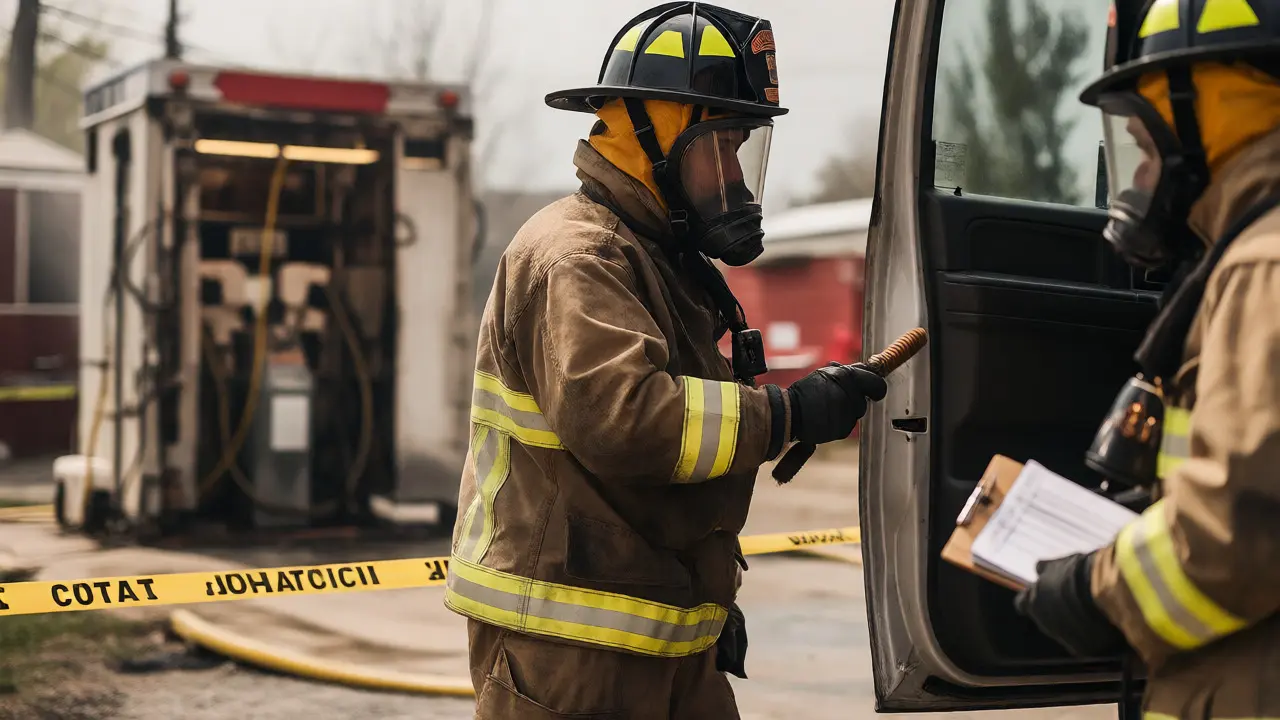
Once the immediate physical dangers are assessed, you need to control who enters the scene. Unsecured scenes get trampled. Evidence gets destroyed. More importantly, unauthorized personnel might ignore safety protocols, leading to injuries. Set up a perimeter tape line early. Establish a single point of entry and exit. This creates a "clean" path and allows you to track who was present and when.
Keep a logbook at the entrance. Note names, times, and reasons for entry. This isn’t just bureaucratic busywork; it’s crucial for chain-of-custody documentation and liability protection. If someone claims they were injured at the scene, your log proves who was there and what safety briefings they received. Also, consider wildlife. Raccoons, rats, and even stray cats love sheltering in burnt-out structures. They can carry diseases like leptospirosis. Don’t corner animals; let them leave naturally or contact animal control.
Decontamination Procedures: Leaving the Scene Clean
The job isn’t done when you walk out the door. Contamination follows you home if you’re not careful. Soot particles are microscopic and cling to fabric fibers. Before getting into your car, brush off loose debris outside. Ideally, have a wash station set up at the scene. If not, change into clean clothes before driving.
Wash your gear separately from regular laundry. Standard detergents might not remove all hydrocarbons. Use specialized cleaners designed for turnout gear. Wash your hands thoroughly with soap and water, paying attention under fingernails where soot accumulates. Do not eat, drink, or smoke in the decontamination area. Ingesting even tiny amounts of soot can introduce toxins into your system. Make cleaning part of the protocol, not an afterthought.
Common Pitfalls to Avoid
Even experienced investigators slip up. Here are the most frequent mistakes I’ve seen in the field:
- Complacency: Thinking "it’s been cold for two days, so it’s safe." Smoldering embers can reignite, especially in deep insulation piles. Use a thermal camera to verify temperatures.
- Ignoring Wind: Wind direction affects both air quality and structural stability. Strong gusts can topple weakened walls. Monitor weather conditions constantly.
- Rushing Documentation: Taking photos while walking backward without looking where you’re going leads to trips and falls. Watch your step, then shoot.
- Underestimating Fatigue: Physical exhaustion impairs judgment. Take breaks. Hydrate. Decision-making skills drop significantly when you’re tired.
How long should I wait before entering a fire scene?
There is no fixed time. Entry depends on structural assessment and air quality monitoring. Typically, crews wait until the fire is fully extinguished and cooled, often 24-72 hours later. However, a qualified engineer or fire marshal must certify the structure is safe. If the building shows signs of imminent collapse, entry may be delayed indefinitely or restricted to remote inspection methods.
Is an N95 mask sufficient for fire scene work?
An N95 mask protects against particulates like soot and ash but does not filter out toxic gases such as carbon monoxide, hydrogen cyanide, or volatile organic compounds. For short-term exposure in low-soot areas, it may suffice. For prolonged investigation in heavily burned areas, a half-face respirator with P100 filters and organic vapor cartridges is recommended to protect against both particles and gases.
What are the main structural hazards at a fire scene?
The primary hazards include roof collapse due to weakened rafters, floor failure from burned joists, and wall instability caused by loss of internal bracing. Additionally, hanging debris, broken glass, and sharp metal fragments pose puncture and laceration risks. Always assume structural elements are compromised until tested.
Can I reuse my fire scene clothing?
Yes, but it requires proper decontamination. Soot contains carcinogens and irritants that remain on fabric. Clothing should be washed separately using industrial-grade detergents or specialized turnout gear cleaners. Regular household detergent may not effectively remove hydrocarbon residues. Inspect garments for damage after washing, as heat and chemicals can degrade fabric integrity.
Who is responsible for declaring a fire scene safe?
Typically, the Incident Commander or a designated Safety Officer declares the scene safe for entry. In some jurisdictions, a licensed structural engineer or building inspector may also need to sign off on the structural integrity of the building. Investigators should never enter until this official clearance is given, regardless of how "stable" the building appears.