You pick up a glass. You touch a piece of paper. You lean against a painted wall. In every single one of those interactions, you leave behind a chemical ghost-your fingerprints. But here is the catch that trips up many new investigators and even some seasoned detectives: the material you touched matters just as much as the oil on your finger. This is what we call substrate effects.
If you are trying to lift a print from a smooth countertop, the process is straightforward. If you are trying to find a print on a textured brick or a piece of raw wood, you might be chasing a ghost that doesn’t exist in the same way. Understanding how different materials hold onto (or reject) fingerprint residue is the difference between solving a case and throwing evidence away.
The Science Behind the Stick
At its core, a fingerprint is a mixture of water, salts, amino acids, lipids, and urea secreted by your eccrine glands. When you touch something, this cocktail transfers to the surface. Whether it stays there depends entirely on the physical and chemical properties of the target surface, known as the substrate.
Think of substrates like sponges versus slides. A slide (non-porous) keeps the residue on top, where it can be easily visualized with powders or chemicals. A sponge (porous) absorbs the residue into its fibers, making traditional lifting impossible but requiring different chemical treatments. The third category, semi-porous, sits awkwardly in the middle, often absorbing some components while leaving others on the surface.
Non-Porous Substrates: The Easy Wins
These are the surfaces most people picture when they think of crime scene investigation. Glass, polished metal, plastic, varnished wood, and glazed ceramics fall into this bucket. Because these materials do not absorb liquids, the fingerprint residue remains on the exterior surface.
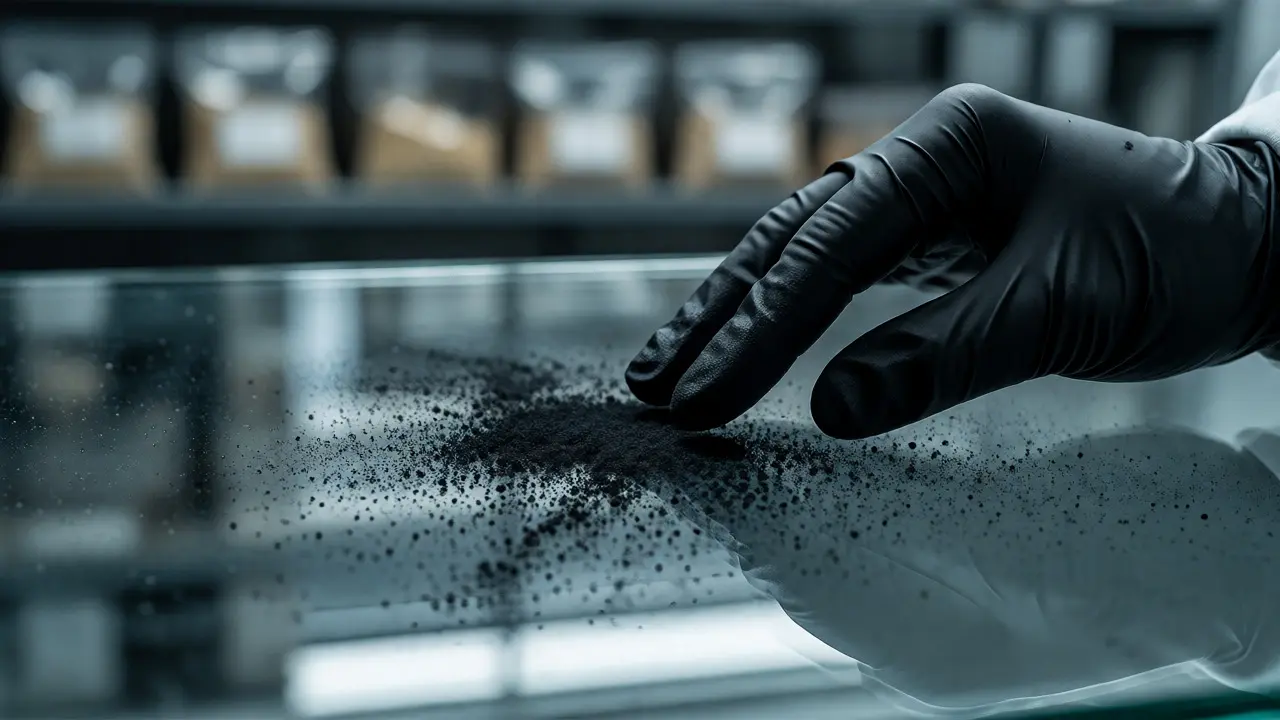
This makes them ideal for mechanical methods. Black granular powder applied with a fiberglass brush will adhere to the moisture and oils, creating a visible ridge pattern. Once visible, you can use adhesive lifting tape to transfer the print to a backing card. It’s fast, cheap, and effective.
However, "easy" doesn't mean "guaranteed." Environmental factors play a huge role here. On a hot day, the water component of the sweat evaporates quickly, leaving behind only the sticky lipids. These lipid-heavy prints are harder to see with standard black powder because they lack the moisture needed for adhesion. Conversely, if the surface is cold and humid, condensation can form around the ridges, blurring the image before you even get your camera out.
Porous Substrates: Absorption Changes Everything
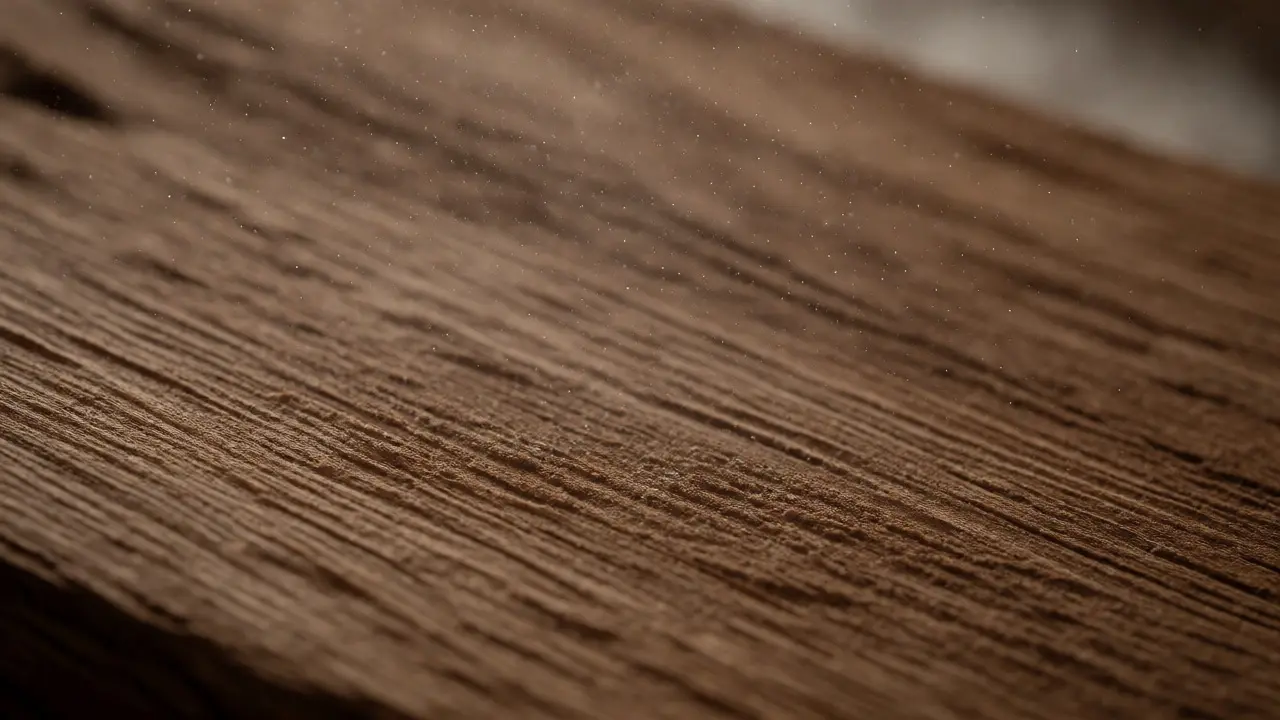
Paper, cardboard, untreated wood, fabric, and leather are porous. They have microscopic holes that suck up the aqueous portion of fingerprint residue almost instantly. If you try to dust paper with black powder, you’ll mostly just make a mess. The powder sticks to the fibers, not the print.
To recover prints from these materials, you need chemistry, not physics. The gold standard here is ninhydrin. Ninhydrin reacts with the amino acids left behind in the paper fibers to produce a purple color called Ruhemann’s purple. This reaction isn't instant; it usually takes hours or days to fully develop, which is why labs often spray evidence bags with ninhydrin solution and let them sit.
DFO (1,8-Diazafluoren-9-one) is another popular choice, particularly for older documents. It reacts faster than ninhydrin and produces a fluorescent yellow-orange product under blue light. For fresh prints on porous surfaces, cyanoacrylate fuming (super glue fuming) can sometimes work if the surface has been previously treated with a dye stain, but generally, chemical absorption is your best bet.
Semi-Porous Substrates: The Tricky Middle Ground
This category includes things like unfinished wood, certain plastics, and coated papers. These surfaces partially absorb the residue. Some of the oil stays on top, while some soaks in. This hybrid nature makes them frustrating for examiners.
For example, an index card has a coating that slows down absorption, allowing for some powdering, but eventually, the ink and fibers take over. Raw pine furniture is another nightmare. The natural resins in the wood interfere with chemical developers, and the grain texture creates false positives that look like ridge patterns but aren't.
Comparison of Development Methods by Substrate Type
Choosing the right method is critical. Using the wrong technique can destroy the evidence permanently. Here is a breakdown of how different materials dictate your approach.
| Substrate Type | Examples | Primary Method | Secondary Method | Time to Result |
|---|---|---|---|---|
| Non-Porous | Glass, Metal, Plastic | Physical Powder + Tape Lift | Cyanoacrylate Fuming | Immediate |
| Porous | Paper, Cardboard, Wood | Ninhydrin Spray | DFO / Physical Developer | Hours to Days |
| Semi-Porous | Coated Paper, Unfinished Wood | Magnetic Powder | Small Particle Reagent (SPR) | Immediate to Hours |
| Textured/Rough | Brick, Leather, Fabric | Superglue Fuming + Dye | VMD (Vacuum Metal Deposition) | Hours |
Environmental Factors That Accelerate Degradation
Even on a perfect non-porous surface, time is the enemy. Fingerprint persistence-the length of time a print remains detectable-is highly variable. In a controlled lab environment, a print on glass might last weeks. In a real-world scenario, like a window exposed to rain and sunlight, it might vanish in minutes.
UV radiation breaks down the organic compounds in sweat. Heat accelerates evaporation, turning a wet, liftable print into a dry, invisible smear. Humidity helps preserve the print by keeping the residue moist, but excessive humidity can cause smudging if the surface is touched again. Wind physically removes loose particles.
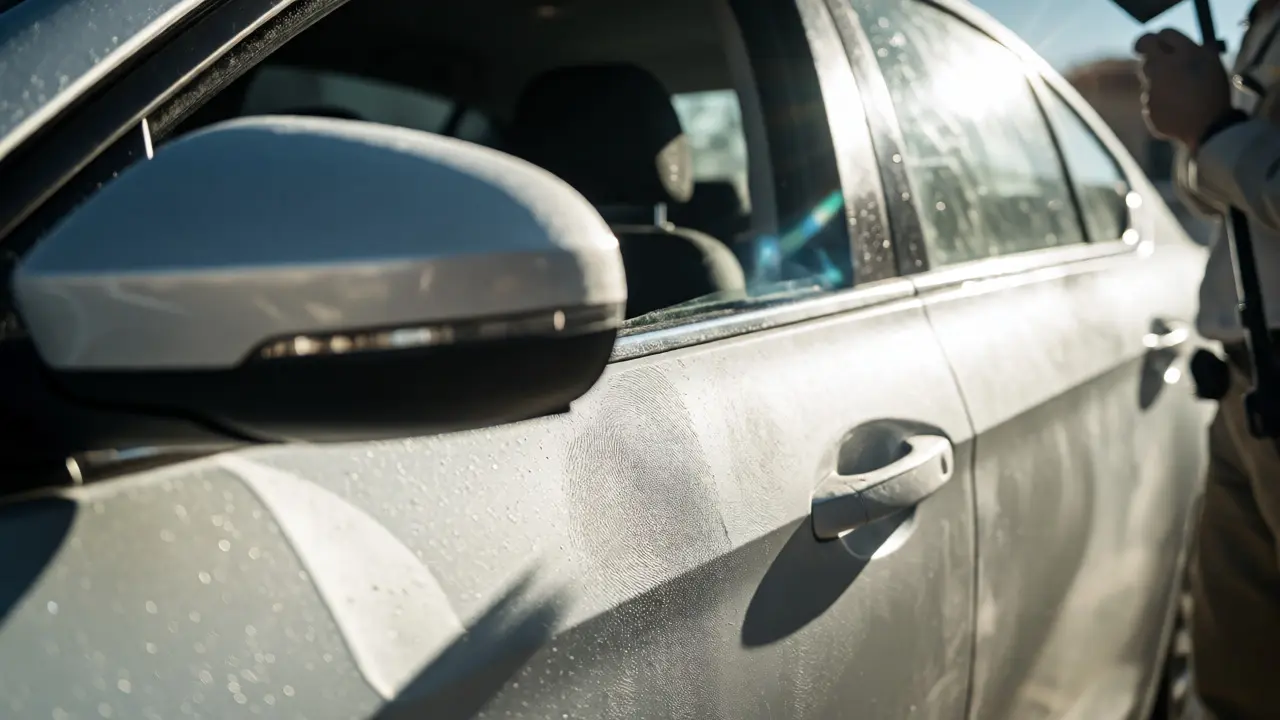
Consider a car parked outside. The side mirror (glass) might retain a driver's thumbprint for days if it hasn't rained. The door handle (metal) might lose it in hours due to heat conduction and daily cleaning. The interior dashboard (plastic) might hold a print longer because it’s shielded from UV and rain, but the heat inside a closed car in July can bake the oils into a hard crust that resists powdering.
Advanced Techniques for Difficult Surfaces
When standard methods fail, forensic scientists turn to more sophisticated tools. Vacuum Metal Deposition (VMD) involves placing an object in a vacuum chamber and evaporating gold and zinc onto it. The metals coat the raised ridges of the print, making it visible even on rough, textured surfaces like polyethylene bags or rubber tires. It’s expensive and requires bulky equipment, but it works where nothing else does.
Another emerging area is hyperspectral imaging. Instead of relying on visible contrast, this technology captures data across hundreds of wavelengths of light. Since fingerprint residue absorbs and reflects light differently than the background material at specific infrared frequencies, algorithms can separate the print from the substrate digitally. This is particularly useful for multi-colored or patterned backgrounds where black powder would blend in.
Practical Tips for Field Investigators
If you are collecting evidence, keep these rules in mind:
- Do not touch the suspected print area. Even wearing gloves, you can transfer oils or crush the delicate ridge detail.
- Avoid aerosol sprays. Hairspray or fixatives can seal a print, but they can also obscure it if applied too heavily or unevenly. Use them only when directed by a lab protocol.
- Packaging matters. Never put a wet or chemically treated item directly into a plastic bag without proper drying or interleaving. Trapped moisture promotes bacterial growth, which eats away at the amino acids in the print.
- Document before you disturb. Take high-resolution photographs with oblique lighting before attempting any chemical development. Sometimes the print is visible now but will disappear after treatment.
Why Substrate Knowledge Matters in Court
Defense attorneys love to challenge fingerprint evidence. One common tactic is to argue that the print couldn't possibly survive the environmental conditions claimed by the prosecution. If an investigator claims a print was found on a rain-exposed brick wall three days ago, but the local weather report shows heavy rainfall during that period, the credibility of the finding drops.
Understanding substrate effects allows experts to provide realistic timelines. You can explain to a jury that while a print on a sealed glass jar in a basement might last months, a print on an outdoor wooden fence post is unlikely to persist beyond a few hours of direct sun. This nuance prevents overconfidence in evidence and strengthens the overall integrity of the forensic report.
Frequently Asked Questions
How long do fingerprints last on glass?
On indoor glass kept at room temperature, fingerprints can remain detectable for several weeks to months. However, exposure to direct sunlight, rain, or frequent cleaning reduces this lifespan dramatically to just a few hours or days. The key factor is the preservation of the moisture content in the sweat residue.
Can you lift a fingerprint from fabric?
Traditional lifting tape does not work well on fabric because the fibers disrupt the ridge continuity. However, advanced techniques like cyanoacrylate fuming followed by dye staining, or using specialized adhesives like Superglue with fluorescent dyes, can reveal prints on tight-weave fabrics. Loose-knit sweaters are much harder candidates than denim or canvas.
What is the difference between porous and non-porous surfaces?
Non-porous surfaces (like glass and metal) do not absorb liquid, so fingerprint residue sits on top and can be lifted mechanically. Porous surfaces (like paper and wood) absorb the residue into their structure, requiring chemical reactions (like ninhydrin) to visualize the print rather than physical lifting.
Does humidity help or hurt fingerprint preservation?
Moderate humidity helps preserve fingerprints by preventing the rapid evaporation of water from the sweat residue. However, extremely high humidity or condensation can cause the print to blur or wash away, especially on non-porous surfaces. Dry air causes the residue to harden, making it difficult for powders to adhere properly.
Why do some fingerprints appear clearer than others?
Clarity depends on the donor's physiology (some people produce more oily residue), the pressure applied during contact, and the cleanliness of the surface. Additionally, the age of the print affects clarity; as volatile components evaporate, the ridge edges may spread or fade, reducing definition.