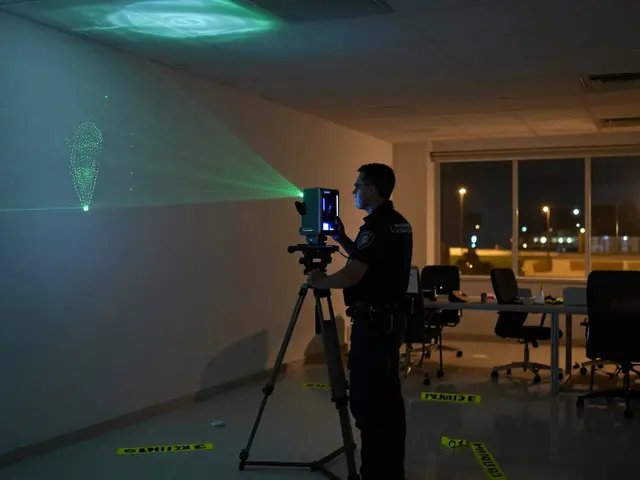
Imagine waking up in a cell for ten years, only to find out the fingerprint that put you there was matched by an untrained technician using outdated software. This isn't a movie plot; it’s a recurring reality in the American justice system. While we often blame wrongful convictions on bad luck or corrupt judges, a massive portion of these failures stems from a much more technical issue: evidence admissibility. When courts allow flawed, biased, or scientifically weak evidence to cross the threshold into a trial, the scales of justice tip dangerously before the jury even sits down.
The core problem isn't always that the evidence is fake. It's that the *process* of admitting it was broken. Whether it's a witness ID made under suggestive conditions or a lab report with no chain of custody documentation, these procedural slips create a false sense of certainty. For defendants, this means their right to a fair trial is compromised not by what the prosecution hides, but by what they are allowed to show.
What Actually Counts as an Admissibility Error?
To understand how these errors lead to prison sentences, we need to strip away the legal jargon. At its heart, evidence admissibility is about relevance and reliability. If a piece of evidence doesn't help prove a fact in the case, it shouldn't be shown. But more importantly, if the method used to gather or analyze that evidence is scientifically shaky, it risks misleading the jury.
An admissibility error occurs when a judge fails to exclude evidence that violates these standards. This can happen in three main ways:
- Scientific Validity Failures: Allowing expert testimony based on methods that haven't been peer-reviewed or accepted by the scientific community (often governed by the Frye or Daubert standards).
- Chain of Custody Breaks: Presenting physical items where gaps exist in who handled them, raising doubts about tampering or contamination.
- Suggestive Identification: Permitting eyewitness testimony where the lineup was rigged or the questioning process was leading.
These aren't minor technicalities. They are foundational pillars. If the foundation cracks, the whole structure of the verdict becomes unstable.
The Role of Forensic Science in Wrongful Convictions
Forensic science has become the 'CSI effect' in real life-juries trust it implicitly. But trust without scrutiny is dangerous. A significant number of exonerations through the National Registry of Exonerations involve forensic errors. We're talking about bite mark analysis, hair microscopy, and fire debris testing. These techniques were long treated as gospel, yet many lack rigorous error rates or standardized protocols.
Consider hair microscopy. For decades, examiners would look at a hair under a microscope and declare it 'consistent' with a suspect's hair. The problem? Human hair looks remarkably similar across different people. Without DNA confirmation, a 'match' is often just a visual similarity. Yet, because it was admitted as expert opinion, jurors heard 'it matches,' not 'it might be from anyone.'
This leads to a specific type of admissibility failure: the Daubert challenge. Under the Federal Rules of Evidence, judges must act as gatekeepers, ensuring expert testimony is based on reliable methodology. When judges skip this step or apply it loosely, flawed science enters the courtroom. Once inside, it's incredibly hard to pull back out, especially after a guilty verdict is rendered.
How Eyewitness Testimony Goes Wrong
While forensics gets the headlines, eyewitness identification remains one of the most common sources of wrongful conviction. And here, admissibility errors are purely procedural. Human memory is reconstructive, not photographic. Every time we recall an event, we rebuild it, often filling in gaps with assumptions or suggestions.
Courts have rules to prevent this. Lineups should be double-blind (the officer running the lineup doesn't know who the suspect is) and non-suggestive (no 'is this the guy?' prompts). But enforcement varies wildly by jurisdiction.
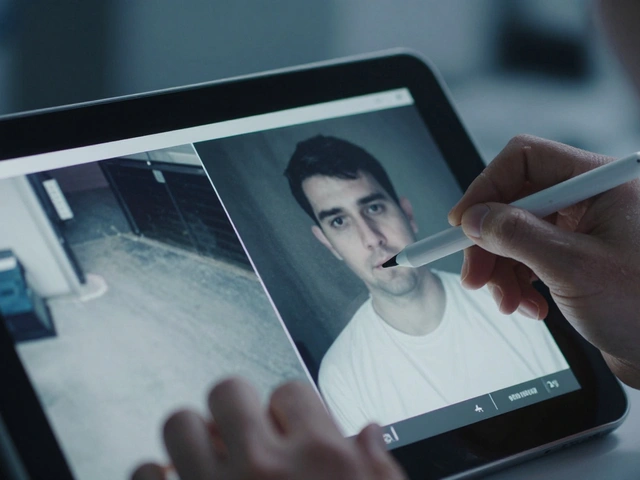
If a prosecutor presents an ID that was obtained from a single-photo array (showing only the suspect's photo) rather than a multi-person lineup, it's highly suggestive. The witness is essentially being asked, 'Is this person the one you saw?' rather than 'Do you recognize this person from a group?' If the judge admits this evidence without proper cautionary instructions to the jury, the risk of misidentification skyrockets. Studies suggest that over 70% of DNA exoneration cases involved mistaken eyewitness identification, often due to these very procedural lapses.

Chain of Custody: The Invisible Link
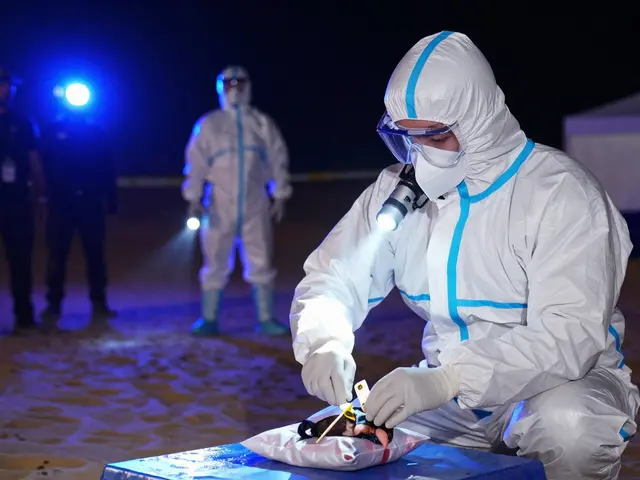
You don't see the chain of custody, but if it breaks, everything falls apart. Chain of custody is the documented history of a piece of evidence from the moment it's collected until it's presented in court. It answers simple questions: Who picked it up? Who stored it? Who analyzed it? Where was it kept between those steps?
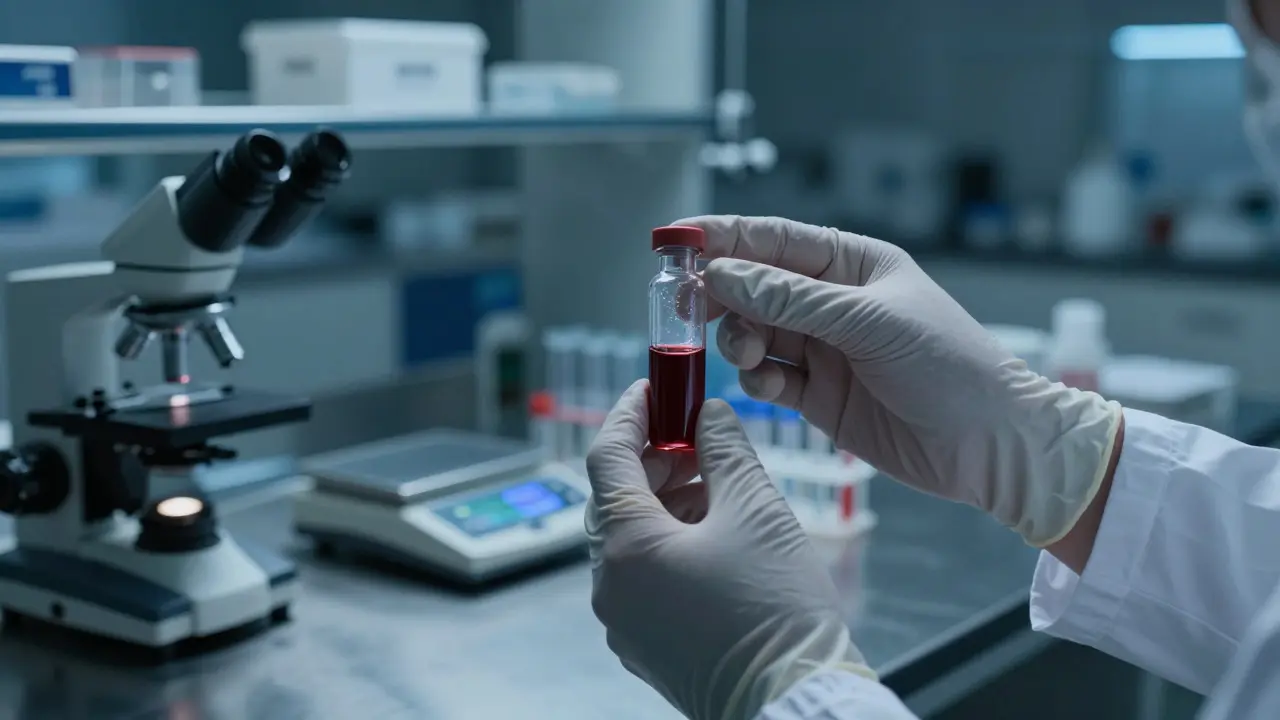
An admissibility error here is subtle but devastating. Suppose a blood sample is left unrefrigerated for 12 hours because a lab technician forgot to log it. Does that change the DNA profile? Maybe not. But does it raise a reasonable doubt about contamination? Absolutely. If the defense points out this gap and the judge still admits the evidence, the jury now has to weigh the scientific result against the potential for human error.
In high-profile cases, these gaps can be fatal to the prosecution's case. However, in lower-level trials, judges may wave these issues away as 'minor clerical errors.' This inconsistency creates a patchwork of justice where some defendants get strict scrutiny of their evidence, while others face a lenient standard that favors conviction.
Case Studies: When the System Failed
Let’s look at two distinct scenarios to illustrate how these errors play out in real life.
Scenario A: The Bite Mark Case
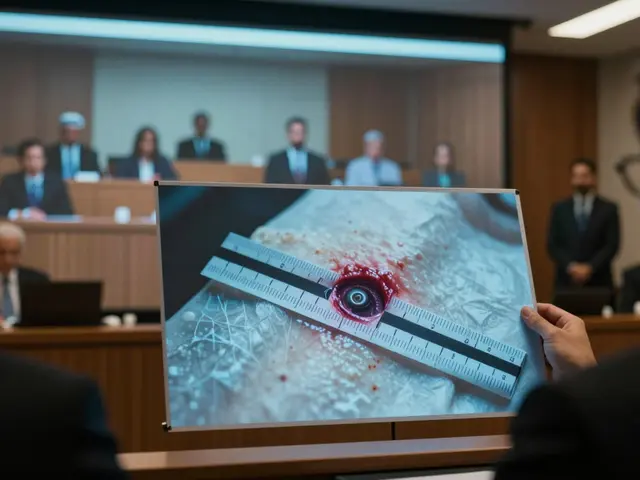
In the early 2000s, several individuals were convicted based solely on bite mark analysis. Dr. Michael West, a prominent forensic dentist, testified in dozens of cases claiming he could match a suspect's teeth to a wound. Later investigations revealed that his methods lacked scientific validation and that he had conflicts of interest. When DNA evidence finally became available in some of these cases, it exonerated the defendants. The admissibility error here was clear: the judge allowed an unvalidated technique to stand as definitive proof, ignoring the lack of error rate data.
Scenario B: The Suggestive Lineup
In another case, a victim was shown a photo array where the suspect was the only person wearing a hat, matching her description. The detective ran the lineup himself and nodded when she pointed to the suspect. The court admitted this ID. Years later, DNA evidence proved the suspect wasn't the perpetrator. The error wasn't in the DNA; it was in the admission of a tainted ID that anchored the jury's belief. The 'halo effect' kicked in-the jury believed the ID, so they ignored other contradictory evidence.
Comparison of Common Evidence Types and Risk Levels
Not all evidence carries the same risk of causing a wrongful conviction. Some types are inherently more objective, while others rely heavily on human interpretation. Understanding these differences helps highlight where admissibility standards need to be tightened.
| Evidence Type | Scientific Reliability | Common Admissibility Pitfalls | Risk of Wrongful Conviction |
|---|---|---|---|
| DNA Analysis | High (with proper protocols) | Contamination, lab mix-ups | Low-Medium |
| Eyewitness ID | Variable (Human Memory) | Suggestive lineups, poor lighting | High |
| Bite Marks | Low (Lack of validation) | Subjective interpretation, no error rates | Very High |
| Hair Microscopy | Medium-Low | Visual similarity mistaken for identity | High |
| Digital Metadata | High | Extraction errors, file corruption | Low |
Notice the pattern: the more subjective the evidence, the higher the risk. DNA is powerful, but it requires clean labs. Eyewitnesses are relatable, but they are fallible. Bite marks are intuitive, but they are scientifically fragile. Judges must calibrate their admissibility decisions based on this spectrum.
How to Spot Red Flags in Evidence Presentation
If you’re following a trial, whether as a journalist, a student, or a concerned citizen, keep an eye out for these red flags. They often signal potential admissibility errors that could lead to injustice.
- Vague Expert Language: If an expert says 'it's consistent' or 'matches' without explaining the statistical probability, ask why. Vagueness hides uncertainty.
- Missing Documentation: If a physical object is shown but the paperwork trail is incomplete, the defense should object. If the judge overrules the objection, note it.
- Leading Questions: During witness testimony, if the prosecutor asks, 'Did you see the defendant run away?' instead of 'Did you see anyone run away?', it suggests a narrative rather than seeking facts.
- New Technology, Old Standards: If a novel forensic technique is used for the first time in that jurisdiction, ensure the judge has properly vetted its scientific basis.
These observations don't guarantee a wrongful conviction, but they highlight areas where the system is under stress. The goal isn't to distrust all evidence, but to demand that the *process* of admitting it holds up to scrutiny.
Reforming the Gatekeeper Role
Judges are supposed to be the final line of defense against junk science and tainted evidence. But many judges feel ill-equipped to evaluate complex scientific methodologies. They rely on prosecutors to present credible experts, assuming that if the state puts it forward, it must be sound.
To fix this, we need better training for judges on forensic science limitations. We also need independent forensic labs that answer to the court, not the police department. Currently, most crime labs work for the prosecution. This structural bias means their primary job is to convict, not to discover the truth. When the lab is independent, the incentive shifts toward accuracy over outcome.
Additionally, mandatory disclosure of exculpatory evidence is crucial. If a lab finds a discrepancy or a second suspect's DNA, it must be shared. Hiding such findings is a violation of due process, but proving it requires transparency in the admissibility phase.
Frequently Asked Questions
What is the most common cause of wrongful conviction related to evidence?
Mistaken eyewitness identification is widely considered the most common factor, often exacerbated by suggestive lineup procedures. However, forensic errors, particularly in older cases involving bite marks or hair analysis, remain a significant contributor when modern DNA testing wasn't available at the time of trial.
Can evidence be excluded if it was found illegally?
Yes, under the 'exclusionary rule,' evidence obtained in violation of constitutional rights (like an illegal search) can be suppressed. However, there are exceptions, such as the 'good faith' exception, where officers reasonably believe a warrant is valid. This is a separate legal track from scientific admissibility errors.
What is the difference between Frye and Daubert standards?
The Frye standard requires that scientific evidence be 'generally accepted' in the relevant scientific community. The Daubert standard is broader, requiring judges to assess the methodology's reliability, including testability, peer review, and known error rates. Most federal courts use Daubert, while some states still use Frye or a hybrid approach.
How does DNA evidence correct past admissibility errors?
DNA is often called the 'gold standard' because it provides probabilistic identification rather than subjective opinion. When biological material is preserved, DNA testing can definitively include or exclude suspects, overturning convictions based on weaker evidence like eyewitness IDs or unvalidated forensic techniques.
Who decides if evidence is admissible in a trial?
The judge decides admissibility during pre-trial hearings or motions in limine. The jury hears only the evidence the judge deems admissible. If a judge makes an error in this decision, it can be appealed, but appeals courts give judges wide discretion, making it difficult to reverse convictions based solely on admissibility rulings.