
Waiting for news is one of the most exhausting experiences a person can face. When a loved one disappears, the silence from authorities often feels like indifference, but it is usually just bureaucracy catching up with reality. You need to know exactly where to look, what documents to demand, and how to keep your energy focused on finding answers rather than fighting red tape.
This guide breaks down the specific systems, agencies, and strategies that actually move a missing person case forward. It covers the immediate steps, the long-term legal hurdles, and the emotional toll that often gets ignored in official reports.
Key Takeaways
- Get a case number immediately. Without it, you are invisible to the system. Ask for the specific detective’s name and direct phone number.
- The NCIC National Crime Information Center database managed by the FBI is the central hub for all missing persons data in the U.S.
- Private investigators often have more freedom to canvass neighborhoods and interview witnesses without following strict police protocols.
- Psychological support is not a luxury; it is a necessary tool to maintain the clarity needed to spot clues others might miss.
Understanding the Immediate Response Protocol
The first 72 hours are critical, but the process is rarely as fast as TV shows suggest. Law enforcement treats a missing person report as an intake task until certain criteria are met. For adults, there is no mandatory waiting period to file a report, but there may be a delay before they enter the person into national databases.
You must push for entry into the NCIC National Crime Information Center database managed by the FBI. This database allows any law enforcement agency in the country to flag the individual if seen. If the person has medical needs, such as diabetes or dementia, emphasize this immediately. These conditions often trigger a higher priority status because the risk of harm increases rapidly.
When you meet the assigned detective, do not just hand over a photo and leave. Bring a binder with:
- A recent, high-resolution photo (taken within the last six months).
- Description of clothing worn at the time of disappearance.
- List of known associates, enemies, and places frequented.
- Any mental health history or behavioral changes prior to the event.
Ask specifically: "When will this be entered into NCIC?" and "Who is my point of contact for updates?" Write down their names. Police rotations happen, and if you only know the station's main line, you will lose weeks waiting for callbacks.
Navigating the Bureaucracy: Case Numbers and Records
A case number is your key to the entire system. It links every piece of evidence, every witness statement, and every media release. If the detective gives you a general reference number, ask for the specific incident code used in the local police management software.
Public records laws vary by state, but generally, you have the right to access non-sensitive case files. In Oregon, for example, you can request copies of the initial report and any subsequent progress notes through the public records office. This sounds tedious, but it prevents information gaps. Often, details get lost in handoffs between shifts. By pulling the file yourself, you ensure nothing is forgotten.
Keep a personal log. Record every call, meeting, and email. Note the date, time, who you spoke to, and what was said. If a promise is made-like a follow-up call in three days-and it doesn’t happen, your log provides proof of neglect. This isn't about suing anyone; it’s about keeping the momentum alive.
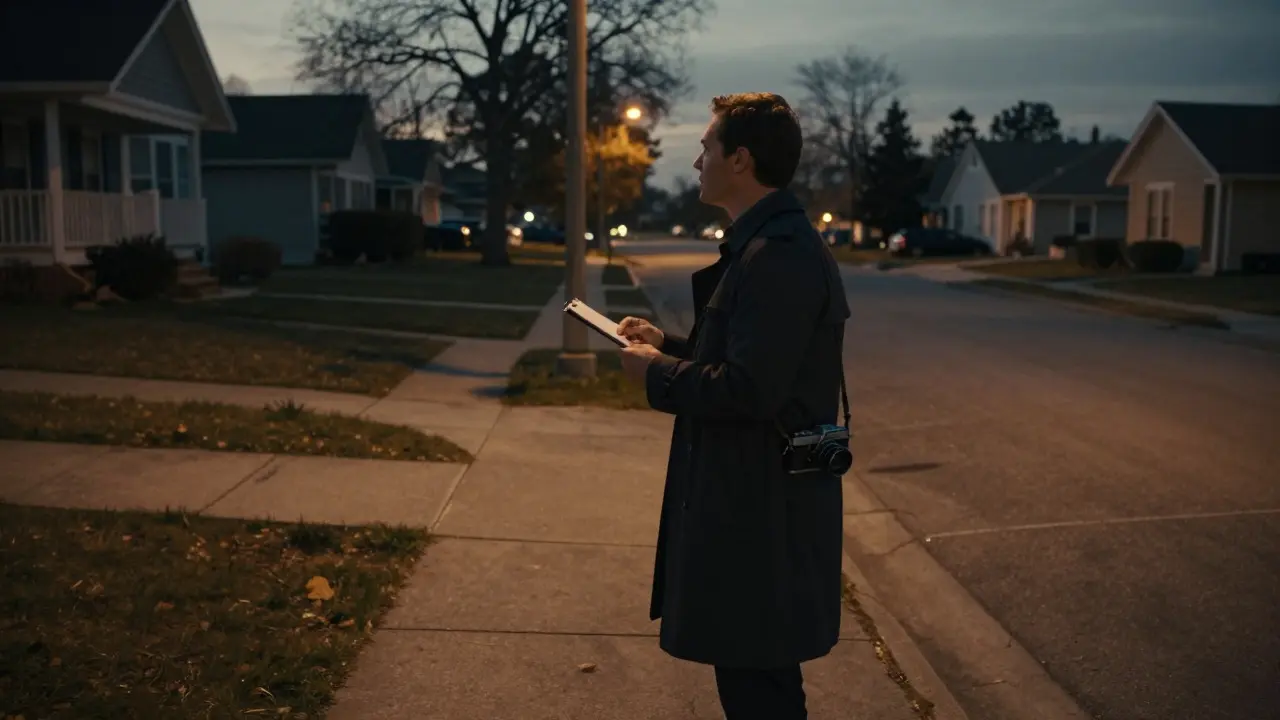
The Role of Private Investigators and Community Efforts
Police resources are stretched thin. A detective might handle dozens of active cases. This is where Private Investigator Licensed professional hired to conduct inquiries outside of law enforcement services become valuable. They work on retainer or hourly fees, meaning they are motivated by results, not budget constraints.
PIs can do things police sometimes can’t. They can stand in front of a suspect’s house for hours, check social media accounts more aggressively, and interview neighbors without the formality of a police badge. They also help with physical searches, such as checking remote areas or abandoned buildings that police might deprioritize.
However, don’t replace police work with PI work. Use them in tandem. The PI gathers leads; you feed those leads back to the detective. This creates a feedback loop that keeps the case active. Also, consider hiring a specialist if the person disappeared near water, wilderness, or urban decay zones. Search and rescue teams often have volunteers who specialize in these environments.
Media Strategy and Public Awareness
Going public is a double-edged sword. It can bring tips, but it can also lead to false hope or harassment. Before releasing photos, talk to the detective. Some cases involve domestic disputes or financial fraud, and early publicity can scare off witnesses or tip off suspects.
If you decide to go public, use consistent messaging. Create a single source of truth-a dedicated website or social media page. Post the same photo everywhere. Include the case number. Encourage people to call the police directly rather than emailing you, so all tips are logged officially.
| Channel | Pros | Cons | Best For |
|---|---|---|---|
| Local News Media | High visibility, credibility | Short lifespan, limited reach | Initial launch of search |
| Social Media | Viral potential, real-time updates | Information overload, misinformation | Ongoing community engagement |
| Flyers/Posters | Targeted geographic reach | Hard to update, low digital trace | Specific neighborhoods/parks |

Legal Hurdles: Probate and Asset Management
While searching, you also need to manage the practical side of life. If the missing person owned property, had debts, or supported dependents, you cannot just freeze everything indefinitely. After a certain period, usually five years in many states, you may need to petition the court to declare the person legally dead. This triggers probate, allowing you to settle debts, claim insurance, or distribute assets.
However, declaring someone dead is irreversible. If they return, the legal mess is significant. Many families wait until the fifth year, but some opt for a "presumption of death" earlier if circumstances suggest foul play. Consult with a Probate Attorney Legal professional specializing in estate administration after death who understands missing person cases. They can advise on interim measures, like getting power of attorney extended or managing bank accounts without full probate.
Don’t let financial stress distract from the search. Set up automatic payments for bills. Appoint a trusted friend or family member to handle day-to-day logistics. Your job is to find them; theirs is to keep the lights on.
Managing the Psychological Toll
The grief of a missing person is unique because it lacks closure. There is no funeral, no body, no final goodbye. This ambiguity causes a type of chronic stress that can erode your ability to think clearly. You might feel guilty if you rest, or angry if the police seem slow. Both reactions are normal.
Seek support from groups specifically for missing person families. Organizations like the National Center for Missing & Exploited Children (for minors) or local chapters of the National Missing and Unidentified Persons Association (NAMUS) offer peer support. Talking to others who understand the specific pain of "not knowing" is far more helpful than general counseling.
Set boundaries. Designate one family member as the primary liaison with police. Let others focus on different tasks, like managing finances or media. Burnout kills leads. If you are too exhausted to notice a new clue, you’ve lost the advantage of being the one who knows the person best.
Frequently Asked Questions
How long should I wait before filing a missing person report?
Do not wait. File immediately. While police may take 24-72 hours to enter an adult into NCIC, the clock starts ticking on the investigation the moment you report. Delays reduce the window for fresh leads.
Can I hire a private investigator while police are working the case?
Yes, and it is often recommended. Ensure the PI coordinates with the detective to avoid conflicting actions. PIs can cover ground that police lack resources to investigate thoroughly.
What happens to the missing person’s house and car?
You may need Power of Attorney to manage assets temporarily. If none exists, you may need to petition the court for temporary guardianship or conservatorship. Keep records of all expenses incurred during the search.
How do I stay organized with so many leads?
Use a spreadsheet or case management app. Log every tip, call, and observation with timestamps. Categorize leads by credibility and location. Review weekly to identify patterns.
Is it okay to take a break from the search?
Yes. Rest is part of the strategy. Burnout leads to missed details. Delegate tasks to trusted friends or family members. Even a few days away can provide the mental clarity needed to see new angles.