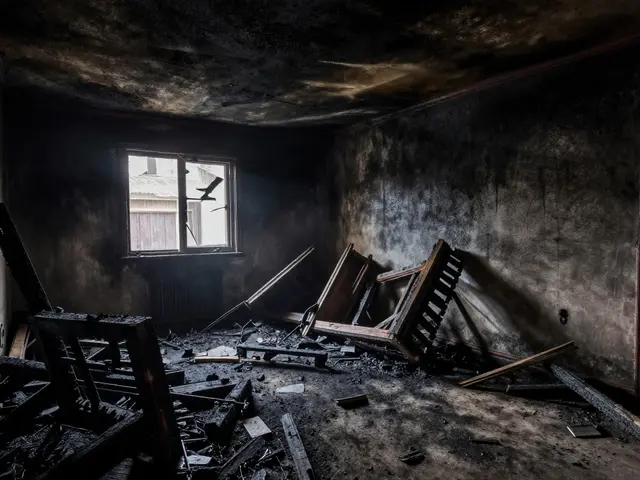
You’ve just encountered a blood spill in a public restroom or perhaps you’re dealing with a grim scene after an unattended death. The instinct is to grab the nearest bottle of bleach and scrub away. But here’s the hard truth: using the wrong chemical disinfectant can leave pathogens behind, damage surfaces, or even create toxic fumes that shut down your workspace. Choosing the right agent isn’t about picking the strongest smell; it’s about matching the chemistry to the contamination.
As someone who has spent years managing restoration projects in Portland’s damp climate, I’ve seen too many crews waste money on products that don’t work against specific threats like Clostridioides difficile spores or Hepatitis B. This guide cuts through the marketing jargon to help you pick the right tool for the job, ensuring safety and compliance without unnecessary risk.
Quick Summary / Key Takeaways
- Match the Kill: Not all disinfectants kill everything. Bleach kills spores; Quats often do not. Know your pathogen.
- Contact Time Matters: Surfaces must remain wet for the specified time (usually 1-10 minutes) for the chemical to work. Wiping dry immediately renders it useless.
- EPA Registration is Non-Negotiable: Only use products registered with the EPA for hospital-grade disinfection if dealing with bodily fluids.
- Compatibility Check: Some chemicals corrode stainless steel or degrade rubber seals. Always check material compatibility before application.
- Safety First: Mix nothing unless instructed. Never mix bleach with ammonia-based cleaners; this creates deadly chloramine gas.
Understanding the Threat: What Are You Actually Killing?
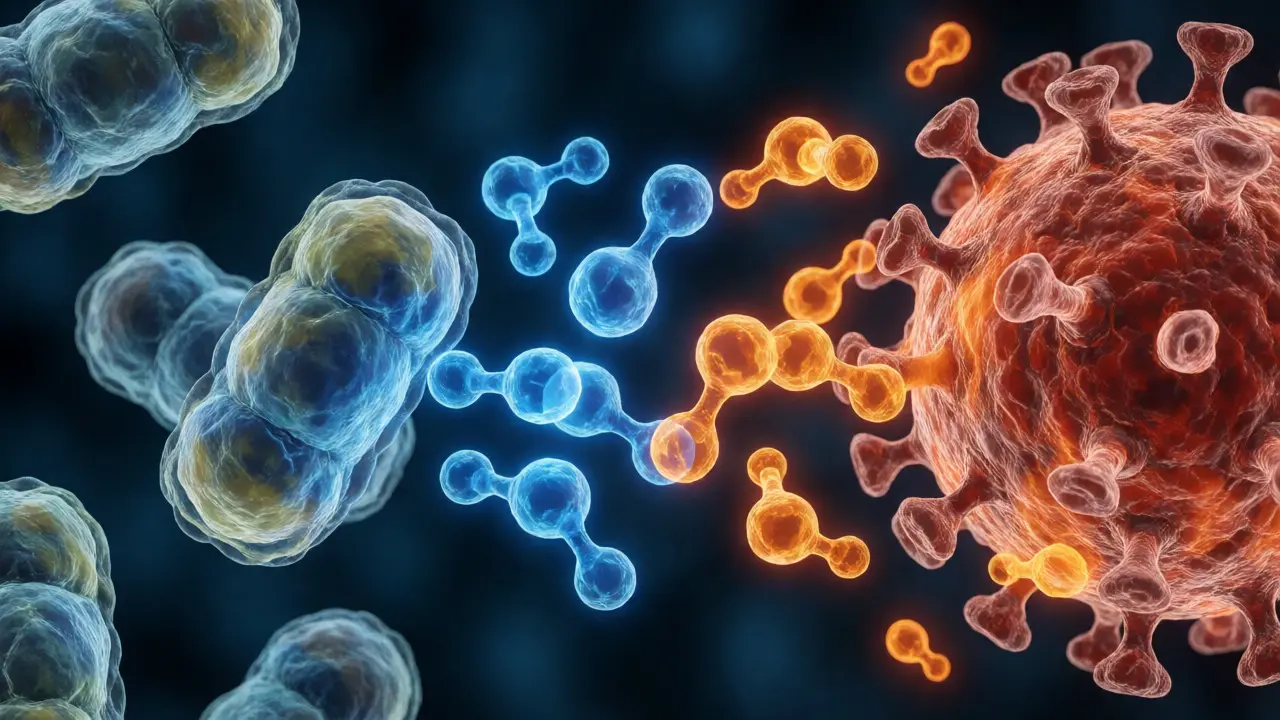
Before you open a cabinet, identify the biological hazard. Pathogens come in different forms, and their resistance levels vary wildly. A virus like Norovirus behaves differently than a bacterium like E. coli, which behaves differently than a fungal spore.
In biohazard cleanup, we generally categorize threats into three tiers:
- Bacteria and Viruses: Most common in household spills. Many standard disinfectants handle these well.
- Mycobacteria: These have waxy cell walls that resist weak disinfectants. You need intermediate-level agents.
- Bacterial Spores: Think Anthrax or C. diff. These are armored tanks. Only high-level disinfectants or sterilants can destroy them.
If you treat a spore-forming infection with a low-level disinfectant, you aren’t cleaning; you’re just moving bacteria around. This distinction drives every decision you make about product selection.
The Major Classes of Chemical Disinfectants
There are four main families of chemicals used in professional remediation. Each has its place, its strengths, and its critical weaknesses.
Hypochlorites (Bleach)
Sodium hypochlorite, commonly known as bleach, is the gold standard for broad-spectrum killing. It is inexpensive, widely available, and highly effective against bacteria, viruses, fungi, and bacterial spores when used correctly.
However, bleach is volatile. It degrades quickly when exposed to light and air. A bottle opened six months ago might be significantly weaker than the label suggests. Furthermore, bleach is corrosive. It pits stainless steel and discolors fabrics. In a home setting, dilution ratios are critical-typically 1:10 for general disinfection-but in a clinical or heavy biohazard context, higher concentrations may be required, demanding strict ventilation.
Quaternary Ammonium Compounds (Quats)
Quats are the most common disinfectants found in hospitals and homes. They are surfactants that disrupt cell membranes. Unlike bleach, they are non-corrosive and don’t stain. They smell pleasant (or neutral) and are safe for most plastics and metals.
The catch? Quats are generally not sporicidal. If you are cleaning up a spill involving fecal matter where C. diff is a concern, Quats will fail. They also suffer from "organic load" issues-if the surface is covered in dirt or blood, the quat binds to the organic matter instead of the microbes. You must clean first, then disinfect.
Alcohols (Ethanol and Isopropanol)
Alcohols are great for quick kills on small, non-porous surfaces like thermometers or door handles. They evaporate fast, which means short contact times. However, they are flammable and ineffective against spores and some non-enveloped viruses (like Norovirus). Use them for spot treatments, not large area coverage.
Peroxygen-Based Agents
Hydrogen peroxide and peracetic acid are gaining traction because they break down into water and oxygen, leaving no toxic residue. They are excellent for sensitive equipment and areas where bleach corrosion is a problem. Peracetic acid, in particular, is potent against spores but requires careful handling due to its acidity and strong odor.
Comparison Table: Choosing Your Weapon
| Disinfectant Class | Effective Against | Contact Time | Material Compatibility | Best For |
|---|---|---|---|---|
| Hypochlorites | Bacteria, Viruses, Fungi, Spores | 1-5 mins | Corrosive to metals; stains fabrics | Gross contamination, mold, spore-formers |
| Quats | Bacteria, Enveloped Viruses | 3-10 mins | Safe for most surfaces | Routine cleaning, low-risk spills |
| Alcohols | Bacteria, Enveloped Viruses | 30 sec-1 min | Dries out rubber/plastic over time | Small tools, electronics, spot checks |
| Peroxygens | Bacteria, Viruses, Spores | 1-10 mins | Generally safe, check manufacturer | Medical devices, food prep areas |
The Critical Role of Contact Time
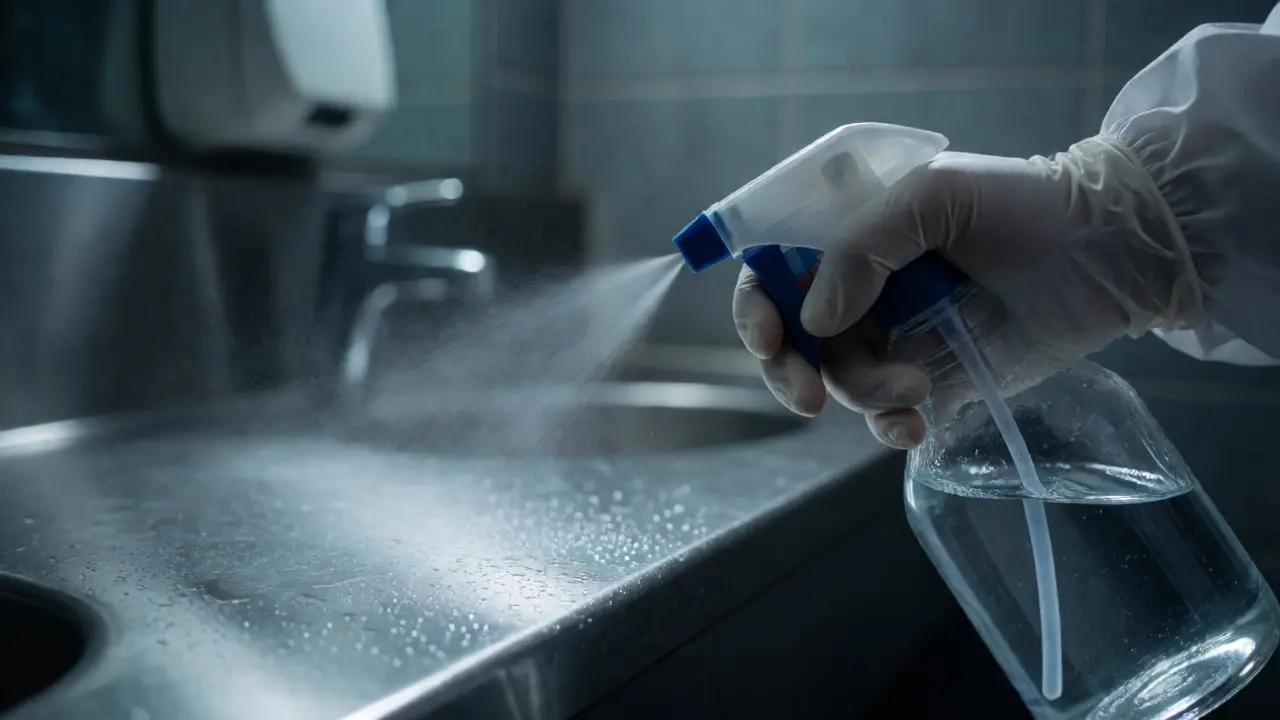
This is the number one mistake I see in fieldwork. People spray a surface, wipe it immediately, and assume it’s disinfected. That’s wrong. Contact time (or dwell time) is the duration the surface must remain visibly wet for the chemical to penetrate the microbe’s cell wall.
If a label says "Keep surface wet for 5 minutes," you cannot wipe it dry at minute two. The chemical hasn’t finished working. In humid environments like Portland, evaporation happens slower, which helps. In dry, heated rooms, you might need to re-apply the solution to maintain wetness. Treat the surface like you’re applying paint-you want full coverage maintained for the specified duration.
Navigating Regulations and Labels
You cannot guess your way through this. In the United States, the Environmental Protection Agency (EPA) regulates antimicrobial pesticides. Look for the EPA Registration Number on the label. If a product claims to be a "disinfectant," it must prove efficacy against specific organisms under standardized tests.
Read the label like a legal contract. It tells you:
- Target Organisms: Does it list HIV-1, HBV, HCV, MRSA, or C. diff?
- Dilution Ratios: Using it too weak fails; too strong damages property.
- Pre-cleaning Requirements: Most disinfectants require visible soil removal first.
Ignoring the label voids the guarantee. If you use a quat labeled for "household germs" on a bloodborne pathogen spill without verifying its hospital-grade status, you are operating outside regulatory best practices.
Safety Protocols for Handling Chemicals
Chemical disinfectants are pesticides. They are toxic by design. When selecting an agent, consider the exposure risks to your team and occupants.
Ventilation: Always ensure adequate airflow. Bleach fumes irritate lungs; peracetic acid smells pungent. Open windows, run fans, or use negative air machines if indoors.
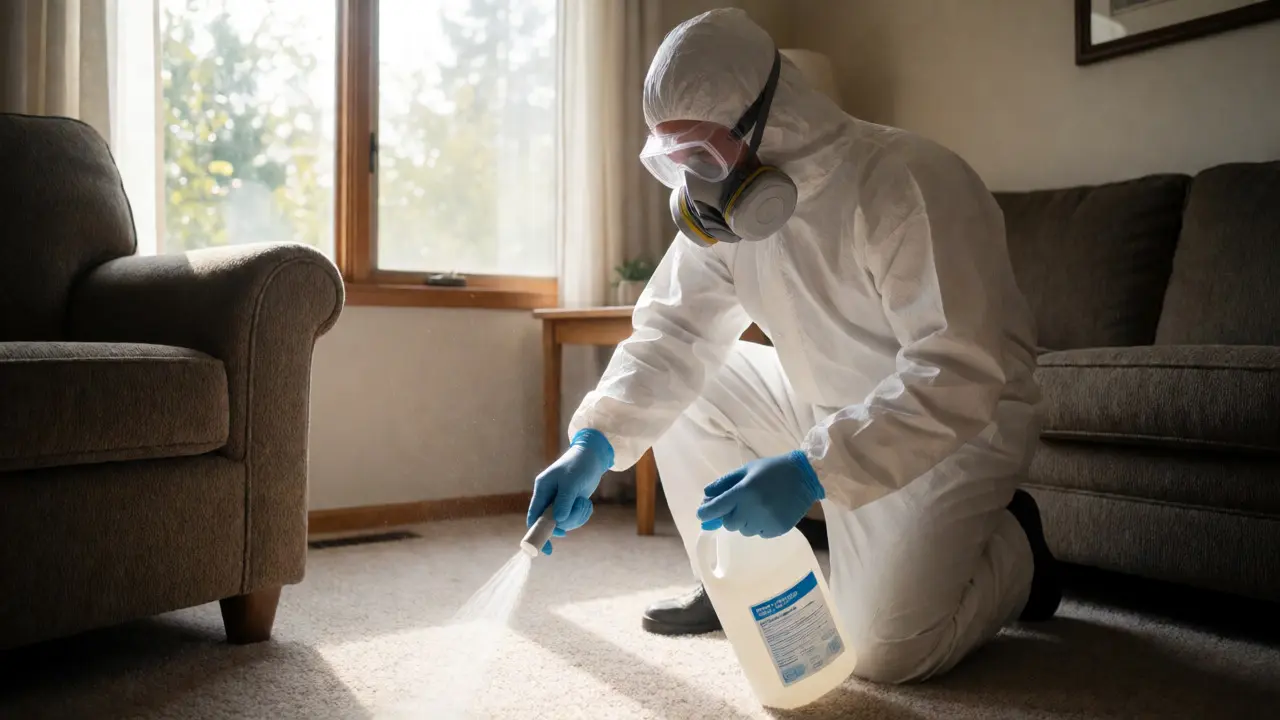
PPE: Gloves are mandatory. Nitrile gloves offer better chemical resistance than latex for many solvents. Eye protection is crucial when spraying overhead or mixing concentrates.
Storage: Keep chemicals in original containers. Never transfer bleach to an unlabeled spray bottle if it’s been sitting for weeks-it loses potency. Store incompatible chemicals separately. Keep acids away from bases, and keep oxidizers (bleach) away from organics.
Practical Decision Tree for Selection
Still unsure? Follow this simple logic flow:
- Is there visible debris (blood, vomit, feces)?
- Yes: Remove debris mechanically first. Do not disinfect over poop/blood.
- No: Proceed to step 2.
- What is the suspected pathogen?
- Unknown/Gross Contamination: Use EPA-registered Hospital Grade Disinfectant (often bleach or phenolic).
- C. diff/Spores: Use Bleach (1:10 dilution) or Peroxide-based sporicidal agent.
- General Household Germs: Quat or Alcohol is sufficient.
- What is the surface material?
- Stainless Steel/Metal: Avoid bleach if possible; use Quat or Peroxide to prevent pitting.
- Fabric/Upholstery: Test for colorfastness. Use enzymatic cleaner followed by mild disinfectant.
- Hard Non-Porous: Any EPA-registered disinfectant works.
Common Pitfalls to Avoid
Even experienced technicians slip up. Here are the big ones:
Mixing Bleach and Ammonia: This creates chloramine gas, which can cause severe respiratory distress or death. Many glass cleaners contain ammonia. Never use them together in the same room simultaneously without rinsing thoroughly.
Assuming "Natural" Means Safe: Vinegar is a cleaner, not a disinfectant. Tea tree oil smells nice but doesn’t reliably kill Hepatitis B. Stick to EPA-registered products for biohazards.
Overlooking Porous Materials: Carpet and drywall absorb liquids. Surface disinfection won’t reach deep contaminants. Often, porous materials exposed to gross biohazards must be removed and discarded rather than cleaned.
Frequently Asked Questions
Can I use regular household cleaner as a disinfectant?
No. Cleaners remove dirt and dust but do not necessarily kill pathogens. Disinfectants are formulated to kill microorganisms. Always clean first, then disinfect with an EPA-registered product.
How long does bleach stay effective after mixing?
Diluted bleach solutions lose potency rapidly. Ideally, mix fresh daily. If stored in a dark, cool container, it may last up to a week, but effectiveness drops significantly after 24 hours. Always label the date and concentration.
Do I need to rinse surfaces after disinfecting?
It depends on the product and the surface. For food-contact surfaces, rinsing with potable water is usually required after the contact time expires. For other surfaces, allow to air dry unless the label specifies rinsing to prevent residue buildup.
Which disinfectant kills C. diff spores?
Standard quaternary ammonium compounds do not kill C. diff spores. You must use sodium hypochlorite (bleach) at appropriate concentrations or an EPA-registered sporicidal agent containing hydrogen peroxide or peracetic acid.
Is vinegar a good disinfectant for biohazards?
No. White vinegar is acidic and can help remove mineral deposits and some odors, but it is not a registered disinfectant for killing bloodborne pathogens or resistant bacteria. It should not be relied upon for biohazard cleanup.
Next Steps for Effective Cleanup
Selecting the right chemical is only half the battle. Once you’ve chosen your agent, ensure you have the proper PPE, verify the EPA registration number, and calculate the necessary volume based on the square footage of the affected area. Remember, patience pays off-respect the contact time, and you’ll turn a hazardous situation into a safe, sanitized space.