Imagine you spend three weeks analyzing a blood sample from a crime scene. You run every test, document every result, and prepare your report. Then, during cross-examination, the defense attorney asks one simple question: "Who else had access to this sample before it reached your lab?" If you can't answer with absolute certainty, your entire analysis might as well be worthless. This is where access controls become the unsung heroes of chain of custody. It’s not just about locking doors; it’s about proving that no unauthorized person touched, swapped, or contaminated your evidence between collection and presentation.
Why Access Controls Are Non-Negotiable
In digital security, we talk about "least privilege"-giving users only the access they need to do their job. In forensics, this principle saves cases. When evidence moves from a crime scene to a storage locker, then to a lab bench, and finally to court, every handoff is a potential point of failure. Without strict limits on who handles evidence, you risk two major disasters: contamination and tampering claims.
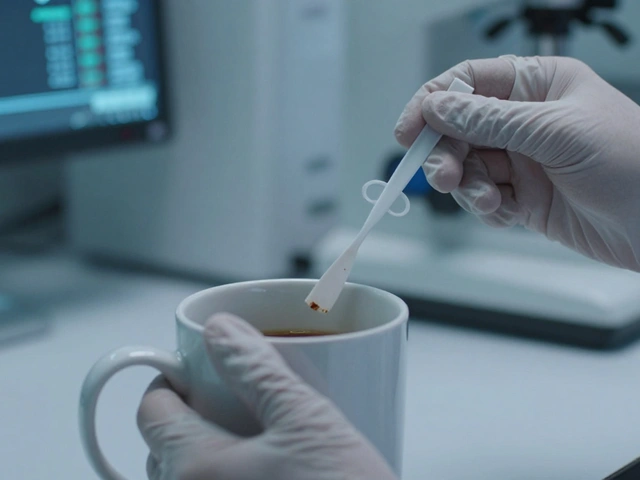
Contamination happens when biological material (like DNA) gets mixed up because too many people handled a swab without proper gloves or changeovers. Tampering claims happen when the chain breaks, and the defense argues someone could have planted or altered the evidence. The National Institute of Standards and Technology (NIST) guidelines for forensic science emphasize that documented access logs are critical for validating results. If you can’t prove who held the evidence at 2:14 PM on Tuesday, you can’t prove the result wasn’t influenced by external factors.
The Three Layers of Physical Access Control
You don’t just slap a padlock on a cabinet and call it a day. Effective access control operates on three distinct layers. Think of them as concentric circles of security, each tightening around the most sensitive items.
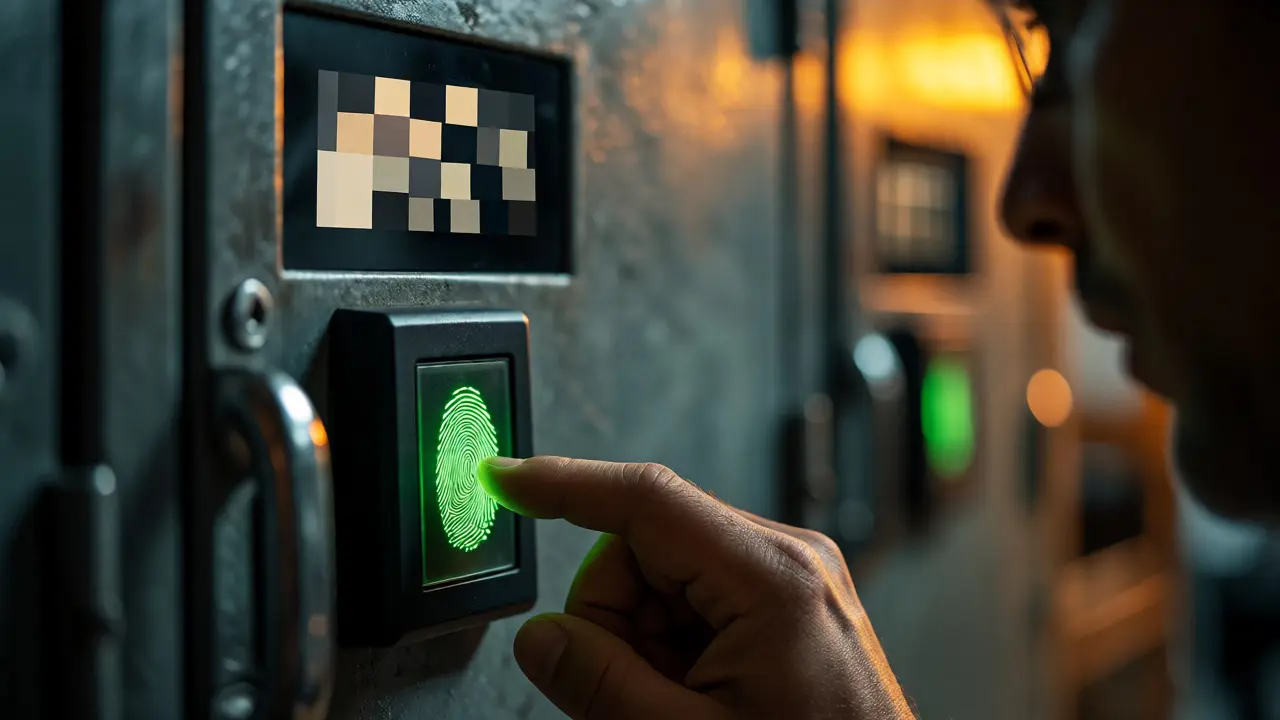
- Zone Security: This is the broadest layer. It restricts entry to specific rooms or buildings. For example, only certified technicians should enter the DNA extraction room. Visitors, police officers, and administrative staff stay out. Keycard systems or biometric scanners track who enters these zones and when.
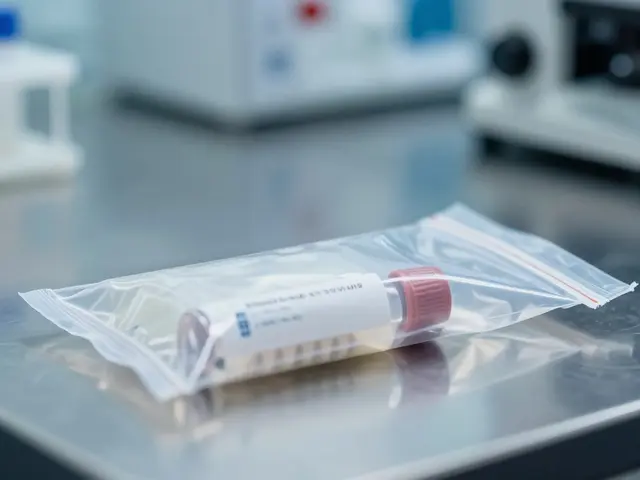
- Cabinet and Locker Security: Inside secure zones, evidence lives in locked cabinets. Here, individual keyholders matter. If ten people have keys to the same locker, you lose granularity. Best practice dictates unique codes or RFID tags for each user, so you know exactly who opened which drawer.
- Item-Level Tracking: The tightest layer. High-value items (like murder weapons or primary DNA samples) often get individual barcodes or RFID chips. Every time an item leaves its designated slot, the system logs the user ID, timestamp, and purpose. This creates an immutable audit trail.
Digital vs. Physical: Bridging the Gap
Modern labs rarely rely on paper logbooks alone. Digital evidence management systems (EMS) integrate physical access with data tracking. But here’s where things get tricky: syncing real-world actions with digital records. If a technician grabs a vial but forgets to scan it out of the system, your digital record lies. This discrepancy is called a "ghost entry," and it’s a nightmare for auditors.
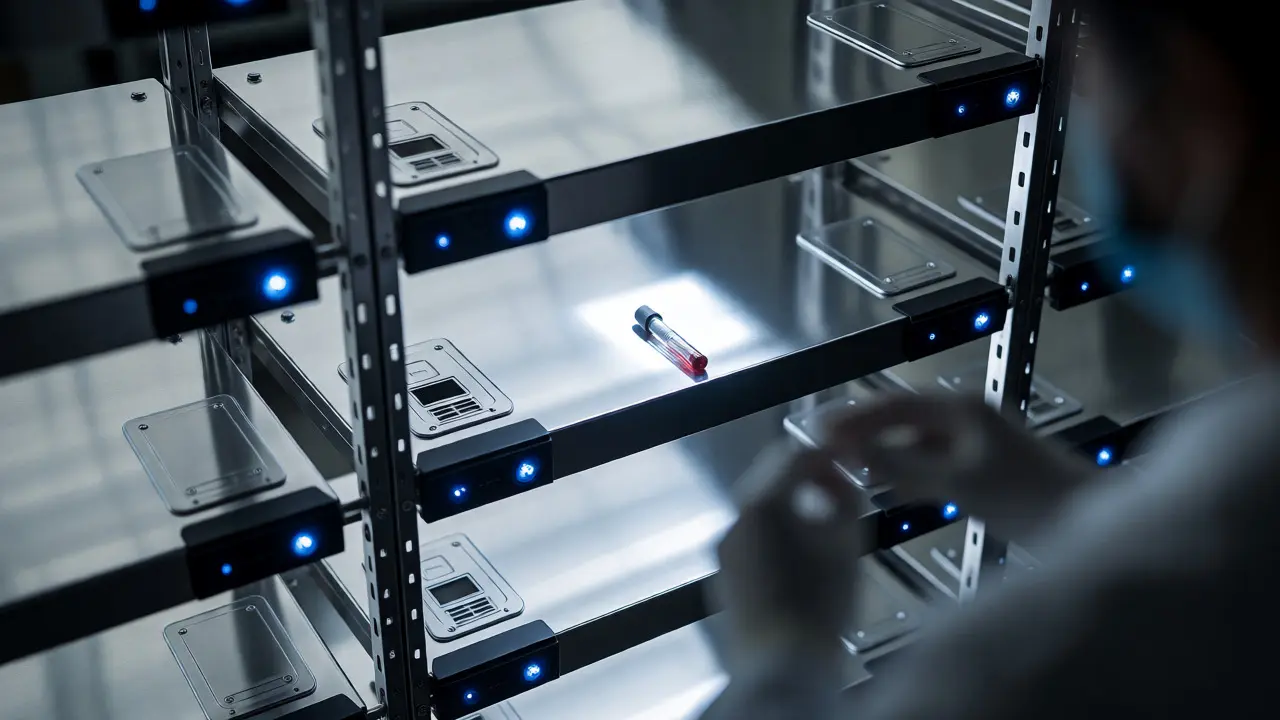
To fix this, leading labs use automated shelving units. These smart shelves detect when an item is removed via weight sensors or RFID readers. No manual scanning required. The system automatically updates the database, reducing human error. According to a 2024 study by the American Academy of Forensic Sciences, labs using automated tracking reduced logging errors by 40% compared to those using manual barcode scans.
| Method | Security Level | Error Risk | Cost Implication | Best For |
|---|---|---|---|---|
| Paper Logbook | Low | High (illegible handwriting, skipped entries) | Very Low | Small agencies, low-volume evidence |
| Manual Barcode Scan | Medium | Medium (forgotten scans, duplicate scans) | Low | Mid-sized labs, general evidence |
| RFID Smart Shelves | High | Low (automated detection) | High (hardware investment) | High-value items, DNA, firearms |
| Biometric Lockers | Very High | Very Low (unique user ID) | Medium-High | Restricted zones, controlled substances |
Implementing Role-Based Access Policies
Not everyone needs access to everything. A role-based access control (RBAC) model ensures that personnel interact with evidence only within their scope. Let’s break down common roles and their permissions:
- Evidence Technicians: Can check in new items, store them in assigned locations, and retrieve items for authorized analysts. They cannot alter metadata or delete records.
- Forensic Analysts: Can retrieve specific items for testing, update status (e.g., "Under Analysis"), and return items after completion. They usually cannot access raw intake logs or reassign storage locations.
- Laboratory Managers: Have oversight capabilities. They can view all logs, approve exceptions (like emergency retrievals), and manage user accounts. They typically do not handle physical evidence directly unless auditing.
- Auditors/Legal Staff: Read-only access. They can generate reports and view history but cannot modify any data or physically remove items without supervision.
This segregation prevents conflicts of interest. If the person collecting evidence also approves their own storage location changes, mistakes go unnoticed. Separation of duties is a core tenet of ISO/IEC 17025 standards for laboratory competence.
Common Pitfalls That Break the Chain
Even with great technology, human behavior ruins chains of custody. Here are the top three failures I’ve seen in Portland-area labs and nationwide:
1. The "Just Grabbing It" Mentality: A detective rushes into the lab, grabs a bagged knife, and walks out to show a suspect. He didn’t sign out the item. The log shows it was still in the locker. Now you have a gap. Solution: Enforce a hard stop. No item leaves the zone without a digital signature.
2. Shared Credentials: Two techs share a login for the EMS software because one forgot their password. Now, if an error occurs, you don’t know who made it. Solution: Individual accounts with strong authentication. No exceptions, even for temporary staff.
3. Unlogged Transfers Between Sub-Labs: Evidence moves from the toxicology wing to the biology wing. If both wings use separate databases, the transfer might not sync. Solution: Use a single integrated EMS platform across the entire facility, or ensure interoperability standards (like HL7) are strictly followed.
Audit Trails: Your Legal Shield
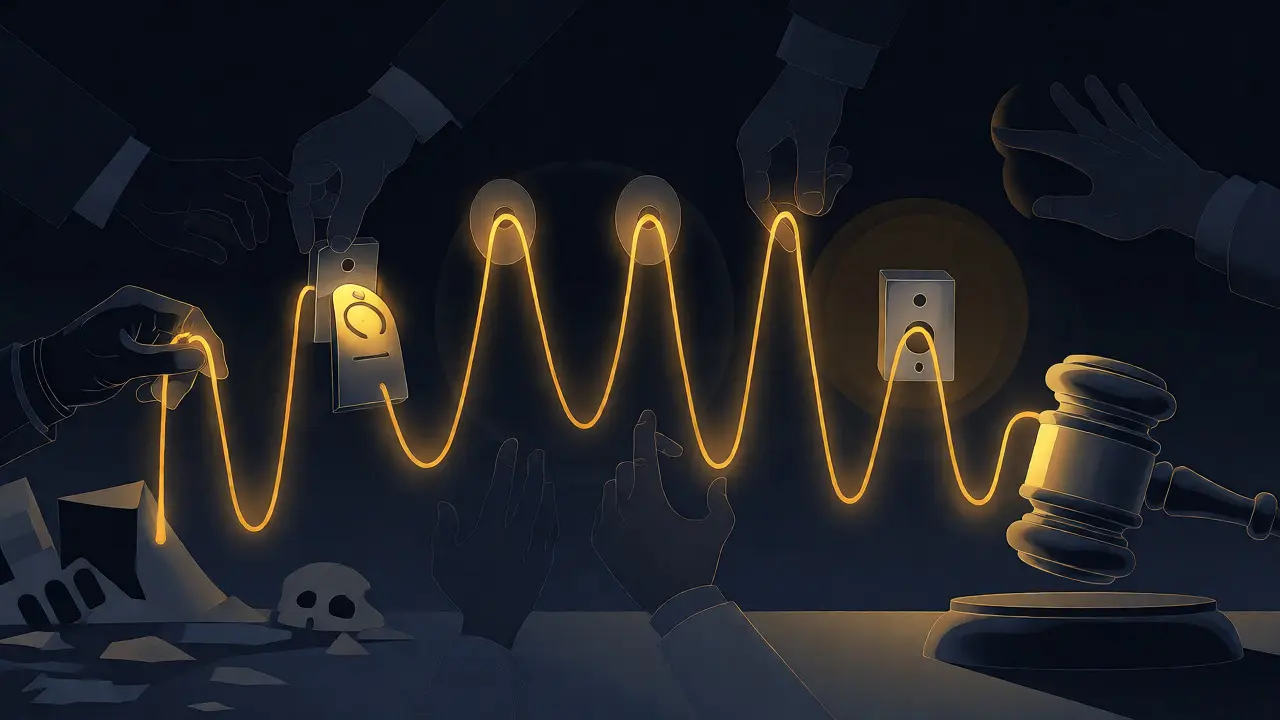
An audit trail isn’t just a list of names. It’s a chronological narrative. Each entry must include:
- User ID (who)
- Timestamp (when, down to the second)
- Action taken (check-in, check-out, view, modify)
- Location (storage bin, bench, transport vehicle)
- Reason (routine analysis, court exhibit prep, quality control check)
When preparing for trial, you can export this trail as a PDF or CSV. Judges trust digital trails more than handwritten notes because they’re harder to falsify retroactively. However, ensure your system prevents editing past entries. Once a log is written, it should be immutable. Corrections should appear as new entries referencing the original, never overwriting it.
Troubleshooting Access Issues
If you’re facing pushback from staff resisting strict controls, address their concerns head-on. Often, resistance comes from perceived inefficiency. Show them how good access control actually speeds up retrieval. When you know exactly where an item is and who last touched it, you waste less time hunting for lost bags or clarifying discrepancies.
For smaller departments struggling with budget constraints, start small. Implement a dual-signature policy for high-risk items first. Use color-coded bins for different case statuses. Train staff on why the rules exist-not just what they are. Understanding the legal stakes motivates compliance better than fear of punishment.
What happens if an unauthorized person touches evidence?
If an unauthorized person touches evidence, it doesn’t automatically invalidate the case, but it weakens it. You must document the incident immediately, note who touched it, and assess potential contamination. In some jurisdictions, significant breaches may lead to suppression of evidence, meaning it can’t be used in court. Prevention through strict access controls is always better than remediation.
Do digital photos count as part of the chain of custody?
Yes, digital images are considered derivative evidence. Their integrity depends on the chain of custody of the source file. Ensure that photo files are stored in secure servers with access logs. Metadata (EXIF data) helps verify when and where the photo was taken, adding another layer of authenticity.
How long should access logs be retained?
Retention policies vary by jurisdiction and case type. Generally, logs should be kept as long as the evidence itself, plus the statute of limitations for appeals. For homicide cases, this could mean decades. Always consult local laws and departmental SOPs, but erring on the side of longer retention is safer legally.
Can external consultants access evidence?
Yes, but under strict supervision. External experts (like private DNA analysts) should never have unmonitored access. They typically work in supervised areas or receive copies of evidence rather than originals. All interactions must be logged with their name, organization, and purpose to maintain chain integrity.
Is biometric access worth the cost for small labs?
For very small labs, biometrics might be overkill initially. Start with unique PINs or keycards. As volume grows, consider biometrics for high-security zones like drug vaults or DNA freezers. The cost pays off when it prevents even one major tampering claim that could dismiss a felony case.