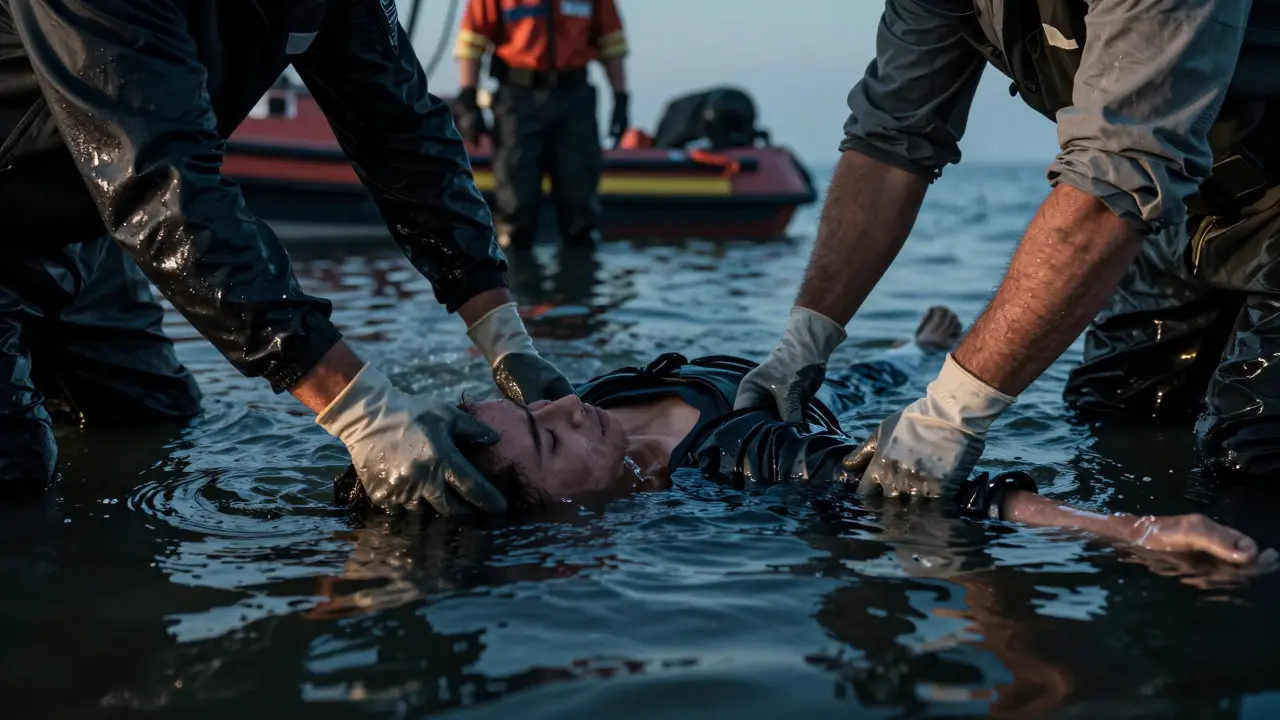
When a body is pulled from the water, the first question on everyone's mind is usually simple: did they drown? But in forensic pathology is the medical science that investigates cause and manner of death through post-mortem examination, the answer is rarely that straightforward. Drowning is often a diagnosis of exclusion, meaning we rule out other causes like heart attacks or seizures before confirming it. The two main tools we rely on are looking at the lungs for specific changes and searching for tiny algae called diatoms.
Here’s the reality: not every drowning victim has diatoms in their lungs, and not every person with lung fluid drowned. To get this right, you need to understand what actually happens to the body when airway obstruction occurs underwater, how to interpret those microscopic clues, and why context matters just as much as the lab results.
The Physiological Reality of Drowning
Drowning isn't just about water entering the lungs; it's about the body failing to oxygenate the blood. This process involves several stages that leave distinct marks on the tissue. When a person inhales water, the liquid blocks the alveoli-the tiny air sacs where gas exchange happens. This prevents oxygen from getting into the bloodstream and stops carbon dioxide from escaping. The result is hypoxia, which leads to cardiac arrest if not reversed quickly.
There are two primary types of drowning based on the temperature of the water and the state of the victim:
- Typical Drowning (Wet Drowning): Most common in warm water. The victim inhales a significant amount of water into the lungs. The lungs become heavy, wet, and expanded.
- Atypical Drowning (Dry Drowning): Occurs when laryngospasm (spasming of the vocal cords) prevents water from entering the lungs. The victim suffocates due to airway blockage. This is more common in cold water shocks.
Understanding this distinction is crucial because "dry" drowning cases present a different set of challenges for the pathologist. In dry drowning, you won't find massive amounts of water in the lungs, making the diagnosis harder without corroborating evidence like diatoms or scene investigation.
Pulmonary Findings: What the Lungs Tell Us
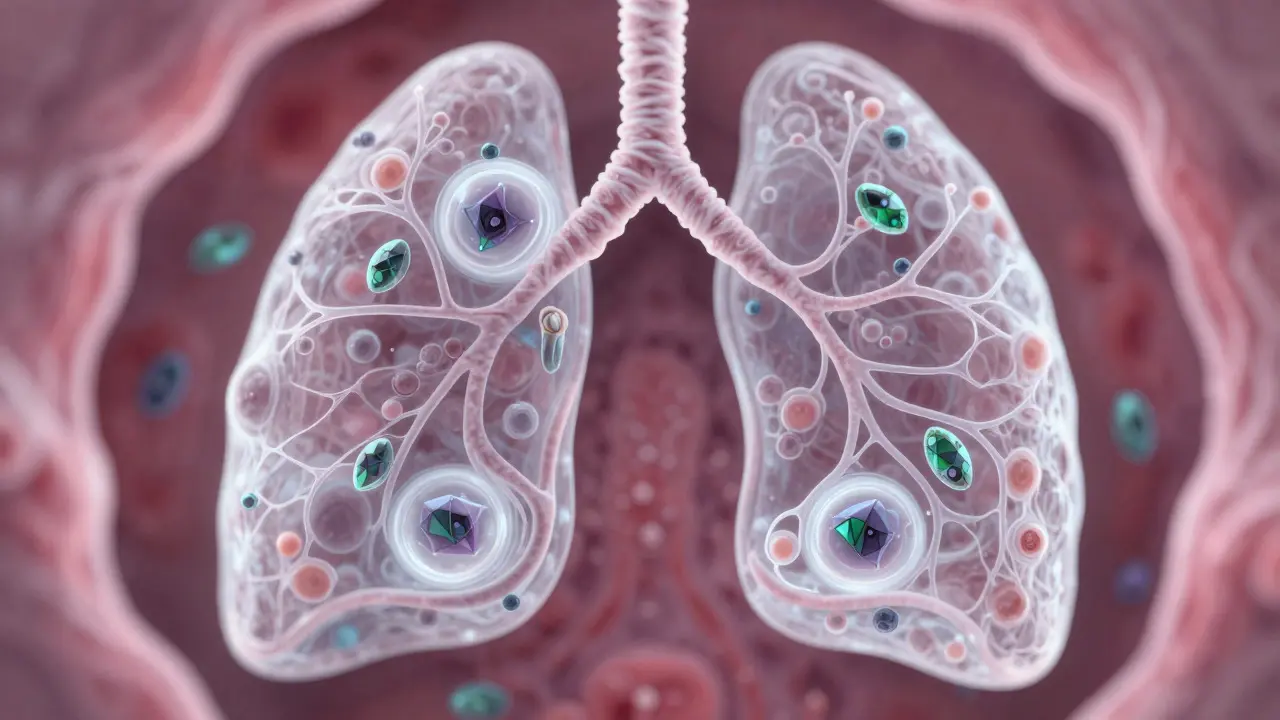
The lungs are the primary site of injury in typical drowning. When you open the chest cavity during an autopsy, the visual appearance of the lungs provides immediate clues. In a classic drowning case, the lungs appear pale, edematous (swollen with fluid), and expanded. They may overflow from the thoracic cavity due to their increased volume. When cut, they exude frothy, pinkish fluid-a mixture of air, blood, and mucus.
Microscopically, pathologists look for specific patterns:
- Alveolar Edema: Fluid fills the air sacs. This is non-specific; it can happen in pneumonia or heart failure too.
- Hyaline Membranes: Protein-rich layers lining the alveoli. These indicate acute respiratory distress syndrome (ARDS), which is a hallmark of severe drowning but also seen in other lung injuries.
- Macrophages with Lipid Droplets: If the victim survived long enough after re-breathing, macrophages might ingest lipid material from the surfactant breakdown.
However, these findings are notoriously non-specific. A person who died of congestive heart failure might have similar pulmonary edema. That’s why we never diagnose drowning based on gross lung appearance alone. We need the full picture, including the history and additional tests.
Diatom Testing: The Microscopic Evidence
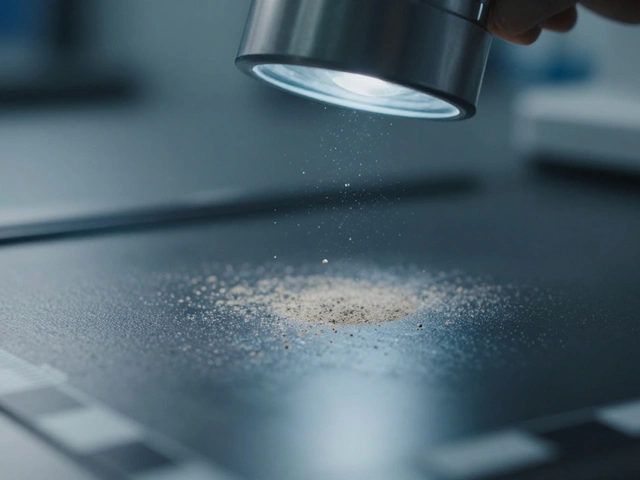
This is where it gets technical. Diatoms are single-celled algae with silica shells found in almost all bodies of water. They are incredibly durable and resistant to decomposition. The theory behind diatom testing is simple: if a person inhales water while alive, diatoms enter the lungs, pass through the capillaries, and end up in distant organs like the liver, spleen, kidneys, and bone marrow.
If diatoms are found in the bone marrow, it strongly suggests the person was alive when they entered the water. Dead people don’t breathe, so diatoms shouldn’t travel systemically unless there was life activity. However, contamination is a huge risk. Diatoms are everywhere-in soil, on skin, in the environment. If the body was buried near water or handled carelessly, diatoms can contaminate the sample.
| Method | Sensitivity | Specificity | Key Limitation |
|---|---|---|---|
| Gross Lung Exam | Low | Very Low | Non-specific; overlaps with heart failure/pneumonia |
| Lung Diatom Test | Moderate | Moderate | Contamination risk; negative in dry drowning |
| Bone Marrow Diatom Test | High | High | Requires skilled extraction; rare false positives |
| Electrolyte Analysis | Low | Low | Only useful if fresh water vs. salt water is clear |
Modern protocols favor extracting diatoms from the bone marrow (specifically the sternum or iliac crest) rather than just the lungs. Why? Because finding them in the lungs could mean post-mortem contamination. Finding them in the bone marrow implies they traveled through the bloodstream, which requires circulation. While not 100% proof of life, it significantly raises the probability that the individual was breathing underwater.
Interpreting the Results: Pitfalls and Context
Even with positive diatom tests, you must consider the scene. Was the body in the water for hours? Days? Decomposition releases fluids that can carry diatoms into tissues. Post-mortem submersion can mimic antemortem drowning. Conversely, a quick rescue might leave few diatoms despite confirmed drowning.
Pathologists use a scoring system to evaluate diatom counts. Generally:
- Negative: No diatoms found in bone marrow.
- Weak Positive: Fewer than 5 diatoms per gram of tissue.
- Strong Positive: More than 5 diatoms per gram of tissue.
A strong positive in multiple organs (liver, kidney, bone marrow) is considered highly supportive of drowning. A weak positive requires careful correlation with other findings. Always remember: diatom testing supports the diagnosis; it doesn't stand alone.

Other Supporting Evidence
Beyond lungs and diatoms, what else helps?
- Electrolyte Imbalance: In fresh water drowning, hemolysis (rupture of red blood cells) occurs, leading to hyperkalemia (high potassium). In salt water drowning, dehydration of plasma occurs. Checking serum electrolytes can provide clues, though it's less reliable in decomposed bodies.
- Fingernail Debris: Sometimes, victims claw at the bottom of pools or rivers. Sand, mud, or aquatic plants under the fingernails suggest struggle and life activity.
- Scene Investigation: Witness statements, alcohol levels, and signs of seizure or drug use help rule out secondary causes. For example, if someone had a seizure and fell in the pool, the primary cause of death might be epilepsy, not drowning itself.
The integration of all these factors-pathology, toxicology, scene data, and witness accounts-is what allows a medical examiner to determine the cause of death with confidence.
Practical Steps for Investigators
If you're involved in investigating a potential drowning, here’s how to preserve evidence properly:
- Document the Scene: Note the depth of water, temperature, and any hazards. Take photos of the body’s position.
- Collect Samples Early: Before the body is moved or washed, collect swabs from the nails and skin. If possible, take a small piece of bone (sternum) for diatom analysis before embalming.
- Preserve Lungs: Fix one lobe of the lung in formalin for histology and keep another frozen for potential biochemical tests.
- Check for Contamination: Record the time the body was recovered and how it was stored. Cold storage slows decomposition and reduces diatom migration risks.
Proper handling ensures that when the pathologist examines the case, the data is clean and interpretable.
Can you diagnose drowning without diatoms?
Yes. Drowning is often diagnosed clinically and pathologically without diatoms. If the scene clearly indicates submersion and there are no other causes of death (like trauma or disease), the diagnosis can be made based on circumstantial evidence and lung findings. Diatoms are supportive, not mandatory.
What is the difference between wet and dry drowning?
Wet drowning involves water entering the lungs, causing fluid overload and gas exchange issues. Dry drowning involves laryngospasm blocking the airway, preventing water entry. Dry drowning is more common in cold water and makes diagnosis harder because lungs may appear normal.
How accurate is diatom testing?
Diatom testing is moderately sensitive but highly specific when performed correctly on bone marrow. False negatives occur in dry drowning or rapid deaths. False positives are rare but possible due to contamination. It should always be interpreted alongside other evidence.
Do diatoms prove the person was alive in the water?
Not definitively, but strongly suggestive. Since diatoms must travel through the bloodstream to reach bone marrow, their presence implies circulation was active. However, extreme decomposition can sometimes move particles post-mortem, so context is key.
What other tests support a drowning diagnosis?
Electrolyte analysis (potassium levels), examination of fingernails for debris, toxicology screens for drugs/alcohol, and detailed scene investigation all contribute to a comprehensive diagnosis.