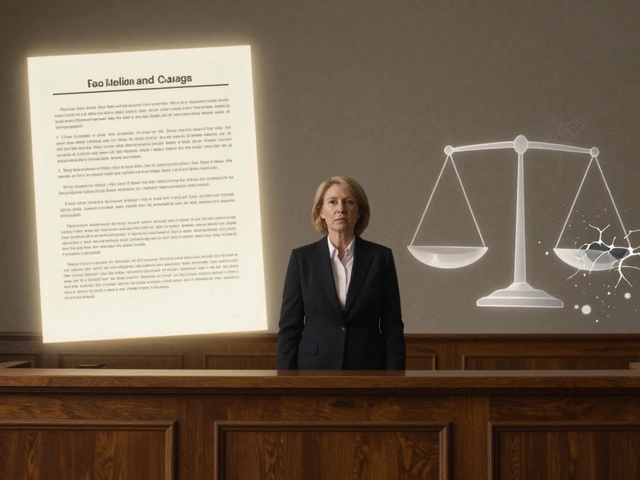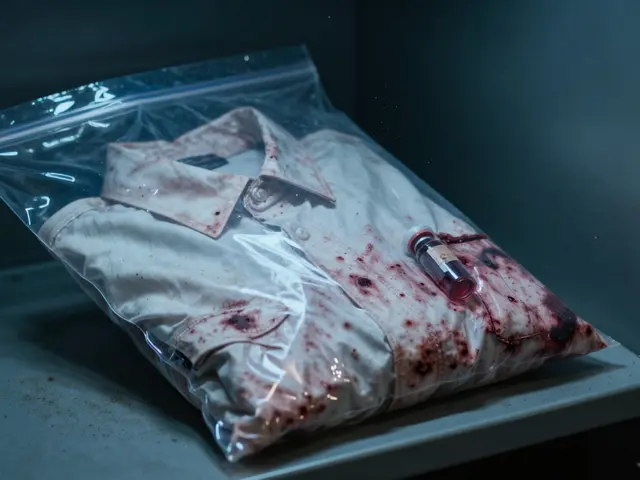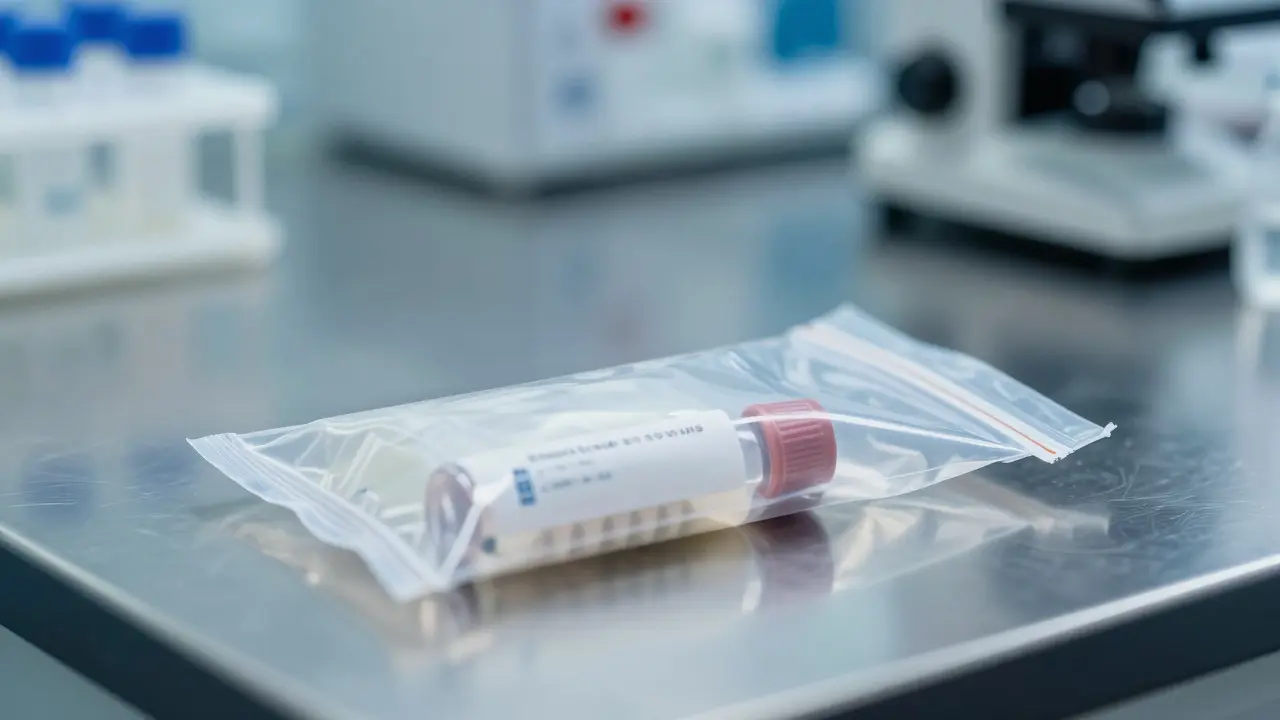
Imagine a jury hearing that the DNA sample used to convict a defendant was left unattended in a hallway for four hours. That single gap can unravel years of investigative work. Chain of Custody is the documented process that tracks the seizure, transfer, storage, and analysis of physical evidence from the crime scene to the courtroom. When this record has holes, it doesn't just annoy lawyers; it threatens the admissibility of the entire case. In 2024, a review of federal appeals found that roughly 15% of overturned convictions involved some form of evidence handling error, not necessarily fraud, but sloppy paperwork or missed signatures.
Why Gaps Matter More Than You Think
You might assume that if the evidence is physically intact, the case is safe. But in court, the judge cares about continuity, not just condition. If you can’t prove who had the bag between 2 PM and 4 PM, the defense argues someone could have tampered with it. This isn't theoretical. It’s the difference between a guilty verdict and a mistrial. The core problem isn't always theft or destruction; it's usually administrative fatigue. Officers are busy, labs are backlogged, and clerks make mistakes. These small slips accumulate into major discrepancies that require immediate, structured resolution.
Identifying the Type of Discrepancy
Before you fix anything, you need to know what broke. Not all errors are equal. Categorizing the issue helps determine how urgent the response needs to be. Most discrepancies fall into three buckets: documentation errors, physical security breaches, and analytical inconsistencies.
- Documentation Errors: Missing signatures, wrong dates, or mismatched barcodes. These are the most common and often the easiest to fix if caught early.
- Physical Security Breaches: Evidence left unlocked, temperature controls failing in a fridge, or bags torn open. These raise red flags about contamination.
- Analytical Inconsistencies: The lab report says 50ml of blood, but the intake log says 45ml. This suggests a measurement error or a sample swap.
Start by pulling the complete paper trail. Compare the initial police report, the transport logs, the lab intake sheet, and the final analyst notes. Look for where the story stops making sense. A missing signature on Tuesday might explain why the sample degraded by Friday.
The Step-by-Step Investigation Protocol
Once you spot the gap, don't panic. Panic leads to more mistakes. Follow a rigid protocol to preserve whatever credibility remains. Here is the workflow that works in high-stakes environments:
- Freeze the Chain: Stop moving the evidence. Keep it exactly where it is until the discrepancy is logged. Moving it now adds another unknown variable.
- Assemble the Team: Get the investigator, the custodian (whoever held the item last), and the lab supervisor in one room. Face-to-face beats email for these conversations.
- Interview Witnesses: Talk to everyone who touched the item. Ask specific questions: "Did you seal the bag?" not "Was it okay?" Write down their answers verbatim.
- Check Environmental Logs: If the evidence is biological, check the refrigerator or freezer logs. Did the temperature spike during the gap period?
- Document Everything: Create a new incident report specifically for the discrepancy. Do not alter the original forms. Addendum only.
This process takes time, but rushing it creates a second layer of error. Take the afternoon to get it right rather than an hour to get it wrong.

Resolution Strategies: Fixing What Can Be Fixed
Not every discrepancy kills a case. Some can be resolved through supplemental testimony or corrective action. The key is transparency. Hiding a mistake makes it look like intent. Admitting a slip-up looks like professionalism.
If a signature is missing, find the person who should have signed it. Have them sign a retroactive affidavit explaining the delay. If a barcode was scanned incorrectly, generate a correction memo linking the old ID to the new one. For physical damage, take photos immediately and note the condition in the incident report. If the damage is minor and doesn't affect the analyte (like a torn corner on a paper bag containing a solid object), it might be negligible. If the seal is broken on a liquid sample, you're in deeper water.
| Discrepancy Type | Risk Level | Immediate Action | Court Impact |
|---|---|---|---|
| Missing Signature | Low | Retroactive affidavit from custodian | Manageable with explanation |
| Broken Seal | High | Photograph, re-seal, notify lab | Potential exclusion of evidence |
| Temperature Log Gap | Medium | Verify backup sensors, test stability | Depends on sample type |
| Barcode Mismatch | Low | Correction memo, re-scan | Usually no impact if explained |
Preventing Future Failures
Fixing the current mess is good. Stopping the next one is better. Most chain of custody failures stem from poor workflow design, not bad people. Implement digital tracking systems that force a scan at every handoff. If the scanner doesn't beep, the system shouldn't allow the next step. This simple tech barrier eliminates 80% of documentation errors.
Also, train your staff on the 'why.' When officers understand that a missing signature can free a suspect, they pay closer attention. Regular audits help too. Pick five random cases a month and trace the full path. If you find gaps before the lawyer does, you control the narrative.

When to Call It Quits
Sometimes, the discrepancy is too big to save. If the primary evidence was exposed to extreme heat for 24 hours, or if the witness admits to leaving the door open overnight, consider whether the risk of trial outweighs the benefit. Sometimes, re-collecting evidence or relying on secondary proof is smarter than fighting a losing battle over a compromised sample. Consult with your legal counsel early. Don't wait until the pre-trial hearing to decide if the evidence holds up.
Frequently Asked Questions
What is the biggest cause of chain of custody errors?
Human error during handoffs is the leading cause. Specifically, failing to sign the logbook immediately after transferring evidence. Rushing to get back to the field leads to skipped steps.
Does a missing signature automatically void evidence?
No, not automatically. It weakens the prosecution's case, but if you can provide a reasonable explanation and corroborating testimony, judges often admit the evidence. It depends on the severity and context.
How long should chain of custody records be kept?
Keep them for the life of the case plus the statute of limitations for appeal. For serious felonies, this can mean 10 to 20 years. Digital records are preferred because they are harder to lose than paper.
Who is responsible for fixing a discrepancy found in the lab?
The laboratory director initiates the investigation, but the original custodian (usually the law enforcement officer) must provide the explanatory affidavit. Both parties share responsibility for the final resolution.
Can digital chain of custody systems fail?
Yes, but rarely. Software bugs or server outages can create gaps. Always maintain a manual backup log for critical evidence during system downtime to ensure there is never a true black hole in the timeline.