Choosing the right DNA extraction kit is a critical decision for any forensic laboratory. It directly impacts case timelines, evidence integrity, and the cost per sample. With dozens of options available, from manual spin-column methods to fully automated magnetic bead systems, the differences in performance can be subtle but significant. This guide breaks down how to validate these kits effectively and compares their real-world performance metrics so you can make an informed choice that fits your lab's specific workflow.
Why Validation Matters More Than Brand Recognition
Many labs assume that if a kit is widely used, it is automatically suitable for their needs. However, forensic validation is a rigorous process that proves a method works consistently under your specific conditions. According to the Society for Forensic Science International (SWGDEN) guidelines, every new extraction method must undergo extensive testing before being approved for casework. This isn't just about checking if DNA comes out; it’s about proving that the process doesn’t introduce errors or bias.
The core of validation involves testing for three main factors: efficiency, reproducibility, and specificity. Efficiency measures how much recoverable DNA you actually get from a sample. Reproducibility ensures that running the same sample twice yields similar results. Specificity checks that the kit extracts only human DNA when mixed with other species, which is common in crime scene samples containing soil, blood, or hair. Without this data, you are flying blind when interpreting low-template DNA results.
Key Performance Metrics to Track
When comparing kits, you need standardized metrics. Vague terms like "good yield" are useless without context. Here are the specific numbers you should track during your validation phase:
- DNA Yield: Measured in nanograms (ng). For touch DNA, anything above 50 ng is considered robust. For degraded samples, even 1-5 ng can be useful, but consistency matters more than peak volume.
- Purity Ratios: The A260/A280 ratio indicates protein contamination. An ideal range is 1.8-2.0. Values below 1.7 suggest protein carryover, which can inhibit PCR amplification later.
- Inhibition Factors: Some kits leave behind inhibitors like heme (from blood) or humic acids (from soil). These don’t show up in standard purity ratios but can block polymerase enzymes. You must run positive controls alongside unknowns to detect this.
- Turnaround Time: Manual kits might take 4 hours including incubation steps. Automated platforms can process 96 samples in 3 hours. If your backlog is high, time is a tangible cost.
Manual vs. Automated Extraction Systems
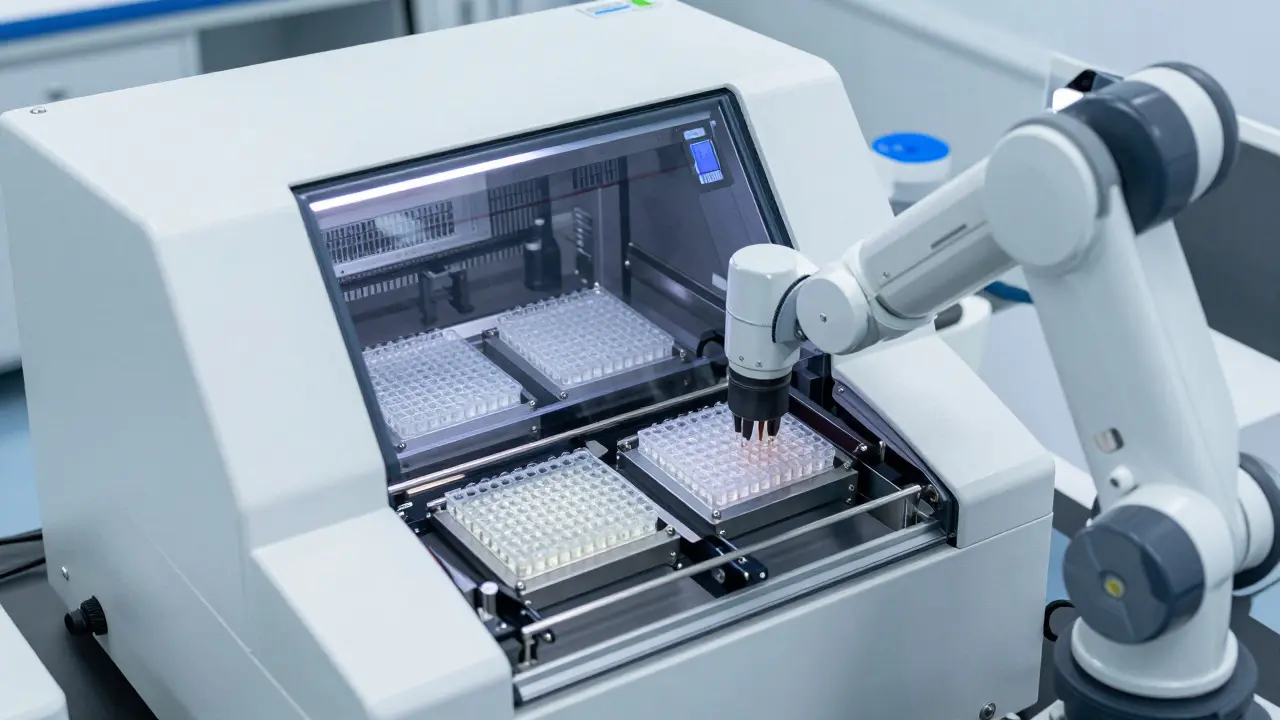
The biggest divide in the market is between manual silica-column kits and automated magnetic-bead systems. Each has distinct advantages depending on your lab’s volume and budget.
| Feature | Manual Silica-Column Kits | Automated Magnetic Bead Systems |
|---|---|---|
| Cost per Sample | $5 - $10 | $15 - $25 |
| Throughput | Low (1-12 samples/batch) | High (96-384 samples/run) |
| User Error Risk | Higher (pipetting variability) | Lower (robotic precision) |
| Setup Time | Minimal | Significant (maintenance/cleaning) |
| Best For | Small labs, rare samples | High-volume labs, casework backlogs |
Manual kits, such as those using silica membranes, rely heavily on technician skill. If one person pipettes slightly differently than another, your yield can vary by 10-15%. This variability becomes a problem when dealing with low-copy number (LCN) DNA where every nanogram counts. Automated systems use magnetic beads that bind DNA and are washed via robotic arms. This eliminates most human error, leading to tighter coefficient of variation (CV) values, often under 5% for repeat runs.
Handling Difficult Sample Types
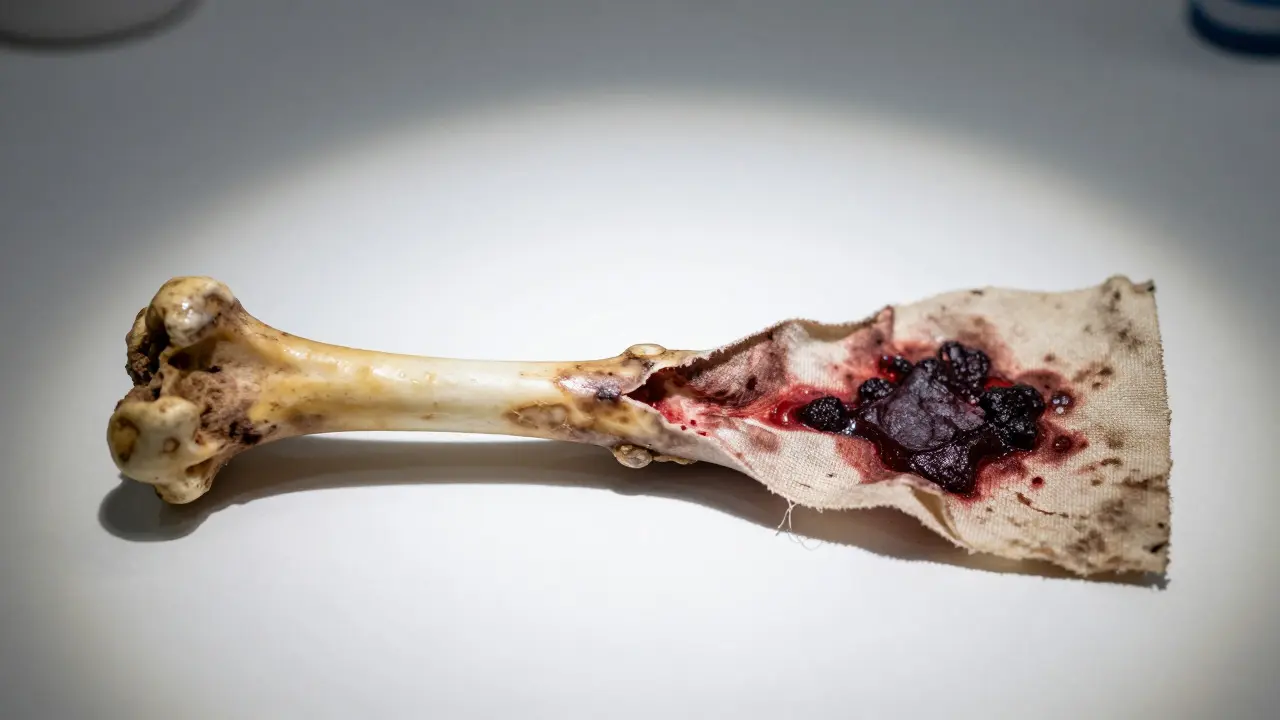
Blood cards and fresh blood are easy. The real test is how a kit handles degraded or contaminated samples. In forensic work, you frequently encounter bone, teeth, hair shafts, and old stains. Degraded DNA fragments are short, meaning the extraction buffer must be gentle enough not to shear them further, yet strong enough to break open tough cells.
Some kits include specialized lysis buffers for bone samples that require overnight digestion with Proteinase K. Others use heat-induced lysis, which is faster but less effective on calcified tissues. When validating, always include a panel of difficult samples: a 20-year-old stain, a wet bone fragment, and a mixture of human and dog blood. Compare the elution volumes and purity across different kits. You will likely find that no single kit excels at everything, but some perform significantly better on specific matrices.
Contamination Control and Cleanroom Practices
Even the best kit fails if your environment is dirty. Contamination is the silent killer of forensic DNA analysis. Human DNA is everywhere-in gloves, reagents, and air. To mitigate this, split your workflow into pre-PCR and post-PCR areas. Use UV irradiation and decontaminating sprays daily. When comparing kits, note if they come with pre-sterilized tips and tubes. Some vendors sell "clean