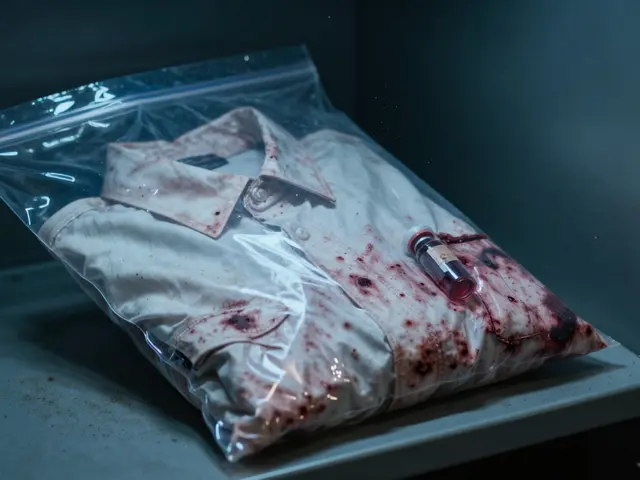
Walking into a structure that has just been gutted by flames is not like entering any other crime scene. The air is thick with particulates, the floor is unstable, and the walls are still radiating heat hours after the engines left. For a Fire Investigator is a specialized professional who determines the origin and cause of fires using scientific methods and physical evidence, the primary enemy isn't always the arsonist; it's the environment itself. One wrong step on a weakened joist or one deep breath of undetected carbon monoxide can end a career or a life.
Safety in this field isn't just about wearing a helmet. It’s a layered system of personal protective equipment (PPE), environmental monitoring, and strict procedural discipline. If you get the gear wrong, your evidence gets contaminated. If you skip the protocol, you risk injury. Here is how to handle the physical reality of post-fire scenes without compromising the integrity of your case or your health.
The Core Personal Protective Equipment Stack
You cannot rely on standard police tactical gear for fire scenes. The hazards here are chemical and structural, not ballistic. Your baseline kit needs to address three specific threats: airborne toxins, thermal residual heat, and falling debris.
- Respiratory Protection: This is non-negotiable. Standard N95 masks are often insufficient for heavy smoke residue. You need a half-face respirator with P100 particulate filters for general dust, but if you suspect heavy hydrocarbon exposure or incomplete combustion products, an SCBA (Self-Contained Breathing Apparatus) might be required for initial entry until air quality is verified. Always carry spare cartridges.
- Eyewear: Wrap-around safety glasses are better than goggles for visibility during detailed examination, but they must be anti-fog rated. Smoke particles settle instantly on lenses, blinding you when you’re trying to spot pour patterns or burn marks.
- Hand Protection: Use nitrile gloves for handling small evidence like matches or accelerant containers. For moving debris or touching hot surfaces, use Kevlar-lined leather gauntlets. Never touch structural elements with bare hands; oils from your skin can degrade paper-based evidence or obscure fingerprint residues.
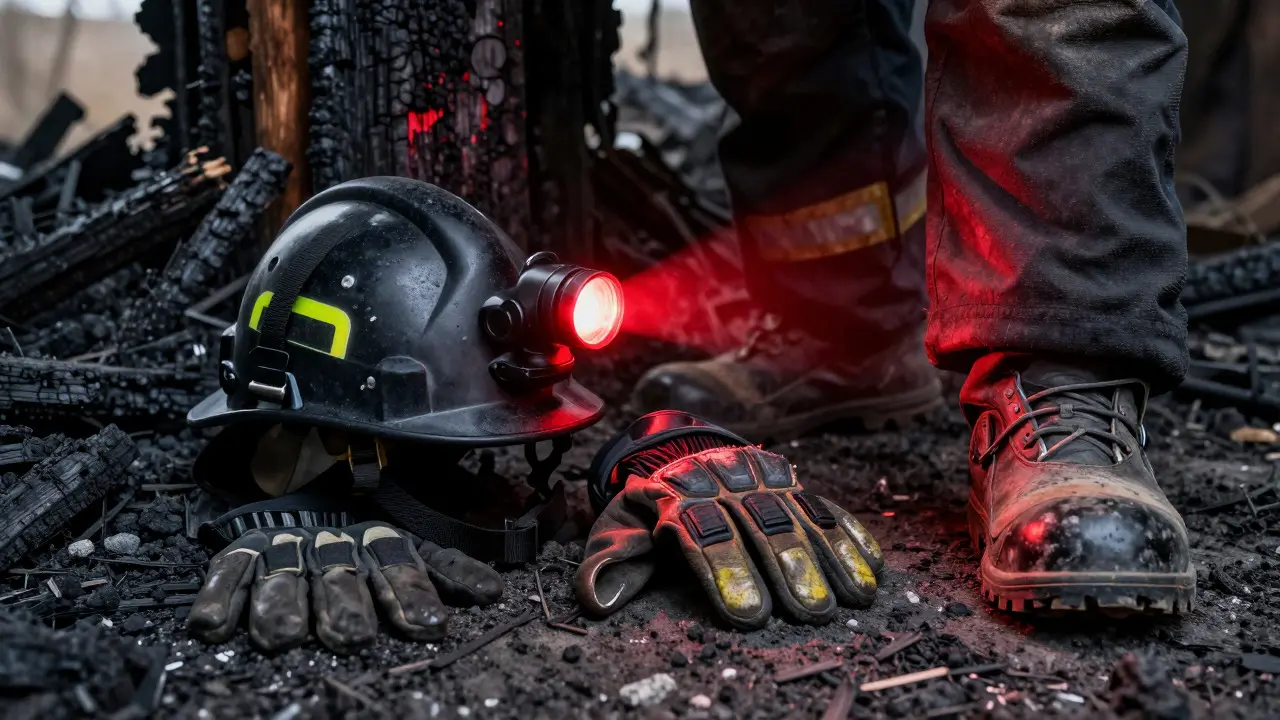
- Footwear: Steel-toe boots are standard, but look for models with metatarsal guards. In collapsed structures, heavy beams fall unpredictably. Also, ensure the soles are slip-resistant; wet concrete mixed with ash creates a slick surface that causes more ankle sprains than falls from height.
- Helmets: Use a hard hat with a chin strap. Why? Because you will be bending over low ceilings and crawling through crawl spaces. A loose helmet is a liability. Add a headlamp with a red-light mode; white light can wash out subtle color changes in charring, while red light helps preserve night vision for darkened interiors.
Environmental Monitoring Before You Touch Anything
Before you even think about documenting the origin area, you need to know what you're breathing and where the ground is safe. This is where technology meets protocol.
Bring a multi-gas detector calibrated for oxygen levels, combustible gases (LEL), carbon monoxide (CO), and hydrogen sulfide (H2S). In enclosed structures, oxygen depletion is a silent killer. If your O2 reading drops below 19.5%, evacuate immediately. CO readings above 30 ppm indicate significant ongoing off-gassing or incomplete ventilation, requiring respiratory protection regardless of visible smoke.
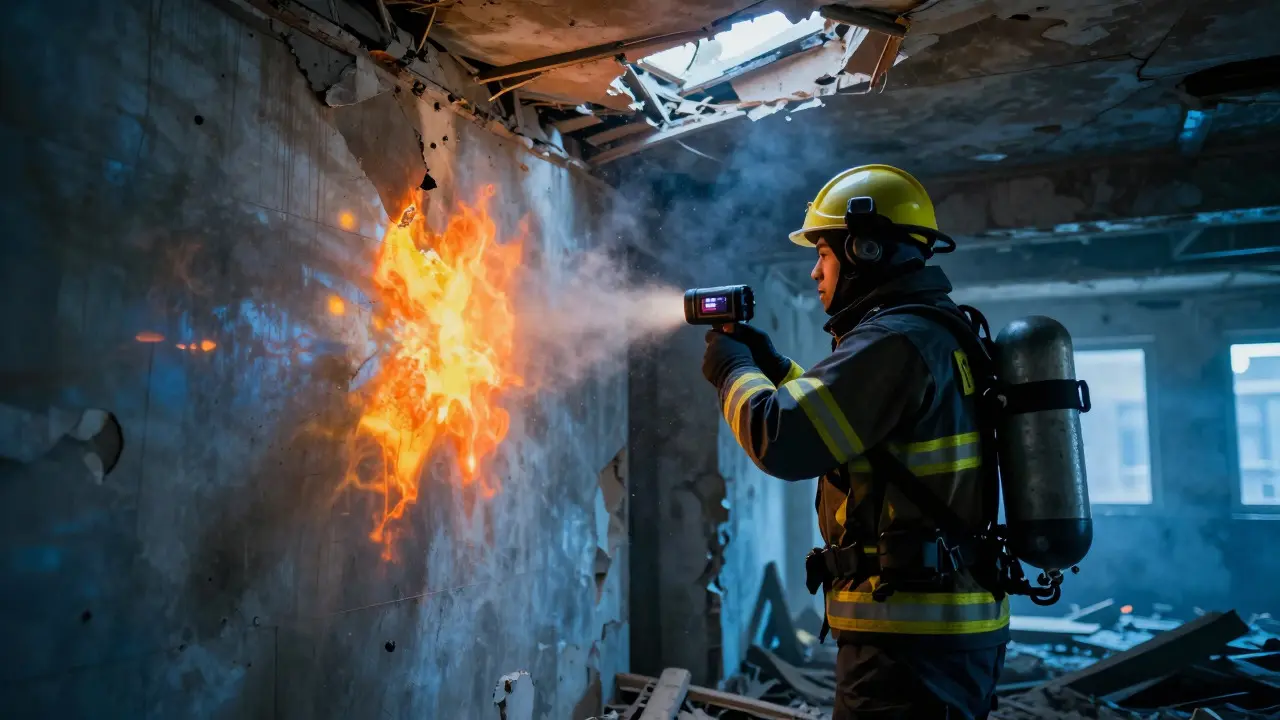
Thermal imaging cameras are also critical for safety, not just detection. They help you identify hidden hot spots that could reignite or cause burns if you lean against a wall. More importantly, they reveal structural weaknesses. A wall that looks solid might have a void behind it due to melted insulation or collapsed drywall. Scan every surface before stepping near it.
Scene Preservation and Contamination Control
The biggest mistake new investigators make is treating a fire scene like a burglary scene. In burglaries, you look for forced entry. In fires, you look for *absence* of normal conditions and *presence* of unusual ones. But first, you must stop the contamination clock.
- Secure the Perimeter: Keep firefighters out. Their hoses, boots, and equipment track water, mud, and chemicals across the origin area. Establish a "clean" zone and a "dirty" zone. Only essential personnel enter the clean zone.
- Control Access: Use a logbook. Every person who enters the scene signs in and out. No exceptions. This includes building owners, insurance adjusters, and curious neighbors. Each pair of shoes tracks ash into the evidence locker later.
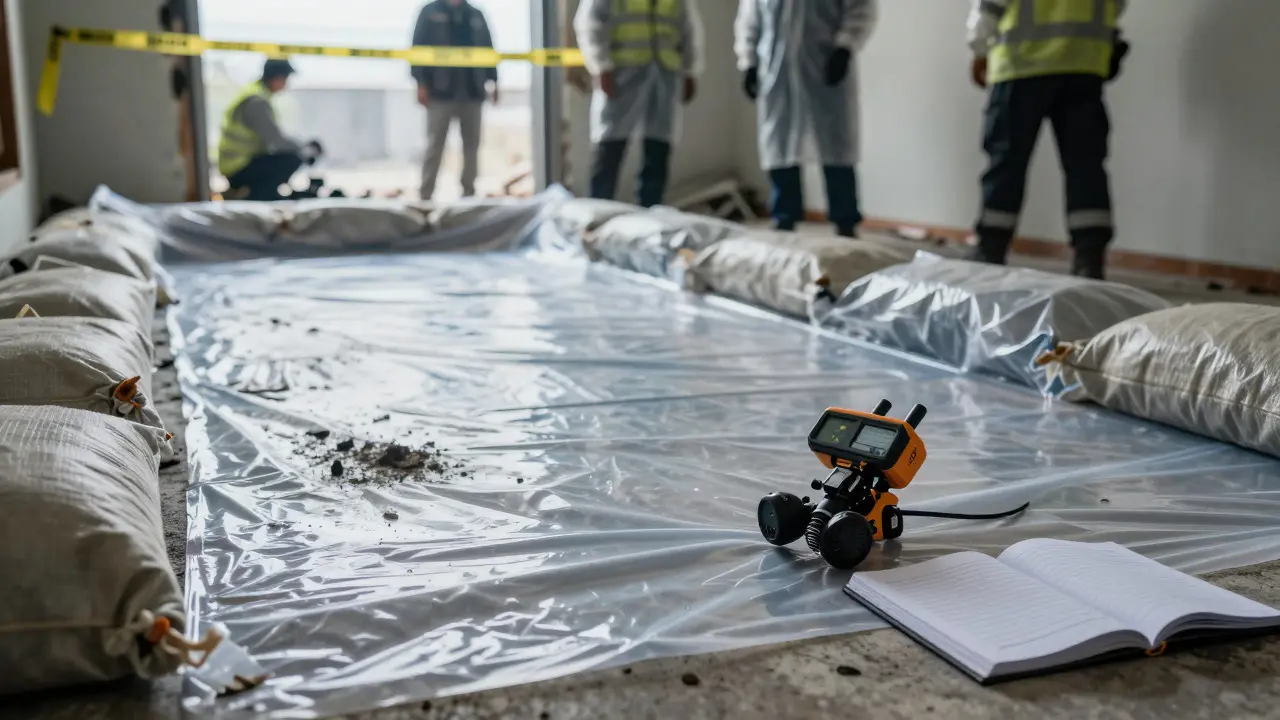
- Weather Protection: If the roof is gone, cover the origin area with plastic sheeting immediately. Rain mixes with soot to create a slurry that destroys microscopic evidence like fiber fragments or glass shards. Wind blows away light debris like match heads or paper scraps.
- Documentation First: Photograph everything from multiple angles before moving a single object. Use a scale ruler in close-ups. Fire scenes change rapidly as things cool and crack. What looks like a crack today might split further tomorrow, altering the shape of the burn pattern.
Specific Hazards: Accelerants and Structural Integrity
Two specific dangers require unique protocols: volatile accelerants and compromised structures.
If you smell gasoline, kerosene, or paint thinner, assume volatility. Even days after a fire, liquid accelerants can pool in basements or under carpets. Static electricity from your clothing can ignite these vapors. Wear anti-static footwear and avoid synthetic fabrics. Keep ignition sources (cell phones, cameras) at least 10 feet away from suspected pools until the area is ventilated and tested with a PID meter (Photoionization Detector).
Structural integrity is a constant gamble. Check for sagging ceilings, bulging walls, and exposed rebar. If you hear cracking sounds, back up. The load-bearing capacity of a charred wooden beam is reduced by up to 50% depending on the temperature reached. Assume the floor is weak until proven otherwise. Use a probe to test floor stability before stepping onto each section.
| Equipment Category | Standard Police/Tactical | Fire Investigation Requirement | Reason for Difference |
|---|---|---|---|
| Respiratory | N95 Mask or None | P100 Half-Mask or SCBA | Higher concentration of toxic particulates and gases |
| Footwear | Tactical Boots | Steel-Toe/Met Guard + Anti-Static | Falling debris and volatile vapor ignition risks |
| Eye Protection | Goggles (Ballistic) | Anti-Fog Safety Glasses | Need for clear vision amidst fine smoke particles |
| Lighting | White LED Flashlight | Headlamp with Red Light Mode | Preserve night vision for subtle color analysis |
Protocol Checklist for On-Site Execution
Memorize this sequence. It keeps you safe and your evidence defensible.
- Check weather and wind direction before entering.
- Verify gas detector batteries and calibration dates.
- Don full PPE, including gloves and helmet with chin strap.
- Scan for hot spots with thermal imager.
- Test air quality at breathing level and floor level.
- Establish perimeter and control access.
- Photograph overall scene before close-ups.
- Identify and mark origin area without disturbing evidence.
- Collect samples only after documentation is complete.
- Decontaminate gear before leaving the site.
Frequently Asked Questions
Do I need an SCBA for every fire investigation?
No. An SCBA is reserved for initial entry into heavily smoky areas or when gas detectors show high levels of CO or low O2. Once the area is ventilated and air quality is confirmed safe, a P100 half-mask is usually sufficient for prolonged examination. However, always carry the SCBA in case conditions change.
How long should a fire scene be secured?
Ideally, until all evidence is collected and documented. In practice, this means keeping the origin area protected from weather and unauthorized access for at least 48 hours. If rain is forecast, secure the area immediately with tarps. Delaying security allows natural elements to destroy fragile evidence like paper documents or fabric fibers.
What is the role of a Photoionization Detector (PID) in fire scenes?
A PID measures volatile organic compounds (VOCs). In fire investigations, it helps detect lingering accelerant vapors like gasoline or solvents. If you get a high reading in a specific area, it suggests a possible point of origin or spill location. It complements gas detectors by identifying specific chemical signatures rather than just general gas presence.
Can I use my regular work clothes under PPE?
Avoid synthetic fabrics like polyester or nylon, especially if accelerants are suspected. Synthetics generate static electricity, which can ignite vapors. Cotton or wool is safer. Also, wear dedicated work clothes that you don't mind getting dirty, as soot penetrates most fabrics. Change into clean clothes before driving home to prevent tracking ash into your vehicle.
Why is red light important for fire investigators?
Red light preserves your night vision, allowing you to see subtle differences in charring depth and color that white light might wash out. It also reduces eye strain during long examinations in darkened structures. Many modern headlamps include a red-light mode specifically for this forensic purpose.