You walk into a quiet suburban home. The air is still, but the scene tells a violent story. Who decides if this was a tragedy, a crime, or something else entirely? That’s not a detective with a badge and a notebook. That’s a death investigator who determines cause and manner of death. Many people confuse these roles, assuming they’re interchangeable. They aren’t. If you’re eyeing a career in forensic science, understanding the split between Medical Examiners and Coroners is your first critical step.
The Core Difference: Doctor vs. Elected Official
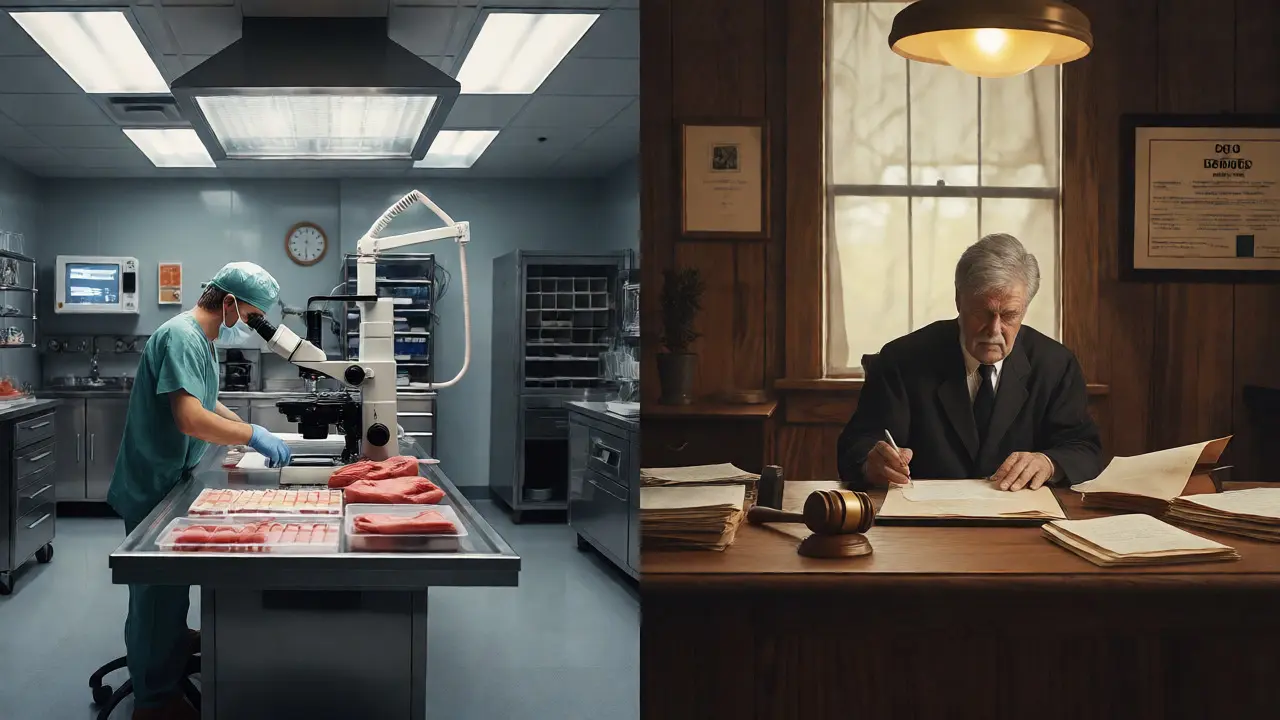
Let’s clear up the biggest misconception right now. A Medical Examiner is a physician, typically board-certified in forensic pathology, appointed by government officials. They are scientists and doctors first. Their job requires years of medical school and residency. In contrast, a Coroner is often an elected official who may or may not have medical training. This distinction changes everything about how a case is handled, who investigates it, and what happens next in the legal system.
Think of it this way: If you die in a hospital from known cancer, no one needs to investigate deeply. But if you drop dead on a hiking trail, or are found in a locked room with no obvious cause, someone has to answer for that. In jurisdictions using the Medical Examiner system, a doctor answers. In Coroner systems, often a local politician or a retired funeral director might hold the office, relying heavily on outside pathologists to do the actual autopsy work.
What Does a Medical Examiner Actually Do?
A Medical Examiner oversees the entire process of determining why someone died. It’s not just looking at a body. It’s integrating toxicology reports, histology slides, scene photos, and witness statements. You need to be comfortable with ambiguity. Did the heart stop because of a blockage, or did the stress of a robbery trigger the event? The difference matters for insurance payouts and criminal charges.
These professionals usually work within a Morgue or Autopsy Suite, which is distinct from a hospital morgue. Hospital morgues prepare bodies for burial; Medical Examiner offices investigate unnatural deaths. You’ll spend hours in cold rooms, documenting injuries with precise measurements. One wrong angle in a photo can ruin a reconstruction later in court. Attention to detail isn’t a bonus skill here; it’s the job description.
The Role of the Coroner in Local Communities
If you live in a rural county, you likely interact with a Coroner. These positions are frequently part-time and elected. Why does this matter for your career? Because the workload varies wildly. A Coroner in a small town might handle five cases a month. A Medical Examiner in a major city like New York or Los Angeles handles thousands annually.
Coroners often lack the budget for full-time staff. They rely on Contract Pathologists to perform autopsies. This means a Coroner’s primary skill set is administrative and legal. They manage evidence chains, coordinate with law enforcement, and ensure paperwork meets state statutes. If you enjoy community engagement and local politics more than deep scientific analysis, this track offers a different kind of stability.
Education and Training Paths
Becoming a Medical Examiner is a marathon, not a sprint. You start with a bachelor’s degree in biology or chemistry. Then comes four years of medical school. After earning your MD or DO, you complete a residency in pathology, followed by a fellowship in forensic pathology. Total time post-high school? Twelve to fourteen years.
For Coroners, requirements depend entirely on state law. Some states require a high school diploma and residency in the county. Others demand specific certifications. Check your state’s statutes before running for office. If you want to bridge the gap, consider becoming a Death Investigator under a Medical Examiner system. These roles don’t require a medical degree but do need certification through organizations like the American Board of Medicolegal Death Investigators (ABMDI).
Career Outlook and Salary Expectations
Money talks, especially when you’re dedicating over a decade to education. According to the Bureau of Labor Statistics, the median annual wage for physicians and surgeons, including forensic pathologists, exceeds $200,000. Entry-level Death Investigators earn significantly less, often starting around $45,000 to $60,000 depending on location and agency funding.
Job security is strong. Deaths don’t take holidays. However, burnout is real. Dealing with trauma victims, infants, and violent crimes takes a psychological toll. Support systems and counseling resources are vital parts of any serious department’s infrastructure.
| Feature | Medical Examiner System | Coroner System |
|---|---|---|
| Qualifications | MD/DO + Forensic Pathology Fellowship | Varies by state; often no medical degree required |
| Selection Method | Appointed by Governor or County Board | Elected by public or Appointed locally |
| Primary Focus | Scientific determination of cause/manner | Legal jurisdiction and administrative oversight |
| Common Location | Urban centers, large counties | Rural areas, smaller jurisdictions |
| Affiliation | State or County Health Department | County Government / Sheriff's Office |
Daily Life: What to Expect on the Job
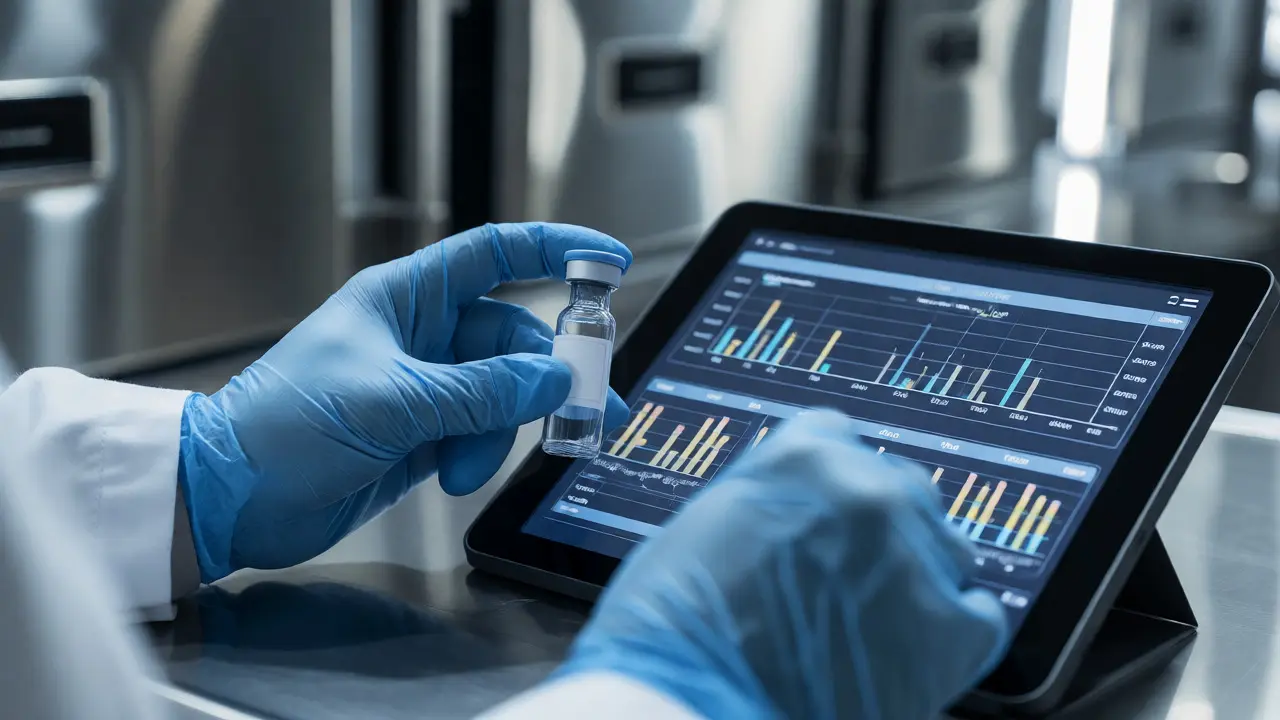
Imagine your morning. You arrive at the office. Three new cases came in overnight. One is a suspected overdose, another a fall from height, and the third is unexplained. You review the initial reports. For the overdose, you check toxicology levels against known lethal thresholds. For the fall, you correlate injury patterns with the scene geometry. Was it suicide, accident, or homicide? The evidence dictates the answer, not your gut feeling.
You’ll also testify in court. Defense attorneys will challenge your findings. They’ll ask why you ruled out certain possibilities. Your ability to explain complex medical concepts simply and confidently under pressure defines your professional reputation. Preparation is key. Know every file inside out before you step onto the stand.
Challenges and Rewards
This isn’t a career for the faint-hearted. You see humanity at its most vulnerable. Yet, there’s profound satisfaction in bringing closure to families. Knowing exactly what happened allows grieving relatives to move forward. It prevents wrongful accusations and ensures justice is served based on facts, not assumptions.
Technological advances are changing the field. Virtual autopsies using CT scans are gaining traction. DNA analysis is faster and cheaper than ever. Staying current with these tools makes you invaluable. Don’t just learn anatomy; learn data interpretation.
Do I need to be a doctor to become a Coroner?
Not necessarily. Requirements vary by state and county. In many rural areas, Coroners are elected officials who may not have medical backgrounds. They often hire contract pathologists to perform autopsies while they handle administrative and legal duties. Always check your specific jurisdiction's laws.
How long does it take to become a Medical Examiner?
It typically takes 12-14 years after high school. This includes 4 years of undergraduate study, 4 years of medical school, 4 years of pathology residency, and 1-2 years of forensic pathology fellowship.
What is the average salary for a forensic pathologist?
Salaries vary by location and experience, but forensic pathologists generally earn between $200,000 and $300,000+ annually. Entry-level death investigators earn significantly less, often starting near $50,000.
Can a Coroner order an autopsy?
Yes, in most jurisdictions, both Coroners and Medical Examiners have the statutory authority to order autopsies for deaths falling under their jurisdiction, such as sudden, violent, or suspicious deaths.
Is there a demand for death investigators?
Yes, there is steady demand, particularly for qualified Medical Examiners due to the rigorous training required. There is also growing interest in certified Death Investigators to support ME offices and improve scene documentation quality.