Imagine a patient arrives at the emergency room with severe abdominal pain, confusion, and a blood alcohol level that doesn't match their story. They claim they only had beer, but the lab results tell a different story. This is where Toxic Alcohols are a group of chemical compounds including methanol, ethylene glycol, and isopropanol that cause severe physiological damage when ingested, often mimicking or complicating standard ethanol intoxication. In forensic toxicology, distinguishing these substances from regular drinking alcohol is critical because the treatment windows are narrow and the consequences of misdiagnosis can be fatal.
You might wonder why anyone would ingest something so dangerous. While accidental ingestion in children is common, adult cases often involve suicide attempts, industrial accidents, or the consumption of illicitly produced spirits. For the forensic toxicologist, the job isn't just to find the poison; it's to reconstruct the timeline of exposure using specific biomarkers and metabolic pathways that leave unique signatures in the body.
The Three Main Culprits: Properties and Sources
Not all toxic alcohols behave the same way. Each has distinct physical properties, sources, and mechanisms of toxicity that guide both clinical management and laboratory analysis.
- Methanol: A colorless, volatile liquid with a mild odor. It is a primary component of windshield washer fluid and an industrial solvent. Unlike ethanol, its toxicity comes largely from its metabolites, particularly formic acid, which causes metabolic acidosis and optic nerve damage.
- Ethylene Glycol: The main ingredient in automotive antifreeze. It is sweet-tasting, which makes it a risk for accidental pediatric ingestion. Its toxic metabolites, such as oxalic acid, lead to calcium oxalate crystal formation in tissues, especially the kidneys.
- Isopropanol (Rubbing Alcohol): Commonly found in household disinfectants and antiseptics. It acts as a direct central nervous system depressant, similar to ethanol, but without the same production of toxic acidic metabolites. It is often used as a surrogate for ethanol in some forensic contexts due to its similar pharmacokinetics.
Understanding these differences is the first step in narrowing down the suspect list during a case investigation. If a patient presents with high osmolar gap but no significant acidosis, isopropanol becomes a strong candidate. If there is severe acidosis and visual disturbances, methanol takes precedence.
Metabolic Pathways and Biomarkers
The human body processes these alcohols differently than ethanol, and these differences create the forensic trail we follow. The enzyme alcohol dehydrogenase (ADH) initiates the breakdown of all three substances, but the downstream effects diverge sharply.
- Methanol Metabolism: ADH converts methanol to formaldehyde, which is then rapidly oxidized to formic acid by aldehyde dehydrogenase. Formic acid inhibits cytochrome c oxidase in the mitochondria, leading to cellular hypoxia. The accumulation of formate is the primary driver of the high anion gap metabolic acidosis seen in these cases.
- Ethylene Glycol Metabolism: ADH converts ethylene glycol to glycolaldehyde, then glycolic acid, and finally oxalic acid. Glycolic acid contributes significantly to the acidosis, while oxalic acid binds with calcium to form insoluble crystals. These crystals can be detected in urine sediment, providing a direct physical clue to the diagnosis.
- Isopropanol Metabolism: ADH converts isopropanol directly to acetone. Acetone is not toxic in the same way formic or glycolic acid are; instead, it contributes to the elevated osmolar gap but does not cause significant acidosis. This lack of acidosis is a key differentiator in the diagnostic workup.
For the forensic scientist, identifying these intermediate metabolites is often more reliable than measuring the parent compound itself, especially if hours have passed since ingestion. By the time a sample is collected, the parent alcohol may have been fully metabolized, leaving behind the toxic byproducts as the only evidence.

Laboratory Analysis Techniques
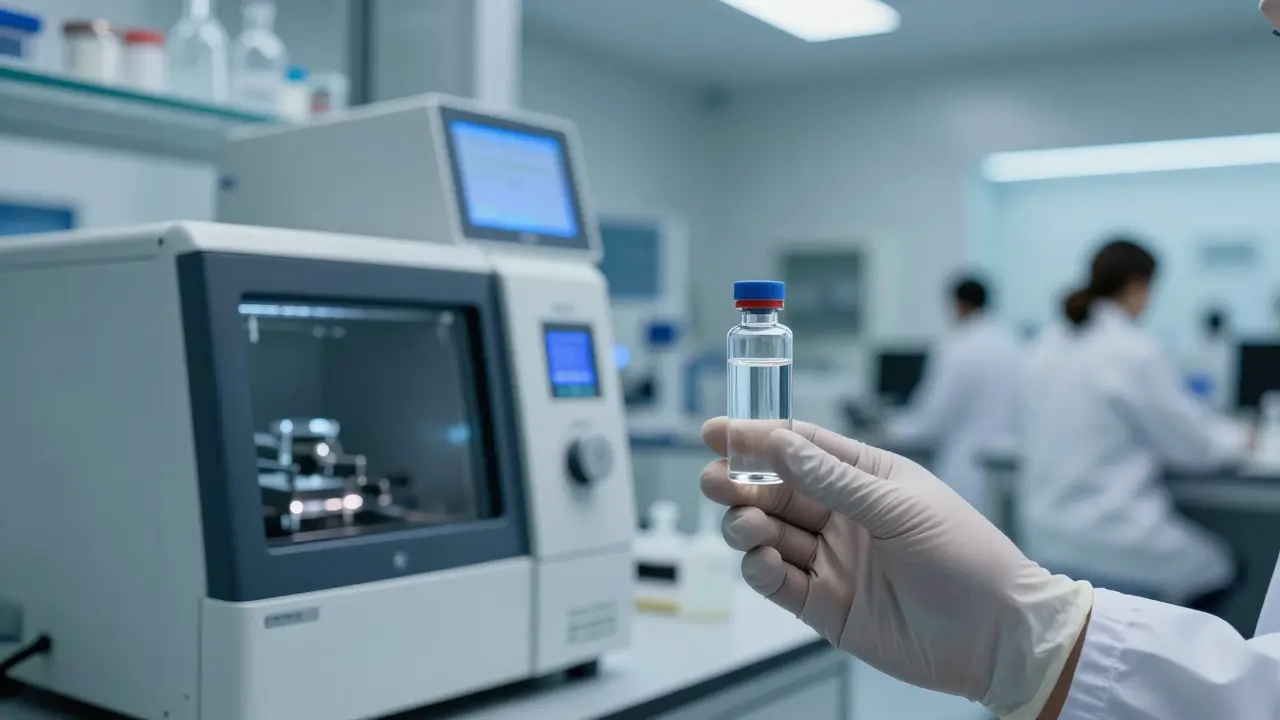
How do we actually detect these substances in a complex biological matrix like blood or urine? Several analytical methods are employed, each with its own strengths and limitations.
| Method | Detects | Turnaround Time | Key Advantage |
|---|---|---|---|
| Gas Chromatography (GC) | Parent alcohols (Methanol, EtG, IPA) | 1-2 hours | High specificity for volatile compounds |
| High-Performance Liquid Chromatography (HPLC) | Metabolites (Formate, Glycolate, Oxalate) | 2-4 hours | Essential for late-stage presentation |
| Osmolality Gap Calculation | All three (indirect) | Immediate | Rapid screening tool in ER |
Gas chromatography remains the gold standard for quantifying the parent compounds. However, if a patient presents 24 hours after ingestion, the methanol levels might be undetectable, yet the patient is still critically ill. In this scenario, HPLC is vital for detecting formate or glycolate. Additionally, mass spectrometry (MS) coupled with GC or LC provides definitive identification by analyzing the molecular fragmentation patterns, reducing the risk of false positives from other volatile organic compounds.
It is also worth noting that standard ethanol tests often cross-react or fail to distinguish between isopropanol and ethanol in preliminary immunoassays. Therefore, confirmatory testing via chromatography is non-negotiable in any suspected toxic alcohol case.
Clinical Presentation and Forensic Reconstruction
As forensic toxicologists, we don't just report numbers; we help build the narrative of what happened. The clinical signs provide crucial context for interpreting the lab data.
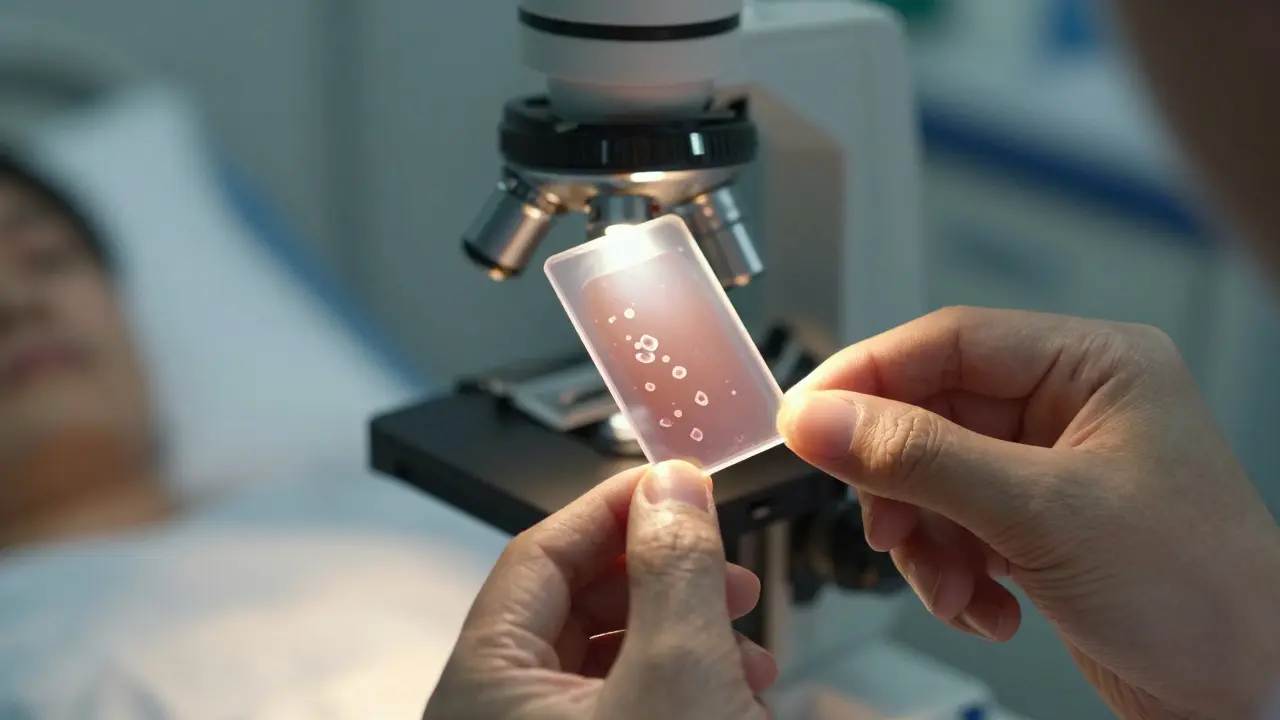
In methanol poisoning, patients often present with gastrointestinal distress initially, followed by neurological symptoms. Visual disturbances, such as blurred vision or "snowfield" appearance, are hallmark signs due to optic nerve toxicity. In ethylene glycol poisoning, the progression is often divided into three phases: CNS depression (similar to drunkenness), cardiopulmonary failure (due to acidosis), and end-organ damage (primarily renal). The presence of calcium oxalate crystals in the urine is a near-pathognomonic sign that helps confirm the diagnosis even before specific metabolite levels are finalized.
Isopropanol poisoning, on the other hand, looks remarkably like severe ethanol intoxication. Patients are drowsy, have slurred speech, and may exhibit ataxia. The key difference is the absence of significant acidosis and the presence of fruity-smelling breath (from acetone metabolism). This distinction is vital for determining whether the patient consumed rubbing alcohol or simply drank too much beer.
Treatment Implications for Forensic Evidence
Forensic samples must be collected with awareness of potential treatments that might alter the results. Fomepizole is a competitive inhibitor of ADH, used to block the metabolism of methanol and ethylene glycol. If a patient receives fomepizole early, the conversion of the parent alcohol to toxic metabolites is halted. This means that subsequent blood draws will show higher levels of the parent compound and lower levels of the toxic acids compared to an untreated patient. Understanding this dynamic is essential for accurate post-mortem interpretation, where redistribution of fluids can further complicate concentration measurements.
Hemodialysis is another intervention that removes both the parent alcohol and its metabolites. If a patient undergoes dialysis, residual concentrations in the blood will drop rapidly, potentially leading to underestimation of the initial dose if the timing of the sample relative to dialysis is not documented accurately. Therefore, meticulous chain-of-custody documentation, including timestamps of medical interventions, is as important as the chemical analysis itself.
Frequently Asked Questions
What is the difference between ethanol and toxic alcohols?
Ethanol is the alcohol found in beverages and is relatively safe in moderate amounts. Toxic alcohols like methanol and ethylene glycol produce highly acidic metabolites that cause organ damage. Isopropanol is less toxic but still dangerous in large doses. The key difference lies in the metabolic byproducts and their physiological impact.
How long does it take to detect toxic alcohols in the blood?
Detection depends on the method. Preliminary screens can give results in minutes, but confirmatory gas chromatography typically takes 1-2 hours. If looking for metabolites via HPLC, the process may take longer. The half-life of methanol is approximately 15-20 hours in untreated individuals, meaning it remains detectable for days.
Can you smell toxic alcohols on someone's breath?
Methanol and ethylene glycol have faint odors that are difficult to distinguish from ethanol without training. However, isopropanol metabolism produces acetone, which gives the breath a distinctive fruity or nail polish remover smell. This olfactory clue can prompt further testing.
Why is the osmolar gap important in diagnosing toxic alcohol ingestion?
The osmolar gap is the difference between measured serum osmolality and calculated osmolality. Unmeasured solutes like toxic alcohols increase the measured value, widening the gap. A high osmolar gap in the absence of other causes suggests the presence of unmeasured low-molecular-weight substances, such as methanol or ethylene glycol.
Do toxic alcohols show up on a standard breathalyzer?
Standard breathalyzers are calibrated for ethanol. While isopropanol can sometimes interfere and cause a positive reading, methanol and ethylene glycol generally do not produce reliable readings on field devices. Blood testing is required for accurate quantification and identification.