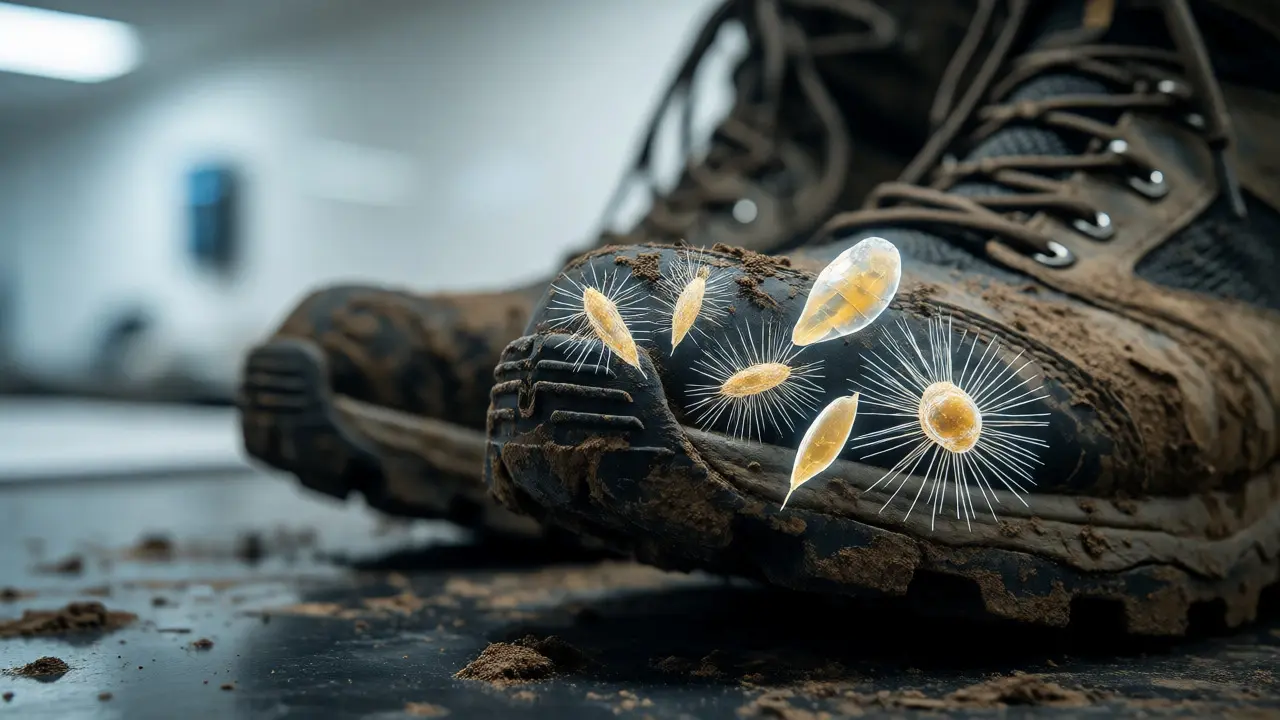
You find a pair of muddy boots in a suspect's closet. The mud looks like dirt from the backyard, but the victim was found in a dense pine forest three miles away. How do you prove those boots were actually there? DNA tells you whose blood it is, but it doesn't tell you where the body lay for six hours. That’s where Palynology, the study of pollen grains and spores, steps in. It sounds niche, almost academic, but in modern forensics, this discipline provides some of the most robust geographic links available.
Think about it: every square meter of earth has a unique botanical fingerprint. Plants don’t move around on their own, and they release pollen at specific times of the year. If you can match the microscopic grains stuck to a suspect’s clothing or vehicle tires with the vegetation at a crime scene, you have powerful evidence that places them there. This isn't just theory; it’s been used in high-profile cases from murder investigations to mass grave identifications. But how does it work, and what are its limits? Let’s break down how pollen and spore evidence turns invisible dust into courtroom testimony.
Why Pollen Works as Forensic Evidence
Pollen grains are tough. They evolved over millions of years to survive harsh conditions-wind, rain, UV radiation, and even digestion. Their outer shell, called the exine, is made of sporopollenin, one of the most resistant organic materials known. This durability means pollen can stick to surfaces for weeks or months without degrading significantly. Unlike soil chemistry, which changes rapidly with moisture and temperature, the pollen signature remains relatively stable.
More importantly, plants are stationary. A pine tree doesn’t walk from Portland to Seattle. When a person walks through a field, pollen sticks to their clothes, hair, and shoes. If that person later enters a building or gets into a car, they carry that botanical hitchhiker with them. Forensic palynologists analyze these grains to determine not just if a connection exists, but often when and where.
| Attribute | Description | Forensic Value |
|---|---|---|
| Durability | Sporopollenin shell resists decay | Evidence survives washing and weathering |
| Specificity | Unique morphology per species/genus | Can distinguish between similar habitats |
| Seasonality | Release patterns tied to calendar | Estimates time of death or contact |
| Ubiquity | Present in almost all environments | High probability of transfer |
The Science Behind Location Linking
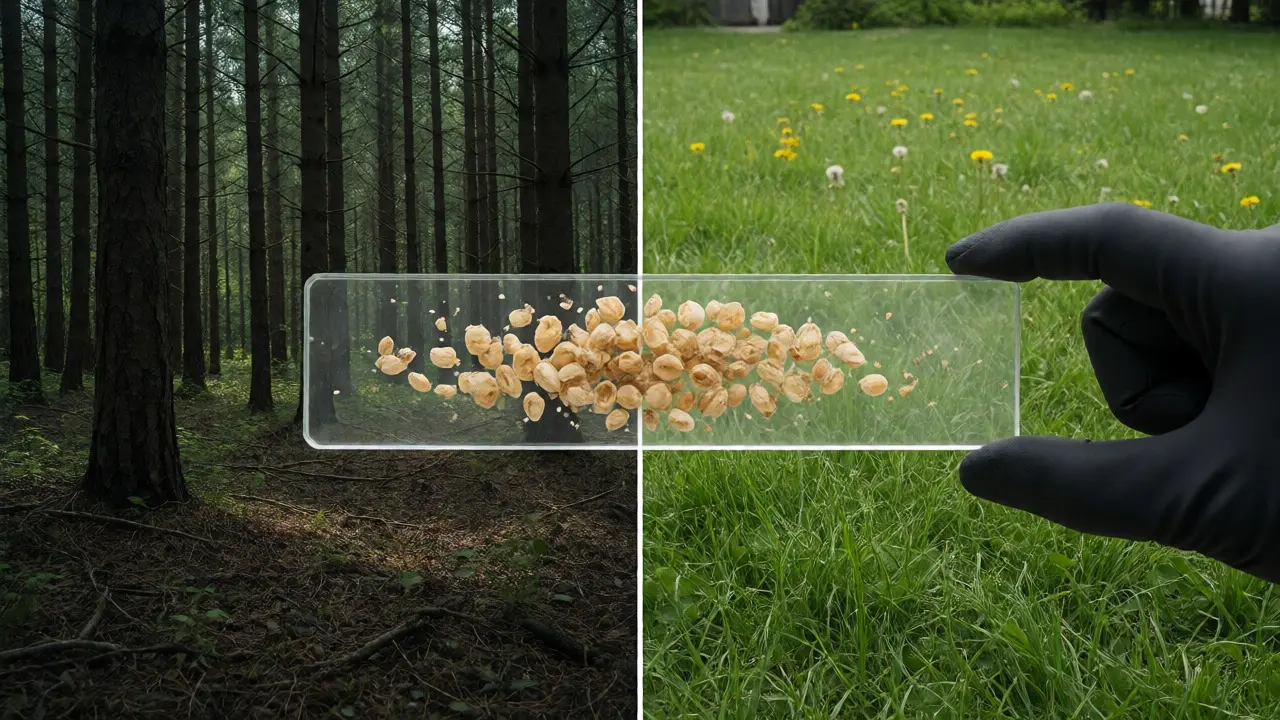
Linking a suspect to a location isn't just about finding "some pollen." It’s about matching a complex profile. Every environment has a distinct pollen spectrum. A suburban lawn dominated by grasses and dandelions looks very different under a microscope compared to a coniferous forest rich in pine and spruce pollen, or a wetland filled with cattails and sedges.
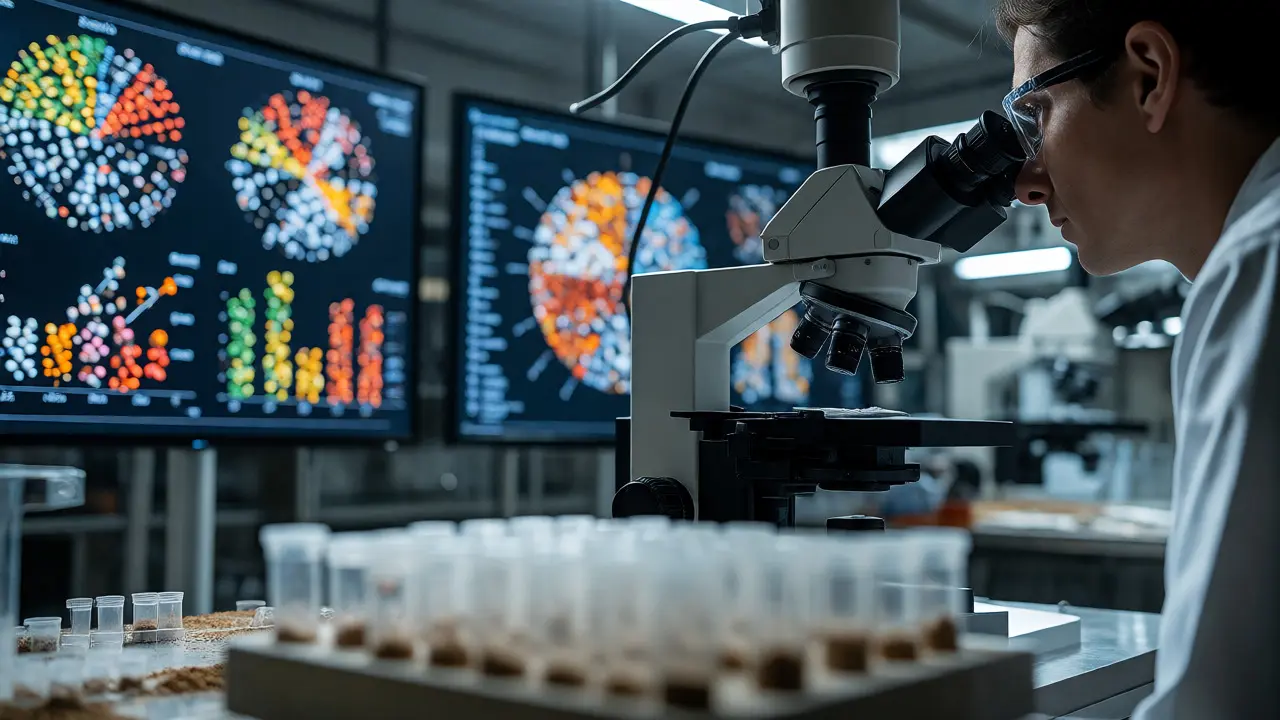
Forensic palynologists create reference collections. They collect samples from various habitats within a region and catalog the types and quantities of pollen present. When analyzing evidence, say, mud from a shoe sole, they extract the pollen using chemical treatments (usually involving acids and bases) to dissolve the organic matter and isolate the grains. Then, they count hundreds of grains under a microscope to build a percentage chart.
If the chart from the shoe matches the chart from the crime scene-and differs significantly from the suspect’s home environment-the link strengthens. In my area around Portland, Oregon, we might see high levels of Douglas fir pollen in spring, but oak pollen peaks later. If a suspect claims they’ve only been near the riverbank (dominated by willow and alder), but their jacket holds heavy amounts of pine pollen typical of the nearby hills, that discrepancy raises red flags.
Spores and Other Microfossils
It’s not just flowering plants. Fungi produce spores, which are also durable and distinctive. Mold spores, fern spores, and moss spores add another layer of detail. For instance, certain fungi thrive only in damp, decaying wood. Finding those spores on a suspect’s clothing could suggest they spent time in a basement or a forest floor rather than an open field.
Beyond pollen and spores, other microfossils like diatoms (single-celled algae with silica shells) play a role, especially in drowning cases. Diatom tests compare the species found in a victim’s bone marrow or organs against those in the water source. While technically phycology, this often overlaps with palynological labs because the extraction and microscopy techniques are similar.
Challenges and Limitations
Is this science foolproof? No. One major challenge is contamination. If a suspect walked through a park before visiting the crime scene, pollen from the park might mix with crime scene pollen. Context matters. Investigators must consider the suspect’s recent movements. Did they drive past a farm? Did they step in mud earlier that day?
Another issue is wind dispersal. Some pollen travels great distances. Pine pollen, for example, can float miles on air currents. So, finding pine pollen in a city apartment doesn’t necessarily mean the person visited a pine forest. However, the ratio of pollen types helps mitigate this. A pure sample of pine pollen suggests direct contact, while a mixed sample suggests background exposure.
Also, not all regions are equally suited for palynology. Arid deserts have less vegetation and thus less pollen production. Tropical rainforests, conversely, have incredibly diverse flora, making identification harder but potentially more specific if the reference database is robust. In urban settings, ornamental plants complicate things further. People plant exotic species that don’t grow naturally, creating artificial pollen sources.
Real-World Applications and Case Studies
One famous application involved the investigation of a mass grave in Bosnia. By analyzing the pollen trapped in the soil attached to victims’ bodies, experts could determine whether bodies had been moved from primary burial sites to secondary graves. The pollen profiles didn’t match the secondary sites, proving tampering.
In domestic cases, palynology has helped resolve disputes over property boundaries or verified alibis. Imagine a burglar steals a vase from a house surrounded by lavender fields. The thief hides the vase in his garage, which smells like motor oil and sawdust. Police recover the vase and find traces of lavender pollen deep in the crevices. The homeowner proves she grew lavender; the thief’s garage had none. The link is established.
Courtrooms are becoming more familiar with this evidence, but it requires clear explanation. Juries need to understand that pollen isn’t just "dirt." It’s a biological record. Expert witnesses often use visual aids-projected images of pollen grains-to show jurors the differences between species. Seeing a jagged ragweed grain next to a smooth grass grain makes the distinction tangible.
How to Collect and Preserve Pollen Evidence
If you’re a first responder or investigator, handling matters. You can’t just wipe the mud off a shoe with a dry tissue. That might destroy delicate grains or introduce new ones. Here’s a practical checklist:
- Avoid Dry Cleaning: Never brush off dried mud aggressively. Use soft brushes if necessary, but better yet, leave it intact.
- Use Paper Packaging: Put shoes or clothing in paper bags, not plastic. Plastic traps moisture, promoting mold growth that can obscure pollen.
- Label Clearly: Note the exact location of collection. Was it the left sole? The right heel? Precision helps later analysis.
- Control Samples: Always take control samples from the suspect’s usual environment (home, office) and the crime scene itself. Without controls, comparison is meaningless.
- Protect from Light: Store samples in dark places until lab processing. UV light can degrade some pigments, though sporopollenin is tough.
The Future of Palynology in Forensics
Technology is changing the game. Traditionally, counting pollen was slow and required highly trained taxonomists. Now, automated image recognition software is speeding up identification. Algorithms can scan thousands of grains quickly, flagging potential matches for human review. This reduces backlog and cost.
DNA barcoding is also emerging. Just as we sequence DNA for human ID, researchers are exploring sequencing plant DNA from pollen grains. This could allow precise species-level identification, moving beyond genus or family level. While still developing, this promises higher resolution for future cases.
For now, though, traditional microscopy remains the gold standard. It’s reliable, well-understood, and accepted by courts worldwide. As databases expand and technology improves, pollen evidence will likely become even more common in criminal investigations. It’s a quiet witness, but when it speaks, it speaks clearly.
Can pollen evidence be washed off easily?
Not entirely. While surface pollen can be removed by vigorous washing, pollen grains often lodge deep into fabric fibers, shoe treads, and skin pores. Sporopollenin’s resistance ensures that some grains survive multiple wash cycles, especially if the item wasn’t scrubbed with abrasive tools immediately after contact.
How long does pollen stay viable for analysis?
Pollen grains can remain identifiable for decades or even centuries under the right conditions. Because their outer shell is so durable, they don't decompose like muscle or skin. In forensic contexts, evidence collected within weeks or months is ideal, but older samples can still yield results if stored properly.
Does every region have unique pollen signatures?
Most regions have distinct signatures based on dominant vegetation. However, urban areas can be tricky due to imported ornamental plants. Rural and wild areas offer clearer distinctions. Forensic palynologists rely on local reference databases to account for regional variations and seasonal shifts.
Can pollen prove someone was at a specific crime scene?
It provides strong circumstantial evidence rather than absolute proof. It shows compatibility between the suspect’s belongings and the scene. Combined with other evidence like DNA or fingerprints, pollen significantly strengthens the case by placing the suspect in a specific geographic and temporal context.
What happens if the suspect traveled through multiple locations?
This creates a mixed pollen profile. Experts look for dominant types and rare markers. If the crime scene has a unique plant species not found along the suspect’s route, finding that pollen strongly supports presence at the scene. Statistical models help weigh probabilities when multiple sources contribute.