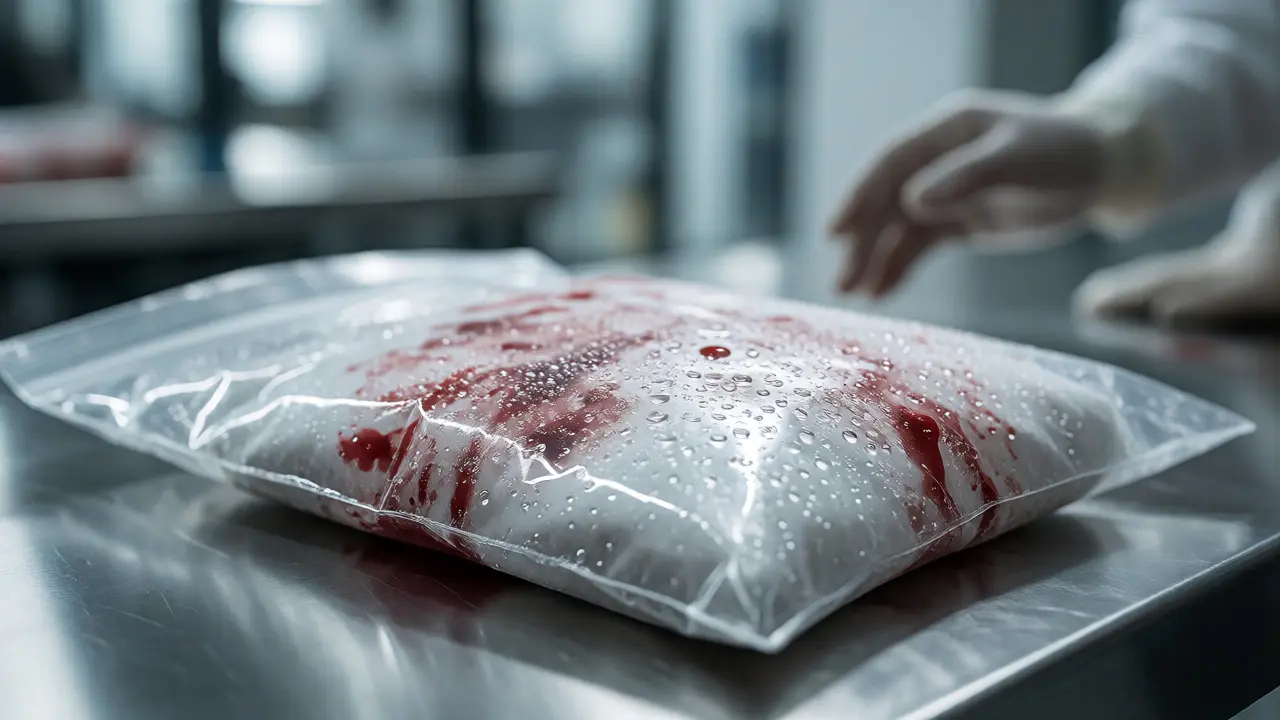
You find a bloody shirt at a crime scene. You bag it, label it, and send it to the lab. Three weeks later, the analyst tells you the sample is "compromised." Maybe there was too much moisture in the container, maybe someone touched the stain with a bare hand, or maybe the packaging tape left adhesive residue right over the blood spatter. Your heart sinks. Does this mean the case is dead? Not necessarily.
Here is the hard truth that separates rookie mistakes from professional handling: contaminated evidence is rarely an all-or-nothing situation. It is usually a spectrum of degradation. The question isn't just "is it ruined?" but rather "what can we still prove with what remains?" If you are working in law enforcement, legal defense, or forensic science, understanding how to assess salvageability is critical. A discarded piece of evidence might be the difference between a conviction and a dismissal, or worse, a wrongful acquittal.
The Reality of Contamination vs. Degradation
People often use these terms interchangeably, but they are different beasts. Contamination means foreign material got into your sample. This could be another person's DNA, dust, cleaning agents, or fibers from your own clothing. Degradation means the evidence itself broke down due to environmental factors like heat, humidity, UV light, or bacterial growth.
Why does this distinction matter for salvage? Because contamination can sometimes be filtered out analytically. If you have a mixed DNA profile where one contributor is known (say, the victim), software algorithms can often subtract that signal to reveal the unknown suspect's profile. Degradation, however, is harder to reverse. Once DNA strands snap due to mold or heat, no amount of clever software can stitch them back together perfectly. You lose information permanently.
In my experience reviewing cases in Portland, I've seen officers panic when they see condensation inside an evidence bag. They think it's game over. But if the item was dried properly before bagging, that condensation might only affect the surface layer. The core of the biological material might still be viable for testing. Panic leads to bad decisions; assessment leads to solutions.
Assessing the Damage: The Triage Process
Before you toss anything, run through a triage checklist. This isn't about guessing; it's about evaluating the integrity of the specific analytical test you need.
- Identify the Target Analyte: What are you looking for? DNA, latent prints, ballistics markings, or trace chemicals? Latent prints on a wet surface are nearly impossible to recover. However, the same wet shirt might yield excellent DNA results because water doesn't wash away cellular material as easily as it destroys ridge detail.
- Evaluate the Extent of Contact: Was the entire item contaminated, or just one corner? If a technician accidentally touched the bottom of a bullet casing with a gloved finger, the primer area might still be pristine for fingerprint analysis. Segmentation is key. Cut away the compromised sections and preserve the rest.
- Check the Chain of Custody: Did the contamination occur during collection, transport, or analysis? If the break happened after the evidence entered the secure lab environment, you might have procedural recourse even if the physical sample is flawed.
A common pitfall is assuming that visual cleanliness equals evidentiary integrity. You cannot see microscopic contamination. A glove that looked clean might have transferred skin cells from a previous handler. Always assume cross-contamination is possible unless you have strict documentation proving otherwise.
Can Technology Save the Day?
Modern forensic technology has changed the rules of salvage. Ten years ago, a heavily degraded DNA sample was useless. Today, Next-Generation Sequencing (NGS) allows analysts to read shorter fragments of DNA. If your sample is fragmented by sunlight or bacteria, NGS can still pick up enough genetic markers to build a probabilistic profile.
| Evidence Type | Common Contaminant | Salvage Strategy | Success Probability |
|---|---|---|---|
| Biological (Blood/Saliva) | Mold/Humidity | Differential extraction; NGS sequencing | High (if not fully liquefied) |
| Latent Prints | Oils/Grease | Chemical enhancement (Cyanoacrylate fuming) | Medium (depends on substrate) |
| Fibers/Trace | Cross-transfer | Microscopy isolation; statistical weighting | Low-Medium |
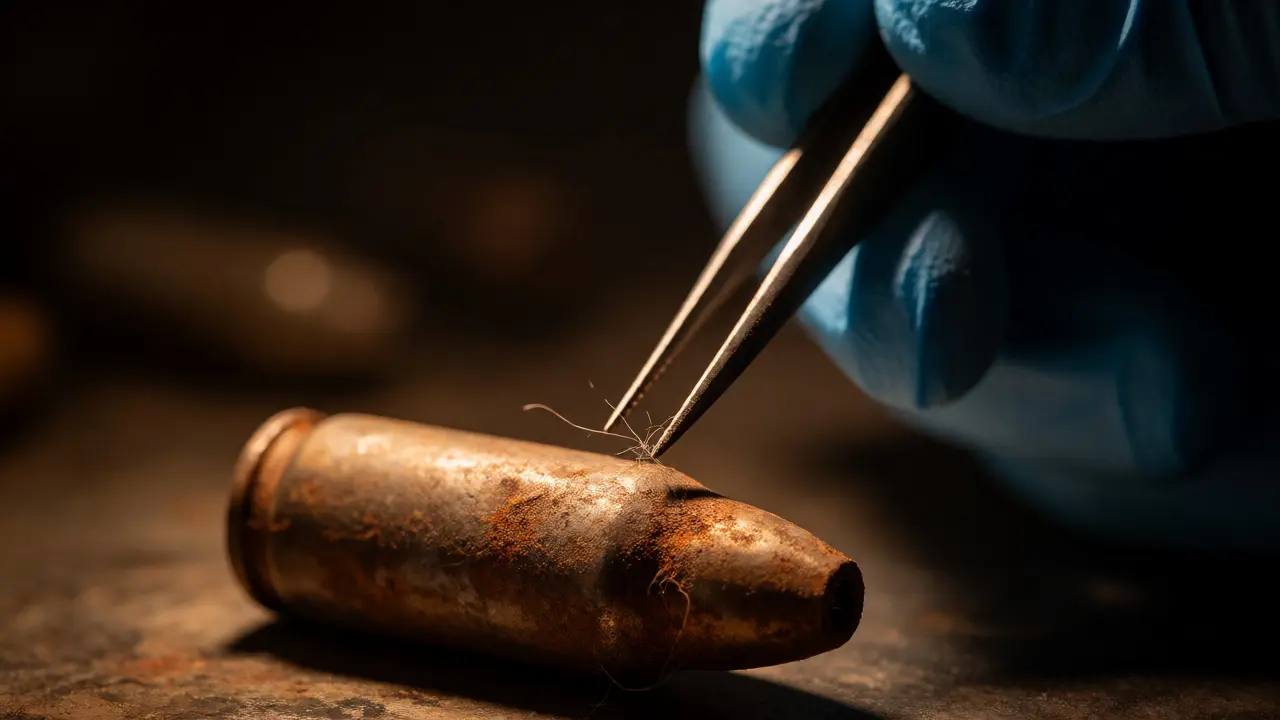
| Ballistics | Rust/Corrosion | Electrochemical restoration; comparison microscopy | High (surface marks often survive) |
| Digital Media | Data corruption | Hex editing; file carving | Very High |
Notice the pattern? Physical damage to hard surfaces (like bullets) is often more forgiving than chemical changes to soft tissues. Rust on a gun barrel looks bad, but the striations inside the barrel-the ones that match a fired cartridge-often remain intact beneath the corrosion. Cleaning techniques can restore visibility without erasing the unique tool marks.
The Legal Hurdle: Admissibility in Court
Even if the lab says they can get a result, will a judge let it in? This is where the Daubert standard (or Frye, depending on your jurisdiction) comes into play. Defense attorneys love to attack the methodology used to salvage compromised evidence.
If you use a new algorithm to deconvolute a messy DNA mixture, you must be prepared to defend its validity. Is it peer-reviewed? Is there a known error rate? In 2024, several high-profile cases hinged on whether probabilistic genotyping software was reliable enough for court. The answer was generally yes, provided the lab followed strict validation protocols.
Your job as the evidence handler is to document every step taken to mitigate contamination. If you re-bagged a wet item, note the time, the temperature, and who handled it. If you used a specific chemical to remove grease from a print, cite the manufacturer's protocol. Transparency builds credibility. Hiding the fact that evidence was slightly mishandled looks worse than admitting it and explaining how you fixed it.
Prevention Beats Cure: Best Practices
Salvaging is stressful and expensive. Preventing contamination in the first place is cheaper. Here are three non-negotiable habits for anyone handling evidence:
- Change Gloves Frequently: Don't wait until they feel dirty. Change gloves between every single item. Skin cells shed constantly. One sneeze can contaminate a dozen samples.
- Dry Before Bagging: Never put a wet biological item directly into a plastic bag. Moisture breeds bacteria, which eat DNA. Use paper bags for dry items, and breathable containers for damp ones until they air-dry.
- Isolate Your Workspace: If you are processing multiple items, ensure your cutting board or table is cleaned with bleach or a validated decontaminant between each piece. Cross-contamination on a shared bench is the most common source of false positives.
Remember, the goal isn't perfection. It's reliability. A slightly imperfect sample that is well-documented and scientifically analyzed is better than a perfect sample that was lost because nobody knew how to handle it.
When to Let Go
Sometimes, you have to admit defeat. If a DNA sample is completely hydrolyzed-meaning the strands are broken into tiny, unrecognizable bits-no amount of tech can help. If a latent print is obscured by deep scratches on a metal surface, chemical enhancement won't bring it back. Recognizing the point of diminishing returns saves resources. Don't spend thousands of dollars trying to extract data from a sample that has zero probative value.
Ultimately, contaminated evidence isn't always a death sentence for a case. It requires a shift in mindset from "preservation" to "triage." Assess the damage, leverage modern technology, document everything, and know when to cut your losses. By doing so, you turn potential liabilities into usable tools for justice.
Does touching evidence with a bare hand always ruin it?
Not always. While it introduces foreign DNA, it may not obscure existing prints or destroy other types of evidence. If the touch occurred on a non-critical area, the rest of the item may still be valid. However, it complicates the analysis and requires careful documentation.
Can degraded DNA still be used for identification?
Yes, often. Modern techniques like Next-Generation Sequencing (NGS) can analyze short, fragmented DNA strands that older methods missed. As long as some genetic material remains intact, probabilistic profiles can often be generated, though they may be less definitive than those from fresh samples.
What happens if evidence is contaminated during transport?
It depends on the nature of the contamination. If it was exposed to extreme heat or moisture, degradation likely occurred. If it was mixed with other items, cross-contamination is probable. Courts may exclude such evidence if the chain of custody cannot account for the exposure, or if the resulting data is deemed unreliable by experts.
Is rusted ballistic evidence useless?
No. Surface rust can often be carefully removed using electrochemical methods without damaging the underlying striations created by the firearm's rifling. Comparison microscopy can frequently match these restored marks to a test-fired bullet, making the evidence highly valuable despite the corrosion.
How do labs distinguish between primary and secondary transfer?
They look at quantity and distribution. Primary transfer usually leaves a larger, more concentrated deposit of material. Secondary transfer tends to be lighter and more diffuse. Contextual clues and statistical models help analysts determine if the DNA or fiber arrived directly from the source or via an intermediary object.