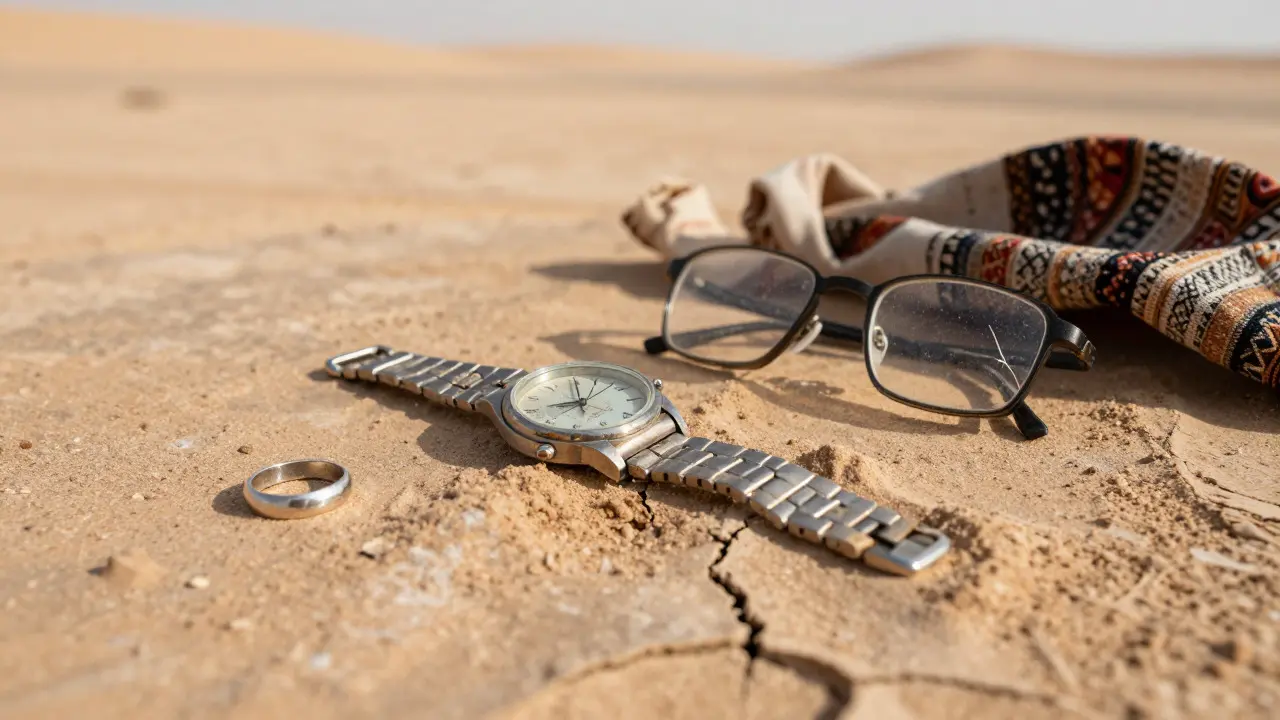
Imagine standing in a field where only scattered clothing and a broken watch remain. No body is intact. The clock is ticking. In these high-stakes scenarios, personal effects often become the last link between a missing person and their identity. These items-ranging from jewelry to electronic devices-hold critical clues that can confirm who a victim was, how they died, and sometimes even where they were before they vanished.
Identifying victims through personal property isn't just about finding a name tag. It’s a complex forensic process that combines physical evidence, digital data, and biological markers. When human remains are fragmented or decomposed, these objects serve as proxies for the individual. They provide context that skeletal analysis alone might miss.
The Role of Personal Effects in Forensic Identification
Personal effects are items owned by an individual that can be used to establish identity when biological samples are insufficient. In forensic contexts, this includes jewelry, eyewear, medical implants, clothing, and digital devices. Unlike general debris, personal effects have a direct association with a specific owner, making them powerful identifiers.
When a body is found in advanced stages of decomposition, teeth may be damaged, and skin may be unrecognizable. In such cases, investigators turn to associated items. A distinctive ring, a custom-made prosthetic limb, or a smartphone with a unique IMEI number can narrow down the list of potential matches significantly. The key here is specificity. Mass-produced items like generic t-shirts offer little value unless paired with other unique identifiers.
- Unique Medical Devices: Pacemakers, hip replacements, and cochlear implants often have serial numbers linked to patient records.
- Jewelry: Engraved rings, wedding bands, or custom pendants can match descriptions in missing person reports.
- Eyewear: Prescription glasses can be matched to optical records, providing both identity and health history.
- Digital Devices: Phones and tablets contain location data, contacts, and media files that build a timeline of events.
How Investigators Process Physical Evidence
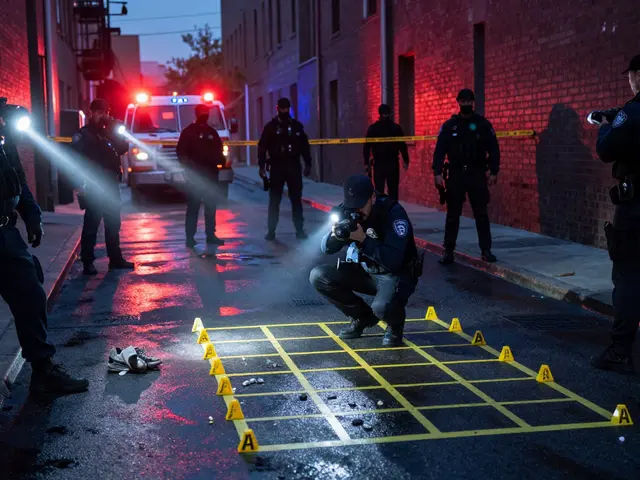
The process begins at the scene. Forensic teams document every item near the remains using precise photography and mapping techniques. Each object is bagged, labeled, and assigned a chain-of-custody record. This step is crucial because contamination or mislabeling can render evidence useless in court.
Once in the laboratory, specialists analyze the items based on their material composition and wear patterns. For example, a watch band might show signs of corrosion consistent with water exposure, suggesting the victim was in a river or lake. A pair of boots might contain soil samples that match a specific geographic region, helping to determine if the victim traveled from another area.
Wear patterns also tell a story. If a shoe shows heavy wear on the left heel, it might indicate a gait abnormality. Cross-referencing this with medical records of missing persons can help confirm identity without needing a full DNA match immediately. This method, known as comparative anatomy of artifacts, bridges the gap between physical traces and individual profiles.
Digital Footprints: The Modern Identifier
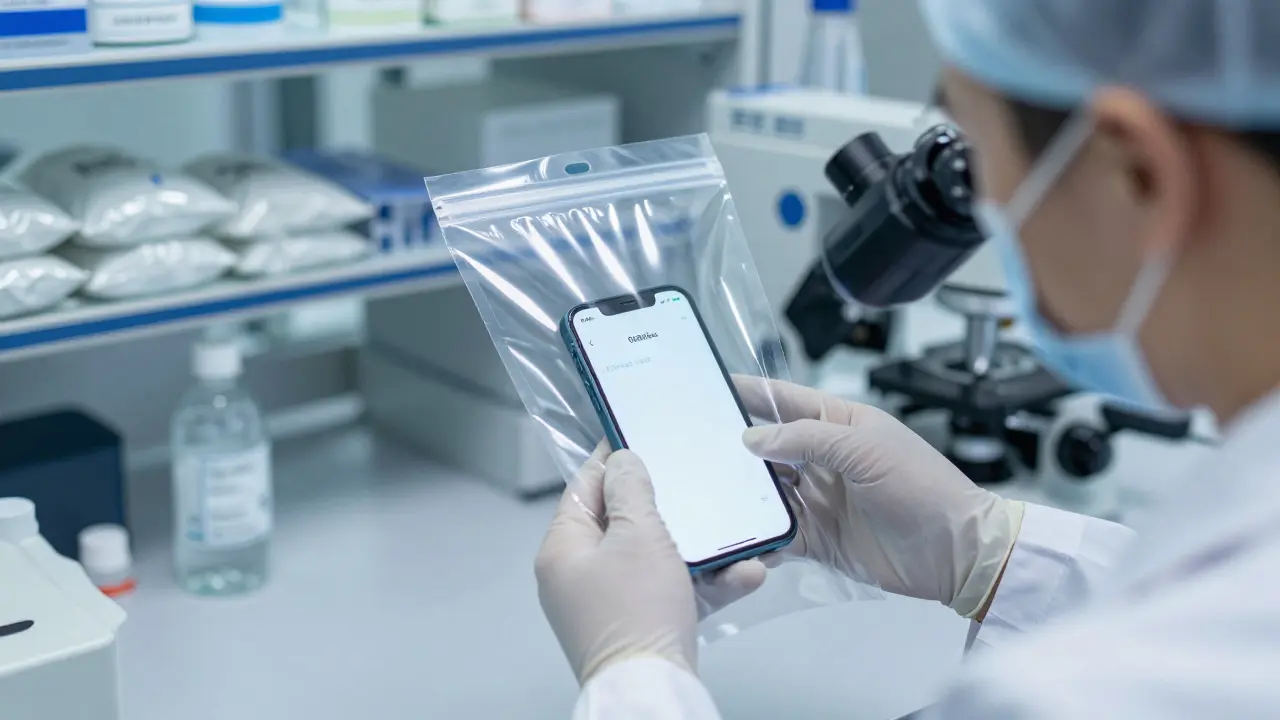
In the 21st century, the most potent personal effect is often the smartphone. Digital forensics is the branch of science that extracts and analyzes data from digital devices to solve crimes. When a phone is recovered, technicians extract data including GPS logs, call histories, and photo metadata.
These data points create a digital timeline. If a missing person’s phone was last seen in a specific park three days ago, investigators know exactly where to look. Photo metadata (EXIF data) can reveal timestamps and locations of images taken by the victim, potentially identifying the last place they visited or people they met.
| Item Type | Identification Value | Key Data Extracted | Limitations |
|---|---|---|---|
| Smartphone | High | GPS logs, contacts, photos, IMEI number | Battery life, encryption, device loss |
| Medical Implant | Very High | Serial number, manufacturer date | Requires X-ray visibility, rare occurrence |
| Jewelry | Medium | Engravings, metal composition, design | Mass production, theft risk |
| Clothing | Low to Medium | Fiber type, brand, soil samples | Generic designs, weathering |
Biological Traces on Objects
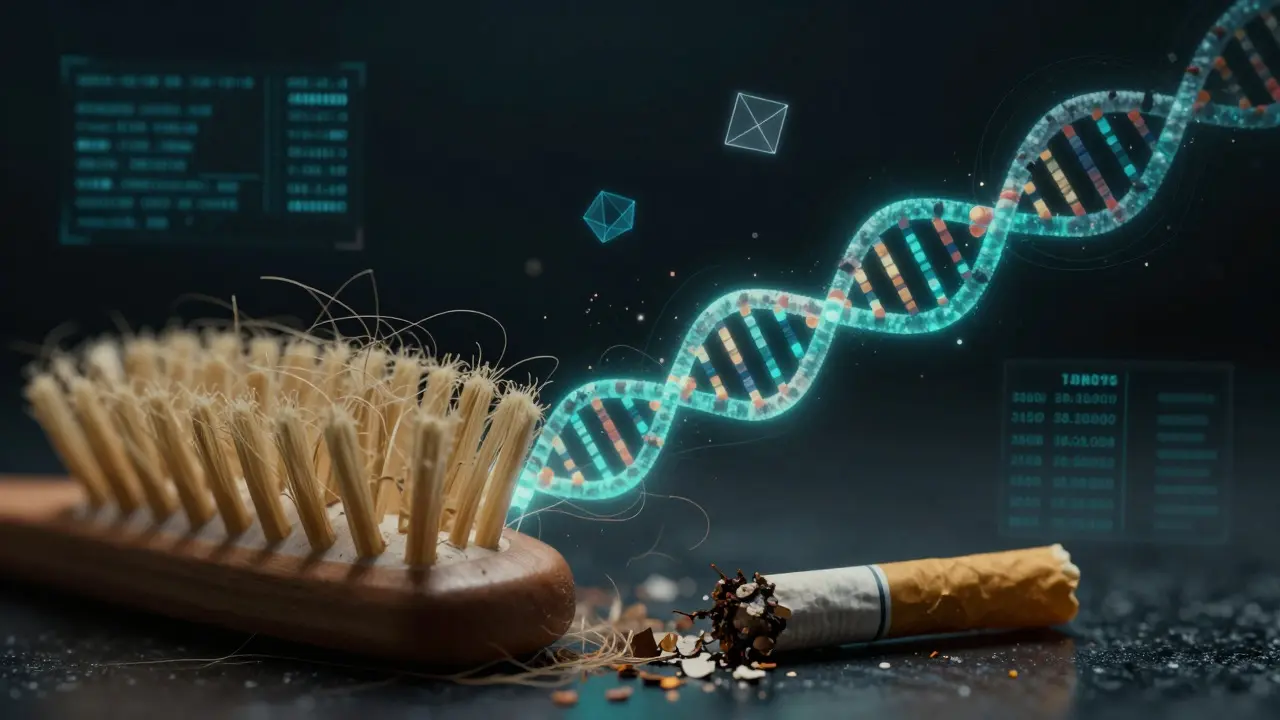
Even if an item doesn’t directly identify the owner, it can carry biological evidence. DNA analysis is the technique of examining genetic material to determine identity or relationships. A cup, a cigarette butt, or a hairbrush found with the victim can yield DNA profiles.
This DNA can then be compared against databases like CODIS (Combined DNA Index System) or local missing person files. Sometimes, the DNA belongs to the victim, confirming identity. Other times, it belongs to a suspect or a witness, providing leads into the case. The presence of foreign DNA on personal effects can also indicate interaction with others shortly before death.
Microscopic traces matter too. Fibers from clothing, paint chips from a vehicle, or glass shards can link a victim to a crime scene or a suspect’s home. These trace elements act as silent witnesses, connecting disparate pieces of the puzzle.
Challenges in Identifying Victims Through Items
It’s not always straightforward. Weather, scavengers, and time degrade evidence. A phone submerged in water for weeks may lose its battery and corrupt its storage. Jewelry can be stolen or lost before discovery. Clothing can be washed or burned, destroying fiber evidence.
Another challenge is the "commonality" problem. If a victim wore a standard-issue uniform or a mass-market brand of shoes, the item becomes less useful for unique identification. Investigators must rely on combinations of items rather than single objects. For instance, a specific combination of a red jacket, blue jeans, and a particular brand of sneakers is more identifiable than any one item alone.
Documentation errors also pose risks. If a scene technician mislabels a bag, the entire chain of custody is compromised. Rigorous protocols and double-checking systems are essential to prevent these mistakes.
Best Practices for Effective Use of Personal Effects
To maximize the utility of personal effects, forensic teams should adopt several best practices:
- Immediate Documentation: Photograph items in situ before moving them. Capture scale references and surrounding context.
- Non-Destructive Analysis First: Use visual inspection and non-invasive testing before breaking open devices or cutting fabric.
- Cross-Reference Early: Check missing person databases for descriptions matching the items found. Don’t wait for lab results to start comparing.
- Preserve Digital Data: Use Faraday bags for phones to prevent signal interference and data overwriting.
- Record Negative Findings: Note what is *not* present. The absence of a wallet or keys can be as telling as their presence.
By treating every personal effect as a potential key to identity, investigators can close cases faster and provide answers to grieving families. The goal is not just to find the body, but to restore the person’s name and story to the world.
Can a single personal effect identify a victim?
Rarely. While a unique item like a pacemaker with a serial number can be decisive, most identifications rely on a combination of items and biological evidence. A single generic item usually provides only circumstantial support.
How long does it take to analyze digital devices?
It varies. Simple data extraction might take hours, but complex decryption or recovering corrupted data can take weeks. Prioritizing urgent cases helps expedite the process.
What happens if no personal effects are found?
Investigators rely on skeletal analysis, dental records, and mitochondrial DNA. Without personal effects, the process is slower and may require broader database searches to find matches.
Are social media posts considered personal effects?
Yes, in a broad sense. Digital footprints, including social media activity, are treated as digital personal effects. They provide behavioral context and can help establish timelines and relationships.
How do investigators handle contaminated items?
They isolate the item to prevent further cross-contamination. Specialized cleaning techniques may be used to recover DNA or fibers without destroying the evidence. Proper storage conditions are critical.