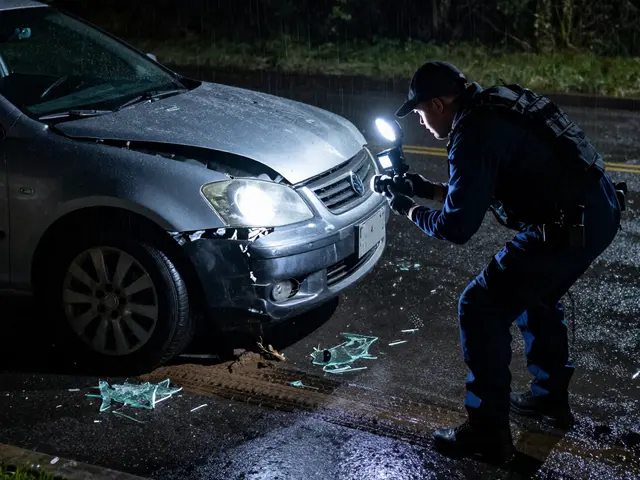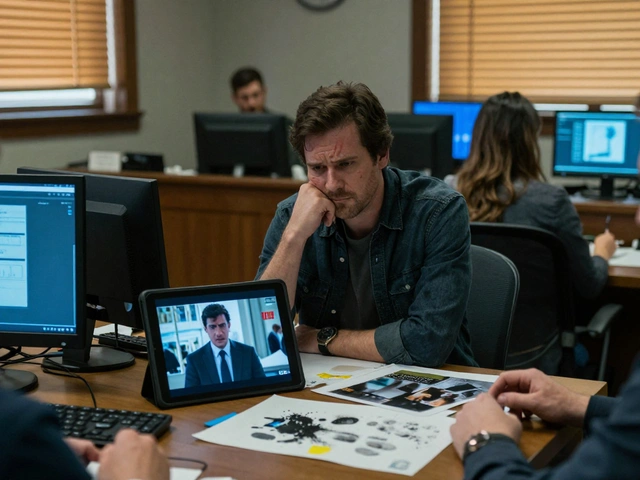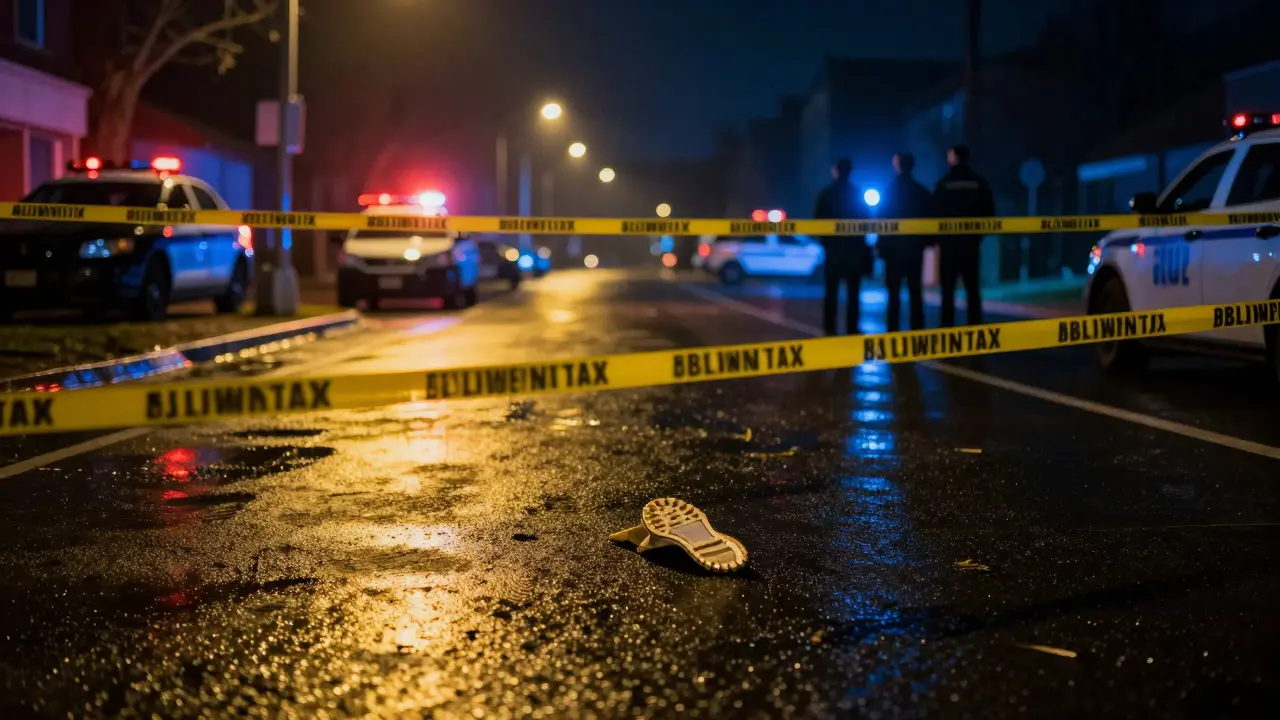
Imagine walking into a crime scene where the only clue is a pattern of behavior left behind by an unknown person. That’s exactly what happens in Criminal Profiling is an investigative technique that uses behavioral and psychological evidence to identify characteristics of an offender. It doesn’t solve cases on its own, but it narrows the field from thousands of possibilities to a manageable list of suspects. This method has evolved significantly since its inception, moving from intuitive guesses to data-driven models backed by decades of case studies.
The Core Mechanics of Behavioral Analysis
At its heart, criminal profiling relies on the idea that actions reveal character. Investigators look at how a crime was committed-the modus operandi (MO) and the signature behaviors-to build a psychological sketch. The MO is practical; it’s how the offender gets the job done, like using a specific tool or choosing a particular time of day. The signature, however, is emotional. It’s the ritualistic element that satisfies the offender’s psychological needs, such as leaving a victim in a specific position or taking a unique souvenir. While MOs change as offenders gain experience, signatures tend to remain consistent throughout their criminal career. By separating these two elements, profilers can distinguish between a novice trying to be efficient and a seasoned offender seeking psychological gratification.
Historical Evolution: From Intuition to Science
The formalization of this discipline began in the 1970s when the Federal Bureau of Investigation (FBI) established the Behavioral Science Unit. Before this, detectives relied heavily on gut feelings and local knowledge. The breakthrough came with the work of agents John Douglas and Robert Ressler, who developed the first structured classification system for serial killers. They categorized murders into organized and disorganized types based on scene evidence. An organized crime scene suggests a planful, intelligent offender with social skills, while a disorganized scene points to impulsivity, lower intelligence, or mental health issues. This binary framework, though simplified, provided law enforcement with a starting point for suspect selection that hadn’t existed before.
Key Methodologies Used Today
Modern profiling isn’t just about labeling someone as “organized” or “disorganized.” It involves several sophisticated methodologies. One primary approach is geographic profiling, which maps the locations of crimes to estimate the offender’s home base. Based on the concept that people prefer to operate within familiar territory, analysts use mathematical models to predict the most likely address. Another critical tool is victimology, which examines the victim’s lifestyle, habits, and vulnerabilities. Understanding why a specific victim was targeted helps determine if the offense was random or premeditated. For instance, if a victim was chosen because they worked late alone, the profile might focus on individuals who know the victim’s schedule rather than strangers.
The Role of Forensic Psychiatry
While profilers are often behavioral scientists, forensic psychiatrists play a vital supporting role. They assess the mental state of known suspects or help interpret complex behavioral anomalies. Unlike general psychology, forensic psychiatry applies clinical expertise to legal contexts. A psychiatrist might evaluate whether an offender had the capacity to form intent or if their actions were driven by a psychotic episode. This distinction is crucial not just for investigation but for trial preparation. When a profiler identifies traits suggesting a personality disorder, such as antisocial or narcissistic tendencies, a forensic psychiatrist can validate those observations through clinical interviews, adding medical weight to the behavioral hypothesis.
Common Pitfalls and Limitations
Despite its success stories, criminal profiling has significant limitations. The biggest risk is confirmation bias. Once investigators have a profile, they may unconsciously ignore evidence that doesn’t fit the narrative. If the profile says the suspect is a white male in his 30s, detectives might overlook a younger or older suspect who fits the behavioral facts better. Additionally, profiles are probabilistic, not deterministic. They offer likelihoods, not certainties. In high-profile cases, media pressure can also distort the process, pushing investigators toward sensationalized narratives rather than objective data. To mitigate this, many agencies now require blind reviews, where a second analyst checks the profile without knowing the initial findings.

Practical Application in Investigations
In practice, a profile is delivered as a written report that includes demographic estimates, lifestyle factors, and potential weaknesses. It rarely names a specific individual but instead provides a checklist for investigators to screen against. For example, a profile might suggest the offender lives near the crime scene, drives a dark-colored sedan, and has a history of minor offenses. Detectives then cross-reference these traits with database records. The value lies in prioritization. Instead of interviewing every resident in a neighborhood, police can focus on those matching the key criteria. This efficiency is particularly valuable in cold cases, where new behavioral insights can reignite stalled investigations by offering a fresh angle on old evidence.
Frequently Asked Questions
Is criminal profiling used in all types of crimes?
It is most effective in serious, repetitive offenses like serial killings, abductions, and arson. For one-off crimes like burglary, the behavioral patterns are less distinct, making profiling less reliable. However, it can still assist in linking multiple incidents to a single perpetrator.
Who creates a criminal profile?
Profiles are typically created by trained behavioral analysts, often working within law enforcement agencies like the FBI or specialized units in state police departments. These professionals usually hold advanced degrees in psychology, criminology, or behavioral science.
Can a criminal profile be used as evidence in court?
Generally, no. Profiles are considered expert opinion rather than hard evidence. They are used to guide the investigation and establish motive or opportunity, but they cannot prove guilt on their own. Physical evidence and eyewitness testimony remain the foundation of prosecution.
What is the difference between a profiler and a detective?
Detectives gather physical evidence and interview witnesses to build a factual timeline. Profilers analyze the behavior behind those facts to infer the offender’s personality and habits. Detectives ask "what happened?" while profilers ask "why did it happen this way?"
How accurate are criminal profiles?
Accuracy varies widely depending on the quality of the evidence and the complexity of the case. Studies suggest that broad demographic predictions (like age range or gender) are moderately accurate, while specific details (like eye color or exact occupation) are less reliable. The primary value is narrowing the search pool, not pinpointing the exact suspect.